High blood pressure, often called 'the silent killer', rarely presents with clear symptoms. This makes regular monitoring a critical part of managing your long-term cardiovascular health. But with so many options available, figuring out where you can get your blood pressure checked can feel like a chore in itself. Should you book a GP appointment, pop into a high street chemist, or invest in a device for home use? Understanding the differences is crucial for making an informed choice that fits your lifestyle and health needs.
This practical guide is designed to give you clear, actionable information on your options across the UK and Ireland. We'll explore ten distinct locations and methods, from traditional NHS services to convenient community resources and the privacy of at-home testing. For each option, we'll analyse the typical process, cost, accessibility, and what to expect, helping you decide on the best approach for you. Whether you need a one-off reading or plan to monitor your numbers regularly, this list will equip you with the knowledge to take proactive control of your heart health. We will also look at how at-home solutions, such as Repose Healthcare's comprehensive cardiovascular health tests, can provide deeper insights from the comfort of your own home.
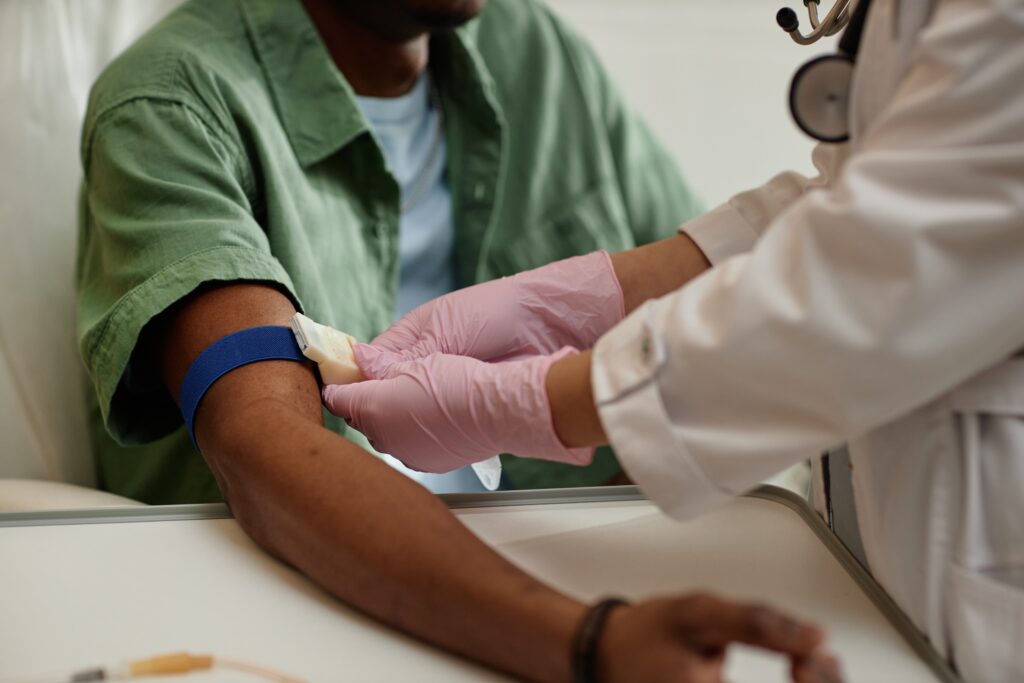
For many people, their local GP surgery or primary care centre is the most reliable place to get a blood pressure check. This is considered the clinical standard, where a doctor, practice nurse, or healthcare assistant uses a calibrated device to take your reading. The results are instantly added to your permanent NHS medical record, which is vital for long-term health monitoring.
This option is ideal because the reading is done within a clinical context. If your pressure is high, your GP can immediately discuss the implications, arrange follow-up appointments, or prescribe medication if needed. It also allows your healthcare provider to track your blood pressure over time, identifying trends that might otherwise be missed.
Your GP is the best choice if you have a family history of hypertension, are starting a new medication, or require an official reading for something like a pre-operative assessment. It’s also a key part of routine health screenings.
Actionable Insight: A GP check provides a professional, recorded measurement in a clinical setting. This is crucial for accurate diagnosis and creating a formal treatment plan. To get the most accurate result, avoid caffeine and exercise for 30 minutes before your appointment, and try to sit quietly for five minutes in the waiting room beforehand.
Your local community pharmacy or high street chemist is an incredibly convenient and accessible place where you can get your blood pressure checked. Many pharmacies offer this service on a walk-in basis, meaning you don't need an appointment. Trained pharmacy staff, often the pharmacist themselves, will use a validated automated or manual monitor to take your reading. While the result isn't automatically added to your NHS record, you'll receive a written copy to share with your GP.

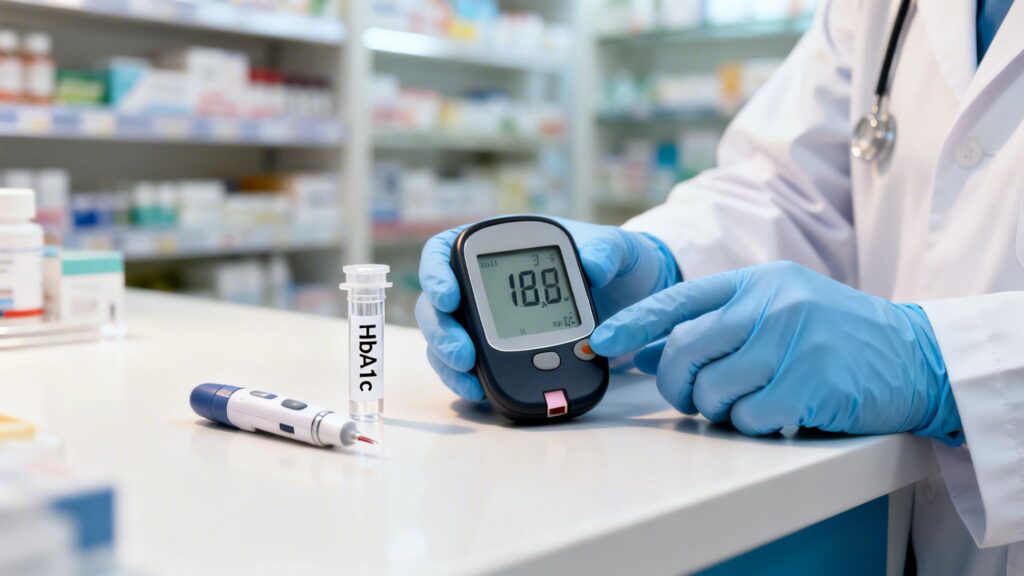
This option is perfect for opportunistic checks, routine monitoring, or when you can't get a timely GP appointment. Major chains like Boots, LloydsPharmacy, and Superdrug, as well as many independent chemists, provide this as part of their health screening services. It’s a great way to take a proactive step in managing your health, similar to getting a diabetes check at the chemist.
A pharmacy check is ideal for quick, informal readings or for regular monitoring if you've been advised to keep an eye on your blood pressure. It’s also useful if you want a second opinion on a reading taken elsewhere.
Actionable Insight: Pharmacies offer a fast, low-cost, and professional alternative for blood pressure checks. It's a vital community resource for accessible health monitoring. To make it actionable, visit during a quiet period (e.g., mid-morning on a weekday) and ask the pharmacist for a printed record of your reading to show your doctor.
For individuals with existing health conditions or those requiring urgent assessment without an appointment, hospital settings provide a crucial option for where you can get blood pressure checked. Hospital outpatient clinics offer specialist-led monitoring, often following a referral from your GP, while NHS Walk-in Centres (or Urgent Treatment Centres) can address immediate concerns. These readings are taken by highly trained clinical staff with access to advanced diagnostic equipment.
This route is particularly important when your blood pressure readings need to be interpreted alongside other complex health factors. For instance, a cardiology outpatient clinic can connect a high reading to your specific heart condition, while a pre-operative assessment unit ensures your blood pressure is stable enough for surgery. The results are integrated directly into your hospital records, providing a seamless continuum of care with your specialist team.
Hospitals and walk-in centres are best for specialist referrals, urgent (but not life-threatening) symptoms, or when a more in-depth investigation is needed. They are not typically used for routine, preventative checks.
Actionable Insight: A hospital or walk-in centre provides specialist and urgent care, integrating blood pressure checks with other diagnostic services. To be prepared, if you monitor your blood pressure at home, bring your machine or your log of readings to your appointment to give the specialist a more complete picture of your health.
Many larger employers offer occupational health services, which can be a convenient place to get your blood pressure checked. These checks are often part of broader employee wellness programmes, annual health surveillance, or pre-employment health screenings. The service provides a quick and accessible way to get a reading from a trained professional, such as an occupational health nurse, during your working day.
This option is especially useful because it brings the health check directly to you, removing the need to book a separate appointment or travel. While the results may not be automatically sent to your GP, they provide a valuable snapshot of your health. It’s common for large organisations, including many NHS trusts and FTSE 100 companies, to offer this as part of their commitment to employee wellbeing.
Workplace screenings are ideal for baseline monitoring and convenience. They are a great starting point if you want a quick check-up or are participating in a company wellness initiative. It's a proactive way to keep an eye on your numbers without disrupting your personal schedule.
Actionable Insight: A workplace check offers exceptional convenience at no personal cost. To ensure privacy and utility, always ask about the confidentiality policy beforehand and request a written copy of your results to share with your GP if the reading is elevated.
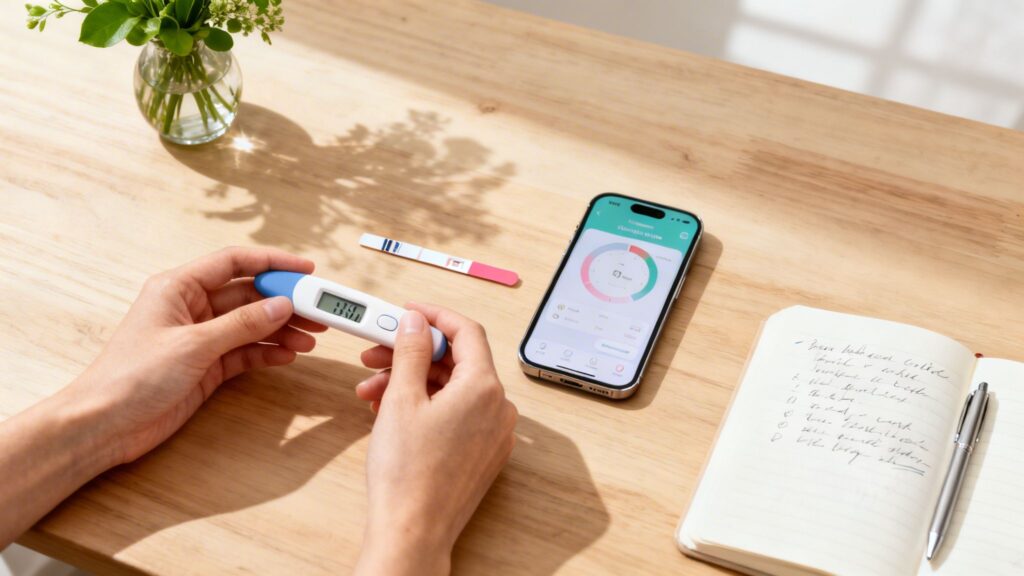
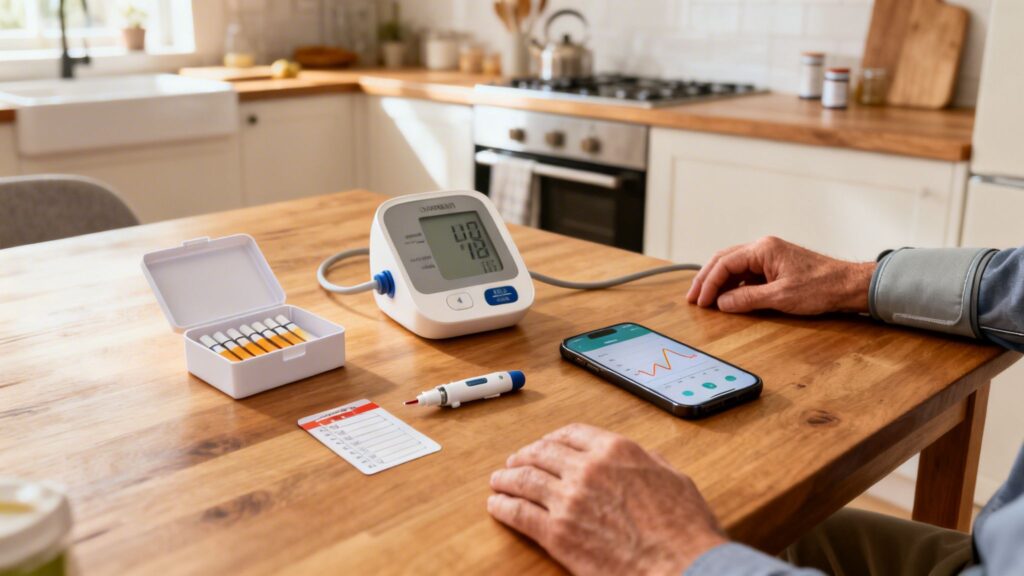
Monitoring your blood pressure at home has become a practical and popular way to keep track of your cardiovascular health. Using a validated home monitor empowers you to take regular readings in a familiar environment, which can help reduce the "white coat effect" where blood pressure is artificially high in a clinical setting due to anxiety. For those opting for home monitoring, various devices like automatic digital blood pressure monitors can provide convenient and regular readings.
This method is excellent for building a detailed picture of your blood pressure patterns over days or weeks. Modern devices often sync with smartphone apps to log your results automatically. This data provides your GP with a much richer understanding of your health than a single, isolated reading can offer. For a broader perspective, you can learn more about how to check your heart health at home through various methods.
Home monitoring is ideal for individuals diagnosed with hypertension who need to track the effectiveness of lifestyle changes or medication. It's also useful for anyone wanting to proactively manage their health, especially if they have risk factors like a family history of high blood pressure.
Actionable Insight: Home monitoring provides convenience and a wealth of data. To ensure accuracy, invest in a clinically validated upper-arm monitor, use the correct cuff size, and follow a consistent routine (e.g., sit quietly for 5 mins, feet flat on the floor, arm supported at heart level). Always share your log with your GP.
For those seeking speed, convenience, or more in-depth consultations, private healthcare clinics and private GP services offer an alternative route for where you can get your blood pressure checked. These providers, such as Bupa health centres or specialist clinics on Harley Street, operate outside the NHS, offering appointments with shorter waiting times and often more flexible scheduling. The service is paid for either directly or through private health insurance.
This option is particularly suited for individuals who want a comprehensive health assessment or a second opinion. A private consultation typically allows for a longer, more detailed discussion about your readings, lifestyle factors, and potential management strategies. While the check itself is similar to an NHS appointment, the environment may feel more premium, and you get immediate, dedicated time with a clinician.
A private clinic is a strong choice if you need a fast appointment that fits around a busy schedule, or if you are looking for an extensive 'health MOT' that includes a blood pressure check as part of a wider screening. It is also useful if you want to see a specific specialist quickly.
Actionable Insight: Private clinics provide rapid, patient-centred checks. It's a paid service that prioritises speed and convenience. To ensure continuity of care, always request that a copy of your results and consultation notes be sent to your NHS GP. Verify the provider is registered with the Care Quality Commission (CQC).
Community health events, pop-up health fairs, and national screening campaigns offer convenient, free opportunities to get your blood pressure checked. Organised by public health bodies, charities, and local councils, these events are designed for public outreach and are often staffed by trained nurses, pharmacists, or volunteers from organisations like the Stroke Association or British Heart Foundation. They bring health screening directly into accessible community spaces like shopping centres, libraries, and local halls.
This option is particularly useful for raising awareness and providing a quick, informal check. While a one-off reading at an event is not a formal diagnosis, it serves as an excellent early warning system. If the reading is high, the staff can provide immediate advice on next steps and educational materials, encouraging you to follow up with your GP for a more formal assessment.
These events are ideal for a casual, opportunistic check-up, especially if you don't have any specific symptoms but are curious about your numbers. They are a great starting point for taking a more active role in your health.
Actionable Insight: Community events provide a no-cost, low-commitment way to get a blood pressure check. Use it as a quick health snapshot. If your reading is elevated, don't panic. Take the leaflet provided, and make a non-urgent appointment with your GP to get a clinical reading and discuss the result.
The growth of telehealth and online GP services offers a convenient way to discuss your blood pressure without leaving home. While these virtual platforms cannot physically take a reading for you, they are excellent for interpreting results from a home monitor. Clinicians can review your logged readings, discuss your lifestyle, adjust medication, and issue prescriptions remotely, bridging the gap between at-home monitoring and professional medical advice.
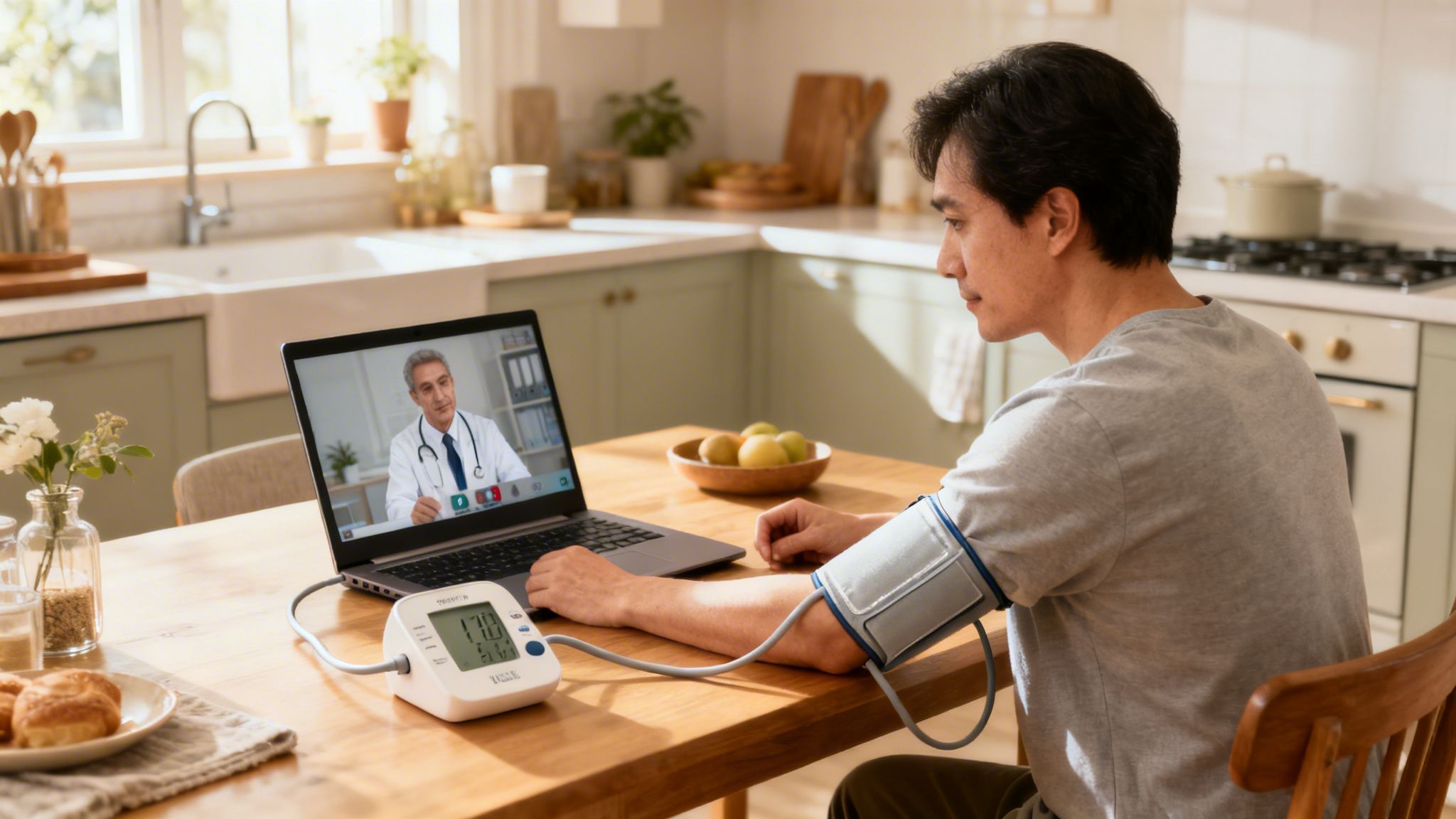
This option combines the convenience of home testing with the expertise of a healthcare professional. Services like NHS online GP services, Livi, and Doctor Care Anywhere allow you to book a video or phone appointment to review your health concerns. It’s an efficient way to get guidance on your readings and understand what they mean for your health, determining if an in-person visit is necessary.
This is the ideal choice for follow-up appointments, medication reviews, or for discussing a series of home blood pressure readings. It is perfect for people who find it difficult to attend in-person appointments or those who want quick advice on managing their condition.
Actionable Insight: Telehealth services provide expert interpretation and management advice for your home readings. To get the most out of your appointment, have your validated home monitor and a log of recent readings (at least one week's worth) ready to share with the clinician on screen.
For individuals with complex, resistant, or difficult-to-manage high blood pressure, a referral to a specialist clinic is the gold standard. These clinics, run by cardiologists or hypertension experts, offer a much deeper level of investigation than a GP surgery. They provide advanced diagnostics to pinpoint underlying causes and assess any impact on your organs, such as your heart and kidneys.
This specialist care is crucial for creating a highly personalised treatment plan. It often involves more than just standard medication, incorporating detailed lifestyle advice, advanced monitoring techniques, and access to the latest treatments. Examples include NHS Hypertension Clinics in major hospitals, private cardiology-led services, and dedicated clinics for resistant hypertension, where standard treatments have not been effective.
This is not a walk-in service; it requires a referral from your GP. You would be referred here if your blood pressure remains high despite taking multiple medications, if you have suspected secondary hypertension (high BP caused by another medical condition), or if you have other cardiovascular risk factors, like high cholesterol. Understanding how different factors interlink is important, and you can learn more by looking at a cholesterol levels by age chart.
Actionable Insight: Specialist clinics offer expert diagnosis for complex hypertension. To prepare for your referral, keep a detailed diary of your blood pressure readings, symptoms, and a precise list of all medications (including dosages and times) you have tried. This information is invaluable to the specialist.
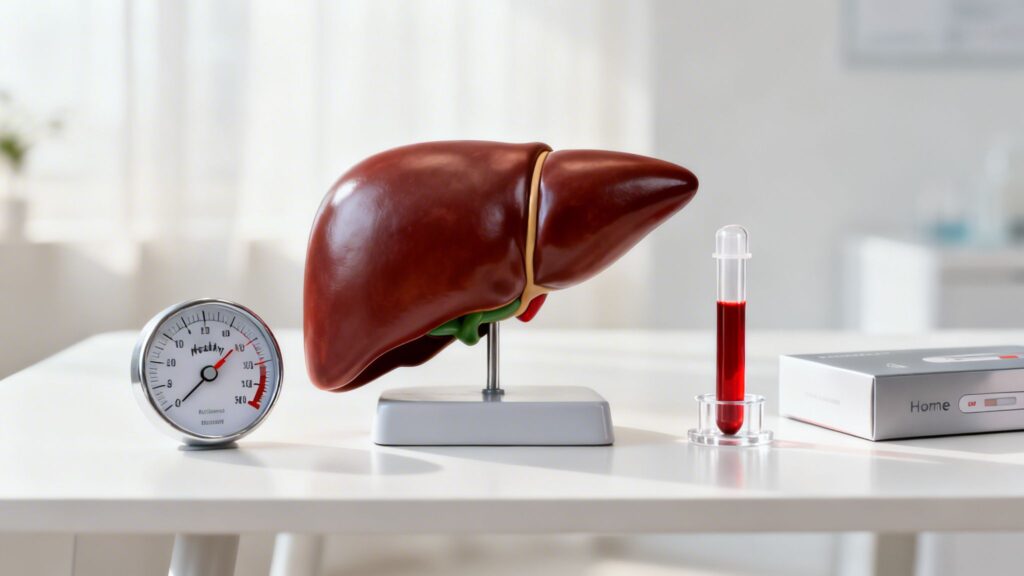
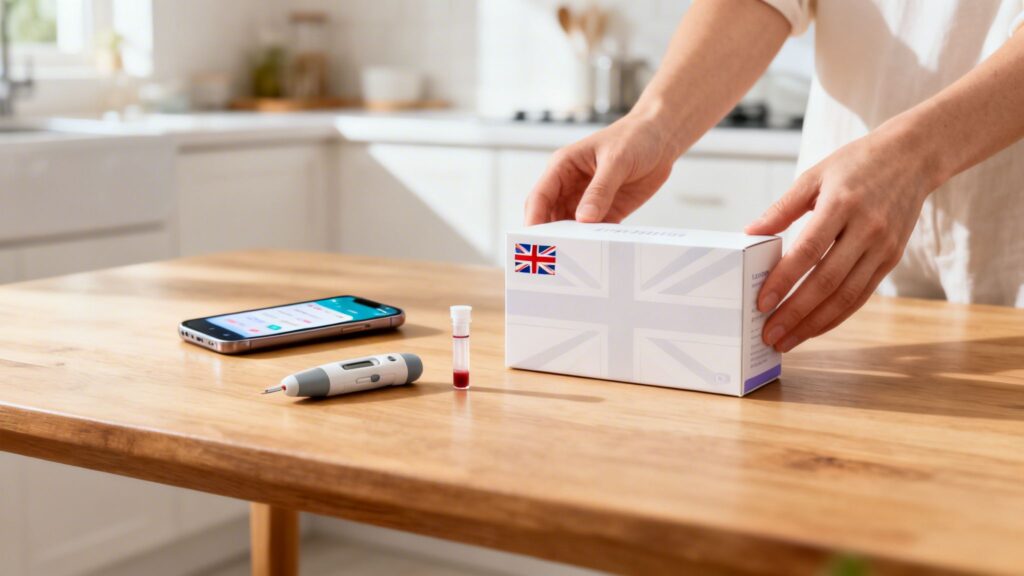
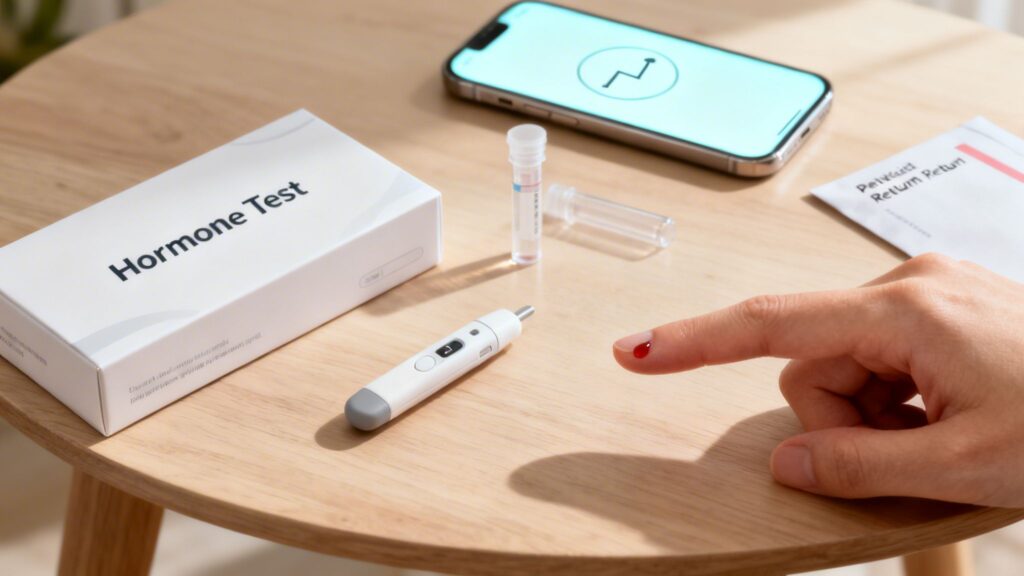
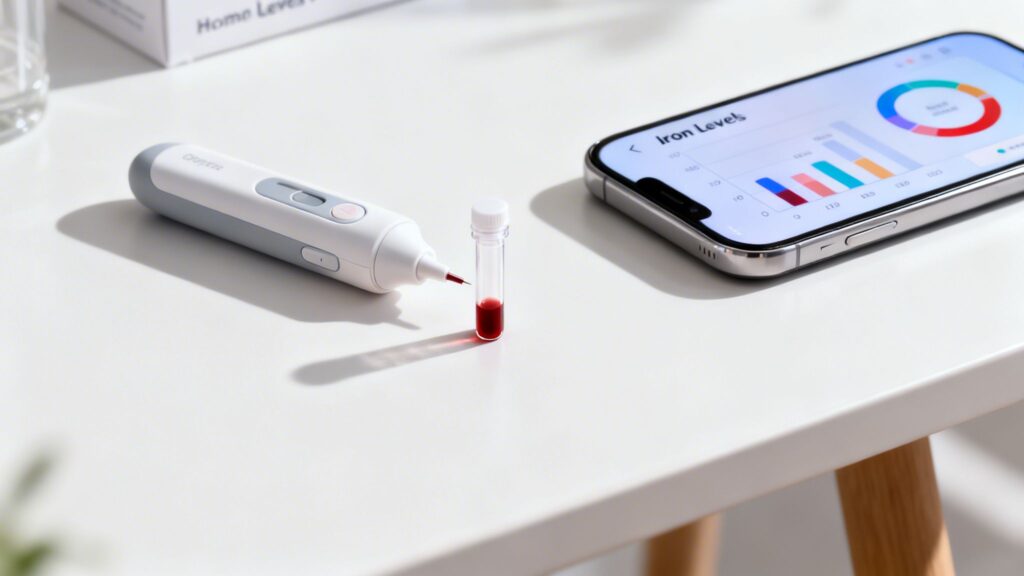
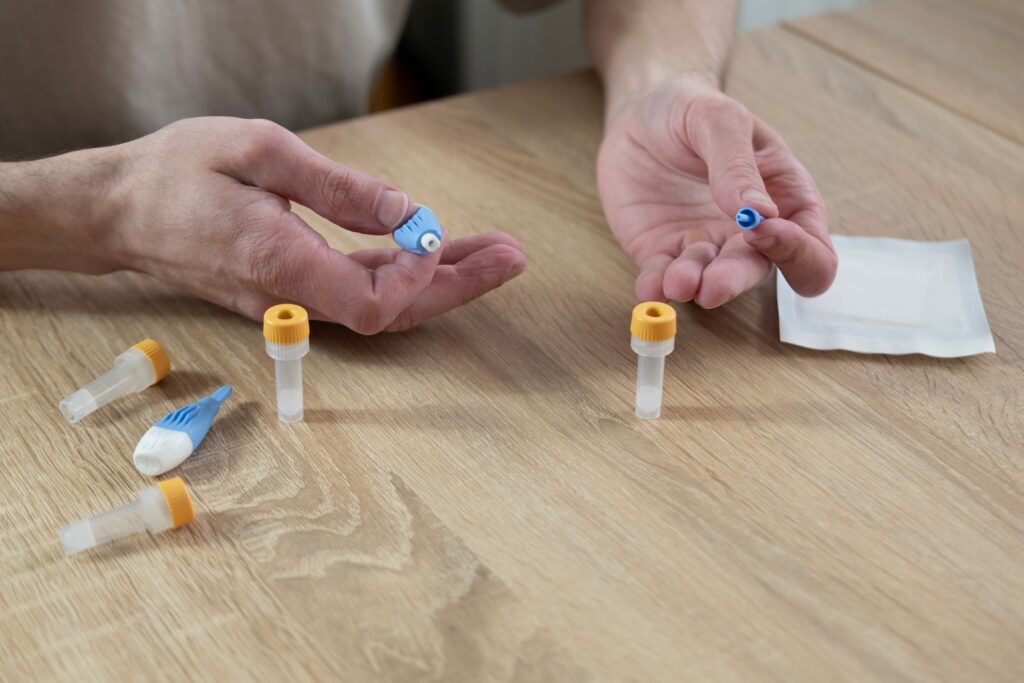
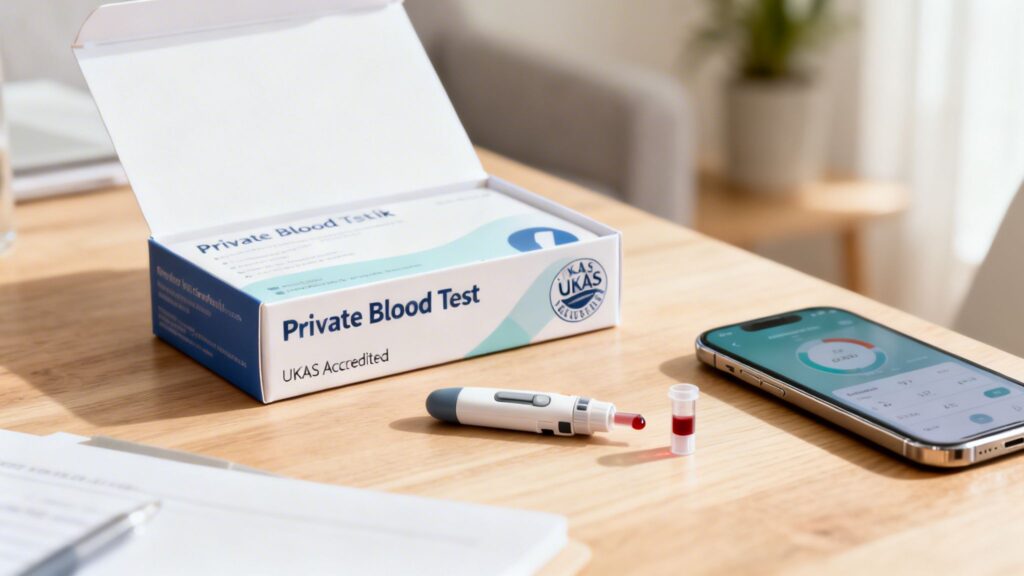
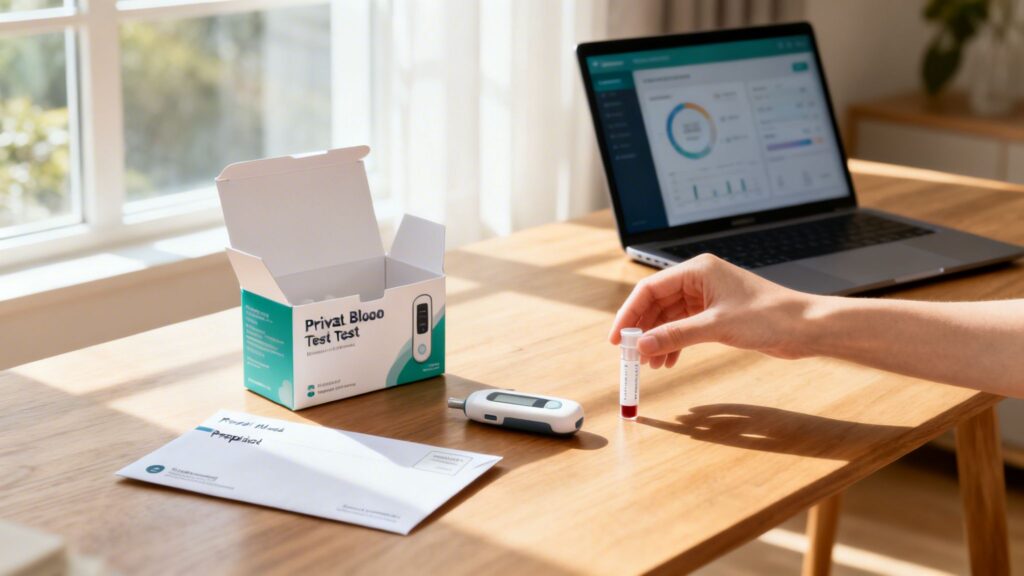
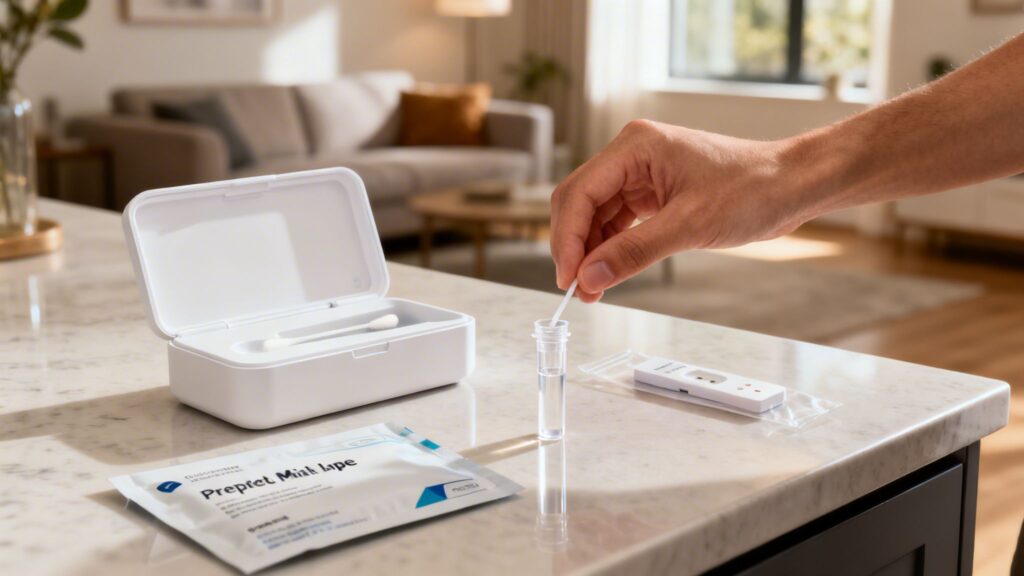
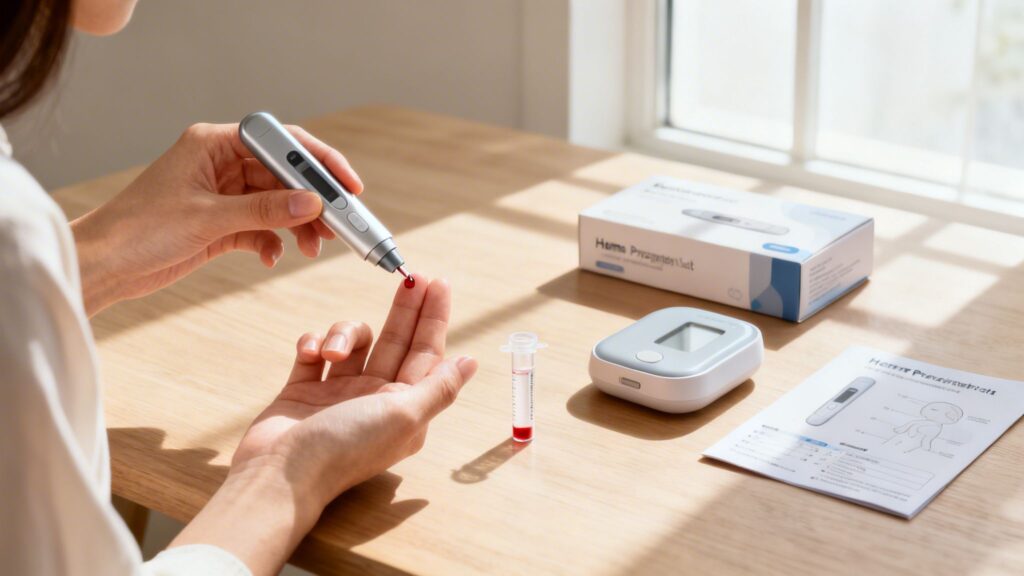
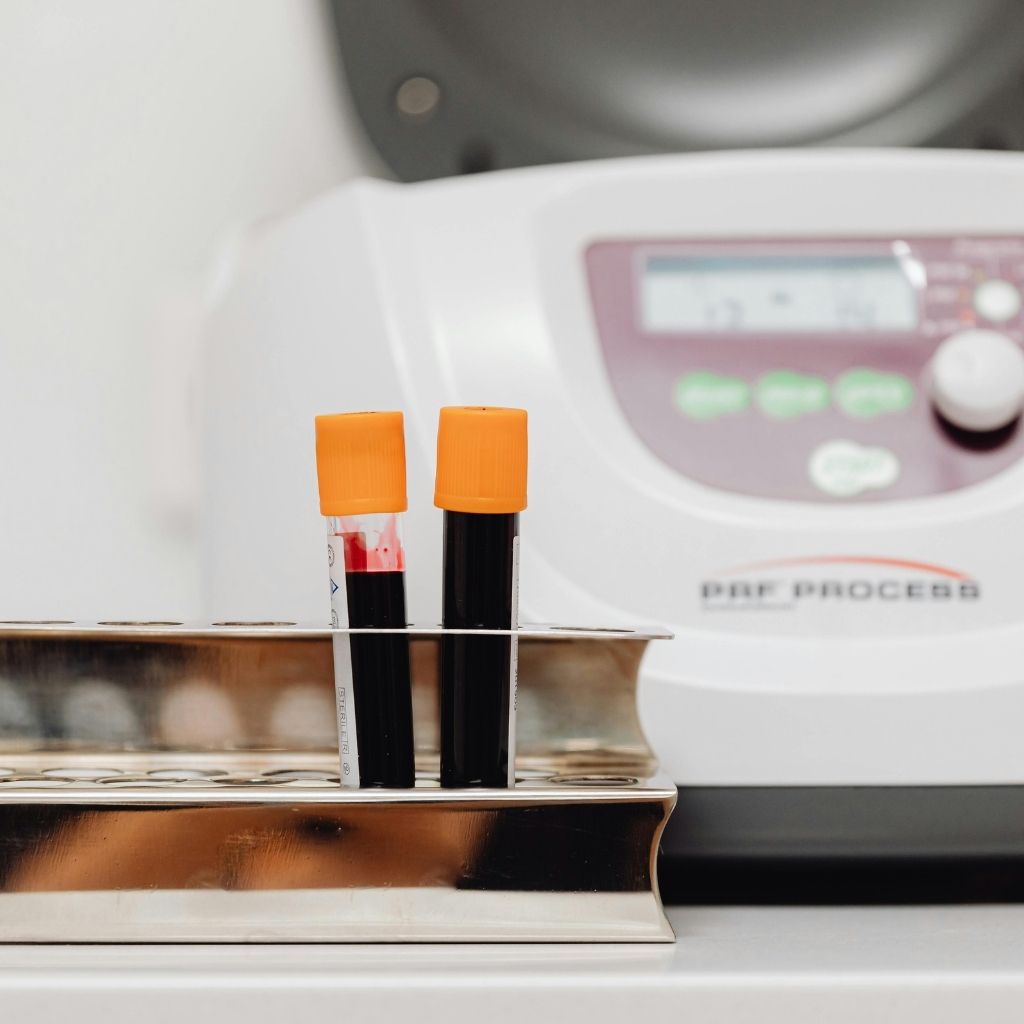
While at-home blood pressure monitors give you one crucial data point, understanding your full cardiovascular risk requires a deeper look. Services like Repose Healthcare offer at-home blood tests that analyse key biomarkers, providing a more complete picture of your heart health. This complements your blood pressure readings by checking things like cholesterol levels, inflammation, and blood glucose, all from a simple finger-prick sample collected at home.
This option is perfect for anyone wanting to be proactive about their long-term health. You order a kit online, collect your sample, and send it to an accredited lab. Your results are then delivered to a secure online dashboard, often with explanations of what each marker means. This information is invaluable for identifying underlying issues that could contribute to high blood pressure, such as high cholesterol or pre-diabetes, allowing for earlier intervention.
At-home testing is ideal for gaining broader insight into your cardiovascular health, especially when combined with regular blood pressure monitoring. It’s a convenient way to track key health indicators without needing a GP visit for the initial tests.
Actionable Insight: At-home cardiovascular tests provide essential context for your blood pressure readings. They empower you with detailed biomarker data to make more informed decisions. To take action, order a kit, perform the simple finger-prick test, and use the results to create a specific agenda for your next GP appointment, focusing on your complete risk profile.
| Service | Core features ✨ | Experience & quality ★ | Value & Price 💰 | Best for 👥 | Unique selling points ✨/🏆 |
|---|---|---|---|---|---|
| GP Surgery / Primary Care Centre | Clinical checks by trained staff; results in NHS record | ★★★★ — clinical accuracy; white‑coat possible | 💰 Free for registered patients | 👥 Routine care, baseline & clinical follow‑up | Integrated with medical records; direct GP advice |
| Community Pharmacy / High Street Chemist | Walk‑in checks, automated/manual monitors | ★★★ — fast & accessible; quality varies | 💰 Free–£5 | 👥 Quick checks, no appointment | Extended hours; convenient local access |
| Hospital Outpatient / NHS Walk‑In Centre | Specialist access; advanced monitoring options | ★★★★ — specialist interpretation; referral often needed | 💰 NHS pathway (may require referral) | 👥 Complex/urgent cases needing specialist input | Advanced diagnostics; links to specialist services |
| Occupational Health (Workplace) | On‑site screening; confidential reports | ★★★ — very convenient; employer‑dependent | 💰 Usually free for employees | 👥 Employed individuals via employer programs | No travel; promotes workplace prevention |
| Home BP Monitoring (Self‑monitoring) | Validated arm/wrist devices; trend tracking | ★★★★ — reduces white‑coat; user‑dependent | 💰 £20–100+ device cost | 👥 Self‑management & frequent monitoring | Empowers users; pairs with apps for logs |
| Private Healthcare Clinics / Private GP | Rapid appointments; premium assessments | ★★★★ — personalised; shorter waits | 💰 £50–200+ per visit | 👥 Those seeking fast/private care | Longer consultations; combined health checks |
| Community Health Events / Screening Campaigns | Free pop‑up checks + education | ★★ — accessible but episodic | 💰 Free | 👥 First‑time screeners; outreach audiences | Raises awareness; easy first contact |
| Telehealth / Online Consultation Services | Remote GP consults; review home readings | ★★★ — very convenient; needs home device | 💰 £20–100 per consult | 👥 Mobility‑limited or follow‑ups | Quick advice, e‑prescriptions, remote reviews |
| Cardiac / Hypertension Specialist Clinics | Specialist cardiology & 24‑hr monitoring | ★★★★★ — expert care for complex cases | 💰 NHS referral / Private £150–400+ | 👥 Resistant or complex hypertension | Personalised plans; end‑organ assessment |
| 🏆 Repose Healthcare (At‑home testing) | Home blood sample kits; UK‑accredited labs; secure dashboard; 1–3 day results | ★★★★★ — clinically robust, fast & private | 💰 Paid per test (transparent pricing; competitive vs clinic bloods) | 👥 People wanting comprehensive at‑home cardiovascular/metabolic monitoring | 🏆 Recommended — combines at‑home convenience, UK‑accredited processing, fast turnaround & expert‑reviewed interpretation |
Knowing where you can get your blood pressure checked is the first, most crucial step towards managing your cardiovascular health. As this guide has shown, from the trusted environment of your GP surgery to the convenience of a high street pharmacy or the privacy of your own home, access has never been more widespread across the UK and Ireland. The barrier to understanding this vital health metric is lower than ever before.
The most effective strategy isn't about finding the single "best" place; it's about creating a sustainable monitoring routine that fits your life. For many, this will be a hybrid approach.
Understanding the results is just as important as getting them. Once you have your numbers, knowing whether they fall into a healthy, elevated, or high-risk category is what turns data into action. For a detailed breakdown of what the systolic and diastolic numbers mean, you can find a comprehensive guide on how to interpret blood pressure readings. This knowledge allows you to have more informed conversations with your healthcare provider.
Beyond the cuff, a single blood pressure reading is only one part of the cardiovascular puzzle. To gain a richer, more complete picture of your heart health, consider supplementing your checks with deeper insights. At-home blood tests, such as our Cardiovascular Risk Panel, can measure key biomarkers like cholesterol levels (HDL, LDL), triglycerides, and markers of inflammation. This data provides a far more detailed view, helping you and your doctor understand the underlying factors contributing to your blood pressure and overall risk profile.
Don’t wait for symptoms like dizziness, headaches, or chest pain to force you into action. High blood pressure is often called the "silent killer" for a reason. By taking a proactive stance today, you are making a powerful investment in your long-term wellbeing. Choose the method that you will stick with, make it a regular habit, and take decisive control of your health journey.
Ready to look beyond the numbers on the monitor and understand your cardiovascular health on a deeper level? Repose Healthcare offers convenient, at-home blood testing kits that provide key insights into your heart health risks. Order your kit today at Repose Healthcare and gain the complete picture you need to take proactive control.