So, you're thinking about a 4D scan and wondering when to book it. For those incredibly clear, heart-melting images, the ideal window is between 26 and 32 weeks. If you want the absolute best chance for amazing pictures, the sweet spot is right around 27-28 weeks.
Timing your 4D scan is a bit like planning the perfect photoshoot—you need the conditions to be just right to capture your baby’s adorable features in stunning detail.
That crucial window between 26 and 32 weeks isn't just a random suggestion. It’s all about striking the perfect balance between your baby having enough cute chubbiness and still having plenty of space to move around in the womb.
If you book a scan before 26 weeks, your baby is still quite lean and hasn't developed much fat under their skin. While you'll still see them, their features might look a little more skeletal, which isn't quite the classic 'chubby baby' look most parents are hoping for.
On the other hand, after 32 weeks, your baby starts getting much bigger and preparing for their grand entrance. This means they become more cramped inside the womb, with less amniotic fluid surrounding them. It can make it tricky for the sonographer to get a clear, unobstructed view of their face, as they might be snuggled right up against the placenta or your womb wall.
Actionable Insight: The optimal window of 26-32 weeks ensures your baby has defined, plump features but still has enough surrounding fluid and space to move. For a practical example, this is when you're most likely to see them turn and show off their face, giving you those unforgettable glimpses of a yawn, a smile, or even a little hiccup.
UK-based experts are in firm agreement on this timing. As registered obstetric sonographer Maria Birch points out, while the window is generally 24 to 34 weeks, 28 weeks tends to be the jackpot for most mums-to-be. In fact, data from her clinic reveals that 90% of scans at 28 weeks produce 'excellent' image quality, a big jump from just 60% for scans before 26 weeks or after 32 weeks. At this stage, your baby has padded out just enough to show off their unique features in incredible detail. You can find more useful insights on scan timing at Sneak-a-Peek Ultrasound.
To make it even clearer, here’s a quick summary of what you can generally expect at different stages.
| Scan Window (Weeks) | What You Can Expect to See | Image Quality Potential |
|---|---|---|
| Before 26 Weeks | Baby is very active but features are less defined and more skeletal. Great for seeing whole-body movements. | Fair to Good |
| 26-32 Weeks (Sweet Spot) | Baby has developed chubby cheeks and defined facial features. A great balance of detail and space. | Excellent |
| After 32 Weeks | Features are very well-developed, but baby is more cramped, making it harder to get clear face shots. | Good to Poor |
This table shows why that middle window is so highly recommended for getting those keepsake images.
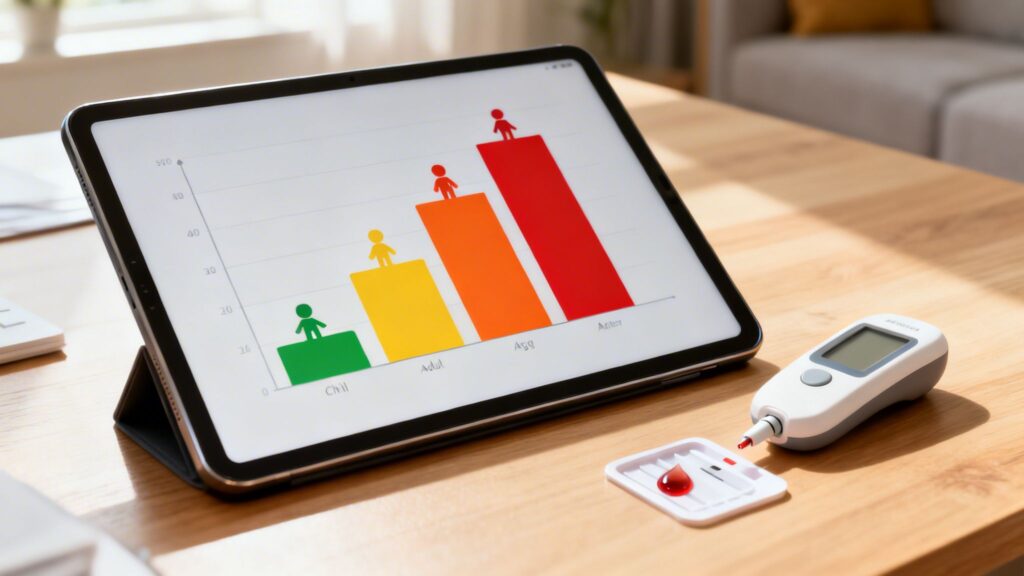
This timeline gives you a great visual guide on the difference between scanning too early, hitting that perfect sweet spot, and scanning a little too late.

As you can see, the 27-28 week mark really is the best of both worlds—you get a well-developed baby who still has plenty of room to give you a clear view of their face.
So, what’s the science behind this ‘sweet spot’ for 4D scans? Knowing when to book all comes down to a delicate balance between how your baby is developing and the environment inside your womb.
Think of it like trying to photograph a flower. You want to capture it in full bloom, not when it’s still a tiny bud or after its petals have started to fade. The exact same idea applies to getting the best pictures of your baby.
From around week 26, your baby starts to put on a layer of subcutaneous fat. This is what plumps up their little cheeks and gives definition to their nose and lips—the adorable features you’re so excited to see. Before this, their features can look a bit less defined.
At the same time, the amniotic fluid around them is crucial. It acts like a crystal-clear window for the ultrasound probe to see through. This fluid is usually at its peak volume, around 800ml, between weeks 27 and 28. This ample fluid gives the sound waves plenty of space to travel, which is what creates those sharp, beautifully detailed images of your baby’s face and movements.
Actionable Insight: The ideal scan window is a perfect storm of development. Your baby is "photo-ready" with plump features, and the high volume of amniotic fluid creates the perfect acoustic conditions for the ultrasound to capture high-quality images.
After week 32, this perfect balance starts to change. Your baby keeps growing, but the amount of amniotic fluid naturally starts to decrease. The womb becomes a bit more crowded, which can make getting a clear, unobstructed photo much trickier. Your baby might be snuggled right up against the placenta or uterine wall.
This isn't just guesswork; it's a recommendation built on developmental science and years of clinical experience from scan providers. For instance, the experts at UK provider First Encounters Ultrasound point to 27 weeks as the ideal moment.
They explain that while that crucial baby fat starts appearing around week 26, it’s the peak amniotic fluid levels at 27 weeks that create the absolute sharpest views. They’ve seen firsthand that delaying a scan past 30 weeks can lead to a 20-30% drop in fluid. This dramatically reduces the success rate for clear images, which falls from over 95% down to just 70% after 32 weeks. You can read more about their insights on why timing is so crucial for a great 4D scan experience at firstencounters.co.uk.
Understanding these factors shows you exactly why booking in that 26-30 week window gives you the best possible chance of going home with those beautiful, clear keepsake images you’re dreaming of. It really is the optimal time to "meet" your little one for the very first time.

While we talk about the 27-32 week 'sweet spot', you might be wondering if it's worth booking a little earlier or even holding out for a later peek. Ultimately, the best time for your 4D scan often comes down to what you hope to see.
To help you decide, let's compare an 'early glimpse' with a 'last chance look'.
Booking your scan between 24 and 26 weeks is a great choice if you’re simply too excited to wait. At this stage, your baby still has plenty of room to themselves, which means you’re far more likely to see their whole body on the screen at once.
It’s a truly fascinating time to watch them stretch, kick, and wiggle around. However, it’s good to manage your expectations for the pictures. Because your baby’s lovely fat stores are only just starting to build up, their features will be leaner and less defined. You won’t get those classic chubby-cheek shots, but you’ll witness a beautiful snapshot of their little world.
A later scan, somewhere between 33 and 35 weeks, offers a completely different, but equally magical, experience. By now, your baby looks much more like a newborn, with plump cheeks and beautifully defined features. These scans can capture stunningly detailed portraits that often look remarkably like your baby will on their birthday.
The main challenge at this stage is space. As your baby gets bigger, the womb becomes a bit more cramped, leaving less room to move. It can sometimes feel like a game of 'peek-a-boo', with their face partially tucked away or snuggled up against the placenta.
Practical Example: A later scan's success is highly dependent on your baby’s position on the day. While the potential for newborn-like images is high, there's also a greater chance of an obscured view due to limited space. For instance, your baby might have their hands in front of their face, making a clear shot impossible.
So, the choice is yours. Are you eager to see your baby moving freely in an early glimpse, or are you happy to wait for that final, detailed portrait? Thinking about what matters most to you will help you pick the perfect time for this unforgettable experience.
While the 26-32 week window works beautifully for most pregnancies, it’s not quite a one-size-fits-all rule. Life, and pregnancy, are rarely that simple! A couple of common factors can influence the timing of your 4D scan, so you might need to shift your booking to get those perfect pictures.
Knowing about these exceptions ahead of time helps you plan properly. Two of the most common things that can change the game are expecting multiples (like twins) or having an anterior placenta. Both can really affect the quality of your scan images if not timed right.
If you’re expecting twins, triplets, or more, the golden rule is to book your scan much earlier than you might think. The sweet spot for multiples is usually between 20 and 26 weeks.
The reason for this is purely practical. With more than one baby sharing the womb, things get pretty crowded, pretty quickly. Scheduling your scan earlier gives the sonographer enough space and amniotic fluid to work with, making it much easier to get clear individual images of each baby before they start hiding behind each other.
The location of your placenta can also be a big deal. If you’ve been told you have an anterior placenta, it just means it has attached to the front wall of your womb, sitting between your baby and your belly. Think of it as a soft cushion that can sometimes get in the way of a clear view of your baby’s face.
Actionable Insight: For mums-to-be with an anterior placenta, it’s often best to aim for the later end of the ideal window, around 28-30 weeks. This gives your little one a bit more time to grow and hopefully shift into a position away from the placenta, really boosting the chances of a clear shot.
While general UK advice often points to 28-33 weeks for the best 4D scans, it's worth knowing the details. One provider highlights that at 28 weeks, your baby’s fat layers have developed enough to create those lovely defined features, and there's still plenty of room for movement in about 85% of cases.
This success rate, however, drops to just 50% after 33 weeks, mainly because positioning becomes a real hurdle. The chances of catching a gorgeous smile or a sleepy yawn are also at their peak around 28 weeks, happening in 60% of scans. For a deeper dive into these numbers, you can read the full findings from Take A Peek 3D.
Understanding these special situations helps you time your scan perfectly for the best possible experience. And while you’re planning your 4D scan, you may also be looking into other non-invasive screening options. If so, you can learn more by checking out our guide on the cost of the NIPT test in the UK.

While getting the timing right is a huge part of a great 4D scan, you can also do a few things to help get your baby ready for their first close-up. Following a few simple steps in the hours and days before your appointment can make a genuine difference to the quality of the images you’ll get to keep forever.
Think of it as preparing the perfect set for a photoshoot. The goal is to make sure the amniotic fluid is as clear as it can be and to encourage your baby to be a little bit active.
You don’t need to do anything complicated, but a little prep can go a long way. These are the tried-and-tested tips that sonographers recommend to give you the best shot at those incredible pictures.
Here are a few easy things you can do:
Stay Well-Hydrated: In the days leading up to your scan, try to drink plenty of water. Being properly hydrated can help improve the clarity of your amniotic fluid, which acts as the ‘window’ for the ultrasound to see through. Actionable Tip: Aim for 8-10 glasses of water per day for the three days before your appointment for optimal fluid clarity.
Encourage a Little Wiggle: About 15-20 minutes before your appointment, have a small, sugary snack or a cold fizzy drink. That little sugar burst can gently wake your baby up and encourage them to move around, hopefully into some picture-perfect positions.
Dress for Comfort and Ease: Come in comfortable, loose-fitting two-piece clothing, like a top and trousers or a skirt. This simple choice makes it much easier for the sonographer to get to your tummy without you having to undress completely, helping you stay relaxed and comfortable during the scan.
Actionable Insight: How you prepare really can impact the scan's success. Simple actions like drinking plenty of water and having a small snack can be the difference between seeing a shy baby hiding their face and capturing a clear shot of a smile or yawn.
Alongside staying hydrated, making sure you’re well-nourished throughout your pregnancy is key for both your health and your baby’s development. Folic acid, for example, is crucial for preventing neural tube defects in the early stages. For an easy way to support your nutritional needs, our high-quality Vitamin B9 Folic Acid Serum offers a convenient solution.
By following these simple prep steps, you’re not just hoping for the best; you're actively creating the ideal conditions for a successful and memorable 4D scan. It gives you a bit of control and helps make the whole experience even more rewarding.
A 4D scan is an incredible, emotional milestone, giving you that first real, moving glimpse of your little one. But it’s just one part of your pregnancy journey. When you pair these amazing visual check-ins with a deeper understanding of what’s happening inside your body, you get a much fuller, more reassuring picture of your health.
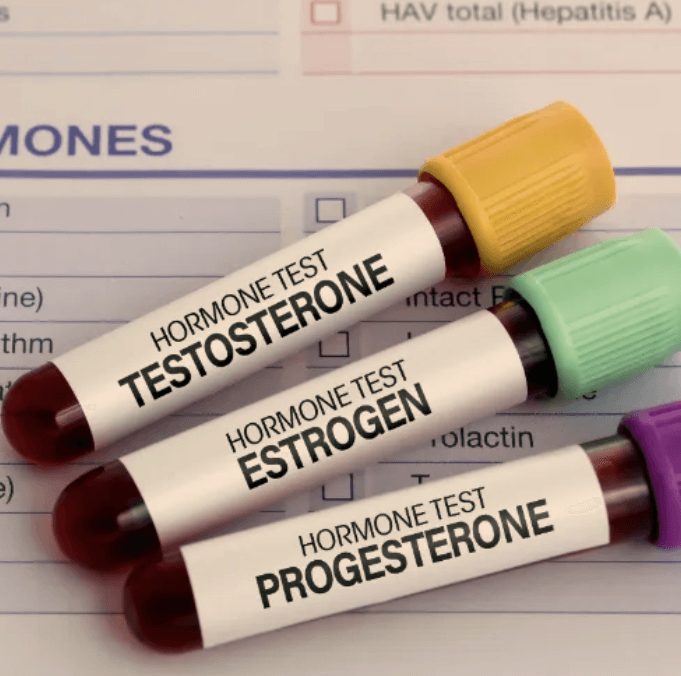
Think of it this way: a 4D scan is a beautiful snapshot in time. Monitoring your key pregnancy hormones, on the other hand, gives you a biological update on how everything is progressing behind the scenes. Hormones like oestrogen and progesterone are the absolute foundations of a healthy pregnancy, and keeping an eye on them offers another welcome layer of peace of mind.
Putting together different sources of information is incredibly empowering, helping you feel more confident and in control. This is all about matching the sheer joy of a 4D scan with some practical health monitoring.
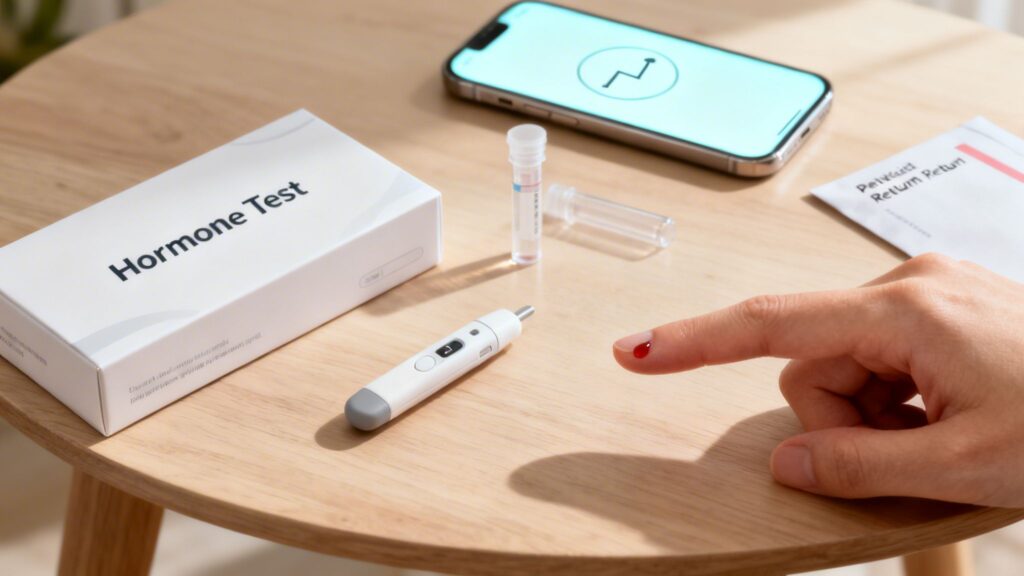
For instance, our at-home Female Hormone Tests for oestrogen and progesterone let you track these vital levels right from the comfort and privacy of your own home. This gives you valuable knowledge from the early days of conception right through your pregnancy, helping you build a more complete health story. You can get a better idea of what to expect by reading our guide on how long pregnancy blood test results take.
Actionable Insight: By combining visual milestones like a 4D scan with biological insights from hormone testing, you create a complete and confident health narrative on your path to parenthood. This approach puts you at the centre of your own care.
After the magic of your 4D scan, you might want to find other ways to document this precious time. Many parents-to-be find that capturing professional photos is another wonderful way to create memories that will last a lifetime. For some beautiful inspiration, you could look into luxury maternity photography packages to capture timeless images of your bump and your journey.
Ultimately, knowing the best time for a 4D scan is about capturing a perfect moment, but your wider journey is about feeling informed and connected. Every piece of knowledge, whether it’s a scan photo or a test result, helps you feel more prepared for the incredible adventure ahead.
Figuring out the best time for a 4D scan is one thing, but it’s completely normal to have other questions swirling around as you get ready for this special appointment. To help put your mind at ease, we’ve pulled together some straightforward answers to the most common concerns.
This way, you can book your scan feeling confident and know exactly what to expect.
This is usually the very first question parents-to-be ask, and the answer is a reassuring one. A 4D scan uses the exact same ultrasound technology—sound waves—as your standard 2D NHS scans. There's no invasive procedure involved.
When a qualified sonographer performs the scan, it's considered very safe for both you and your baby. These scans are purely for bonding and keepsake purposes; they are not medical or diagnostic and there's no evidence they pose any harm.
Don't worry, this happens all the time! Babies have their own ideas and sometimes they’re just feeling a bit shy. Sonographers are pros at gently encouraging your little one to shift into a better position.
They might suggest you take a short walk, have a cold, sugary drink, or simply try lying on your side. These little tricks often work wonders to coax your baby into a picture-perfect pose.
Actionable Insight: Most reputable UK clinics understand that babies don't always cooperate. That's why they will usually offer a free rescan appointment on another day if a clear view of the face isn’t possible on your first try. Always check this policy when you book.
This is a really important point: no, it does not. Your 4D scan is an elective experience, designed purely for bonding and creating beautiful memories. It is never a substitute for the vital medical scans you have with the NHS.
Your 20-week anomaly scan, in particular, is crucial for checking your baby’s health and development. Think of your 4D scan as a wonderful extra, but your scheduled medical appointments must always come first.
For more information on looking after your well-being throughout your pregnancy, you can find other helpful guides on general women's health.
At Repose Healthcare, we believe in empowering you with knowledge at every stage of your health journey. From understanding key milestones like a 4D scan to monitoring your health from home, we provide the tools you need to feel confident and informed. Explore our range of at-home health tests at https://reposehealthcare.co.uk.