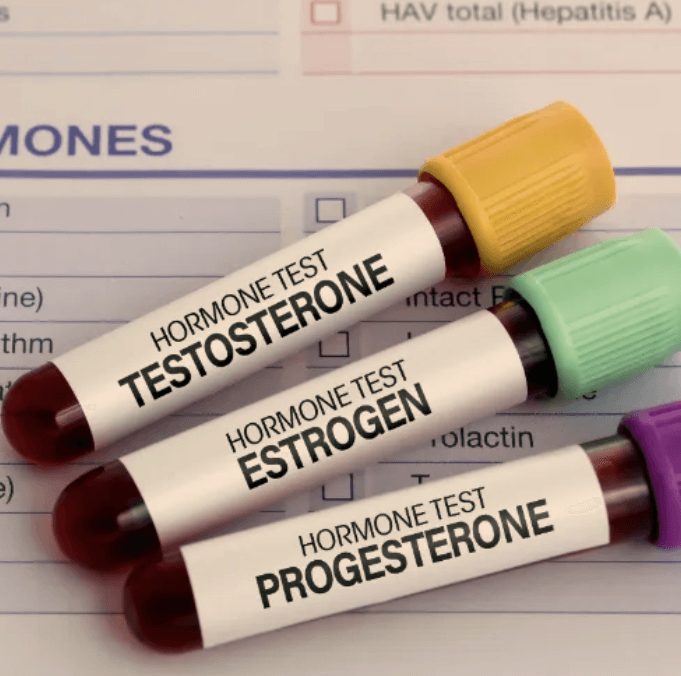
At some point or another, most people will experience their doctor asking for a routine blood test. This may make you worry, especially if you are unsure what might show up in the results.
Knowing about these kinds of tests alleviates some of that fear. So, keep reading to learn exactly what will show up in a routine blood test, whether you are doing a full blood count, a lipid panel, a kidney function test, or a thyroid function test.
A routine blood test is any common blood test ordered by a doctor. Rather than being used when patients show specific symptoms, they are usually simply a part of an annual physical check-up. So, even if you don’t show any signs of an illness, you are likely to still do a routine blood test to rule out any potential abnormalities or conditions.
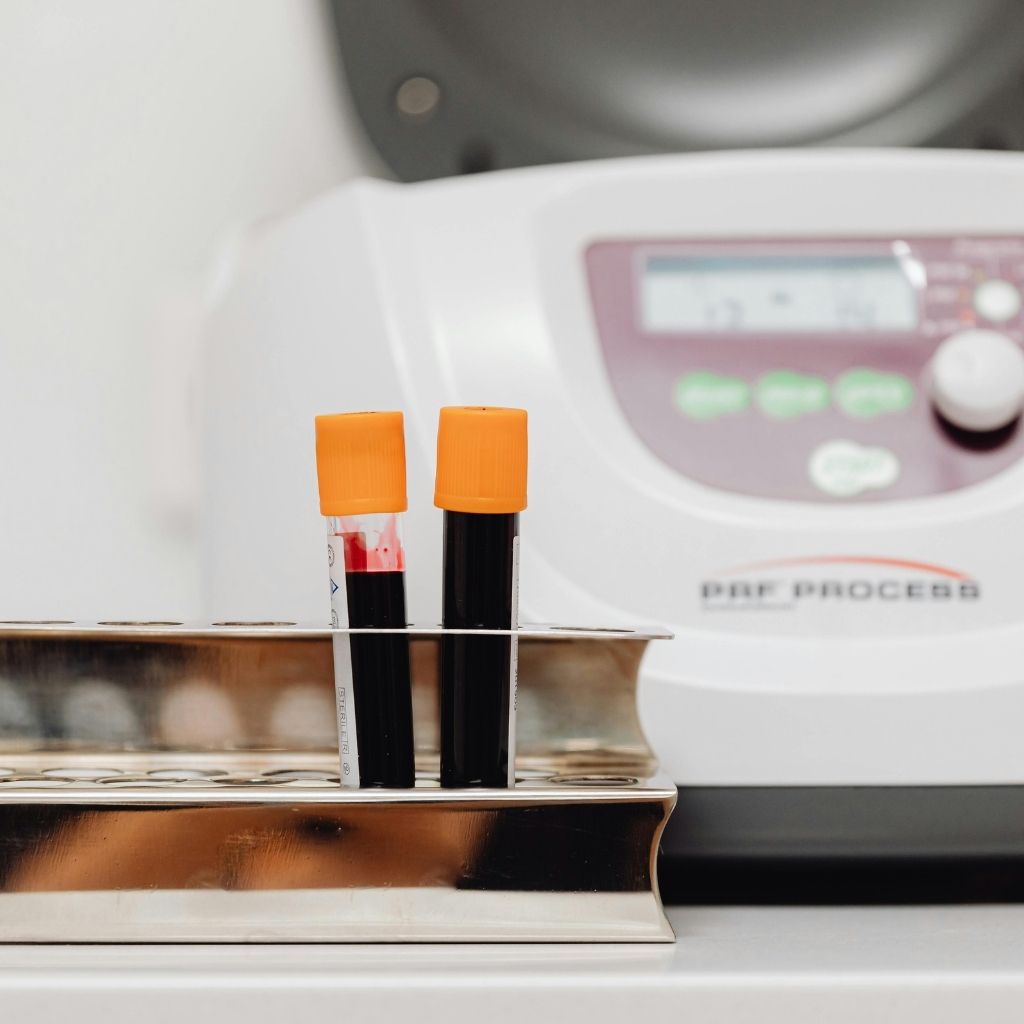
Blood tests work by looking at very small samples of the blood drawn from a vein. In the lab, they are analysed using various techniques, including microscopy, centrifugation, and molecular testing. The results are then analysed and interpreted to help diagnose conditions. When getting a routine blood test, the results typically come back within a few days, but there are certain scenarios, such as when seeking emergency medical care, where results are available faster.
Wondering what would show up in a routine blood test? There is not one single blood test that can rule out or diagnose everything – instead, there are different types that analyse the blood in specific ways, and we’ll go into each one here.
Used to help diagnose: Anaemia, infections, blood disorders, and vitamin deficiencies.
A full blood count test is a comprehensive and common blood test used to monitor your overall health. It measures a range of things in your blood, including your red blood cells, platelets, and white blood cells. As it’s such a widespread test, there are several conditions that an FBC can help diagnose, for example, if there is a high level of red blood cells, that could indicate lung disease or dehydration.
It is very common for doctors to ask for a full blood count for their patients, as it provides a lot of crucial information about the patient’s health, and it can investigate a wide range of symptoms, from fatigue to dizziness to sleep problems. For many patients, it’s simply a part of their routine check-up.
Used to help diagnose: High cholesterol, hypertriglyceridemia, risk of stroke, risk of heart attacks
A lipid profile test is a very common blood test that looks specifically for the levels of fat in your blood, such as cholesterol. The lipid panel will specifically show how much of each of these you have:
With these measurements, doctors are able to paint a clearer picture of your overall cardiovascular health, including whether you have high cholesterol and if you are at a higher risk of a heart attack or stroke. It can also be used to help diagnose certain conditions like hypertriglyceridemia.
It is common for doctors in the UK to order a lipid profile test for healthy adults over the age of forty as part of a routine screening, making it a common routine blood test.
Used to help diagnose: Chronic kidney disease, dehydration, electrolyte imbalances, and kidney injuries.
Another common routine blood test is the kidney function test. As the name suggests, this one is all about assessing how well your kidneys are functioning. The blood tests for kidney function include the blood urea nitrogen, which measures how much nitrogen you have in your blood. There’s also the estimated GFR, which looks at your kidneys’ filtration rates. Then, there’s the test that looks at how much creatinine is built up in the blood.
Kidney function tests are a standard part of routine blood tests for most adults over the age of forty.
Used to help diagnose: Hepatitis, liver cirrhosis, liver cancer, gallstones.
Liver function tests involve a group of blood tests that specifically look at things like proteins and enzymes in the blood, as well as any other substance related to the liver, such as bilirubin and albumin. All of these are used to assess your liver’s health. While they aren’t as commonly used in routine or annual health check-ups (they are typically ordered when a patient shows symptoms or is in a high-risk group), they can sometimes be ordered alongside other blood tests for a more thorough insight into the patient’s health.
Used to help diagnose: Type 1 diabetes, type 2 diabetes, and prediabetes.
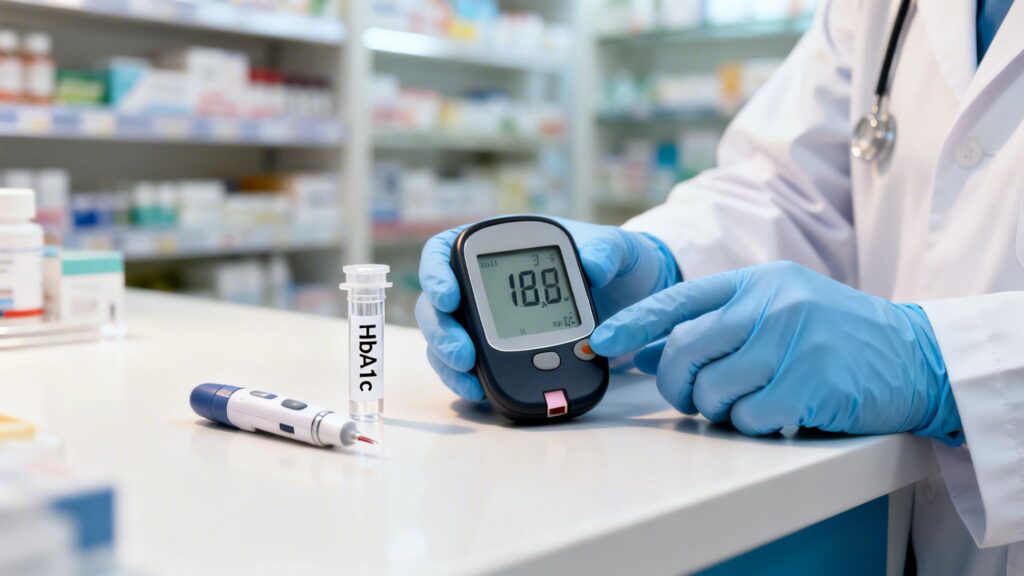
Blood glucose tests essentially measure the amount of glucose in the blood. It’s used to specifically look for signs of high or low blood sugar levels. This is primarily done to help diagnose type 1 and type 2 diabetes, and it can also show signs of prediabetes, helping people adjust their lifestyle sooner for better health.
Blood glucose tests are a common part of your routine blood test, especially for adults over the age of 35 (or younger adults who are in a high-risk group for diabetes).
Used to help diagnose: Hyperthyroidism, hypothyroidism.
Thyroid function tests include a panel of blood tests that measure:
A doctor will sometimes order thyroid function tests as part of a routine check-up, but they are more commonly asked for if a patient shows specific symptoms that could indicate hyperthyroidism or hypothyroidism.
Used to help diagnose: Kidney function problems, fluid imbalances, medication side effects, and heart conditions.
Finally, there’s the electrolyte panel, a very common type of blood test your doctor might order as part of a regular, routine check-up. This specific blood test looks at the chloride, sodium, potassium, and calcium levels in your blood.
These measurements are very helpful for doctors to know and assess, as a healthy balance of electrolytes is key to regulating muscle and nerve function, staying hydrated, managing blood pressure, and supporting the transportation of nutrients around the body.
A routine blood test is usually recommended for any adult, in high-risk groups or otherwise, over the age of forty. Once you reach this age, it’s a good idea to attend a routine appointment every one to two years.
Of course, if you begin showing symptoms of any kind, whether that’s persistent tiredness, nausea, sudden unexplained weight loss, or pain, it’s important to book an appointment with your GP sooner to figure out what is going on.
There are also individuals who may need to attend routine blood tests more regularly, such as those with chronic conditions (like diabetes) and individuals with a family history of serious conditions.
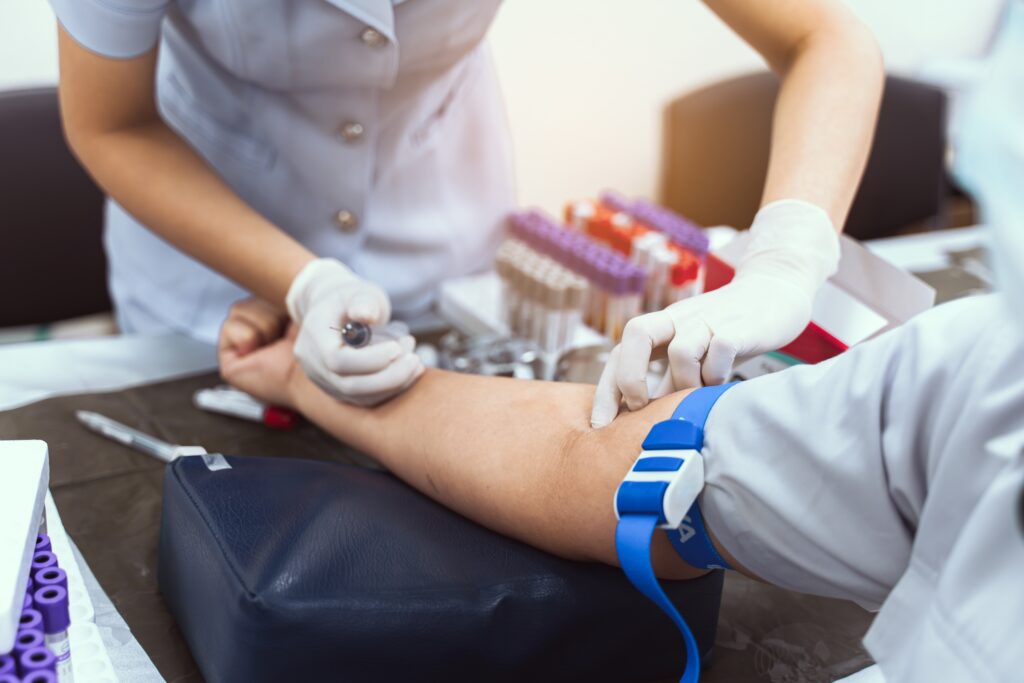
Do you have an upcoming blood test? You now know what would show up in a routine blood test, but it also helps to know each step of the process, especially if you have some fear of needles.
There are some routine blood tests that require some form of preparation, such as fasting. If you are undergoing lipid panel or glucose blood tests, you will need to avoid food and drink (other than water) for at least eight hours prior to your appointment. Your doctor should tell you exactly how long you need to fast for, so listen and follow their advice.
There are other things you can do to make your appointment go more smoothly. For example, wear comfortable, loose clothing that you can easily roll up for the blood test. You should also avoid any blood-thinning medication. It can help to drink plenty of water before the appointment, too, as being more hydrated will help make your veins more visible to the healthcare professional.
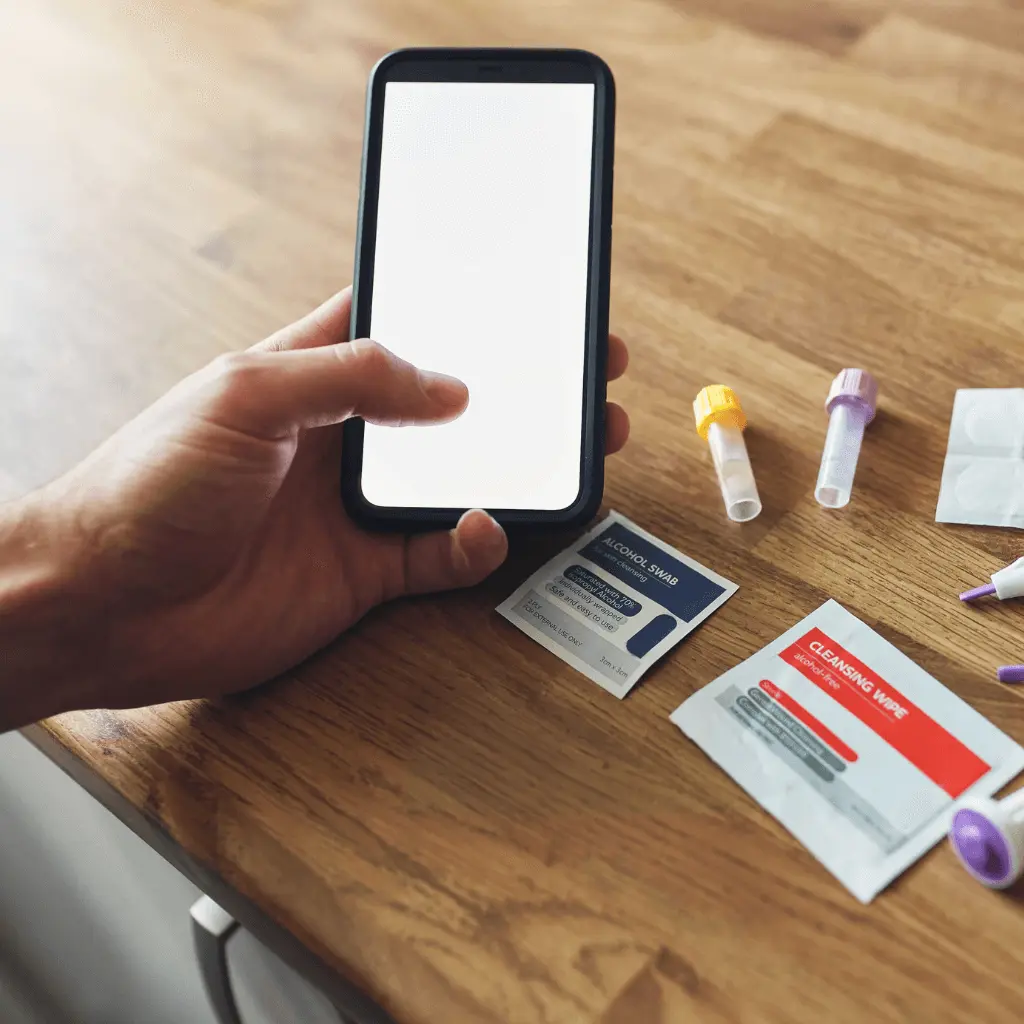
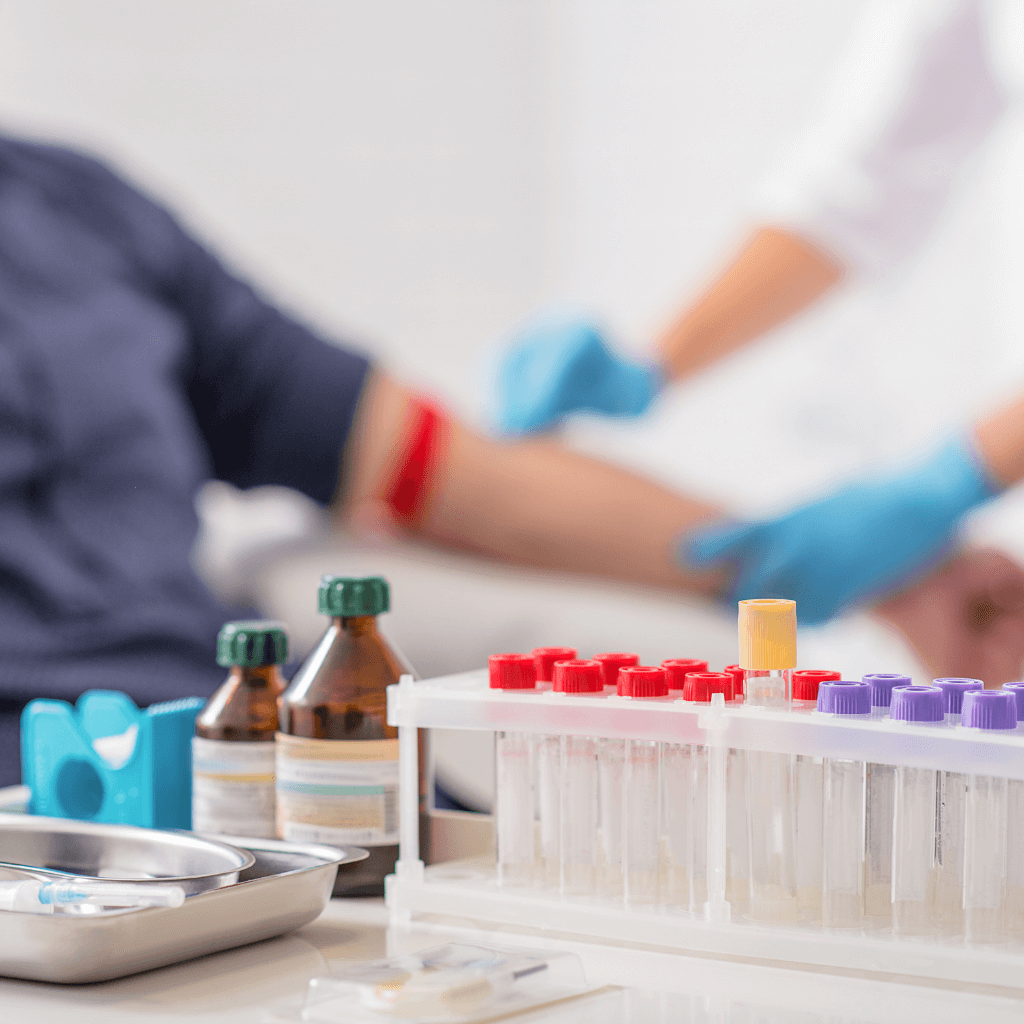
The doctor will ask you to sit in a chair, and there will likely be some questions beforehand. Just before the blood is taken, a staff member will apply a tight strap to your upper arm, as this helps the vein become more visible, making the blood test easier. An antiseptic wipe will then be used to clean the area where the needle will be inserted. Then, the needle will go into your arm, which will likely feel like a sharp prick, but should not be too painful. The procedure itself is very fast, with the blood being taken within a couple of minutes.
Once the blood has been taken, a plaster may be applied to the area to help stop any bleeding (although you might not bleed at all). You may experience some bruising or soreness around the area for a couple of days after the procedure, but this doesn’t affect everyone.
The results should be with you pretty quickly. You can usually request results in varying ways that might include receiving a text, email, posted letter, or phone call.
Are you somebody who worries about upcoming blood tests? That fear is quite normal; many healthy adults feel scared at the prospect of a needle taking blood. That should never prevent you from attending a routine check-up appointment and getting a blood test, though, as they shed light on your health and may catch a medical problem early, leading to better outcomes.
Yes, you can usually get all the routine blood tests done at once. This is a very efficient way of monitoring and checking on your health. If you are getting multiple blood tests in one single appointment, expect the phlebotomist to take several tubes of blood, which will take longer than a single blood test. Don’t worry, this is completely safe to do, and will be less than a single percent of your overall blood volume.
Depending on the results of your routine blood tests, your doctor may want to perform further medical tests to understand your health better and potentially reach a diagnosis. Some common follow-up tests after a routine blood test include:
Of course, not everyone will need a follow-up test, and the type of follow-up test you may need to do will depend on what your doctor is investigating based on what was discovered on the blood test. For example, if a liver function test showed abnormalities, the doctor may order an ultrasound to look at your liver.
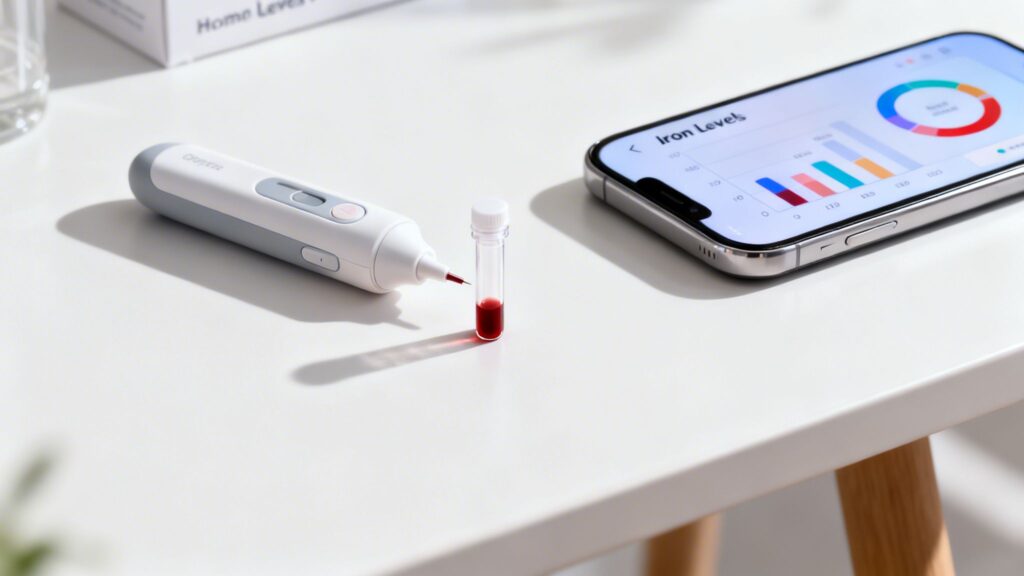
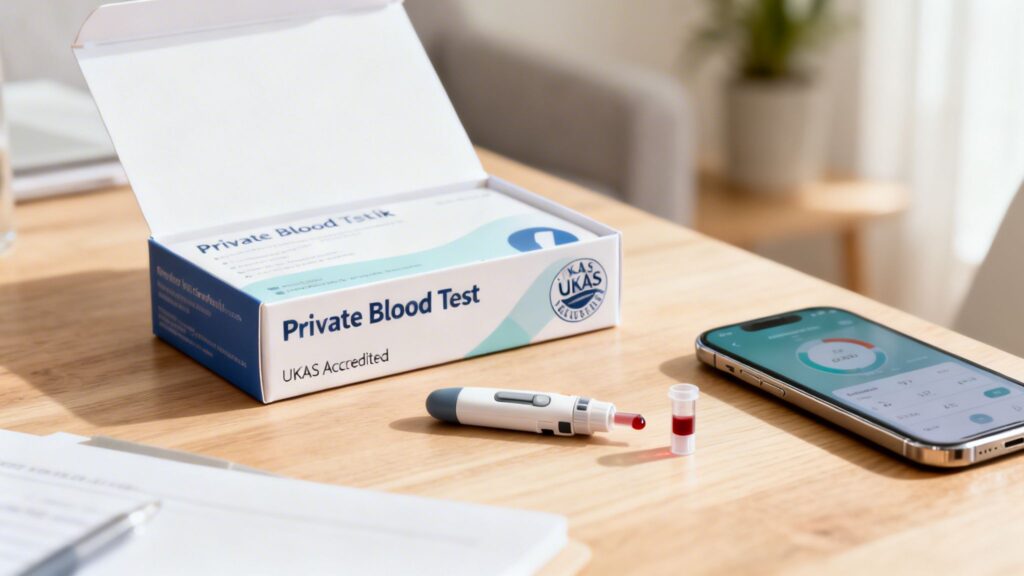
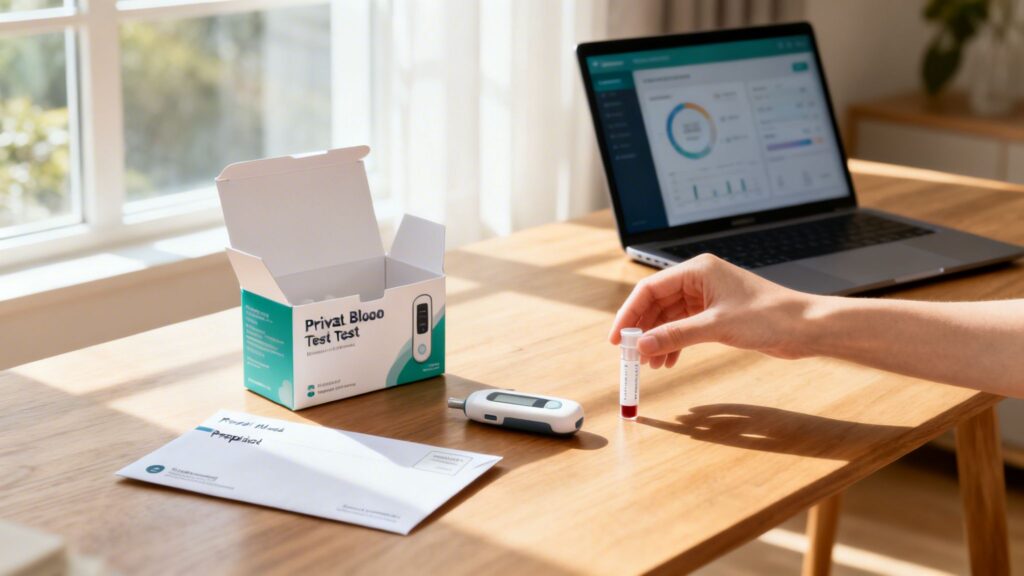
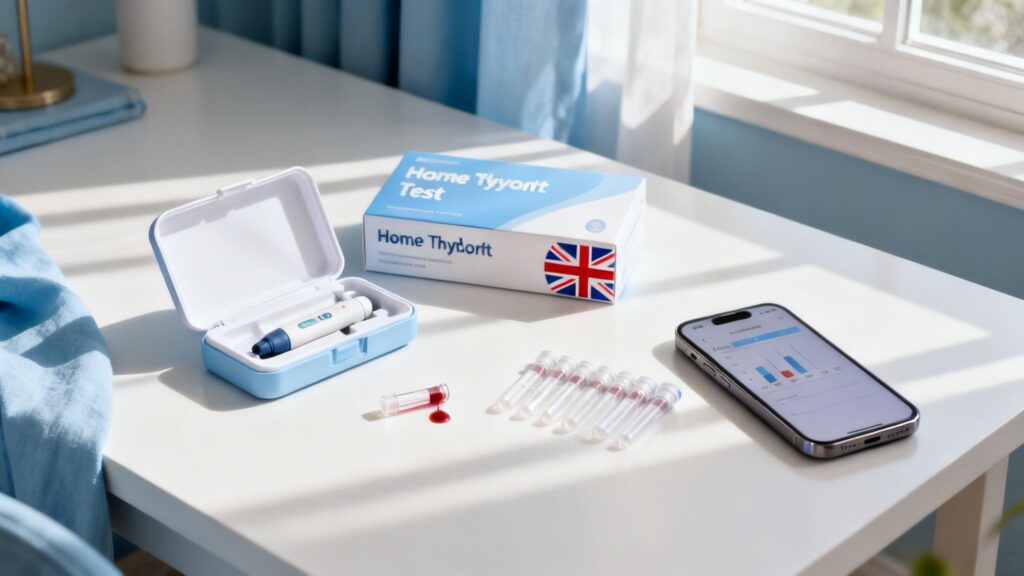
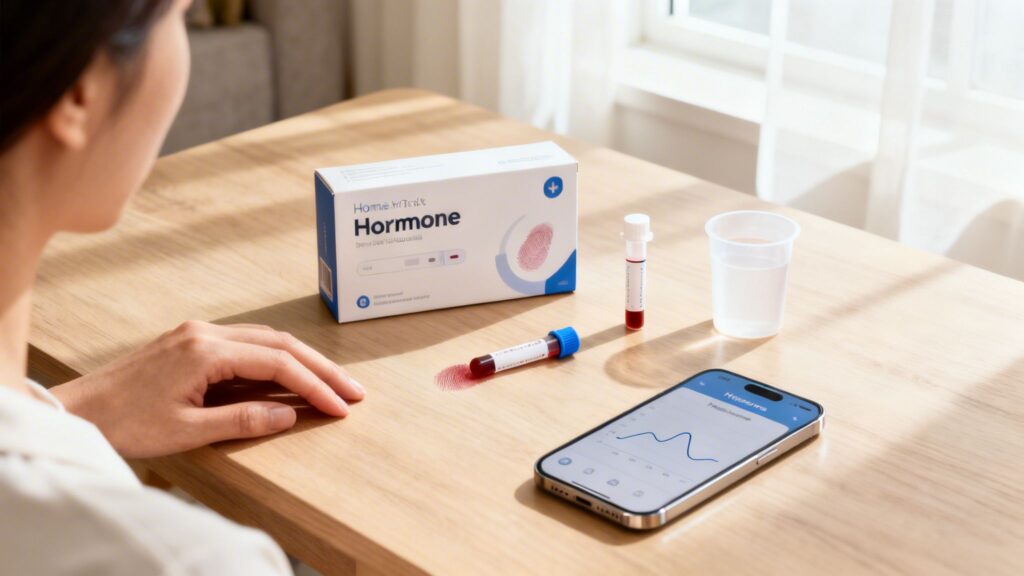
Yes, it is possible to perform a routine blood test from the comfort of your home. This is a great option for many adults, as it’s a convenient way to check on their health without having to schedule appointments.
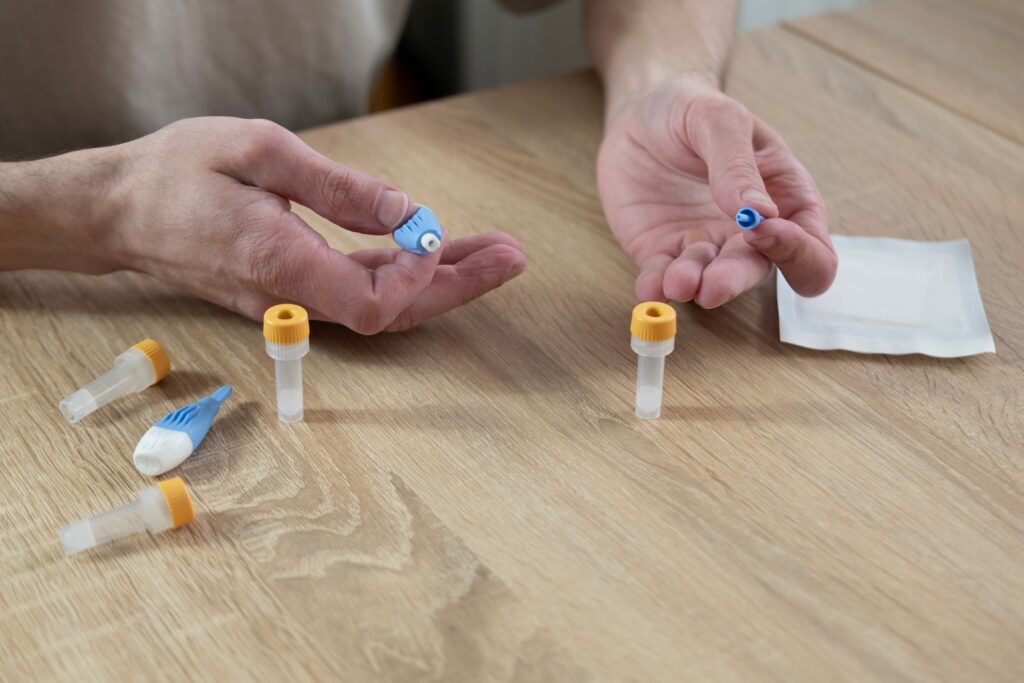
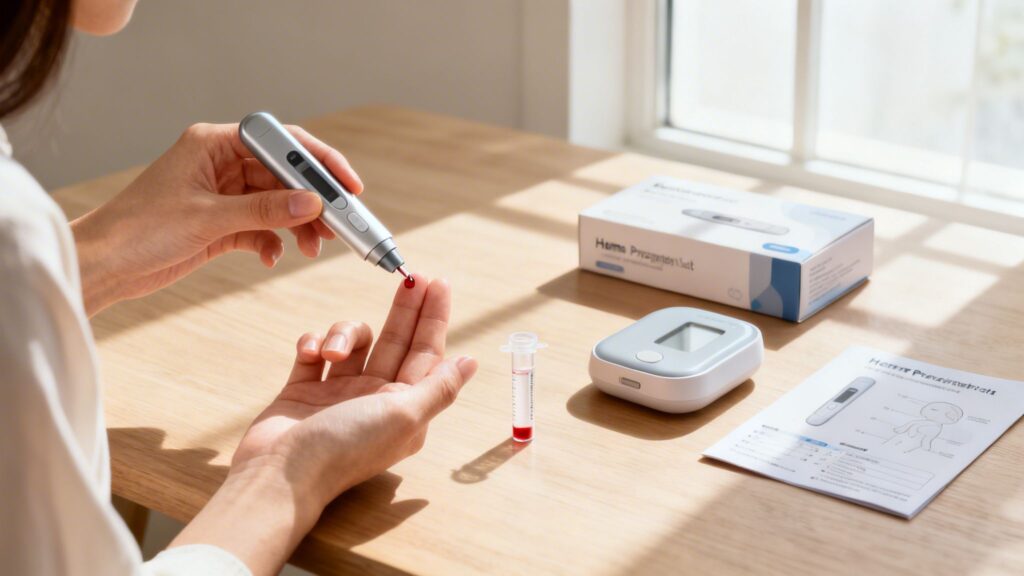
You can do this by purchasing at-home blood test kits. These kits involve a finger-prick test, which is when you prick your finger to take a sample of blood and then return it to the lab. The blood is then analysed in the same way as a standard blood test would be.
There are several types of at-home blood tests available here at Repose Healthcare, including a full blood count, calcium blood tests, and amylase blood tests. They are easy to use, provide accurate results, and can shed light on your health.
Routine blood tests are recommended for anyone over the age of forty. Some people may need to do them more regularly or get one sooner, especially if they have a family history of serious illness or are living with a chronic disease.
Routine blood tests are useful for understanding your health and can lead to a diagnosis. They can show signs of conditions like anaemia, liver disease, diabetes, and more.
If you are interested in learning more about your health, consider booking an appointment with your GP for a check-up. Alternatively, if you want more convenience, order one of our blood tests right here at Repose Healthcare.