Do you find yourself feeling cold more often than not? Perhaps you have noticed that other people seem to manage the cooler weather better than you do. If so, you should consider whether your cold sensitivity is due to a medical condition such as a vitamin deficiency.
Vitamin deficiencies can lead to an array of physical and mental symptoms, and the only real way to know what deficiency you have (if any) is by doing a test. However, it also helps to know exactly which vitamin deficiencies cause cold sensitivity so you know which ones to test for. That’s exactly what you will find out in this guide. Here, you will learn:
So, what deficiency causes cold hands and feet, or just feeling cold in general? If you are tired of feeling cold all the time, these are the deficiencies to test for.
Iron deficiencies are quite common, typically affecting menstruating women, younger children, people who follow strict diets, and those with gastrointestinal conditions like Crohn’s disease. An iron deficiency can cause cold hands and feet because the body needs iron to transfer oxygen around the blood. When the body cannot do this properly, there is reduced blood flow to the extremities, causing them to feel cold no matter the temperature in the room. Other symptoms of an iron deficiency include:
If you show any of these symptoms, an Iron Profile test will show you your iron levels, including whether you are low in iron and need to begin treatment.
A vitamin B12 deficiency has a serious impact on the body and occurs either when a person does not consume enough B12, or if their bodies cannot absorb B12 well enough due to a medical condition (such as Pernicious Anaemia or Crohn’s Disease).
The reason a B12 deficiency causes a feeling of coldness is that the red blood cells cannot transport enough oxygen around the body. This results in poor circulation and, in turn, cold hands and feet. There are a range of other vitamin B12 symptoms. If you show any of the following, a vitamin B12 blood test is a sensible step:
Vitamin D is an essential vitamin that people naturally absorb from the sun, but it’s also important to consume enough vitamin D through foods, as it is responsible for good bone health and a healthy immune system. When a person has a vitamin D deficiency, it impairs circulation, causing a heightened sensitivity to the cold. Other symptoms include:
Vitamin C deficiencies are particularly common in the winter when there isn’t as much sunlight. Due to this, many doctors recommend individuals take vitamin D supplements throughout the winter months.
Vitamin B9, or folate, is a vitamin responsible for cell renewal, DNA synthesis, and healthy red blood cells. A vitamin B9 deficiency can cause a range of unpleasant symptoms and can lead to megaloblastic anaemia, which is when fewer red blood cells are present to carry oxygen around the blood. Other symptoms of a vitamin B9 deficiency include:
Magnesium is an essential mineral that gets stored in the body’s bones and soft tissue and is responsible for good bone health, heart health, and muscle contractions. A magnesium deficiency can cause you to feel cold all the time, as it constricts the blood vessels, preventing good circulation. Other symptoms include:
Vitamin C, also referred to as ascorbic acid, is an essential vitamin that helps with tissue repair, immune system function, and cell protection. Most people get enough vitamin C naturally through their diet, so a deficiency is uncommon, but it is still possible if you don’t eat a well-balanced diet. It can cause a range of symptoms, including feeling cold all the time, as vitamin C is responsible for regulating body temperature. Other symptoms are:
Now that we have answered the question, “what vitamin deficiency causes you to feel cold?”, you might wonder, why do these vitamin deficiencies cause cold sensitivity in the first place?
For most of the deficiencies, the biological reason is actually the same, and it’s all to do with the presence (or lack of) healthy red blood cells. Many of these deficiencies cause fewer healthy red blood cells in the body, which are responsible for transporting oxygen around the body. This leads to poor blood circulation, making a person’s hands and feet more sensitive to the cold overall.
Yes, if your cold sensitivity is caused by a vitamin deficiency, then treating that deficiency will help regulate your body temperature. As a result, you’ll be able to manage the cold better. Sometimes it takes a few weeks or even months for symptoms to improve after starting vitamin supplements or injections, so try to be patient.

Are you struggling with cold sensitivity? It can be even worse to manage during the colder months, so here are some tips on managing it.
Without a doubt, the best way to manage cold sensitivity when you have a deficiency is actually treating that deficiency. The treatment will depend on the deficiency you have and its severity. It might involve getting injections every couple of months or taking a daily supplement.
If you’re trying to stay warm, it’s better to wear multiple layers rather than one thick piece of clothing. This will help keep the heat in.
For cold hands, hand warmers work very well. They are small, light, and easier to carry around with you everywhere you go. So, if you suffer from cold hands while you’re working in an office, you can have some hand warmers by your side.
Exercise improves circulation. In turn, this helps you stay warm. So, incorporate more exercise into your day, whether that’s going for a walk or spending an hour working out at the gym.
If you often feel cold at home, you can help with this by insulating the space. Keep the windows shut, block any drafts, and use thick curtains. This will help keep the heat in and, in turn, keep your body warmer. Try to keep the temperature above 18 °C in your home for your health.
Are you wondering how to test for B12 deficiency? Maybe you need to test your iron or B9 levels.
If you think that a vitamin deficiency is the root cause of your cold sensitivity, then it only makes sense that you find out for sure. While you can purchase vitamins from supermarkets and pharmacies without knowing what deficiency you have, it’s a lot like a shot in the dark. Plus, you may end up taking more of a vitamin/mineral than you need, potentially causing more problems. For example, taking too much zinc can lead to symptoms such as nausea, headaches, and vomiting.
Testing first is always the way to go. If you know with certainty what deficiency you have (if any), you can then take a more targeted supplement that will help your vitamin levels return to normal, in turn reducing unpleasant symptoms like being cold all of the time.
The good news is that checking for a vitamin deficiency is very easy, and there are a few ways to do it.
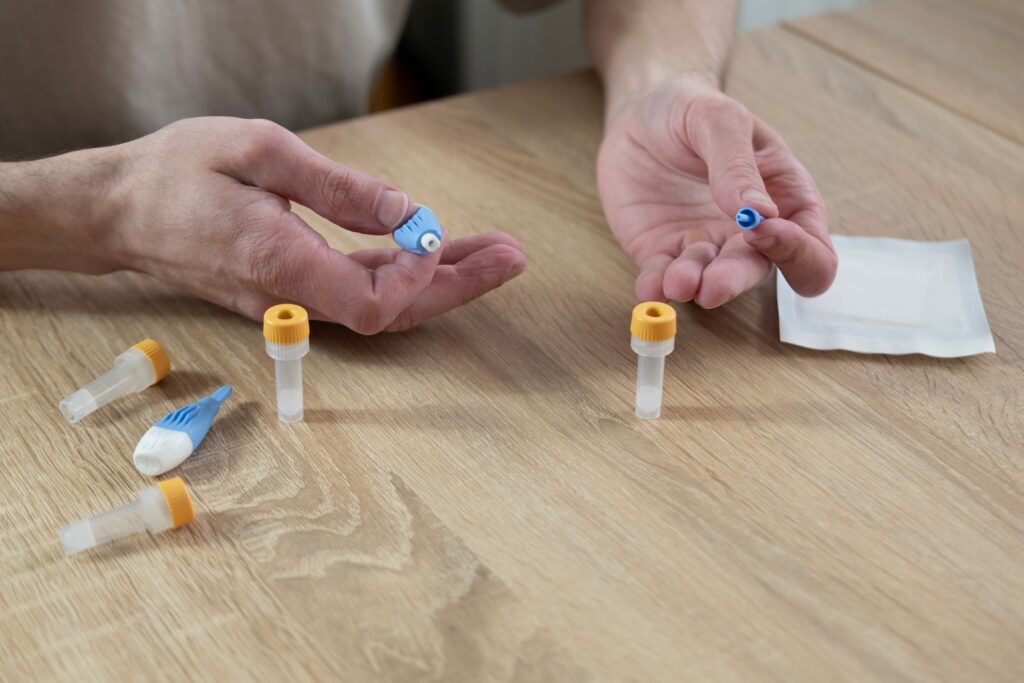
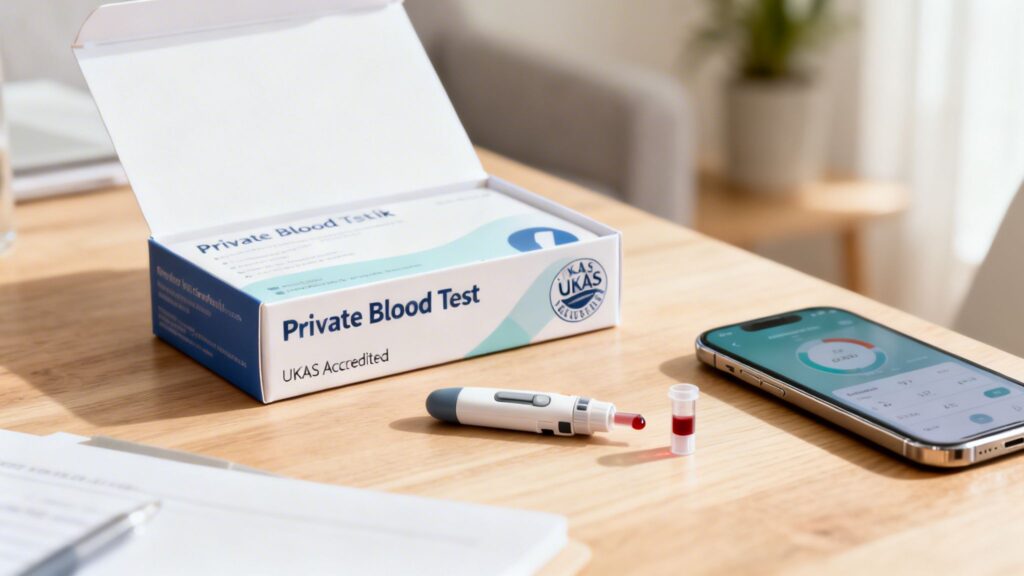
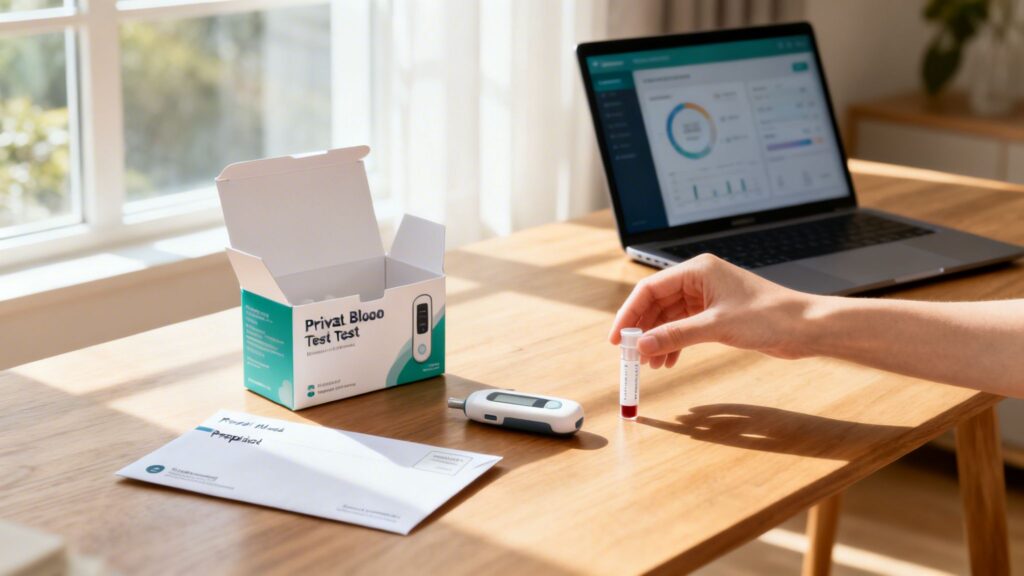
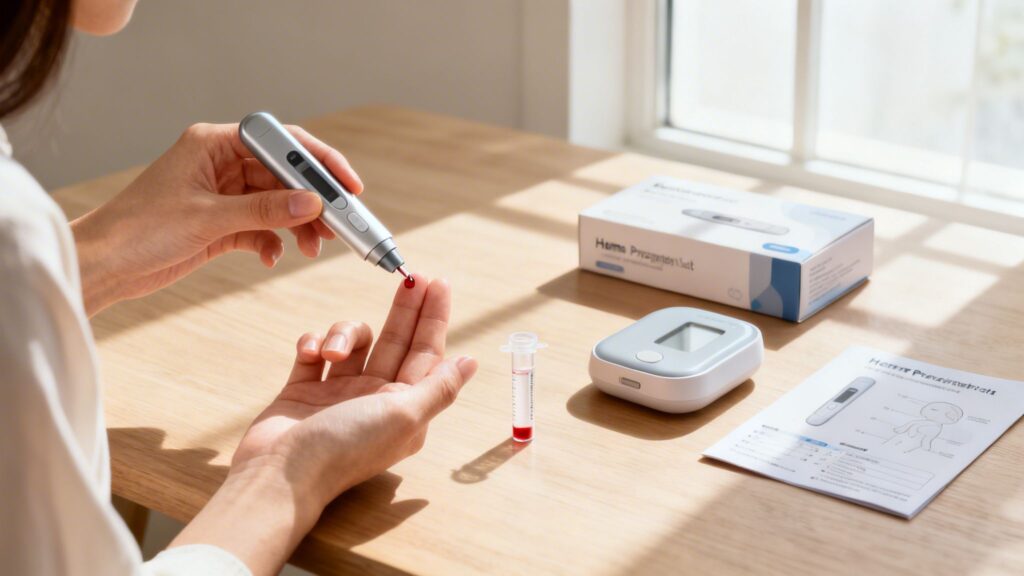
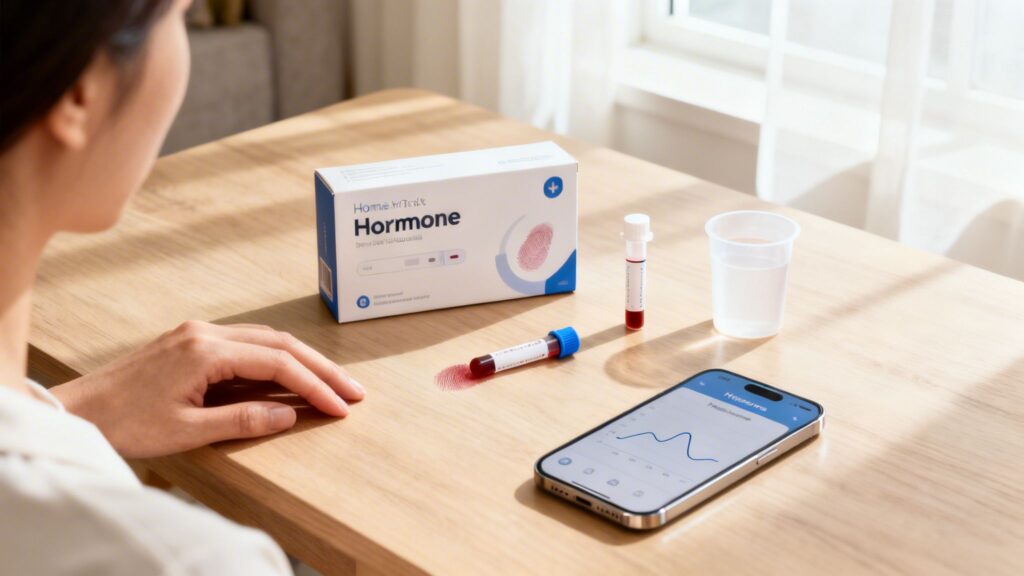
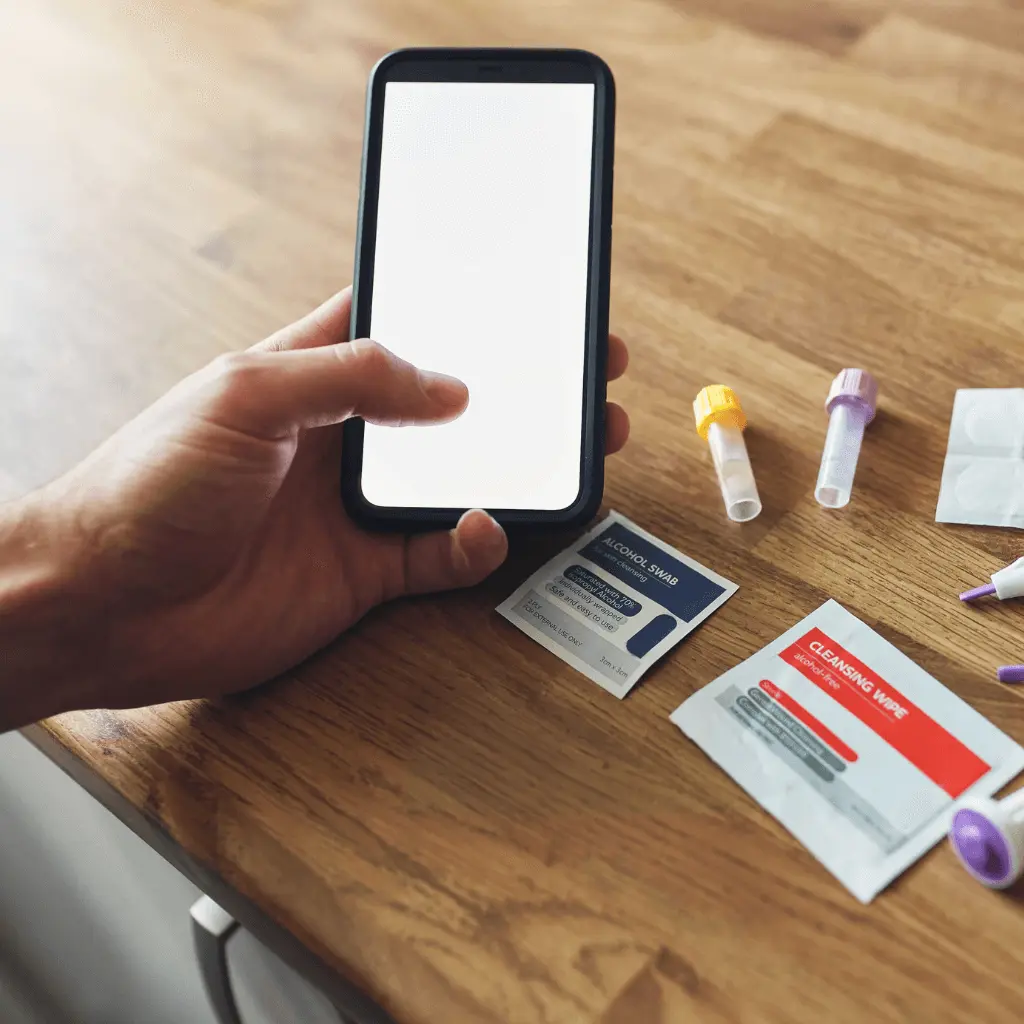
The easiest way to check for a vitamin deficiency is to do it at home. At Repose Healthcare, we have a range of vitamin deficiency test kits you can get sent straight to your address. Simply order the appropriate at home test kit, follow the instructions (for example, taking some blood from your finger with a finger prick kit), and then send it back to the lab. You will be able to view your results online after a few days.
Another option is getting your bloodwork done at the doctor’s. You may feel more comfortable with this if you have the time and if you are showing severe symptoms. They will perform tests similar to at-home tests, and then you will attend a follow-up appointment if anything in the results indicates a deficiency.
Whichever method you choose, it’s important to seek treatment if you have a deficiency. It’s not just about feeling cold all the time; some deficiencies can cause serious damage to your health. For example, a B12 deficiency can cause neurological damage if not treated.
If you have already looked into how to find out if you have a vitamin deficiency and have found out you don’t actually have a deficiency, you might wonder why you still feel cold all the time. There are several potential causes to be aware of, some more serious than others.
There is a very simple reason you might feel cold all of the time, something that has nothing to do with any vitamin levels: because the place you are in is simply a cold space. The ideal indoor temperature is between 18°C and 22°C. So, if you are in a home that is under 18°C consistently, you might feel it. In this case, it’s important to try to elevate the temperature, whether that’s by eliminating drafts, turning up the heating during colder days, or investing in thicker curtains.
Not having enough body fat can make you more sensitive to the cold. Fat acts as your body’s natural insulator, so when you don’t have as much, your body struggles to stay warm.
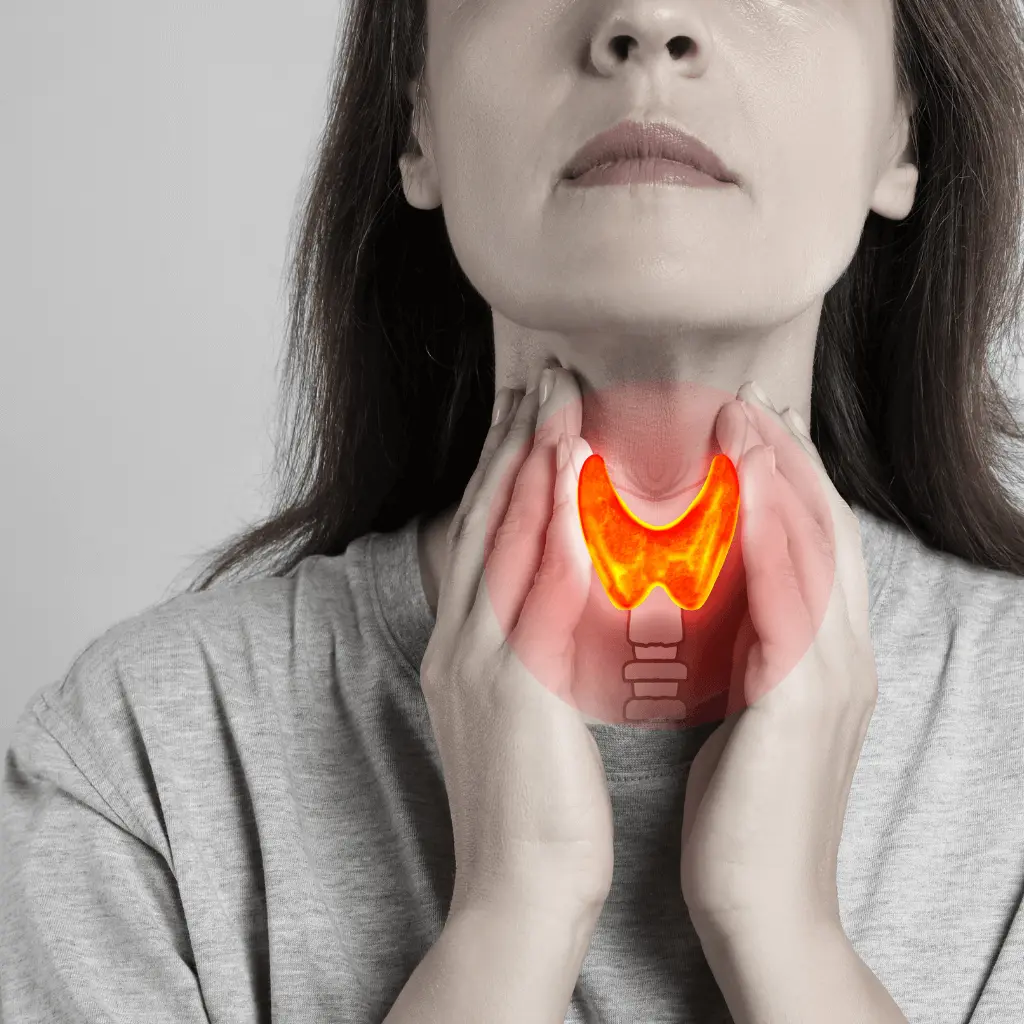
Hypothyroidism is an autoimmune condition caused by an underactive thyroid gland. One of the most common symptoms is a low body temperature, which occurs because of a slowed metabolism. Other symptoms include general tiredness, mental health problems, dry and thinning hair, and a puffy face.
Certain cardiovascular conditions can also cause a lower-than-ordinary body temperature. This is typically due to constricted blood vessels and poor circulation, making it harder for the body to stay warm.
Are you unsure whether it is worth taking the time to check for a vitamin deficiency? If you have any suspicion that you have a deficiency, it’s best to check, as it could cause worse problems down the line. If any of the following apply, ordering an at home test is a good idea.
Anybody who shows symptoms of a vitamin deficiency should seek out a test. Of course, be aware that different vitamin deficiencies exhibit unique symptoms, although there is some crossover. For example, common symptoms of some vitamin deficiencies include fatigue, weakness, body pains, cold sensitivity, thinning hair, and pale skin.
Some people are more likely to experience a deficiency compared to others. For example, older people cannot absorb vitamin B12 as well as younger people, so it makes sense for them to check their B12 levels more regularly, especially if they also show symptoms.
Of course, you can check your vitamin levels even if you just have a niggling feeling you might have a deficiency. It is better to know sooner rather than later. Plus, at home test kits make the process refreshingly straightforward and convenient.
Feeling cold all the time is not something you should have to put up with. More often than not, there is a reason behind it that you can fix, and that may just be a vitamin deficiency.
So, if you do have cold sensitivity, it makes sense to check your vitamin B12, B9, C, and D levels, as well as your iron and magnesium levels, as deficiencies in all of these can cause you to feel cold all of the time. Then, if you do have a deficiency, you can take the next steps towards treating it. Not only will this help you combat feeling cold, but it will likely help with other symptoms you may not have noticed, such as fatigue or brain fog.
If you want a simple and convenient way to check your vitamin levels, order one of our deficiency tests online. With this service, you can check your levels from the comfort of your own home and access results from your phone or computer.