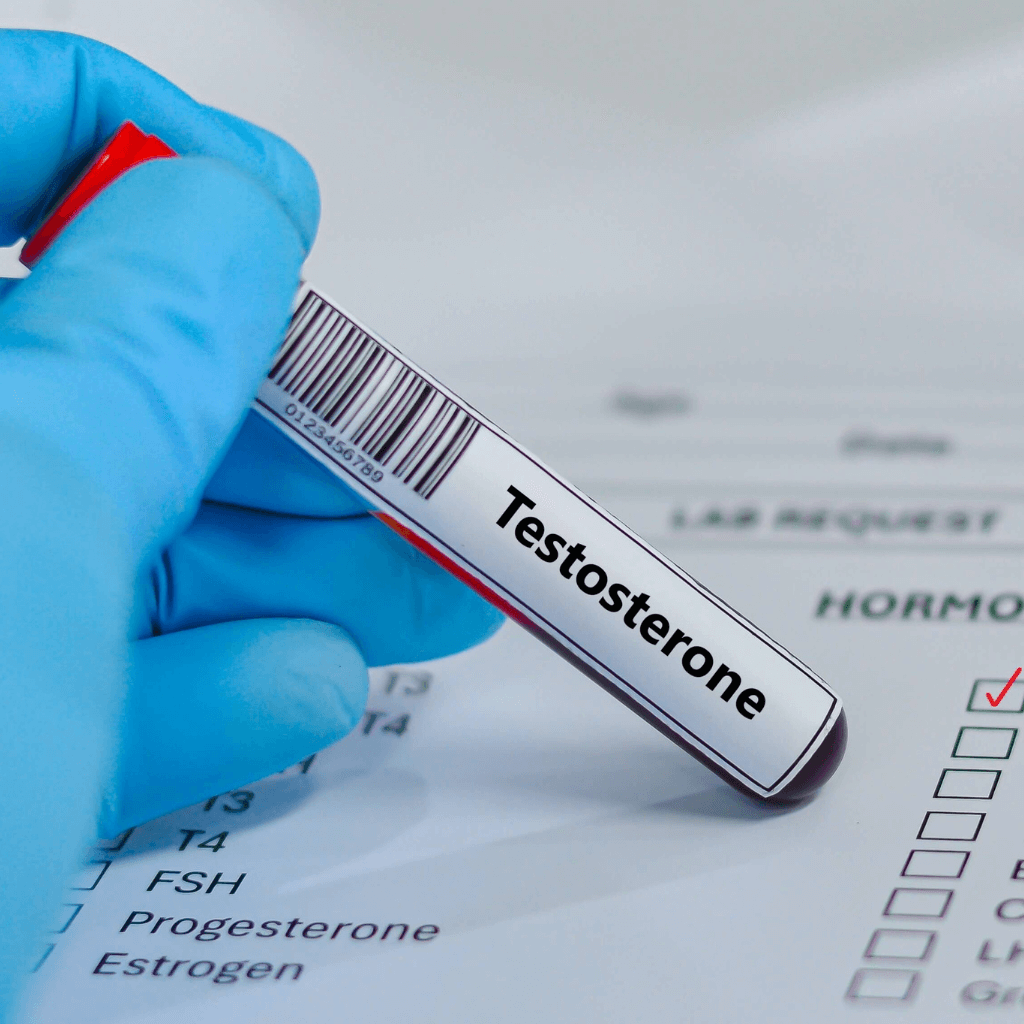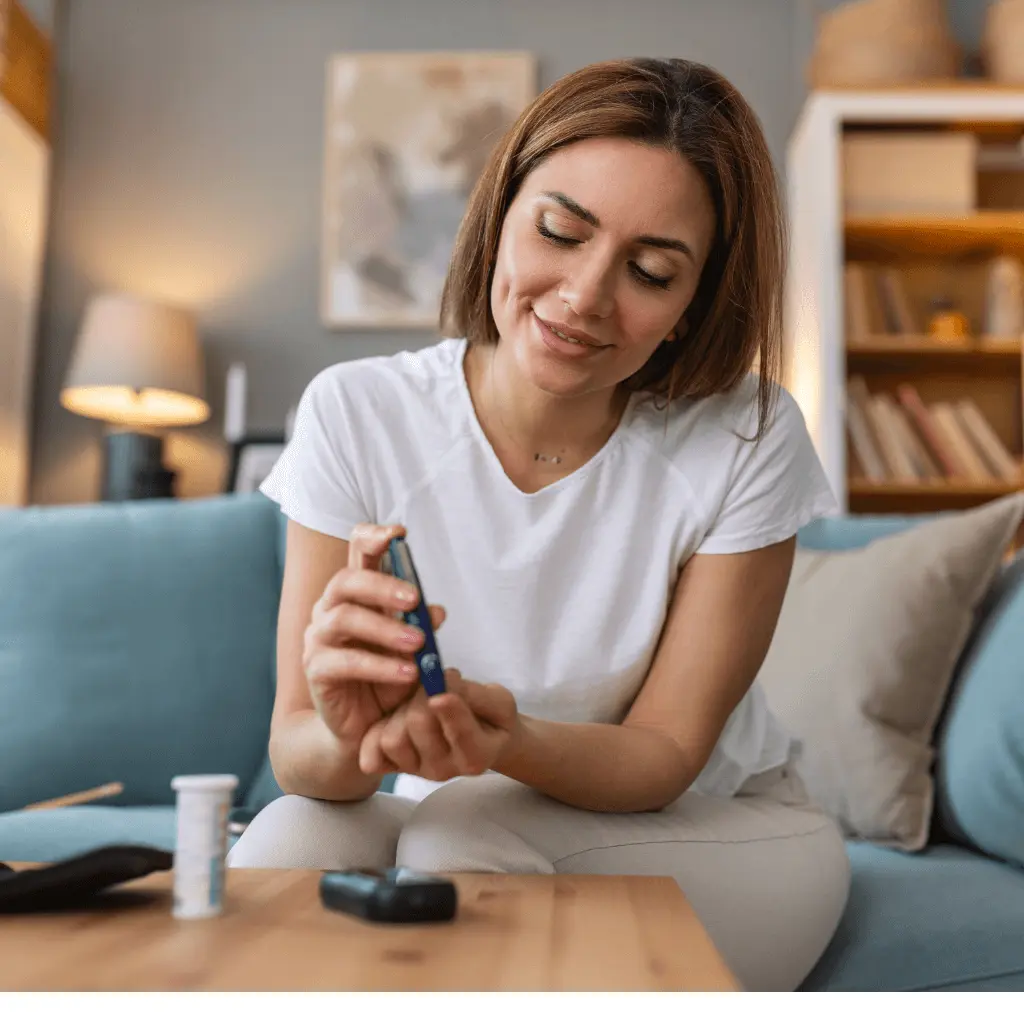
Your hormone levels, including your oestrogen levels during the day, fluctuate. It helps to keep track of this, especially if you want to know your oestrogen daily cycle for fertility, are on HRT, are trying to understand symptoms, or are about to have a hormone blood test.
For most people, oestrogen levels are at their highest in the early morning, with levels slowly dropping throughout the rest of the day. However, this changes across the menstrual cycle. In this article, learn more about oestrogen circadian rhythms and how this may affect blood test timing. At-home testing can be particularly helpful when choosing the best time of day for oestrogen blood tests, as you aren’t reliant on particular in-clinic appointments and can check your levels at the particular time you want to. Keep in mind, though, that any results will need to be interpreted by a medical professional!
So, what is oestrogen? Here, we’ll go into oestrogen levels explained, as well as what it does and where it comes from.
Oestrogen is a group of female sex hormones present in women, men, and people on gender-affirming hormones, and it is produced in the ovaries, adrenal glands, and fat tissue (particularly after menopause). The types of oestrogen include oestradiol, estrone, and estriol, with oestradiol (E2) being the main form of premenopausal oestrogen. Oestrogen’s function in the body is very important; there’s a clear link between oestrogen and menstrual cycle, for example. It also plays a key role in fertility, bone health, brain health, mood, heart, and skin.
Yes – the time of day does matter. This is because of the circadian rhythm of hormones, which means that they gently follow a 24-hour pattern. So, what time of day is oestrogen highest?
The circadian rhythm of oestradiol is a diurnal rhythm, which means that it starts with an early morning peak with small pulses throughout the day, with a gradual decline towards evening. So, oestrogen levels morning vs evening may be slightly different (high in the morning and lower in the evening). However, the diurnal variation oestrogen isn’t as dramatic as with hormones like cortisol or testosterone. Plus, in postmenopausal women or people on HRT, the variation is even smaller. Monthly Pattern – When Is Oestrogen Highest in the Menstrual Cycle?
First, it is important to note that the cycle day matters far more than the time of day, as oestrogen only rises and falls slightly throughout the day, but there can be a dramatic change throughout the menstrual cycle.
Follicular phase oestrogen is when it starts to rise, with oestrogen peak ovulation occurring just before ovulation. This ovulation oestrogen surge then dips afterwards, before having a second rise in the luteal phase.
So, to put it clearly: across a typical 28-day cycle, oestrogen is typically the highest on the few days leading up to ovulation. However, be aware that if someone is on the contraceptive pill, or on HRT, or has irregular cycles, the pattern of oestrogen rising and falling could be quite different.
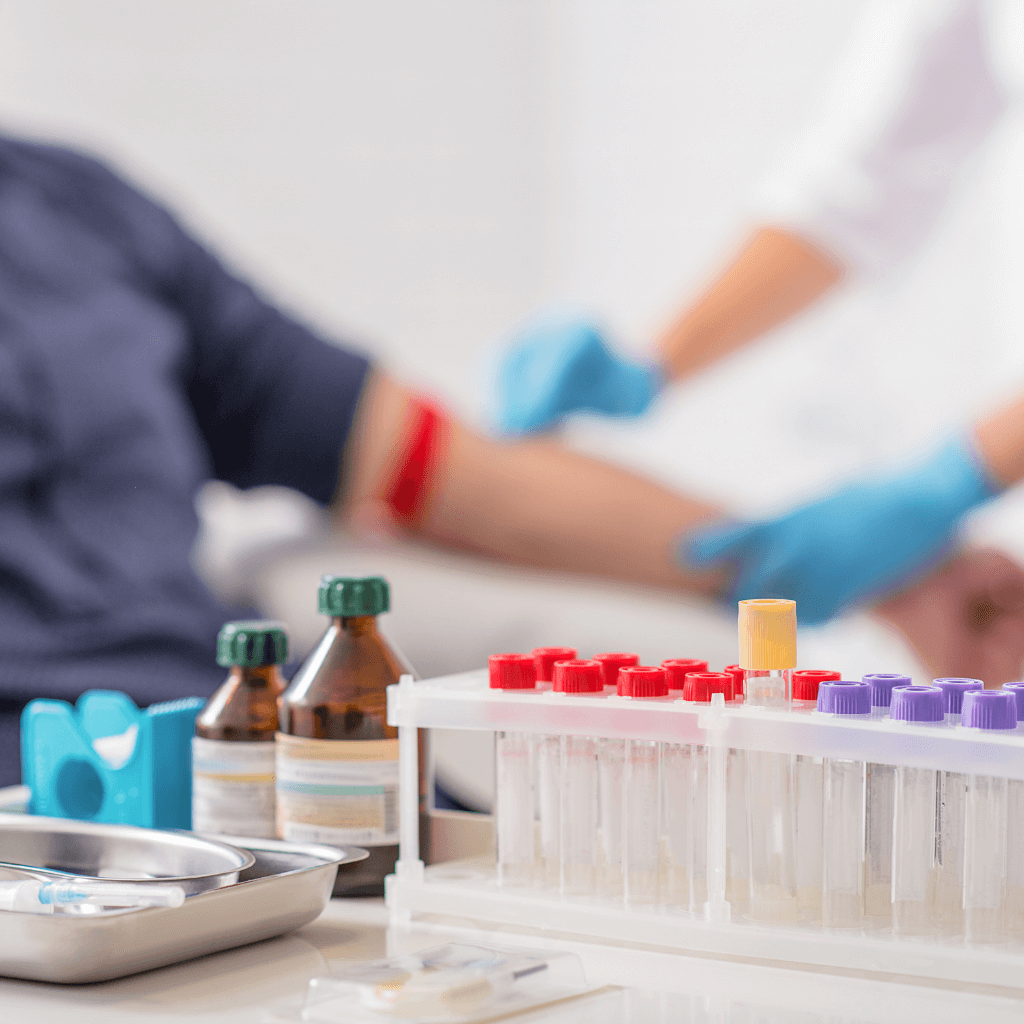
For most routine blood tests, there is no best time of day for oestrogen blood test – an oestrogen blood test morning or afternoon is fine. However, you should always test the oestrogen levels at the same time each day. So, if you choose to do it in the morning, be consistent with that; likewise, if you choose the evening, always measure oestrogen levels in the evening. Timing hormone blood tests matters for consistency!
What you really should think about is the cycle day and your answer to clinical questions. For example, there’s a difference if you decide to do fasting and hormone testing. What doctors mainly care about is your fertility, ovulation, and menstrual issues. Plus, time of day is even less important if testing oestrogen levels during menopause or while taking hormone replacement therapy.
If your doctor hasn’t given specific instructions, a morning sample between around 7–11 am is a reasonable default and is consistent with many hormone-testing recommendations, so aim for that!
You may wonder, what affects oestrogen levels during the day? These are the oestrogen levels explained.
As you can see, many things can impact the pattern. As such, it’s important to realise that a single blood test is just a snapshot. If you want to truly understand your oestrogen levels and hormonal health, you need to interpret your blood tests alongside symptoms and context – preferably with a medical professional.

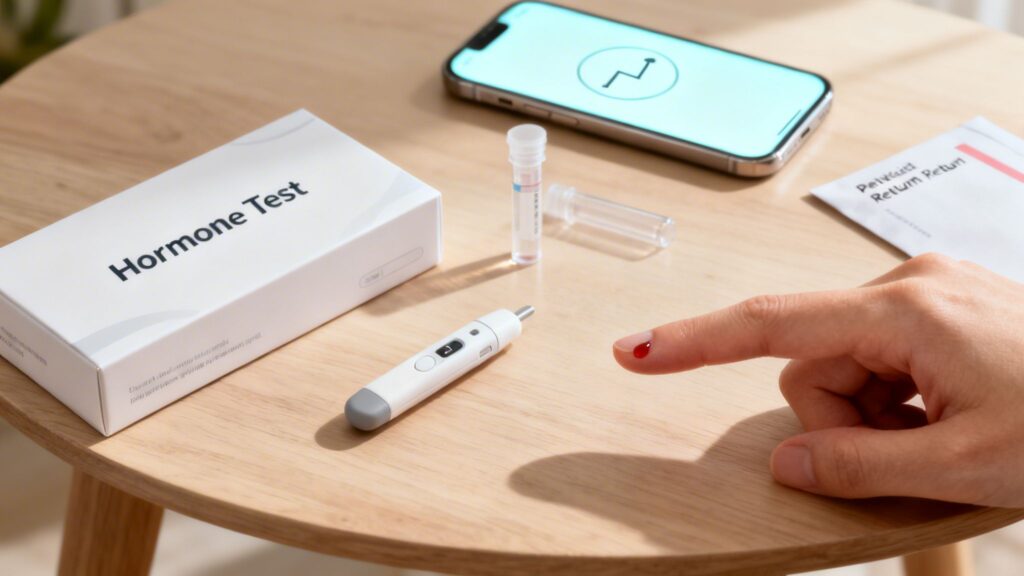
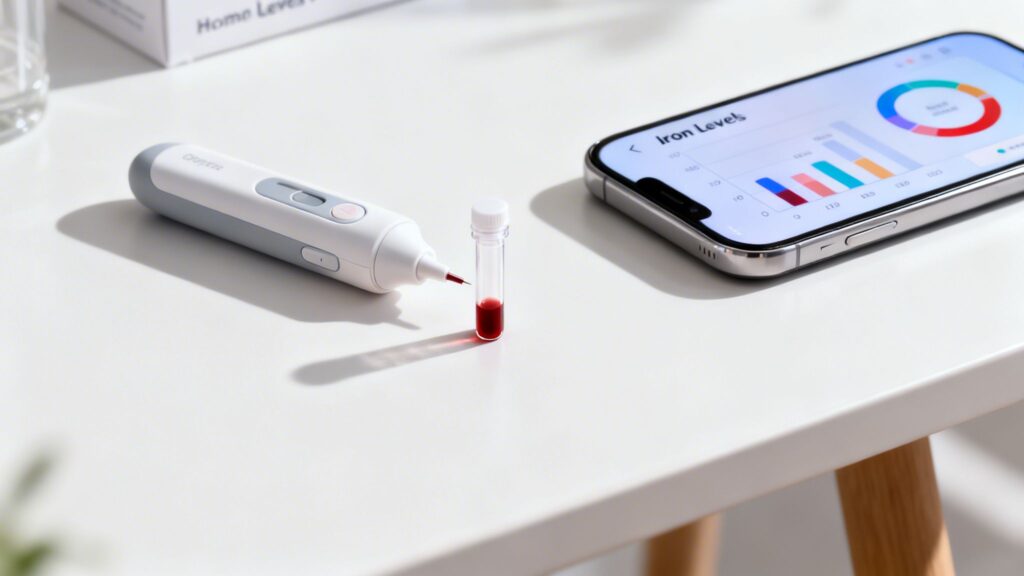
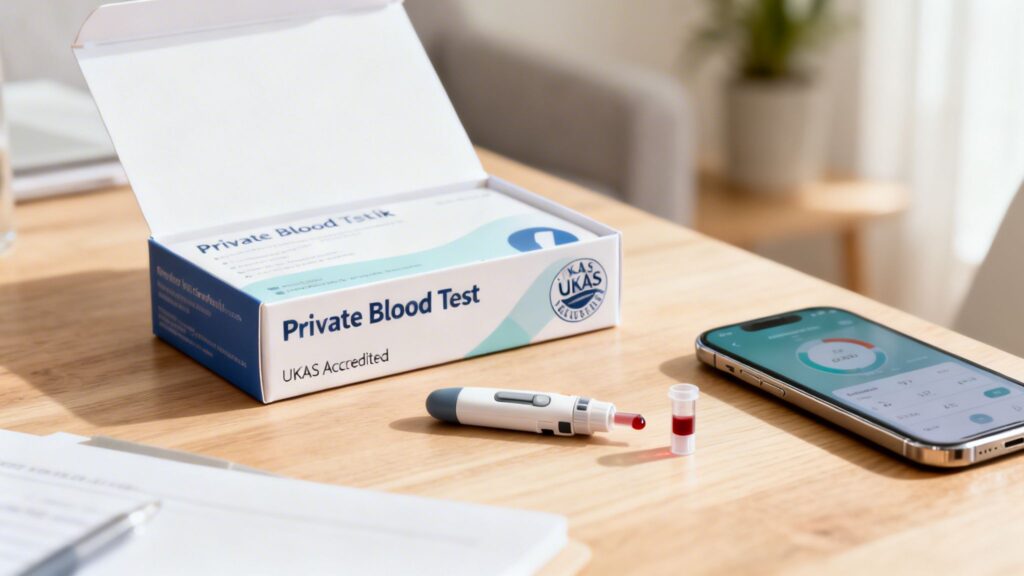
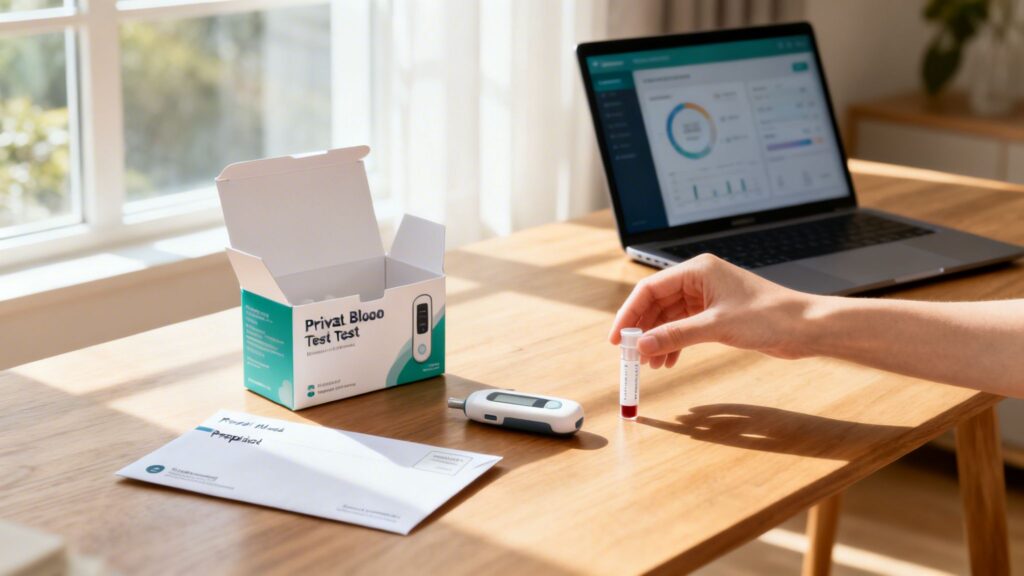
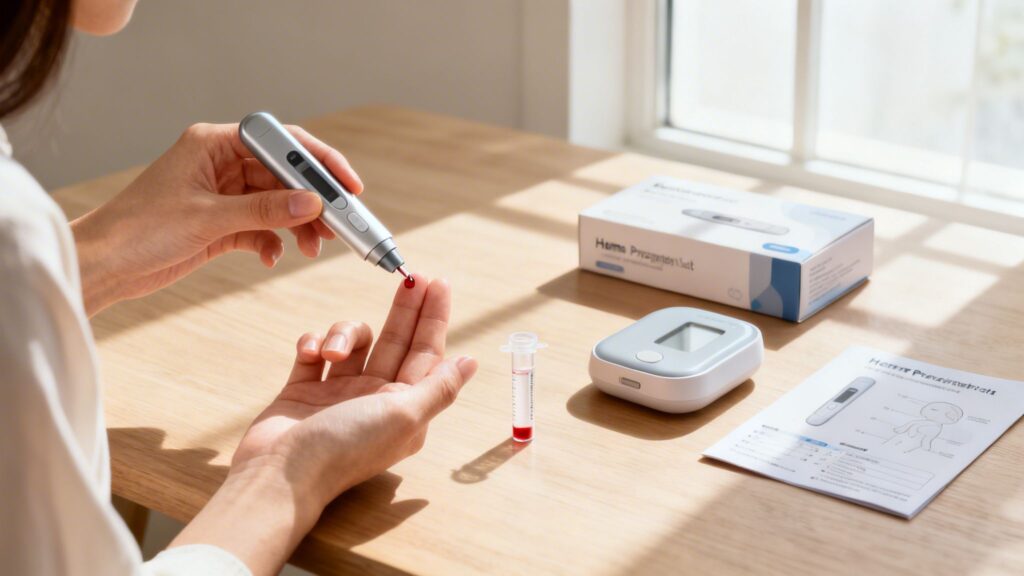
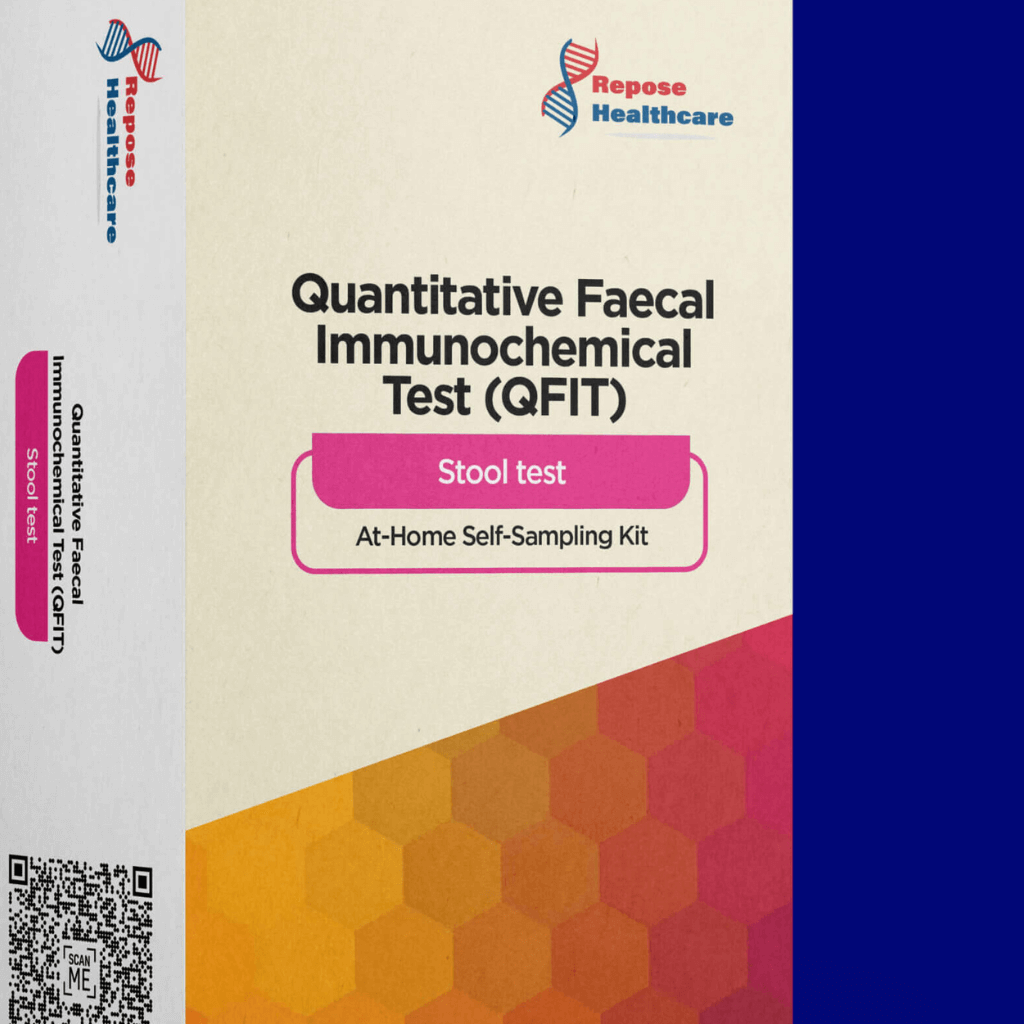
At Repose, you can access an at home oestrogen test UK. This oestradiol home blood test is simple to use, gives you fast results, and offers accurate results. Here is how it works.
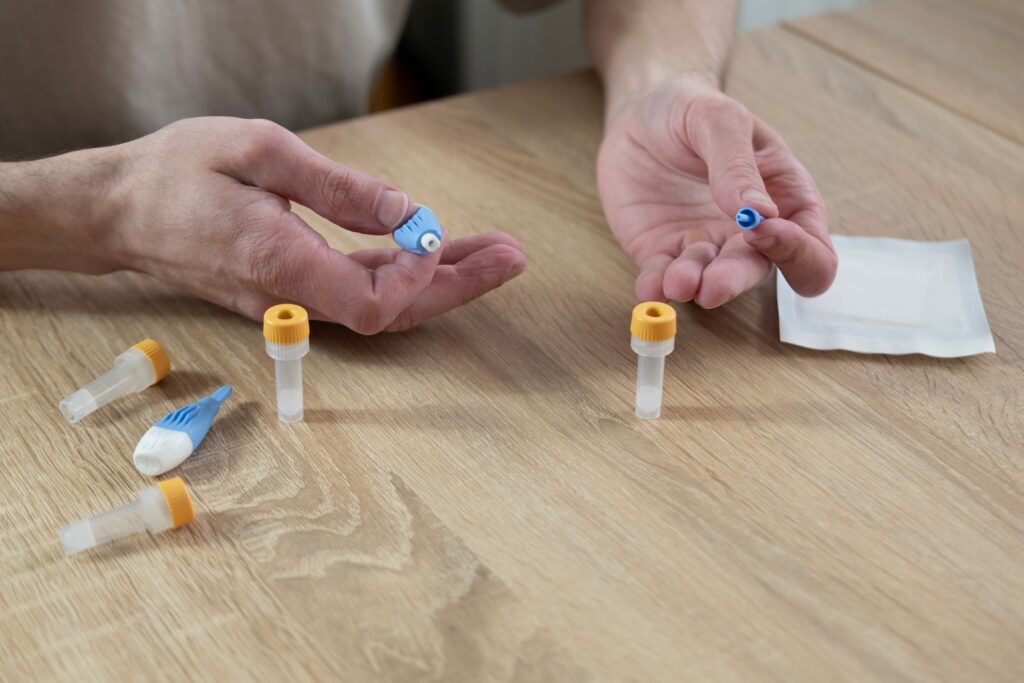
An Oestrogen home testing kit can measure your oestradiol level from home, with results processed by accredited UK labs that you can then discuss with your GP or specialist. This is particularly helpful if you are exploring symptoms such as cycle changes, low mood, hot flushes, or concerns about your fertility.
Plus, if you want to know more about your hormones and fertility, Repose offers broader hormone and home fertility testing kits, including blood tests for FSH, LH, prolactin, and AMH.
An at-home kit makes sense for getting a glimpse into your hormone levels. So, when to see a doctor about oestrogen levels?
Usually, when you’re experiencing symptoms of oestrogen imbalance, such as:
These cover both low oestrogen symptoms as well as high oestrogen symptoms, and they may be a sign of perimenopause or menopause.
Home tests make useful tools for assessing your hormones, such as what time of day is oestrogen highest, and overall health, but remember that diagnosis and treatment must come from a qualified clinician. So, if you have concerns about your results, contact your GP.