Has your doctor ordered a full blood count (FBC)? Maybe you are interested in taking control of your health and want to do an FBC for better insights. Understanding what’s going on inside is always a good idea, as findings from a blood test can help diagnose conditions sooner rather than later.
A full blood count is a very common and highly comprehensive blood test that looks at various types of cells in the blood, including white blood cells, red blood cells, and platelets. It’s ordered by doctors to look for general health problems. It may be part of a regular routine check-up, or a doctor may order one if a patient is showing symptoms like fatigue, weight loss, or a fever.
Often, a full blood count is the first kind of blood test a doctor will ask for if they are at the beginning of an investigation. If a doctor orders one for you, there’s no need to worry – they are extremely common and are routinely used when simply ruling things out. In fact, you don’t even need to show symptoms for a doctor to ask for a full blood count.
Here is exactly what is tested in a full blood count. All of these measurements can help assess a patient’s health and potentially diagnose an illness.
Standard levels: 4.5 and 5.9 million cells per microliter for men and 3.8 to 5.2 million cells per microliter for women.
A full blood count measures the red blood cell count (RBC) in the blood, which shows how well those cells carry oxygen around the blood to the rest of the body. This is key for monitoring a patient’s health, as a low red blood cell count may point towards things like anaemia, vitamin deficiencies, or blood loss. At the same time, a high red blood cell count may indicate heart disease, lung disease, or dehydration.
Standard levels: between 4,000 and 11,000 cells per microliter for adults.
An FBC also measures the white blood cells in the blood. The types of blood cells measured include neutrophils, lymphocytes, monocytes, eosinophils, and basophils. A too-high or too-low white blood cell count can indicate different things. For example, a low count may point to potential issues like an autoimmune disease or bone marrow issues. On the other hand, a high white blood cell count may indicate inflammation or an infection.
Standard levels: 150,000 to 450,000 platelets per microliter in adults.
A full blood count will measure the platelet levels in the blood, which are formed in the bone marrow and are responsible for stopping bleeding (initiating the clotting process). If platelet levels are too low, it may point to an autoimmune disease, a viral infection, or a symptom of taking a certain medication. Too high, and that might indicate iron deficiency anaemia, inflammation, or an infection.
Standard levels: 130–180 grams per litre for men and 120–160 grams per litre for women.
Haemoglobin is a protein in your red blood cells that is responsible for transporting oxygen throughout the body, including the lungs and the body tissues. It’s also what makes your blood the colour red. High haemoglobin may point to issues like lung disease, heart disease, dehydration, and smoking cigarettes. Low haemoglobin levels mean there aren’t enough red blood cells, which commonly points towards an iron deficiency.
Standard levels: 0.40-0.54 litres per litre for men and 0.37-0.47 litres per litre for women.
This is a measurement that looks at the percentage of your total blood volume that contains red blood cells, and is used to help diagnose conditions like iron deficiency anaemia and polycythaemia.
Standard levels: 80 to 100 femtoliters for adults.
This is a measurement that looks at the average size of the red blood cells in your blood. Larger red blood cells can indicate things like vitamin B12 deficiencies, alcohol consumption, thyroid problems, and liver disease. On the other hand, smaller red blood cells than normal may point towards iron deficiency anaemia, chronic blood loss, and thalassemia.
Standard levels: 27 to 31 picograms per cell for adults.
Mean cell haemoglobin is another measurement examined in a full blood count test. This measures the amount of haemoglobin in each individual red blood cell. Low MCH suggests anaemia or an iron deficiency, whereas high MCH may point towards vitamin deficiencies.
As a full blood count looks at so many different cells in the blood, it can point towards several different illnesses. Sometimes, your doctor will need to conduct further tests to arrive at an accurate diagnosis, but these are the conditions a FBC can detect.
Keep in mind that a lot of the time, a single full blood count test will not provide a single diagnosis instantly. Oftentimes, doctors will need to order further tests to reach an accurate diagnosis. It’s simply a good stepping stone to understanding your health on a deeper level. Your blood can tell you a lot about what is happening internally.
Getting a full blood count is often a good idea, whether you are showing symptoms or simply want an overall health check-up. It naturally helps to know what to expect before you walk into the doctor’s office, as that way, you can properly prepare and feel more confident in what’s ahead.
The first step involves preparation, which is what you do before you go into the office. The good news is you generally do not need to abstain from food or drink before a standard FBC, so you can eat and drink normally beforehand. It’s a good idea to stay well hydrated so that it’s easier for the phlebotomist to find your vein. Also, be sure to wear loose-fitting clothing you can easily roll up.
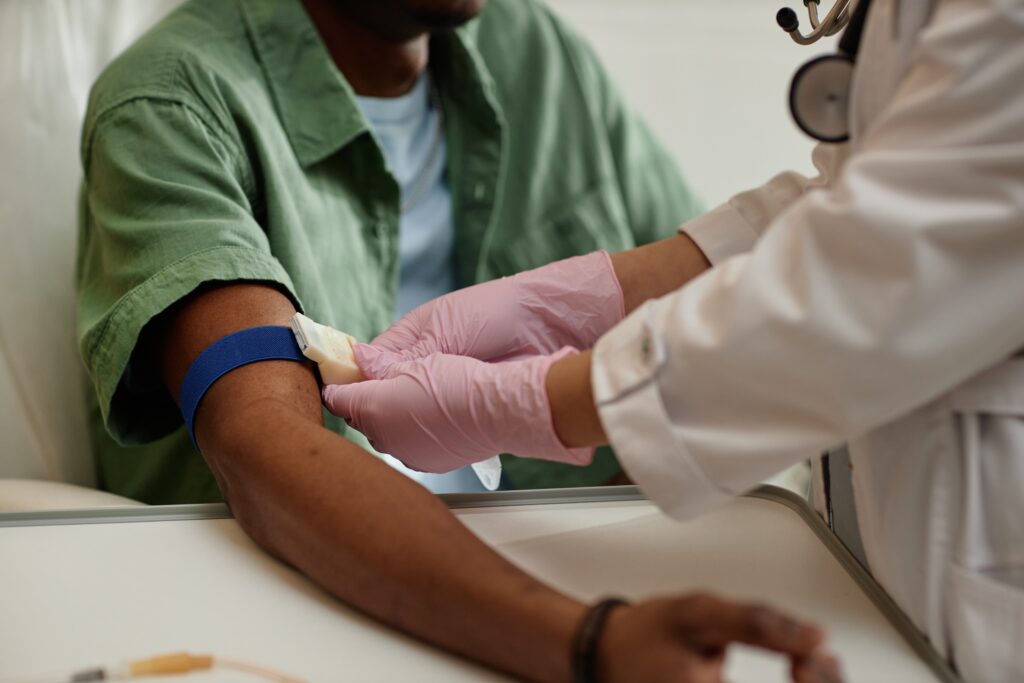
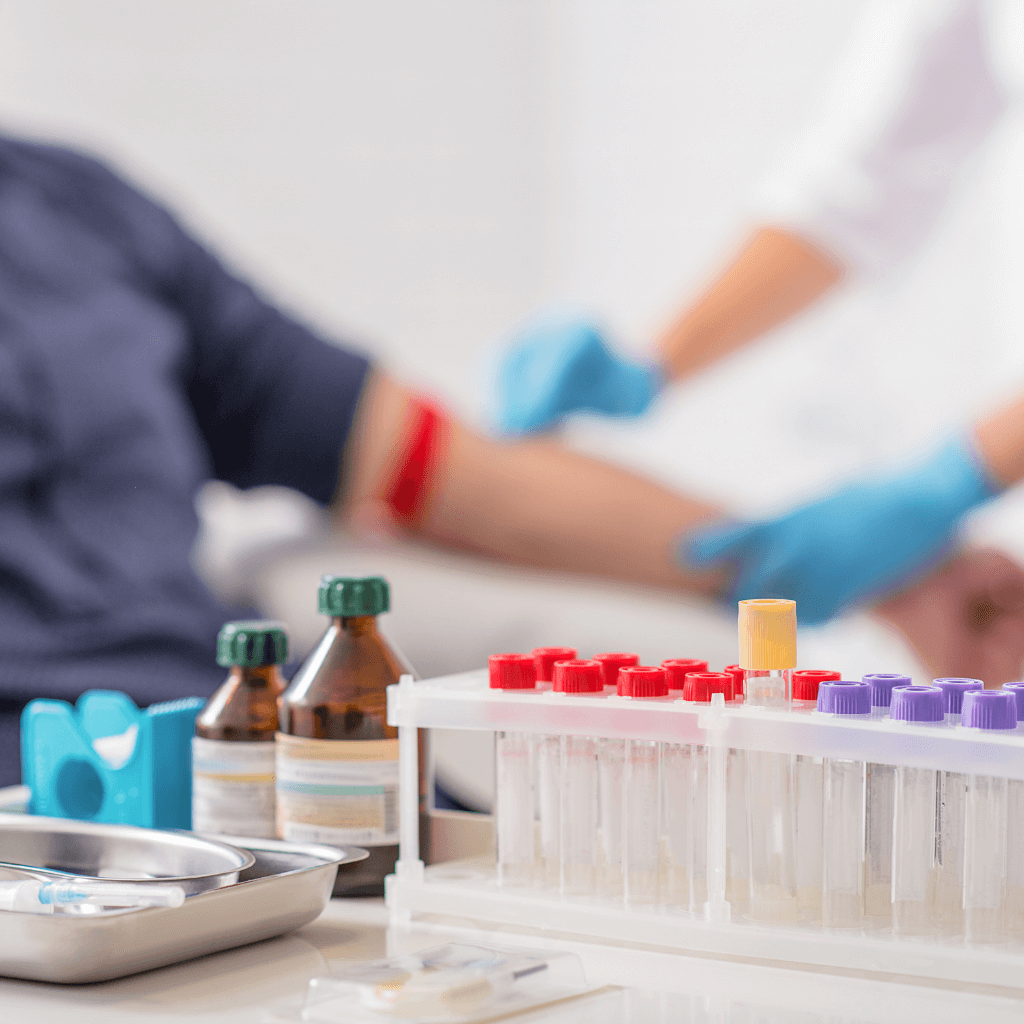
Before taking the blood, the phlebotomist will tie a band around your upper arm (this is to make finding the vein easier). They will then insert a needle into your arm vein to begin taking blood. The pain is often minimal; you should just feel a sharp scratch, but this won’t hurt too much. The process itself takes a few minutes, so it will be over before you know it.
You may experience some light bleeding directly following the full blood count test, and the doctor will likely place a plaster to help stop this. You may also experience bruising or soreness in the following days, but this should subside quickly.
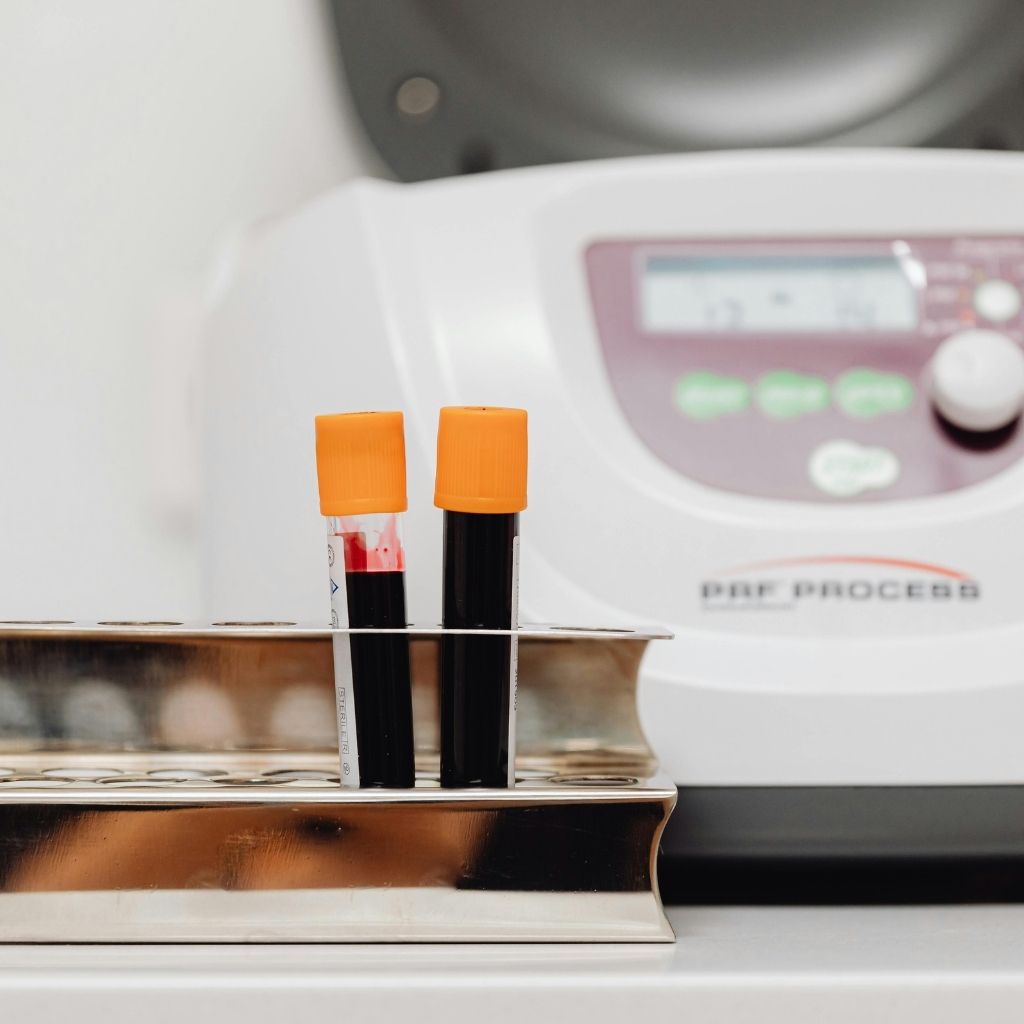
Following the blood test, your sample is sent to an appropriate laboratory. Once at the lab, the sample is contained in a safe environment before being examined and analysed to check everything from the red blood cell count to the platelet count.
You usually get to choose how you receive your results. You may prefer to receive them over email, by letter, or via text. If there are any abnormalities, your doctor will likely call you back in for follow-up tests or a diagnosis.
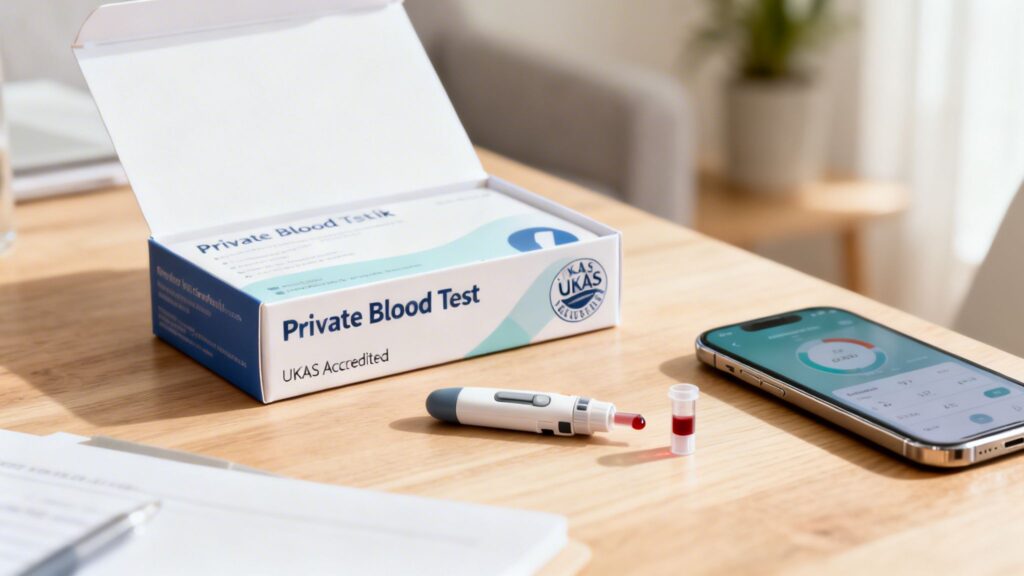
Yes. While it is possible to get a blood test done at your GP, many people struggle to make appointments, perhaps because they work during the doctor’s opening hours or struggle to physically get to the surgery.
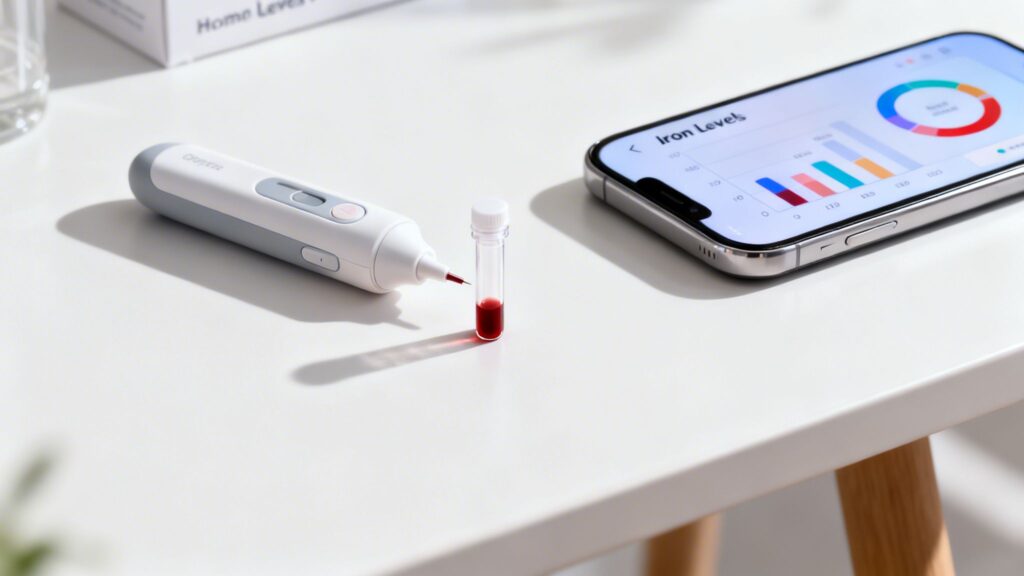
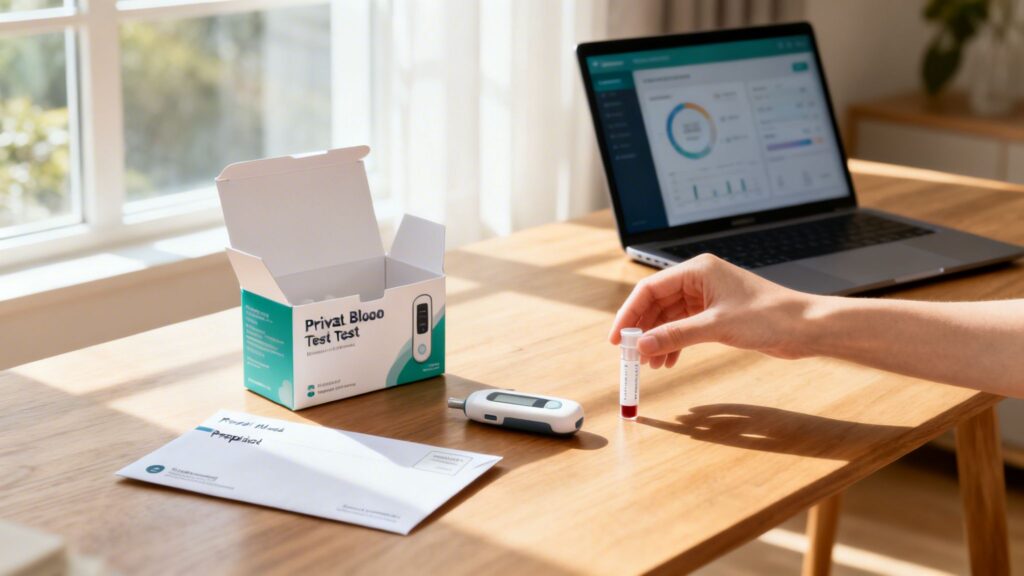
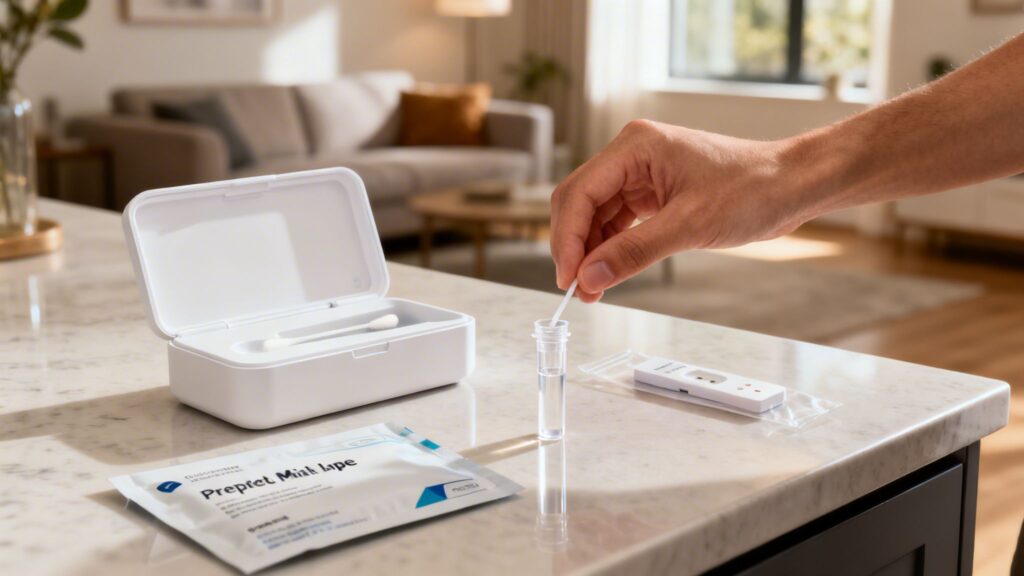
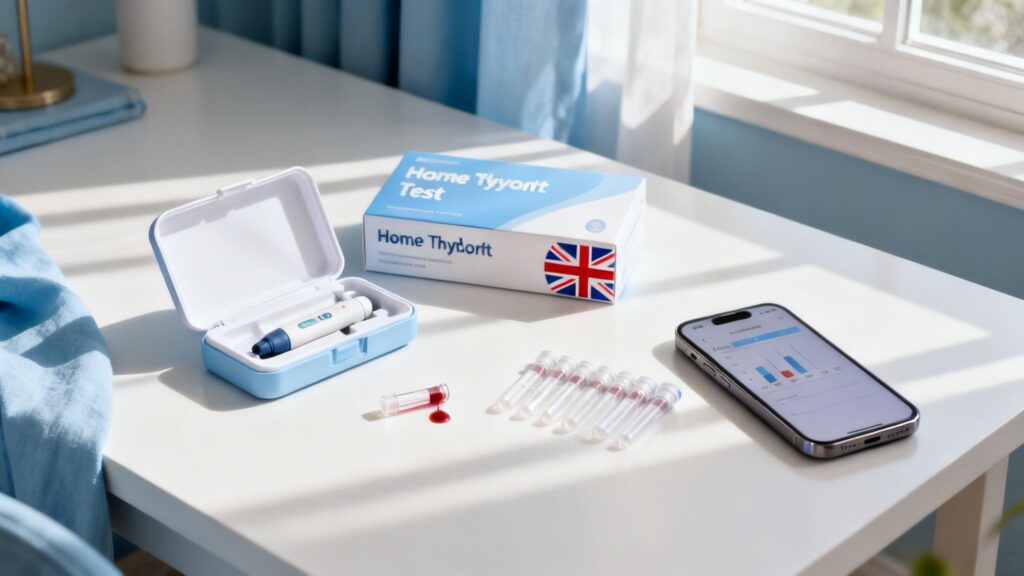
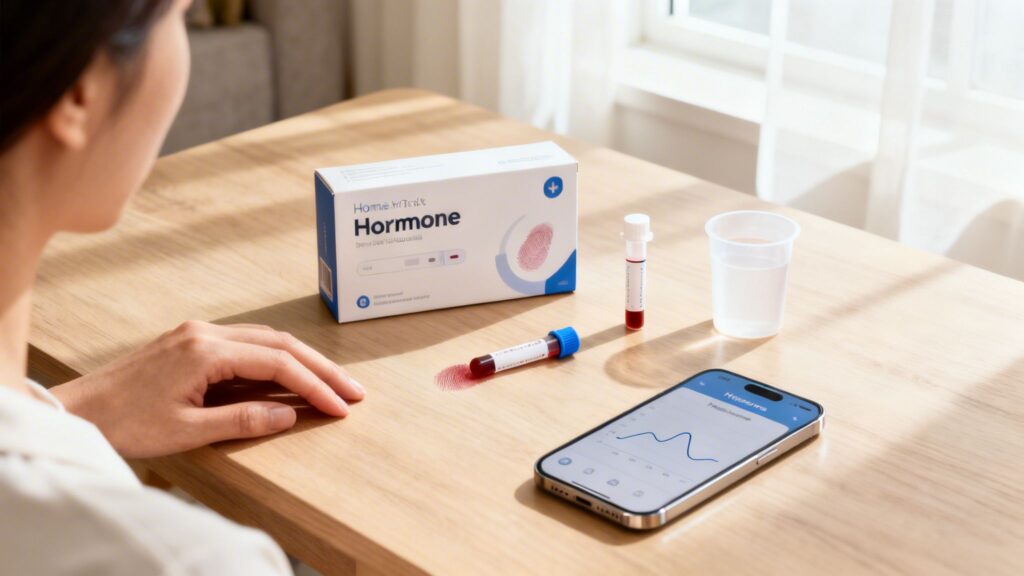
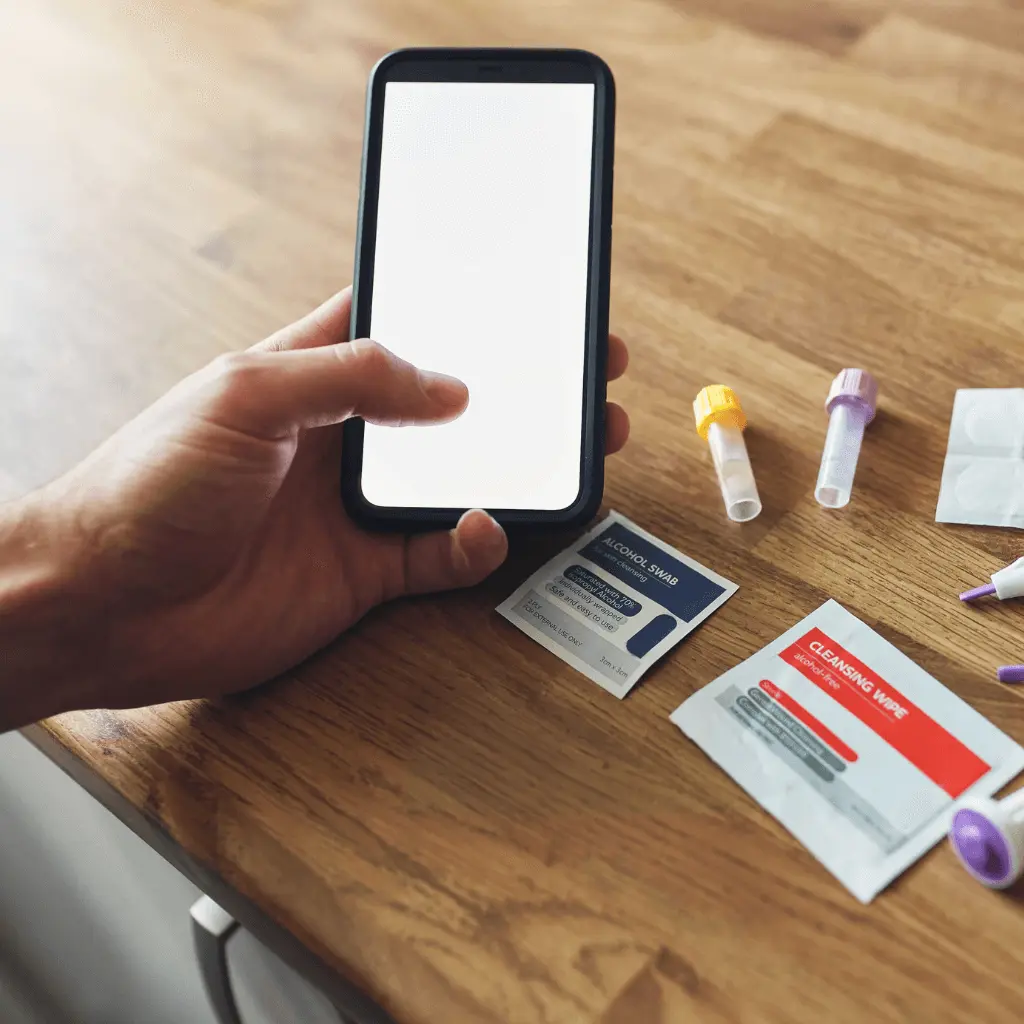
That’s where at-home blood tests come in handy. Instead of making an appointment and travelling to the doctor’s office at a specific time, you can instead order a full blood count test kit and follow the instructions to take a sample before returning it to a lab.
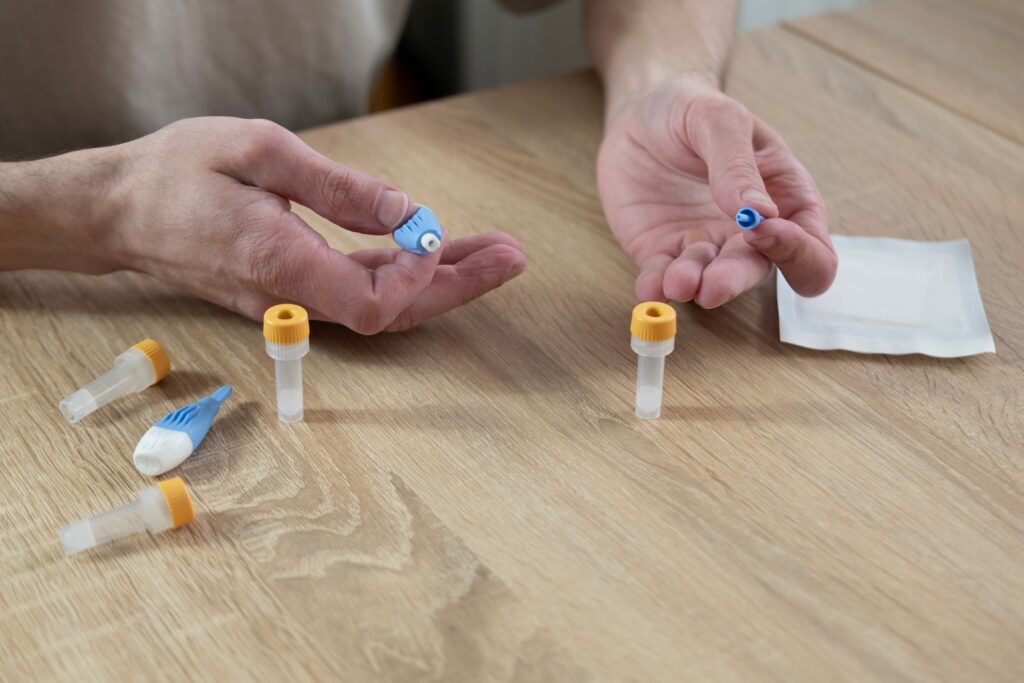
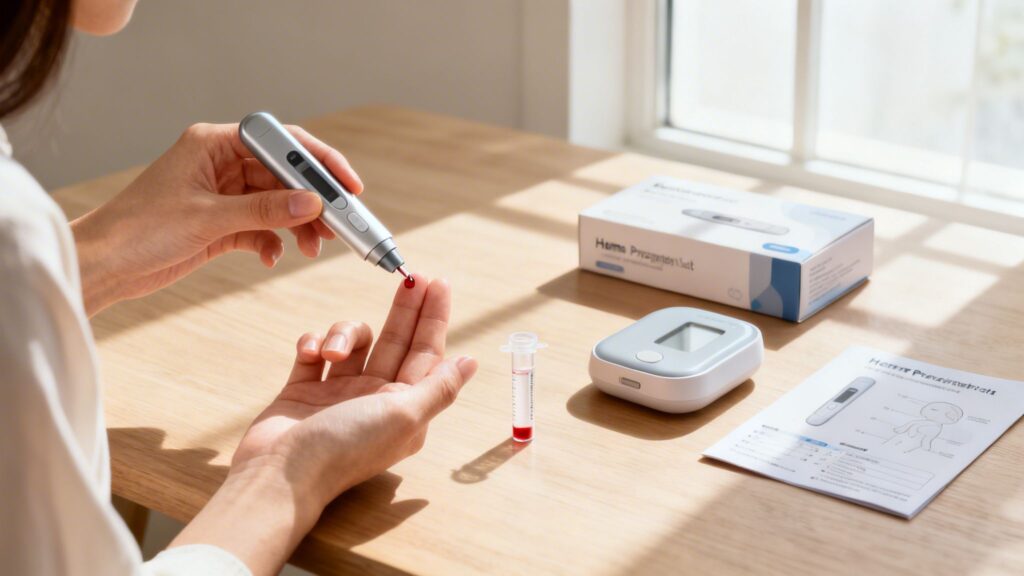
At Repose Healthcare, the process is refreshingly simple. The full blood count test is one of our most popular, and to take the blood sample, you just need to do a finger-prick test (which is significantly faster than taking blood with a needle). You’ll then need to send the sample back to a lab with a prepaid envelope that comes inside the kit. Once sent back, you can find your FBC test results online, and we will provide advice on what you should do next.
A full blood count is usually a standard part of routine blood tests. You do not need to have a specific reason to get one done; sometimes, it’s enough just to want to check up on your health.
However, there are certain instances where it makes sense to get one sooner rather than later. For example, if you are showing symptoms, if you are living with a chronic illness, or if you are over the age of forty and haven’t had a routine check-up in a long time.
Knowing what is tested in a full blood count can make going for the test feel a lot less worrisome. The test itself is both comprehensive and thorough; it looks specifically at things like your white blood cells, red blood cells, and platelets to check for any abnormalities. Then, if there are some abnormalities, your doctor can use those findings to reach an accurate diagnosis. It means you have more awareness about your health and can take the appropriate steps to a healthier life sooner rather than later.
Do you want more convenience? If so, our at-home full blood count tests are wonderfully straightforward to use, no appointment required.