If you have spent some time reading about health, you’ve probably stumbled across the term gut microbiome and perhaps even gut microbiome tests. So, what is a gut microbiome test, and is it worth doing?
Essentially, a gut microbiome test is a stool DNA test for gut bacteria, and it specifically analyses the microbes in the stool, such as bacteria, fungi, and viruses to see which types are present and in what proportions.
Does it sound interesting to you, perhaps because you’re looking to learn more about your health and how to improve it? If so, this guide is for you, as it will explain what a gut microbiome test can show, its limitations, and how it differs from a medical stool test. Plus, you’ll find out where to get a trusted private gut health test UK, with at home microbiome testing (like the gastrointestinal pathogen PCR from Repose) being particularly popular.
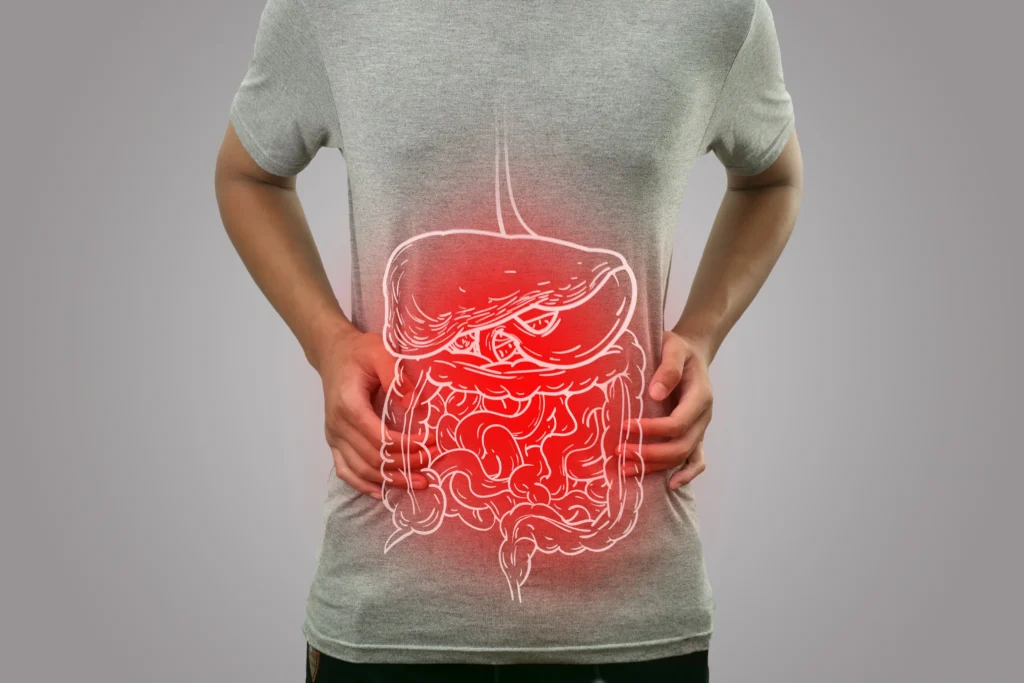
First, let’s start by answering: What is the gut microbiome?
Essentially, the gut microbiome is the community of gut bacteria, fungi, viruses, and other microbes living in the colon. It can also be referred to as the gut microbiota or the gut flora. There’s clearly a strong link between your gut microbiome and health, with the gut microbiome playing a significant role in digestion, your immune system, inflammation, and possibly even your mood and brain health, which is why understanding it is a good idea for assessing and improving your body.
Be aware that every person’s intestinal microbiota is highly individual, and science is still on the path of learning exactly what a “healthy” microbiome actually looks like, so it won’t always be easy to interpret results.
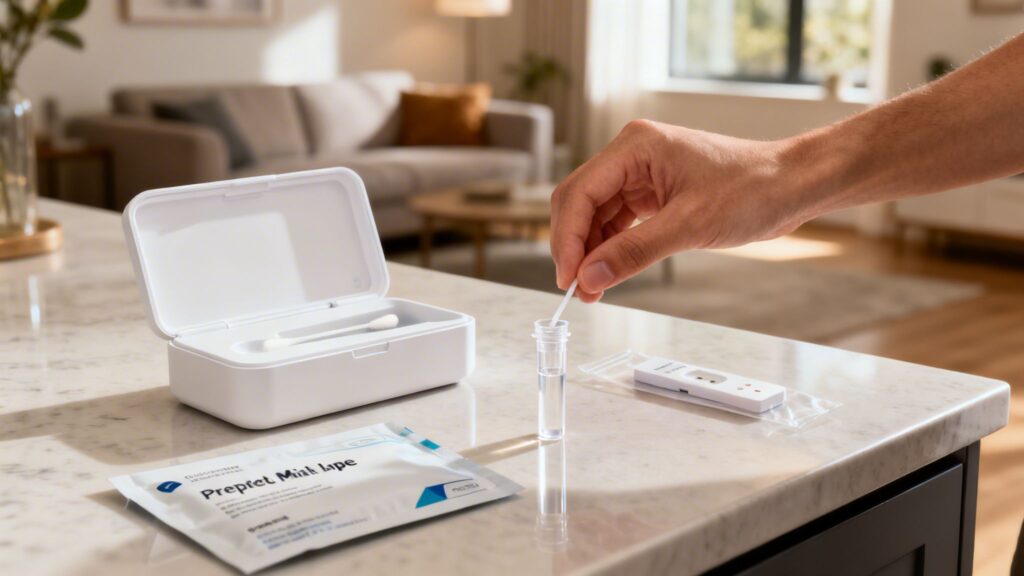
So, how does a gut microbiome test work? Simply put, a gut microbiome test is a non-invasive stool sampling test that uses DNA sequencing to find out which microbes are living in your gut and how diverse they are. If you choose an at-home kit, this is how it works.
The first step is ordering a kit, which you can do online.
The instructions in the kit will tell you how to do this hygienically and safely.
When sent to the specialist lab, the main lab methods include 16S rRNA gut test sequencing and shotgun metagenomics gut test sequencing, both of which analyse microbial DNA to identify and estimate the abundance of different bacteria.
After the stool sample DNA sequencing, you will receive a full report about your gut microbes. Sometimes, that will also include suggestions for diet and lifestyle changes to create a healthier gut microbiome.
When you get your gut microbiome test results, you’ll likely want to know what you’re looking for. So, what does a gut microbiome test show? Here are the highlights of the gut health report.
In some cases, companies offering gut microbiome reports also provide a personalised diet from microbiome test, which can help you know which foods to eat more of and which to limit for the sake of your gut health. However, be critical when receiving probiotic or supplement recommendations, especially if the same company sells those supplements. It’s best to look at your microbiome report as more educational and informational rather than hard medical advice or as any kind of diagnosis.
While gut microbiome testing has been around in scientific research for quite some time, it has become particularly popular in recent years. While it definitely can give you insight into your gut health, there are limitations of gut microbiome testing to be aware of, and there is microbiome research still emerging. There’s also the question of: Are gut microbiome tests accurate?
Scientists and doctors do not yet know what constitutes a perfect or healthy microbiome – while diversity tends to be favoured, there is no accurate knowledge of exactly what kind of gut bacteria is best. Plus, different labs may give different results even from the same stool sample, so the reliability of microbiome kits should be questioned.
There are limitations regarding clinical usefulness, too. For example, claims to predict specific diseases (for example, cancer or depression) from microbiome tests are not supported by strong evidence for individual patients right now. Many expert groups describe them as “not yet clinically useful” and warn against using them as a way of driving major treatment decisions.
The best way to use a microbiome test is to take the results and use them as a conversation starter with your GP or dietician rather than making any major health decisions or dietary changes. Importantly, never see a microbiome test as a replacement for a proper medical assessment!
The world of medical research has a long way to go when it comes to examining gut microbiomes and understanding what makes one “healthy”. Perhaps in the future, they will be more useful in a clinical setting.
There is a clear difference between a gut microbiome test vs stool test. Another way to look at it is a microbiome test vs infection test.
On the one hand, a gut microbiome test maps your microbial community, whereas clinical stool tests look for specific problems, like infection, inflammation, blood, or markers of IBD/coeliac disease.
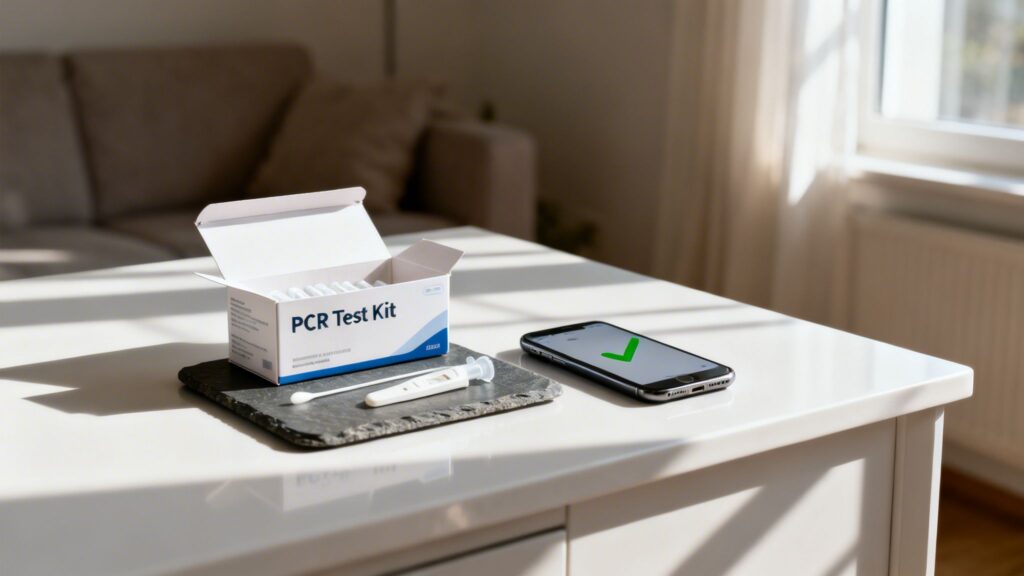
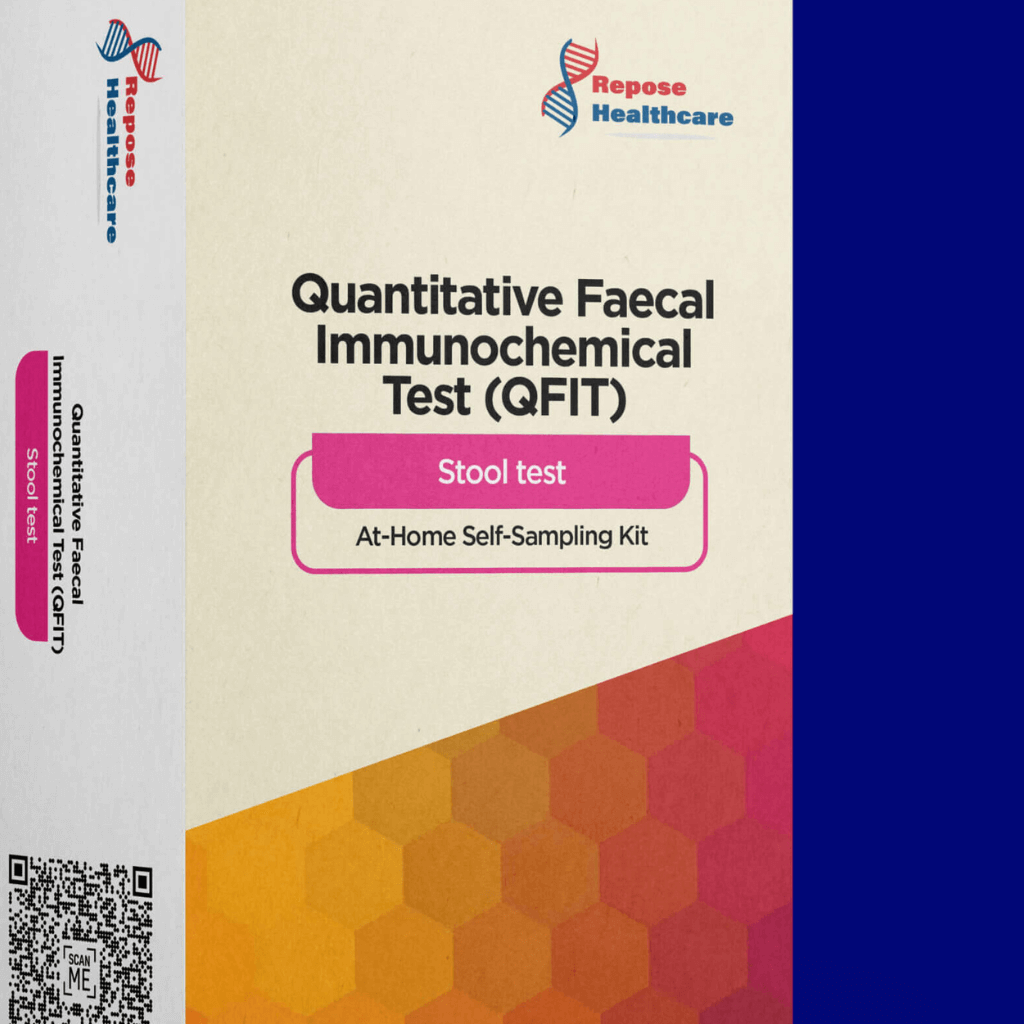
At Repose, there is currently no microbiome mapping kit available. Instead, you can get a gastrointestinal pathogen PCR test (or gut infection test) that checks for a wide panel of bacteria, viruses and parasites that cause gut infections. It is a clinically focused way to investigate persistent diarrhoea or a suspected infection. So, if you have gastrointestinal symptoms, it can help you reach the underlying cause.
Understanding microbiome reports may seem hard, but here are gut microbiome test results explained simply. This is what is typically included.
Remember to take a gut microbiome test with a grain of salt and be cautious when reading it. Generally, the lifestyle advice and diet tips focus on advice that most people should follow anyway, even without having completed a test, such as eating more fibre, exercising more regularly, and getting more sleep.
You may ask: Should I get a gut microbiome test? Who are gut microbiome tests for? Generally, they are for looking into ongoing, non-urgent gut symptoms after you have already gone through basic tests. Or, for individuals curious about diet and microbiome links.
Regarding when to see a GP for gut issues, it’s best to seek out a medical professional review when you have IBS-type symptoms such as loose stools, constipation, and bloating – particularly if it happens frequently. Clinically focused tests like Repose’s Gastrointestinal Pathogen PCR make more sense than a gut microbiome test here, too. You should seek more urgent medical attention if you experience the following:
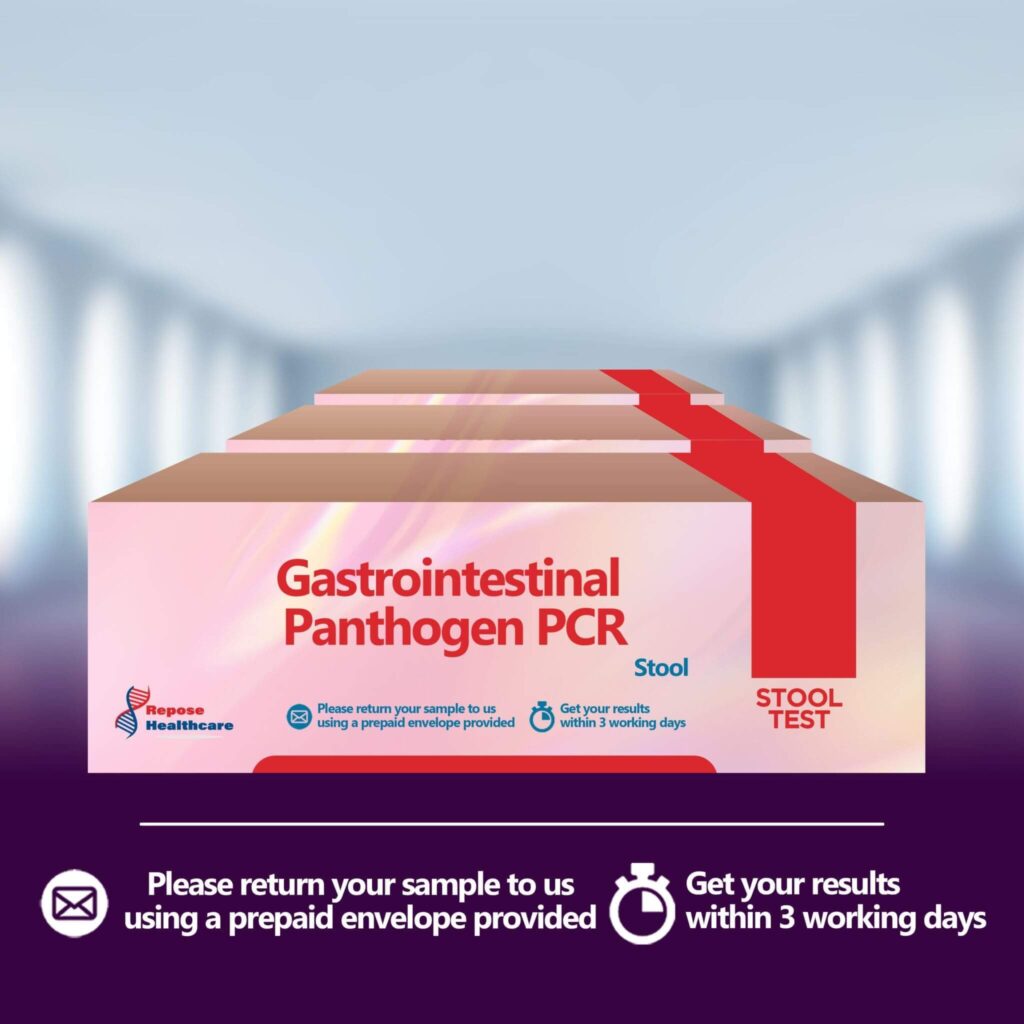
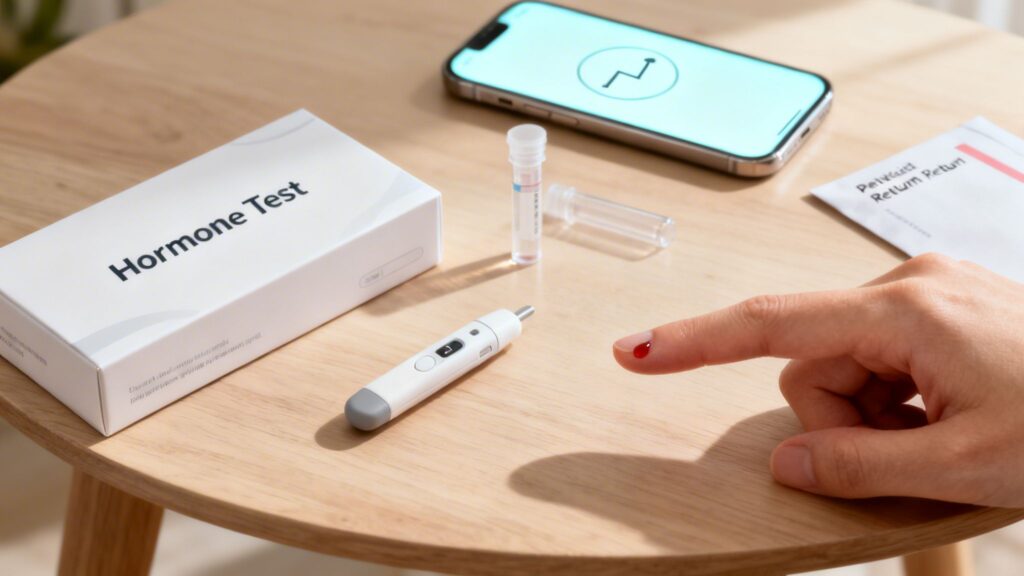
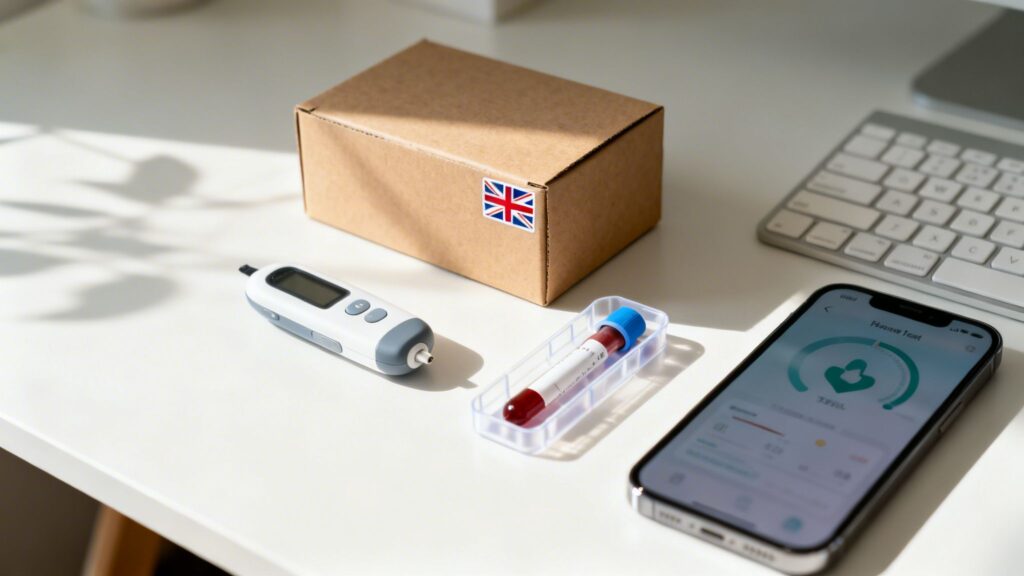
Repose is a trusted UK home health testing kit provider, offering everything from general health blood tests to gut, hormone, and infection checks. The process of getting this at home gut health test UK is as follows:
1. Order test kit online.
2. Receive fast, tracked delivery for your gut infection stool test.
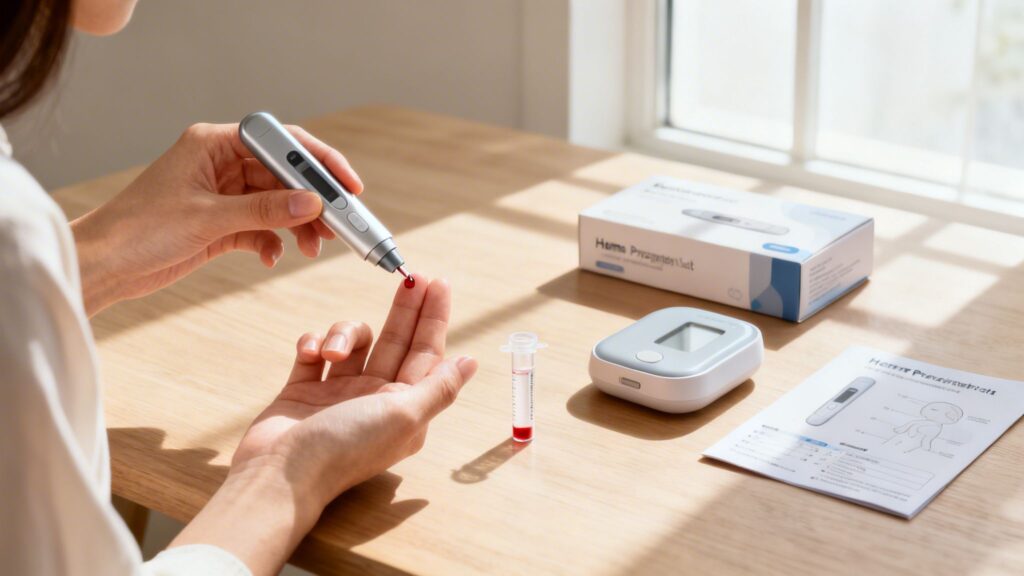
3. Collect a sample at home, following the home stool testing kit instructions.
4. Return using prepaid packaging to an accredited UK lab.
5. Get confidential digital results in 1–3 days, with clear explanations and guidance on when to speak to a GP.
Are you dealing with persistent diarrhoea or worrying about gut symptoms? A gut health home testing kit like our Gastrointestinal Pathogen PCR Test can check for a wide panel of infection-causing microbes from a simple stool sample at home. This is a way to test for bacteria, viruses, and parasites that cause gut infections and is not a broad diversity microbiome map.