Vitamin B12 is an essential nutrient found in a range of natural foods, and most people get enough naturally. However, B12 deficiencies still occur, especially in specific high-risk groups like the elderly and those eating a vegan or vegetarian diet.
If you are a part of a high-risk group or show signs of a vitamin B12 deficiency, it’s important to know what foods offer this vitamin so you can up your intake naturally, and that’s exactly what this guide will show you. It’s also a good idea to have a vitamin B12 blood test, as this will show you for sure whether you are low in vitamin B12 or not.
Vitamin B12, also known as cobalamin, is an essential and water-soluble vitamin responsible for a wide range of the human body’s functions, including:
As you can see, vitamin B12 is crucial for the human body – without it, serious problems can occur, such as tiredness, brain fog, muscle weakness, nerve damage, and cognitive decline.
Generally, healthy adults need about 1.5 to 2.4 micrograms of vitamin B12 a day. This supports DNA, nerve, blood, and cognitive health.
This changes for older adults, children, and pregnant women. Here are the guidelines for these people:
Older adults (above 50 years): 2.4 micrograms
Pregnant women: 2.6-2.8 micrograms
Young children (infants): 0.4-0.9 micrograms
Do you want to increase your vitamin B12 levels naturally? If so, you will want to know what foods contain vitamin B12. The following B12 rich foods are perfect additions to your diet if you’re worried about low B12 levels – plus, many of them come with other health benefits and nutrients to support a healthy body.
Shellfish is a fantastic and highly concentrated source of vitamin B12. The highest source of vitamin B12 is clams, which provide about 84 micrograms of B12 per standard 85g serving. Other types of shellfish have plenty of B12, too, if clams aren’t your thing – for example, mussels contain about 20.4 micrograms per 85g serving and also have plenty of iron and zinc on top of that. Oysters, crabs, and lobsters are all good sources, too. Shrimp and scallops also contain B12, but not as much as other kinds of shellfish.
By adding shellfish to your regular meal rotations, you are sure to boost your B12 intake naturally.
A lot of B12 comes from the sea, and that’s proven by the high amounts found in a variety of fish. The fish that offers the most B12 is mackerel, which provides about 16.1 micrograms per 100g.
Other types of fish that are good natural sources of B12 include:
Generally speaking, the fattier the fish, the more B12 it will likely contain.
Organ meats are fantastic natural sources of B12, with many containing up to 3000% percent of your necessary daily intake (assuming a 100g serving). Lamb liver offers the most B12 out of all the organ meats, providing you with about 83-86 micrograms of B12 per 100g serving. Beef liver, lamb, beef kidneys, and hearts are all foods high in B12, too.
Be aware that organ meats also contain very high levels of copper and vitamin A – as such, eat them in moderation. It’s generally best not to eat organ meat every single day, but rather just a couple of times a week to enjoy a highly nutritious meal without overdoing it.
Red meat naturally contains a high amount of B12. This includes beef, lamb, and pork. Beef is a great source, with 100g of cooked beef offering you around 2.1-2.6 micrograms of the vitamin. The leaner, the better. Pork contains around 0.7 mcg per 100g, and contains around 2.6 mcg per 100g.
Remember that red meat should be limited, though, as too much can lead to health problems such as type 2 diabetes and cardiovascular diseases, as it can raise cholesterol levels.
If you want to up your vitamin B12 intake, consuming more dairy makes a lot of sense. A single glass of milk, for example, will provide you with about half of your daily requirement of B12, as will a single serving of plain Greek yoghurt.
For the cheese lovers out there, there’s plenty of B12 in the stuff. Swiss cheese is a fantastic source, with a single slice giving you about 0.9 mcg of B12.
One of the best things about dairy for your B12 levels is that it is highly bioavailable, meaning it is more easily absorbed. Older adults, in particular, can struggle with vitamin B12 absorption, so consuming bioavailable B12 sources is a great way to prevent deficiency.
Another excellent source of B12 is eggs. Eating just two large eggs in the day will give you 1.2-1.6 micrograms of B12, which is about half of your necessary intake.
Keep in mind that most of the B12 nutrition comes from the yolk, so try to avoid eating only the egg whites. While the yolk contains the most calories, it also provides the nutrients you need to stay healthy.
As vegetarians cannot eat meat or fish (which offer the largest amounts of B12), eggs are a great source for them. They are highly nutritious, filling, and contain protein.
Poultry, such as chicken and turkey, is also a great source of vitamin B12. In particular, the dark meat parts of the birds, such as the legs, thighs, and wings.
While you might find more vitamin B12 in other sources like shellfish and red meat, the bioavailability of B12 in poultry is high, meaning a high absorption rate. Plus, the B12 content is generally stable and does not decrease by much during/after cooking the bird.
Poultry makes a great addition to anyone’s diet, as it’s dense in nutrients and a lean protein source.
Looking at this list, you might wonder – where are the vitamin B12 fruits and vegetables? The truth is that most B12 comes from animal products like cheese, eggs, fish, and meat. Certain fruits like apples and bananas contain trace amounts of B12, but they aren’t known as foods high in B12, and you’ll need to find your main source of it elsewhere.
You now know what foods contain vitamin B12. So, how do you actually incorporate those foods into your diet? It’s all about coming up with meal ideas you’ll actually make and eat, so here is a mix that might suit your palate (and time restraints).
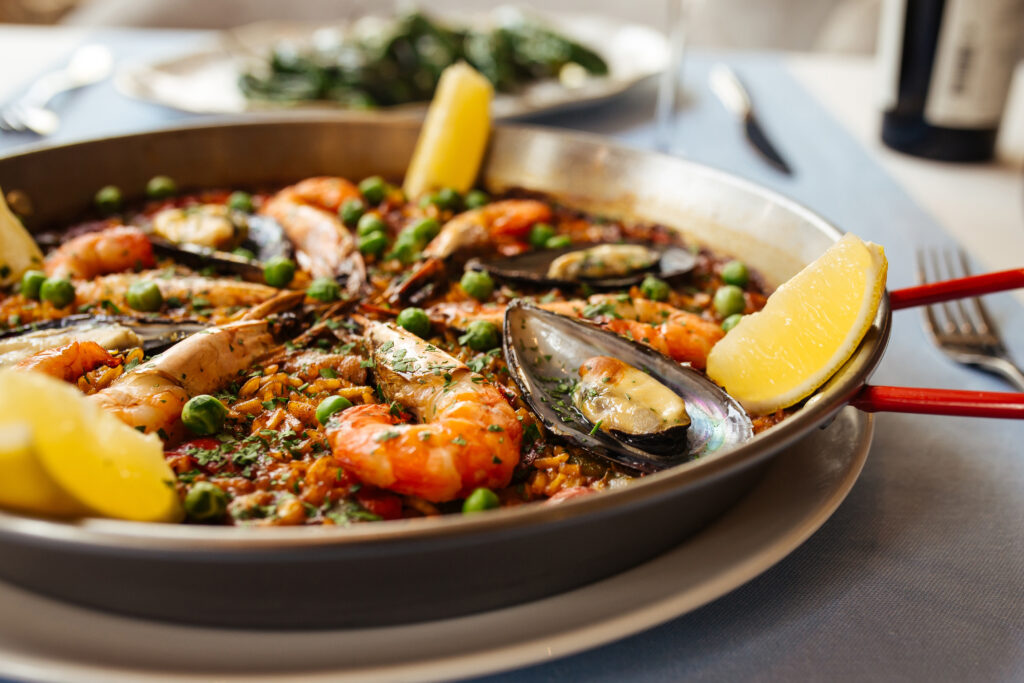
Do you love a bit of Spanish cuisine? You can enjoy the savoury goodness of a paella dish while getting plenty of vitamin B12 by making it a very popular seafood version. The main ingredient is rice, which makes up the bulk of the dish and is well-flavoured with saffron, paprika, garlic, and tomatoes. Then, you can add a range of seafood that’s high in B12, such as prawns, mussels, clams (the most potent source), and squid.
Paella is a reasonably easy dish to make, and you can find most of the ingredients in your local supermarket (frozen seafood packets make this more cost-effective). However, you will need about 1 hour to make it.
Both cheese and eggs contain a good amount of B12, so combining them should give you enough to meet your daily needs. That’s where a simple cheese omelette comes in. They require minimal ingredients, are easy to make, and take barely any time at all. Plus, you can fold in other ingredients to make it more nutritious, such as spinach, tomatoes, smoked salmon, chives, ham, or mushrooms.
Another great B12 meal is fish pie, a British dish that offers a creamy, mash-topped dish filled with a range of fish. The best part is you can use practically any fish you like in a fish pie, including tuna, cod, and salmon. The fish is cooked in a creamy white sauce (often with peas), then baked with mashed potatoes on top.
Do you want a day when you get a large amount of B12? Do you also love pastry? If so, a steak and kidney pie is perfect. As the name suggests, this British dish contains both steak and kidney, with both meats providing plenty of B12, especially the kidney, which is an organ meat. The beef and kidney are made in a rich, savoury, onion-based gravy and encased in a beautiful flaky pastry.
If making from scratch, this is a higher effort meal (especially if you make your own pastry!). However, it’s possible to buy steak-and-kidney pies that are already made.
If you want a quick and easy breakfast that boosts your B12 levels in the morning, you can’t go wrong with a simple bowl of B12-fortified cereal with fortified soy milk. This is a particularly good breakfast for vegans and vegetarians, as it will mean you get a concentrated source of vitamin B12 before you start your day. Plus, there’s no cooking involved.
Many people who follow particular diets, such as vegetarian or vegan diets, are more susceptible to B12 deficiency because they do not naturally get enough B12 in their diet.
As you can see from the foods listed above, many are animal products, which can make it difficult to consume B12 naturally. However, you can still maintain good B12 levels while being vegan or vegetarian – it’s all about being smart about your food choices.
Eating more fruits and vegetables that have some B12 in them can help (such as shitake mushrooms), although keep in mind that most fruits and vegetables only contain minimal amounts of the vitamin. Instead, aim to eat fortified nutritional yeast, a fantastic source of B12 for both vegans and vegetarians. You can also find other B12-fortified plant-based foods, such as cereals, fruit juices, and soy milk.
As a lot of natural B12 food sources come from meat, fish, and dairy, it may be sensible for vegetarians (and especially vegans) to take a B12 supplement to manage their levels and avoid a deficiency.
Are you already eating enough natural sources of B12? Perhaps your diet consists of plenty of poultry, dairy, seafood, and red meat. If so, you might be wondering where you are going wrong.
The chances are the issue is malabsorption, which refers to the body’s inability to absorb the vitamin from the foods you eat adequately. There are a few potential reasons this may occur, including:
If you have issues with absorbing B12, speak to your doctor. There are other ways to get B12, such as incorporating more crystalline B12 into your diet, which does not require stomach acid for absorption. This is found in B12 supplements and B12-fortified foods.
Are you unsure whether your B12 levels are normal? If so, knowing the symptoms to look out for is useful. Here are the signs of a B12 deficiency.
Many of these symptoms overlap, so it’s important to speak to your doctor if you show any of them. If you’re feeling cold all the time, it’s important to know the vitamin deficiencies that cause you to feel cold. While this includes B12, it also encompasses B9, D, and iron.
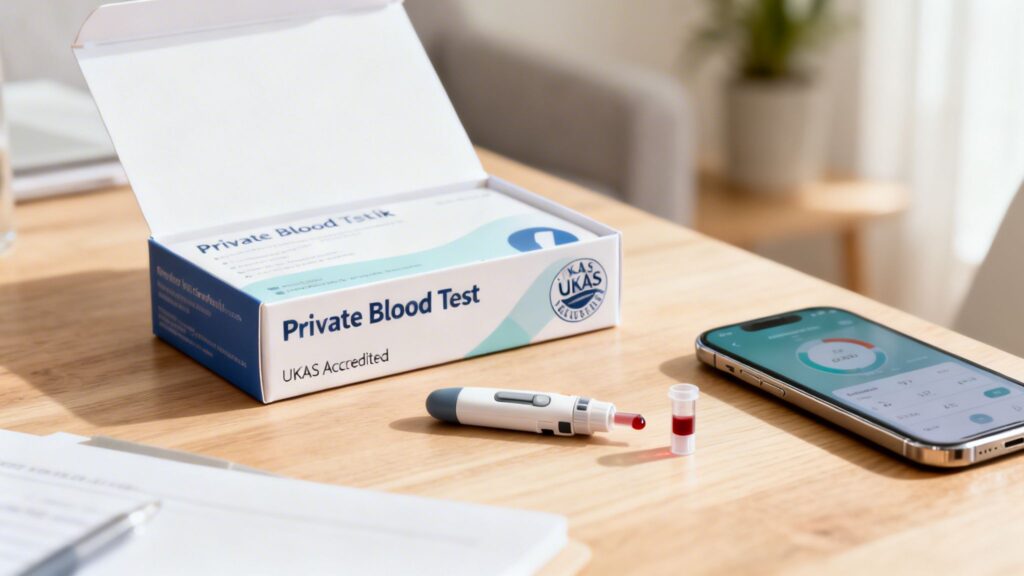
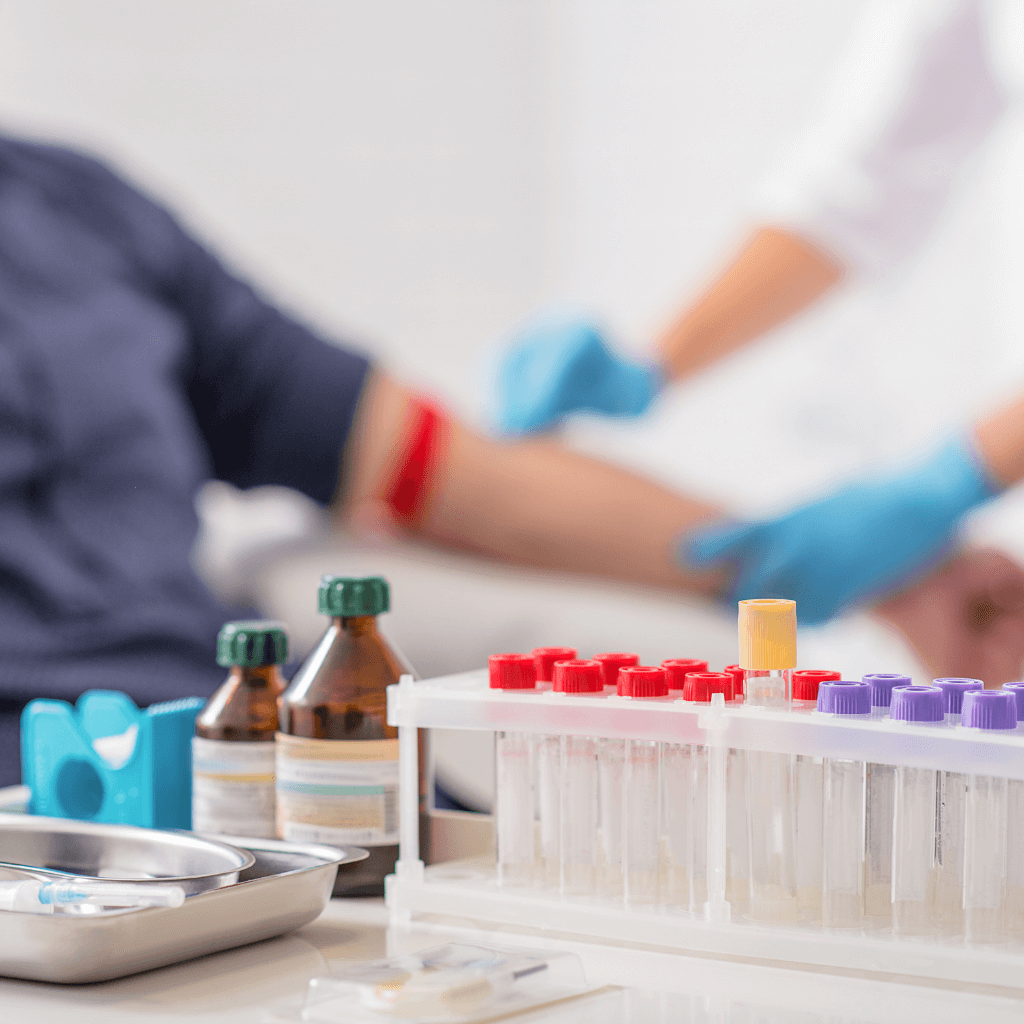
If you are showing signs of a vitamin B12 deficiency, or want to know if you are eating enough B12 rich foods, then it’s important to test your blood, as this will show you exactly how much B12 you have and whether it’s enough or not.
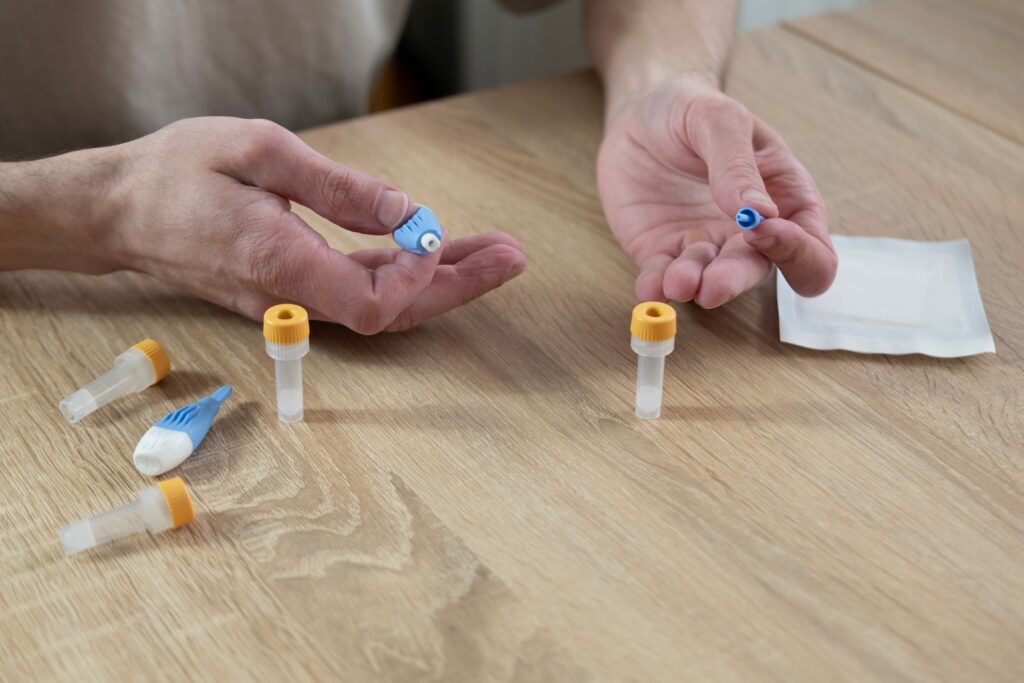
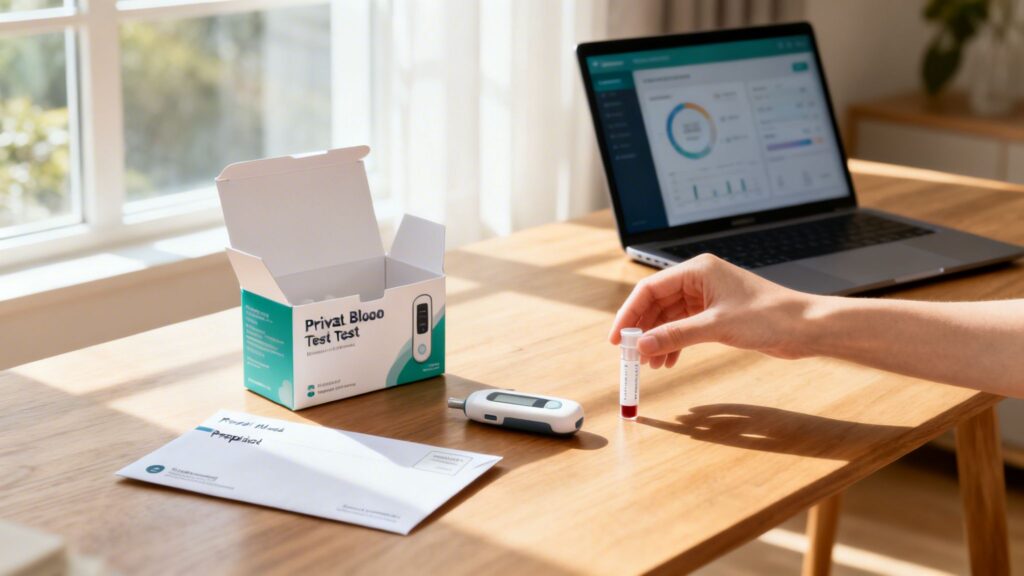
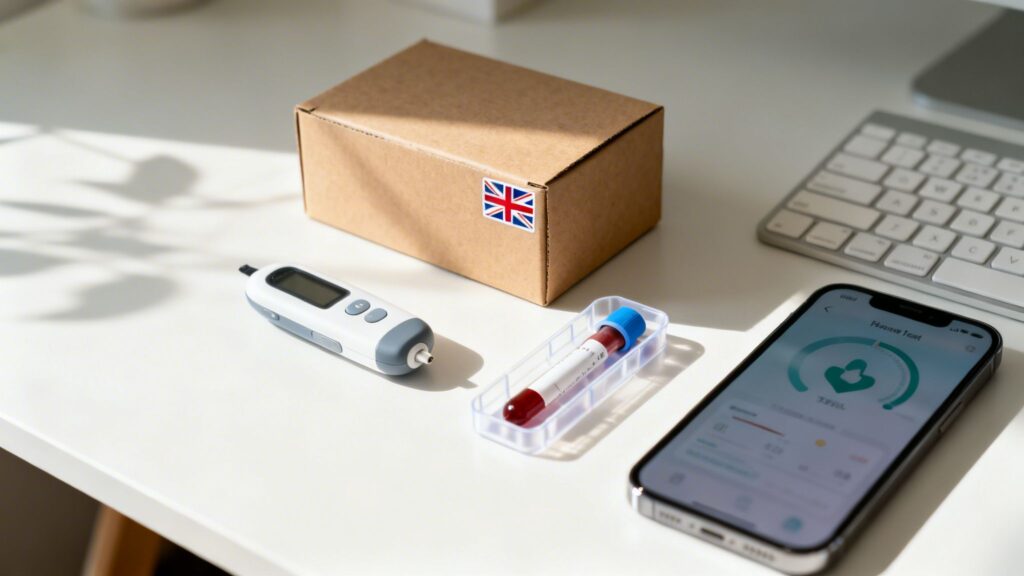
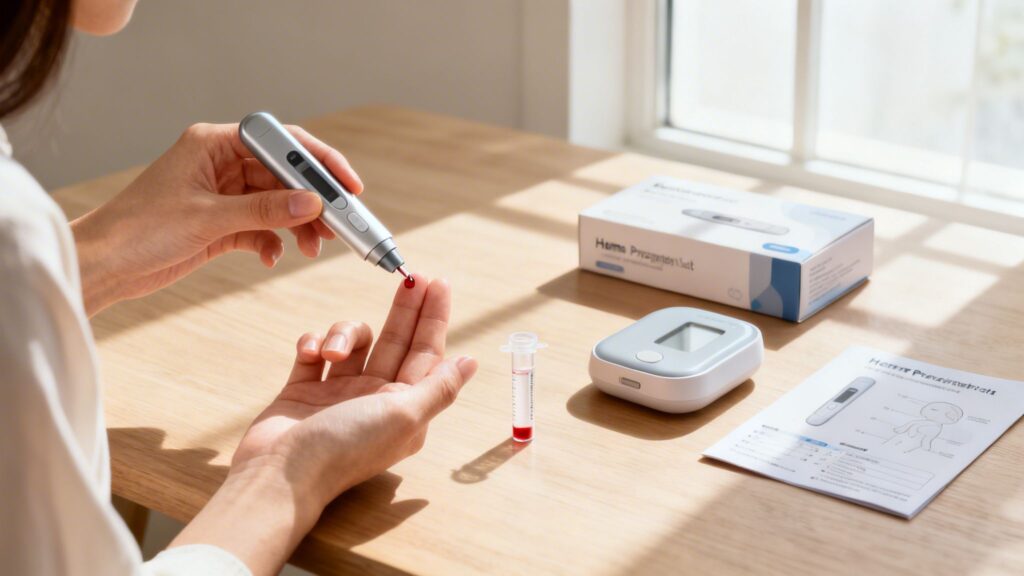
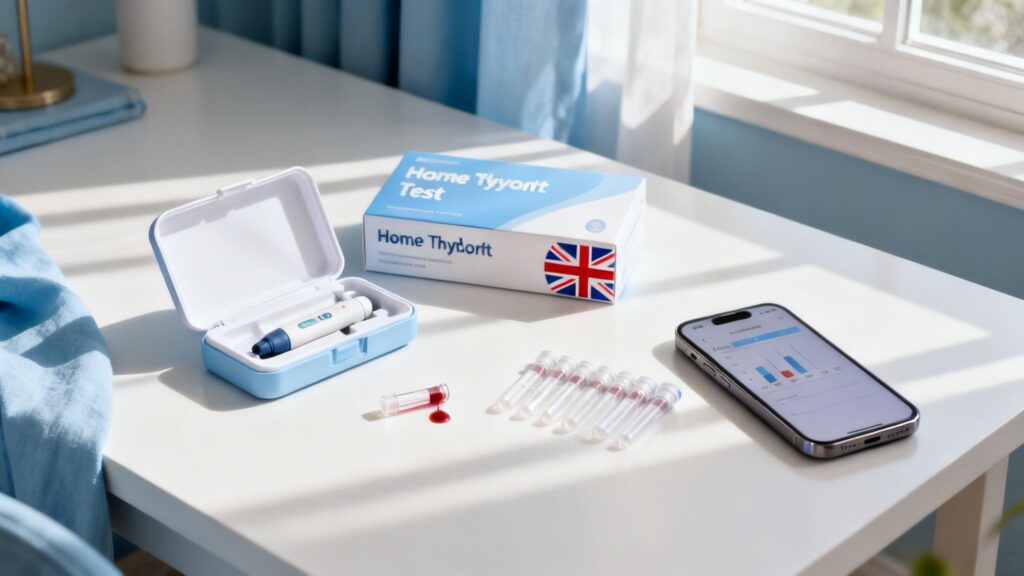
Knowing how to test for B12 deficiency at home makes the process far more straightforward – it saves time and gives you plenty of privacy.
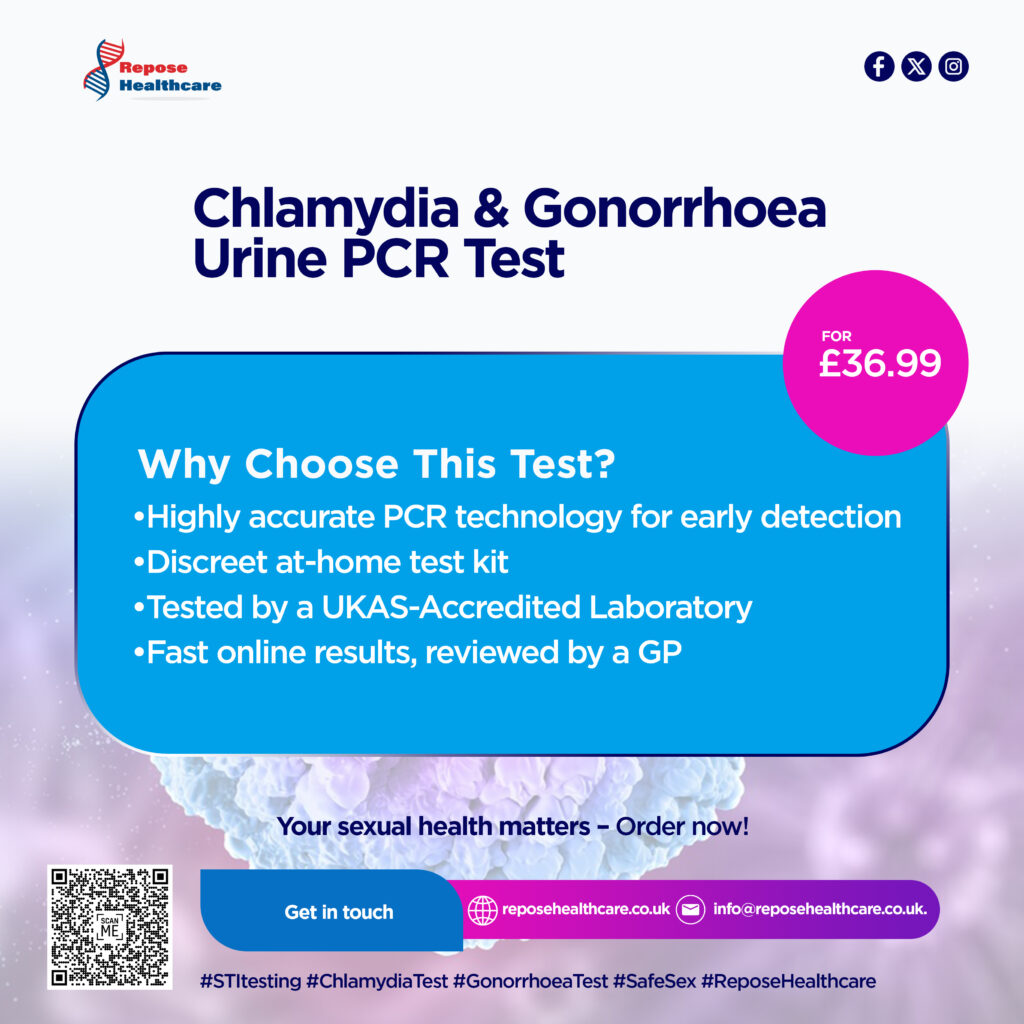
At Repose Healthcare, you can find a range of vitamin deficiency tests available, including a vitamin B12 blood test. All you need to do is:
It’s a refreshingly simple process – one that allows you to take control of your health and vitamin B12 levels no matter how busy you are.
If your results indicate a vitamin B12 deficiency, we will provide guidance on next steps. It is best to speak directly to a medical professional to understand the underlying cause of your deficiency. It might be something as simple as not eating enough foods high in B12, with the solution being changing your diet (which you can use this guide for!). At the same time, it may be a case of malabsorption due to an underlying cause such as age, medications, or a digestive condition, which will often require a more targeted approach to fix.
Most foods that contain high levels of B12 include meat and dairy products. In particular, clams, mussels, mackerel, salmon, organ meats, eggs, and cheese all contain a good amount of B12, so if you’re low in the vitamin, it makes sense to include more of these in your diet. If you’re a vegan or vegetarian, eating fortified foods is a good idea, as only trace amounts of B12 are found in fruits and vegetables.
However, be aware that not everyone will get their B12 levels back up by eating B12 rich foods. Some people experience issues with absorption due to age or health conditions. So, if you are low in B12, it’s best to talk to your doctor to get to the root cause.
Knowing your health puts you in control and starts the process of getting your health back. So, if you want to know where your B12 levels stand, order a vitamin B12 test kit from our website today. The process is super simple and will give you clear results on whether your B12 levels are healthy or low.