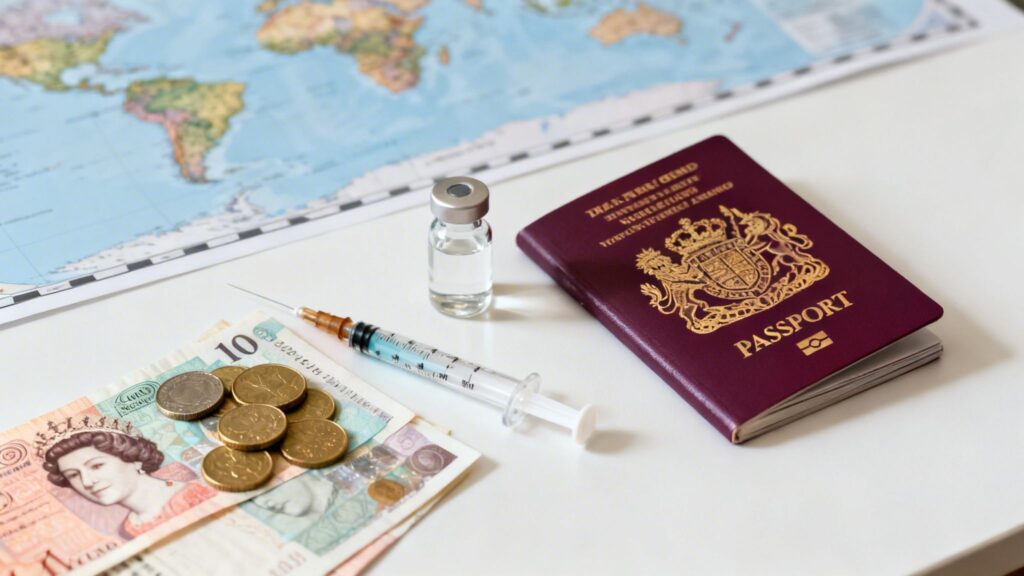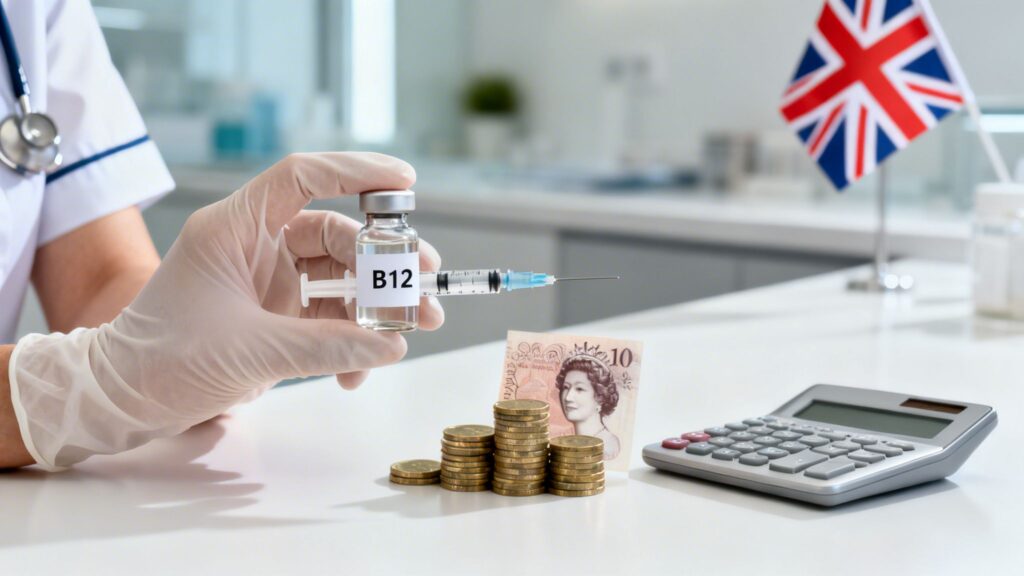
The cost of travel vaccinations in the UK and Ireland can be a real mixed bag. You might find some are free on the NHS, while a full course of others, like Rabies, could set you back over £250 per person. The final bill really comes down to where you're going, which jabs you need, and where you decide to get them.

Planning a big trip is exciting, but let's be honest, figuring out the budget for pre-travel healthcare can feel like a maze. This guide is here to give you a clear, straightforward idea of what to expect for your travel vaccination costs as you plan your adventures for 2026. Getting a handle on these expenses is a crucial part of smart travel prep.
The price you'll pay isn't just one number. It's a combination of a few key things that every traveller should get their head around.
Your total cost is going to shift based on a few things:
It's no surprise that the UK's travel vaccine market has seen a huge boom, especially with everyone keen to travel again after the pandemic. Market analysis valued the industry at US$267.56 million back in 2021, and it's projected to shoot up to US$524.88 million by 2028. This really shows how much we're all prioritising our health before we jet off.
And speaking of smooth travels, getting your documents in order is just as important as your health. For UK citizens who travel a lot, securing a second UK passport can be a game-changer, and this definitive 2026 guide breaks down everything you need to know.
Actionable Insight: Before booking any vaccines, get a baseline of your health. An at-home General Health Test can check key biomarkers like iron and vitamin levels, giving you a clearer picture of your wellness before you even step into a clinic. Knowing you're not anaemic before a high-altitude trek, for instance, is invaluable.
Ever been quoted £50 for a jab at one clinic, only to find another just down the road asking for £80? It’s a common frustration. Unpacking the final cost of your travel vaccinations isn't always straightforward because the price you see is rarely just for the vaccine itself. It's a bundle of different costs and services.
Think of it like going out for a nice meal. You're not just paying for the raw ingredients on your plate; you're also covering the chef's time, the restaurant's rent, and the service. Travel jabs work on a similar principle.
When you get your bill, the total cost can usually be broken down into three main components. Knowing what these are helps you understand where your money is going and lets you compare different providers much more effectively.
Actionable Insight: When comparing clinics, create a simple spreadsheet. List the clinic name, the per-dose cost of each vaccine you need, and a separate column for the consultation fee. This makes it easy to spot the true cheapest option, not just the one with the lowest headline price.
Let's see how this plays out with a real vaccine. The Rabies vaccine is a course of treatment, typically needing three separate injections to be effective.
Say Clinic A advertises the Rabies vaccine at £70 per dose. For the three doses, that's £210. They also have a £25 consultation fee for your first appointment, making your total bill £235. But Clinic B quotes £75 per dose (£225 total) but includes the consultation fee. Clinic B is actually cheaper. This is why you must always ask about their fee structure upfront.
This is also where combination vaccines can be a smart move. A combined Hepatitis A and B jab might look more expensive as a single shot, but it could save you from paying for a second appointment fee and the hassle of an extra needle, making it the more cost-effective choice in the long run. By knowing what factors are at play, you can get a much better handle on your travel vaccination budget.
One of the biggest things that will sway your final travel vaccination bill is whether you use the NHS or go to a private clinic. Getting your head around this is the key to budgeting properly, as it tells you when to pop to your GP and when you need to find a specialist provider. A bit of knowledge here can save you from nasty surprises and help you plan your spending.
Think of it a bit like car insurance. Your basic, legally required third-party cover is always included, but for comprehensive protection that covers every eventuality, you have to upgrade to a better plan. The NHS gives you the essential cover, but for those destination-specific risks, you'll almost always need to go private.
Your GP surgery should always be your first port of call for any travel health questions. The NHS provides a handful of vaccinations completely free of charge, mainly because they protect against diseases that could pose a public health risk back here in the UK, not just to you while you're away.
These usually include:
It's worth remembering this free service is just for the vaccine itself. Some GP practices might still charge a small fee for issuing private prescriptions for other travel meds, like anti-malarials.
Actionable Insight: Your first step should be to book an appointment with your GP's practice nurse. Take your full travel itinerary with you. They will tell you exactly which jabs they can provide for free, creating a definitive list of what you'll need to source privately.
When you look at NHS versus private options in the UK, there's a clear split. The NHS covers the basics, but most travellers will end up paying privately for more specialised protection. For some high-risk destinations, the NHS covers certain jabs, but for common travel vaccines like Hepatitis B, Rabies, and Yellow Fever, you'll have to foot the bill. As a rough guide for 2026, private prices for a single dose are around £40–£60 for Hepatitis B, £60–£90 for Rabies, and £60–£80 for Yellow Fever.
For a lot of destinations, especially across parts of Asia, Africa, and South America, you're going to need vaccinations that are well outside the scope of the NHS. This is when you'll need to find a private travel clinic or a local pharmacy that offers travel health services. These services often provide a more complete health overview beyond just vaccinations. If you're interested in a broader health check-up, you can also learn more about your options for private health screening in the UK.
Vaccinations you will almost certainly have to pay for include:
These private clinics are specialist centres. They often have their own on-site pharmacies and, crucially, hold the right certifications to administer certain vaccines. The Yellow Fever vaccine, for example, can only be given at officially designated centres.
Alright, let's move from vague ideas to a proper plan for your travel health budget. To give you a realistic idea of what to expect, we’ll break down the actual price ranges for some of the most common private travel vaccinations you might need for your 2026 adventures, like Hepatitis A, Typhoid, Yellow Fever, and Rabies.
The total cost really boils down to which specific vaccine you need and whether it requires a full course of jabs for complete immunity. For instance, a single-dose Yellow Fever vaccination gives most travellers lifetime protection and usually costs between £60 and £80. On the other hand, a full pre-exposure course of Rabies jabs involves three separate injections, which can push the total cost well over £200.
It’s crucial to understand the difference between the cost per dose and the cost for the full course. A single dose might look affordable on its own, but the final bill for a multi-shot series can stack up pretty quickly.
This chart below gives you a quick comparison of the total course costs for some of the pricier, but often essential, travel vaccines.

As you can see, multi-dose courses for diseases like Rabies and Japanese Encephalitis are a much bigger financial commitment than single-shot vaccines like Yellow Fever.
Budgeting for these health costs is just one piece of the puzzle. As you sort out your vaccination schedule, it’s a good idea to check out a modern travel budget guide to see how these medical expenses fit into your overall financial planning for the trip.
To give you a clearer picture, here’s a more detailed breakdown of what you might expect to pay at a private clinic.
A detailed look at expected costs for individual vaccines and full courses at private UK clinics.
| Vaccine | Avg. Cost Per Dose (GBP) | Doses Required | Estimated Total Course Cost (GBP) |
|---|---|---|---|
| Hepatitis A | £65 | 1–2 | £65–£130 |
| Hepatitis B | £50 | 3 | £150 |
| Typhoid | £45 | 1 | £45 |
| Yellow Fever | £70 | 1 | £70 |
| Rabies | £75 | 3 | £225 |
| Japanese Encephalitis | £105 | 2 | £210 |
| Tick-borne Encephalitis | £68 | 2–3 | £136–£204 |
These figures show that while the most basic jabs can start from as little as £45, the costs quickly ramp up for more complex immunisations. By getting a handle on these numbers now, you can build an accurate health budget and make sure your pre-travel prep is as solid as your itinerary.
Keeping healthy on your travels doesn't have to break the bank. While some vaccination costs are a necessary part of trip prep, a few clever strategies can seriously lower your final bill, leaving more in your pocket for the actual holiday. It all comes down to being proactive and doing a bit of homework.
Simple things, like comparing prices between different providers, can throw up some surprising differences. Don't just go with the first clinic you find; check with local pharmacies that offer travel health services and dedicated travel clinics too. Their consultation fees and vaccine prices can vary a fair bit.
Also, it's absolutely worth digging out your old vaccination records. There’s no sense in paying for a Tetanus booster if your GP records show you’re already covered for another few years.
Making smart choices about what and where you book can lead to direct savings. A little bit of planning really does go a long way here.
These small tweaks can add up, helping to keep your pre-travel health budget in check.
But the single most impactful way to save money? Avoid paying for a vaccine you don’t actually need. This is where modern testing can be a complete game-changer for your budget.
One of the most effective ways to get a handle on your travel vaccination cost is by finding out what protection you already have. This is especially true for vaccines like Hepatitis B, where you might have been immunised years ago but have no record to prove it.
Instead of just paying for a booster shot or a full course on blind faith, you can check your immunity first.
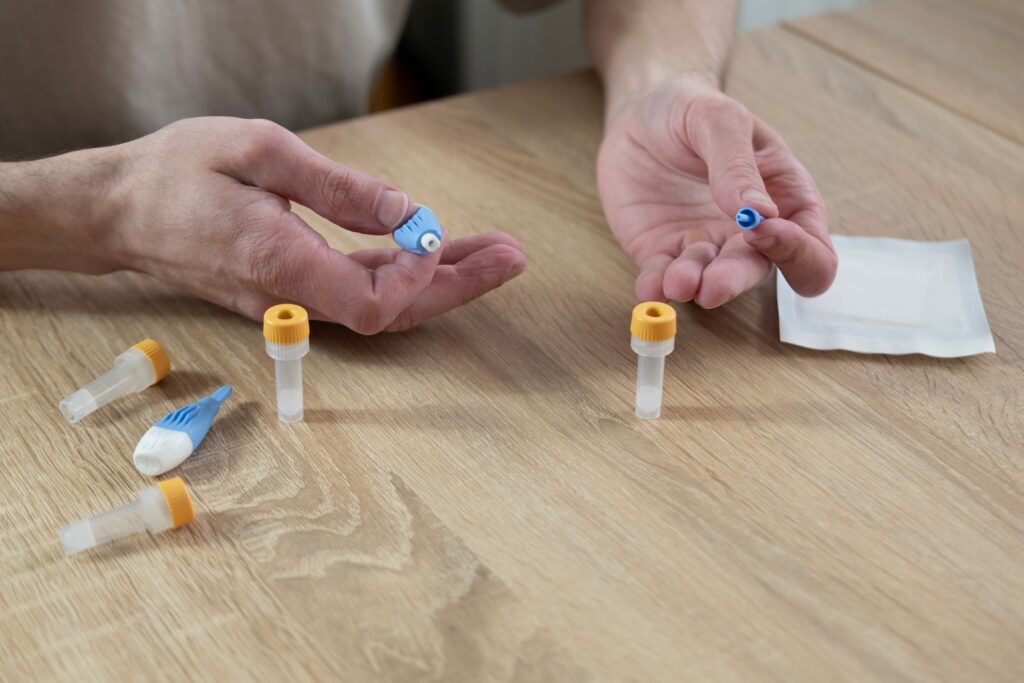
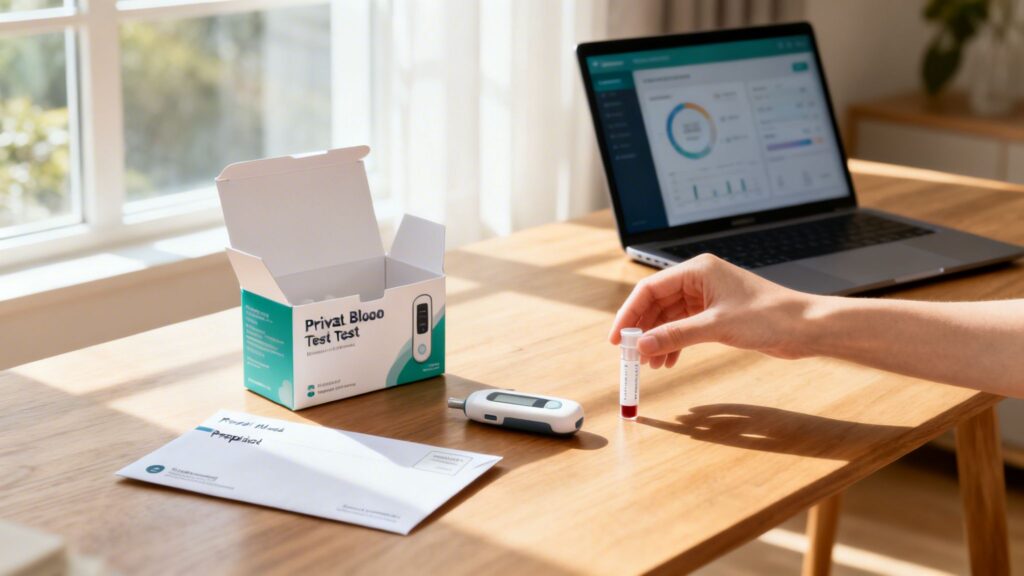
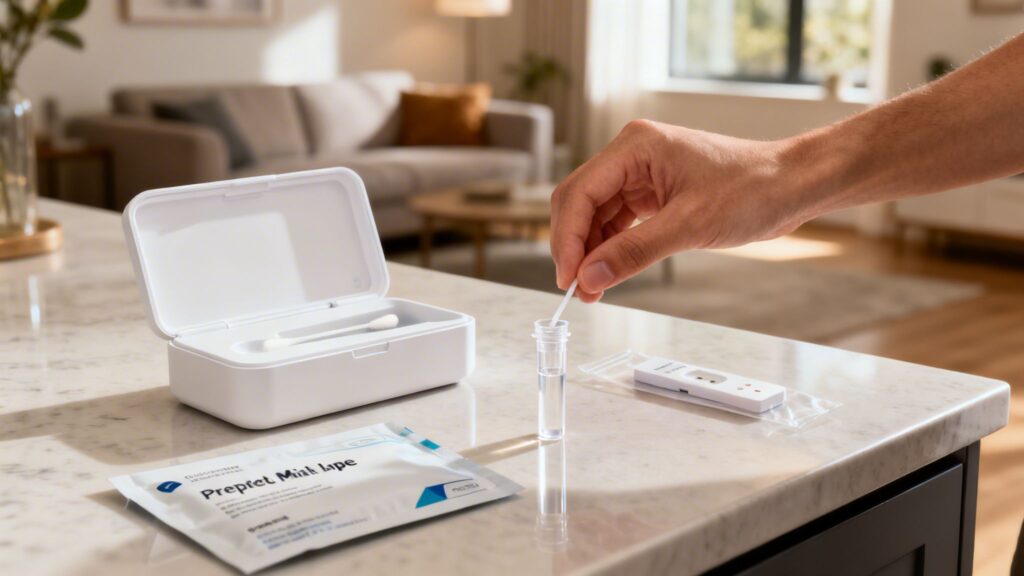
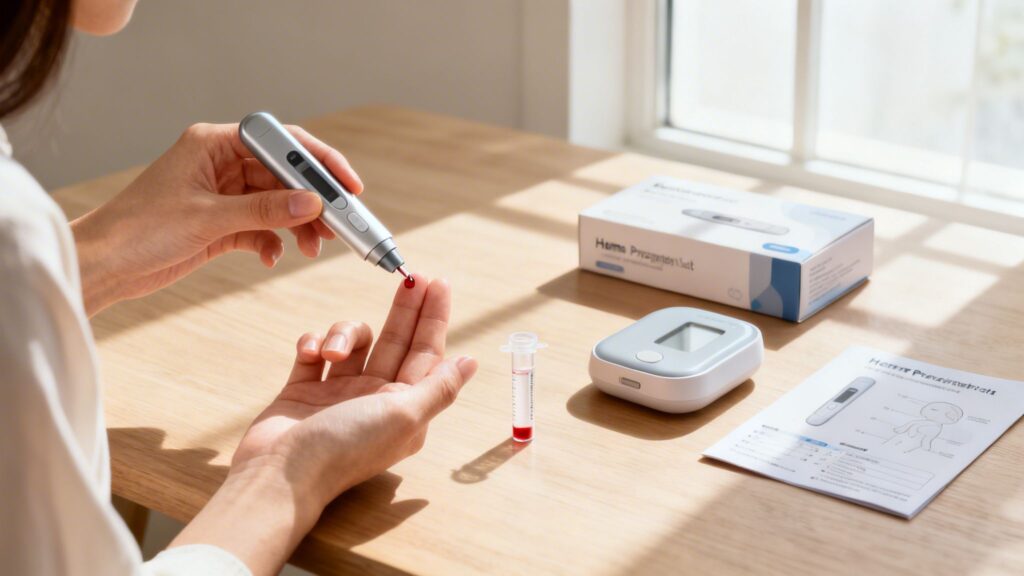
Our at-home Hepatitis B Antibody Test is a perfect example of this. It's a simple finger-prick test you can do from the comfort of your own home. You just send the sample off to our accredited lab, and within a few days, you'll know for certain if you have protective antibodies.
If the test comes back positive, you can show these results to your travel nurse and potentially skip a costly and unnecessary booster course. This could easily save you over £100. It’s a modern, evidence-based approach to travel health that puts you in control. If you're looking for other ways to get a handle on your health before you travel, our full range of private blood tests available in the UK can provide valuable insights.

These days, getting ready for a big trip is about more than just booking flights and packing. It’s also about checking in on your health before you go. This is where at-home testing fits perfectly into your plans, giving you a clear picture of your health baseline without the hassle of a clinic visit.
Let’s say you’re planning a tough trek through the Andes. Knowing your iron and vitamin levels beforehand is a game-changer. A simple at-home General Health Test lets you spot any deficiencies early, giving you time to adjust your diet or start supplements. It’s about making sure you have the energy to enjoy every single moment.
Taking this step gives you a much more complete picture of your wellbeing before you even sit down with a travel nurse. You’re no longer guessing; you’re making decisions based on your own health data.
Think of it as having a health map for your trip. You wouldn't head to a remote location without a map of the area, so why travel without understanding your own body's landscape?
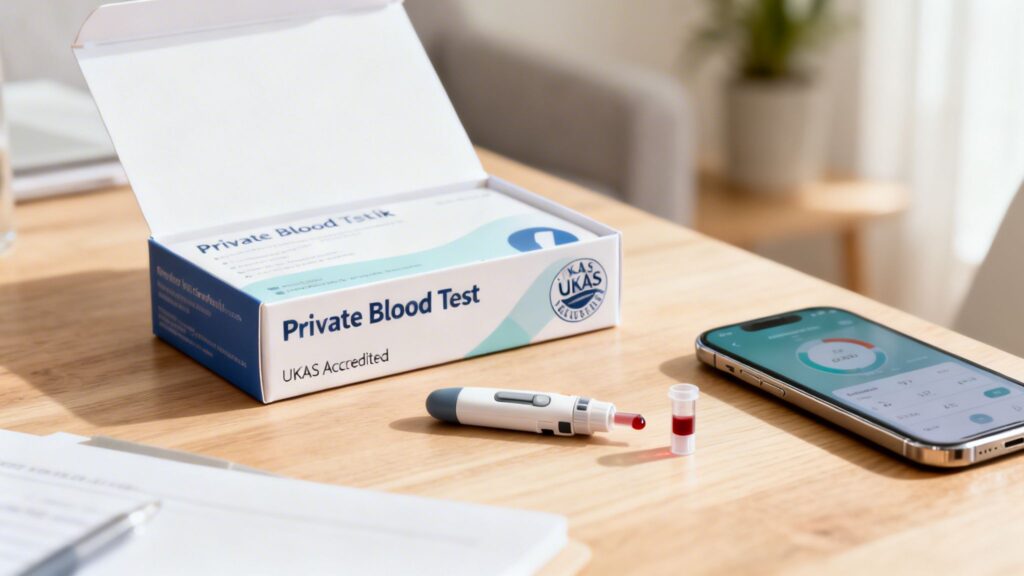
All our tests are processed in a UK-accredited lab, delivering clinically robust results straight to you. It's a convenient way to handle a crucial part of your health prep from home, fitting it around your own schedule. This really changes how you can approach your travel vaccination cost and your entire health plan.
Ultimately, at-home testing puts you in the driver's seat. It ensures that when you get on that plane, you’re not just prepared with the right jabs, but also with the knowledge that you’re in top condition for the journey. We've all seen how testing and travel now go hand-in-hand, with things like COVID-19 PCR kits becoming a normal part of getting ready to fly in recent years.
To wrap things up, let's tackle some of the most common questions UK and Irish travellers have about the cost and logistics of travel vaccinations. Getting clear answers helps you nail down your plans with confidence.
Ideally, you want to book your first travel health chat 6 to 8 weeks before you fly. This is a big one because many jabs, like Hepatitis B or Rabies, need multiple doses spaced weeks apart to give you full protection.
Even single-dose vaccines often need a couple of weeks to really kick in. Planning ahead is the simplest way to make sure you’re fully covered from day one of your holiday.
It's highly unlikely. Your local GP surgery can usually sort you out with the free NHS vaccines, like a Tetanus, Diphtheria, and Polio booster.
However, for the more specialised travel vaccines—think Yellow Fever, Japanese Encephalitis, or Rabies—you'll almost certainly need to head to a private travel clinic or a pharmacy that runs a dedicated travel health service. Your first port of call should always be your GP to find out exactly what they can offer.
For certain countries, you absolutely do. The most common one is an International Certificate of Vaccination or Prophylaxis (ICVP) for Yellow Fever, which is a non-negotiable legal requirement for many destinations in Africa and South America.
Always check the latest entry rules for every country on your itinerary on the Foreign, Commonwealth & Development Office (FCDO) website before you go. The last thing you want is an issue at the border.
Actionable Insight: Set a calendar reminder to check the FCDO website for your destination one week before you fly. Entry requirements can and do change, and a quick final check can save you a world of stress.
Yes, and this is one of the savviest ways to manage your travel health budget. If you're unsure about your vaccination history for something like Hepatitis B, using an at-home Hepatitis B Antibody Test is a brilliant, cost-effective first step.
A positive result showing you already have immunity could mean you dodge paying for an unnecessary booster or an entire vaccine course. That's a decent saving in both time and money.
At Repose Healthcare, we believe in making informed health decisions simple. Our at-home antibody tests provide clear, lab-verified results, empowering you to take control of your pre-travel health budget. Explore our full range of health tests at https://reposehealthcare.co.uk and travel smarter.