High prolactin in men can cause a whole range of unpleasant problems and symptoms. It’s also known as hyperprolactinemia and occurs when prolactin levels are too high compared to normal.
Symptoms in men and women differ slightly (though there is some overlap), and in this guide, we’ll focus specifically on how prolactin affects men, including the most common symptoms. It’s important to notice these symptoms so that you can seek out the right test and, from there, receive proper treatment. When you know what’s going on in your blood, such as high prolactin levels, you can take the steps towards better health.
Prolactin is a hormone produced in the anterior pituitary gland, which is located at the base of the brain. Its primary purpose is to produce milk, which is why it is also commonly referred to as the milk hormone. While prolactin is an aid predominantly in women’s fertility and reproductive health, men also need prolactin (albeit at lower levels) for their health, too. It has several key roles in men, including:
While low levels are needed in men, problems occur when high prolactin levels occur, causing issues such as infertility and a decreased libido. That’s why it’s generally good practice to take a home prolactin test from time to time, especially if you show symptoms of high prolactin (which we’ll go into in detail further down).
A healthy adult man will have low levels of prolactin in his blood to support his immune system and reproductive health. However, certain health factors can increase prolactin in the blood, causing symptoms like low libido. Here are the most common causes of hyperprolactinemia.
Prolactinoma is a very common type of tumour that is completely benign (non-cancerous). This tumour occurs in the pituitary gland and encourages the production of more prolactin. There are two main types:
The larger ones typically cause the most problems and may require surgery if medications are not effective enough.
Prolactinoma also comes with additional symptoms, including:
Certain medications can also cause an increase in prolactin levels, including:
In cases where a prescribed medication is having a major adverse effect on prolactin levels, doctors may switch your prescription to an alternative.
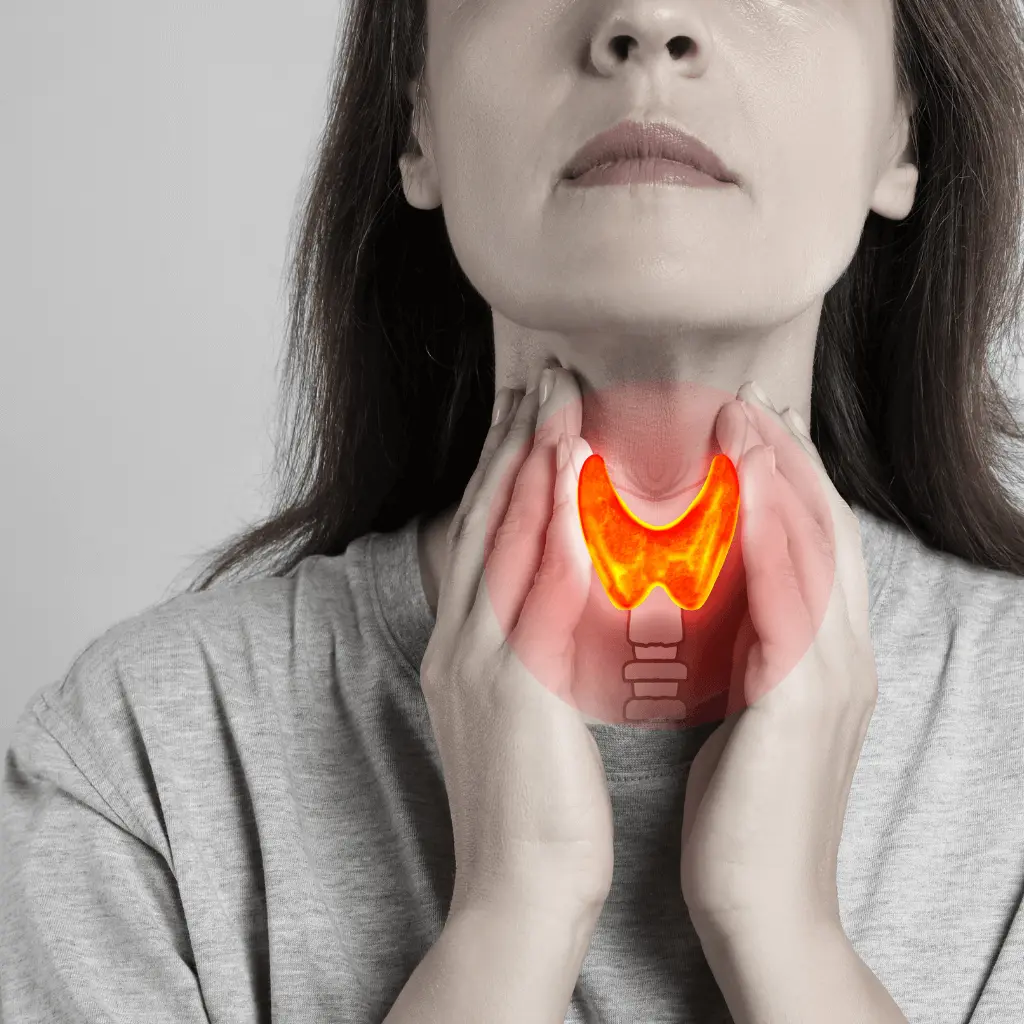
Hypothyroidism is an autoimmune condition characterised by an underactive thyroid gland. Essentially, the thyroid gland does not produce enough thyroid hormone, which slows the metabolic system, causing a range of symptoms such as tiredness, a slowed heart rate, and weight gain. On top of that, it can increase prolactin levels. When the thyroid fails to produce enough hormones, the pituitary gland responds by producing more TRH, which in turn releases additional prolactin. It is a type of chain reaction in the body.
Chronic liver disease can also increase prolactin levels. This is because the liver cannot function as it usually does, and that function involves clearing certain hormones, including oestrogen. That leads to elevated oestrogen levels, which have a knock-in effect on the pituitary gland, which then produces more prolactin.
Chronic stress can cause stress-induced hyperprolactinemia. This is because your body’s stress levels can stimulate the pituitary gland, the gland responsible for producing prolactin. This rapidly elevates your prolactin levels, leading to a range of symptoms like decreased libido and erectile dysfunction.
Spotting the symptoms of high prolactin in men early means you can address the problem sooner rather than later, and the good news is that high prolactin is typically very treatable. Here are the ten most common signs to watch out for.
A primary symptom of high prolactin in men is a reduced libido. You may find your sex drive is much lower than usual, and this is because of lowered production of testosterone that typically coincides with high prolactin.
Worried about low T? Learn how to naturally increase testosterone here.
Another sex-related symptom of high prolactin in men is erectile dysfunction. This refers to difficulty or complete inability to get or maintain an erection. It can have a big impact on a man’s confidence, not only in the bedroom but in other areas of his life.
The most serious symptom for many is the possibility of infertility. High prolactin in men often leads to reduced sperm count and sperm quality, which can impact a man’s ability to get a woman pregnant. Often, if a couple is experiencing difficulties with getting pregnant, a doctor will issue hormone tests that include looking into prolactin levels.
High prolactin can cause gynecomastia in men because of the impact on testosterone and oestrogen (less testosterone and more oestrogen). Gynecomastia refers to the enlargement of the breast tissue. You might notice slightly larger and tender breasts. There might be some pain, and the nipples may appear and feel puffier.
Another way high prolactin affects the male breast area is by producing nipple discharge. This is breast milk production, and it will often appear as a small amount of milky fluid leading out of one or both of the breasts.
High prolactin levels can cause reduced body and facial hair in men. You might notice hair loss around the beard, chest, and legs.
Men with high prolactin levels also often feel persistently tired. They may feel more lethargic throughout the day and unable to concentrate. Some men may feel drowsy, as if they haven’t slept enough, even if they have had a full night of rest.
High prolactin levels in men can also lead to sleep disruptions. It’s common for it to affect sleep quality in particular. So, you might find you have trouble falling asleep, staying asleep, or waking up at the correct hour. It can have a knock-on effect on the rest of your day, leaving you feeling tired.
If someone has high prolactin for a long period of time, it can cause weight gain. It will also typically be more difficult to lose that weight, at least until the high prolactin levels are addressed.
Another symptom of high prolactin in men (especially when they have had high prolactin levels for a long period) is osteoporosis. This leads to decreased bone density, making them more fragile and weaker.
Remember: If you notice any of these symptoms and you do not know what is causing them, it is important to get tested for high prolactin.
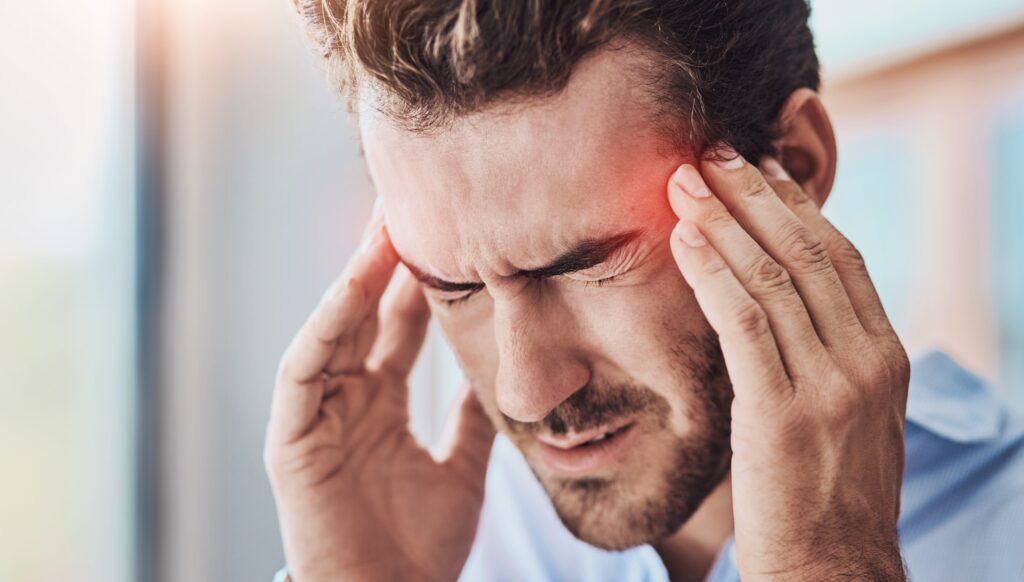
Most of the symptoms listed above coincide with high prolactin levels due to a range of causes, such as microprolactinomas (small benign tumours) and low testosterone.
However, the case may be more serious if you have a macroprolactinoma. A macroprolactinoma is a large benign tumour (over 10mm in size) in the pituitary gland that secretes prolactin. If it’s over 4cm, it’s considered giant and will cause even more issues. Signs of a macroprolactinoma include:
The most common symptoms of high prolactin levels in men include a low libido, erectile dysfunction, infertility, and enlarged breast tissue. While these symptoms are typically associated with high prolactin (with varying potential causes), there are instances in which they occur independently of high prolactin altogether.
This is when low testosterone is the root cause. Low testosterone is a common condition in men and has several causes, including:
Low testosterone can cause a myriad of problems for men. As mentioned, there is a lot of overlap with symptoms of high prolactin. Still, it also comes with other symptoms, such as shrinking testicles, depression, increased body fat, hot flashes, reduced muscle mass, and memory problems.
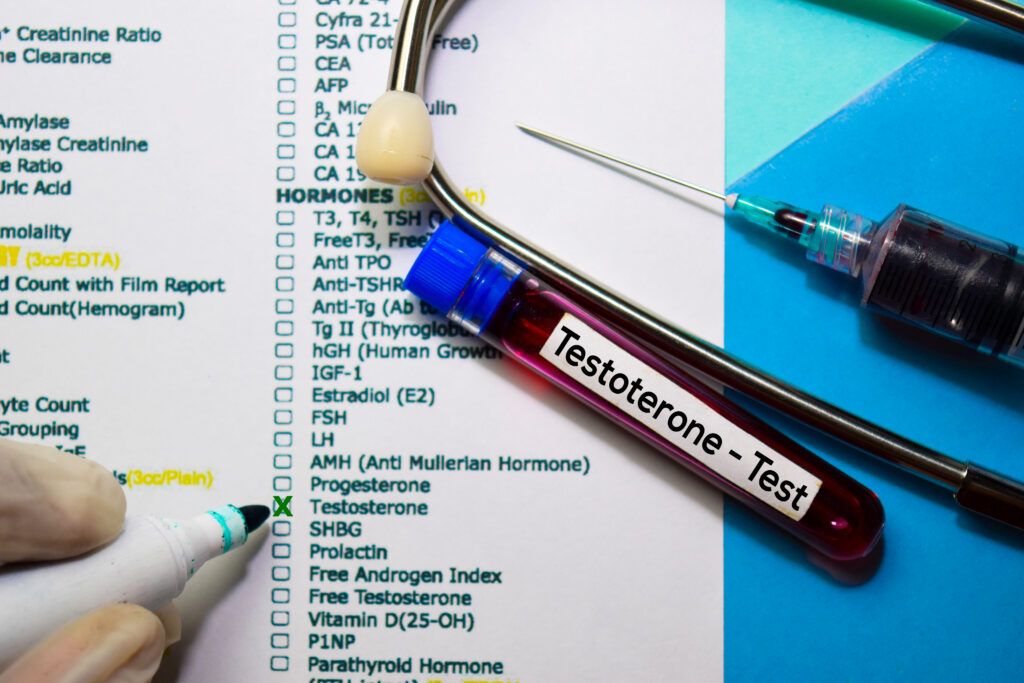
If you suspect your symptoms are caused by low testosterone, you can get a home testosterone test that will tell you exactly what’s going on with your levels, whether they are high, average, or low. Knowing your health in more detail is the first step to better health.
It’s important to understand that high prolactin in women manifests quite differently compared to high prolactin in men. Where men show signs like erectile dysfunction and a lower sex drive, in women, it can cause issues with fertility and the menstrual cycle. So, high prolactin levels in women are just as serious. This is why, if you suspect a problem, you should seek out a prolactin test. A diagnosis will put you on the path to treatment.
Have you noticed any concerning symptoms that point towards high prolactin levels in your blood? If so, doing a prolactin test is the next step.
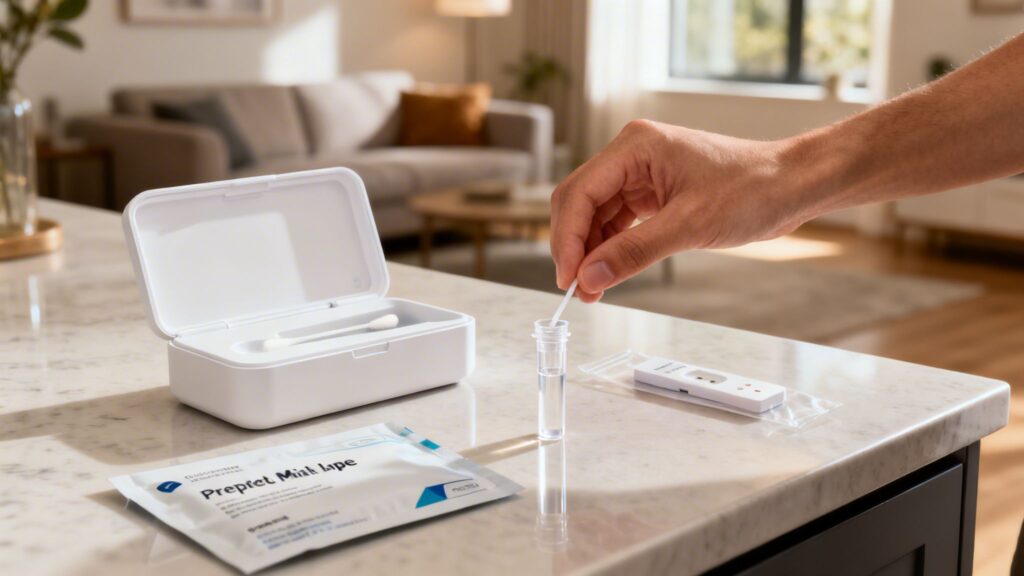
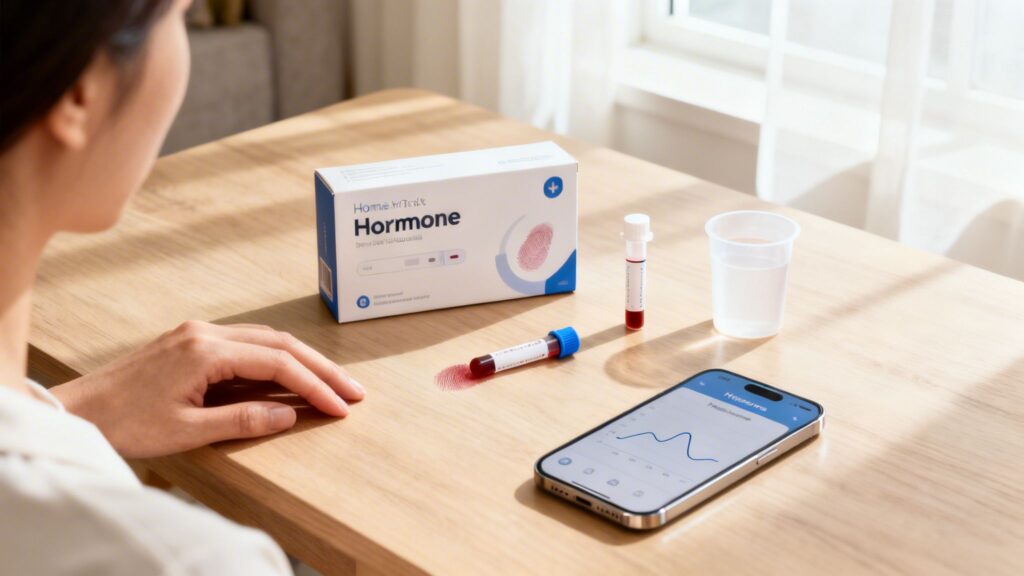
Fortunately, modern medicine makes testing for high prolactin easier than ever. You don’t even need to make an appointment with your GP if you choose the home testing route. Here’s how it works at each step.
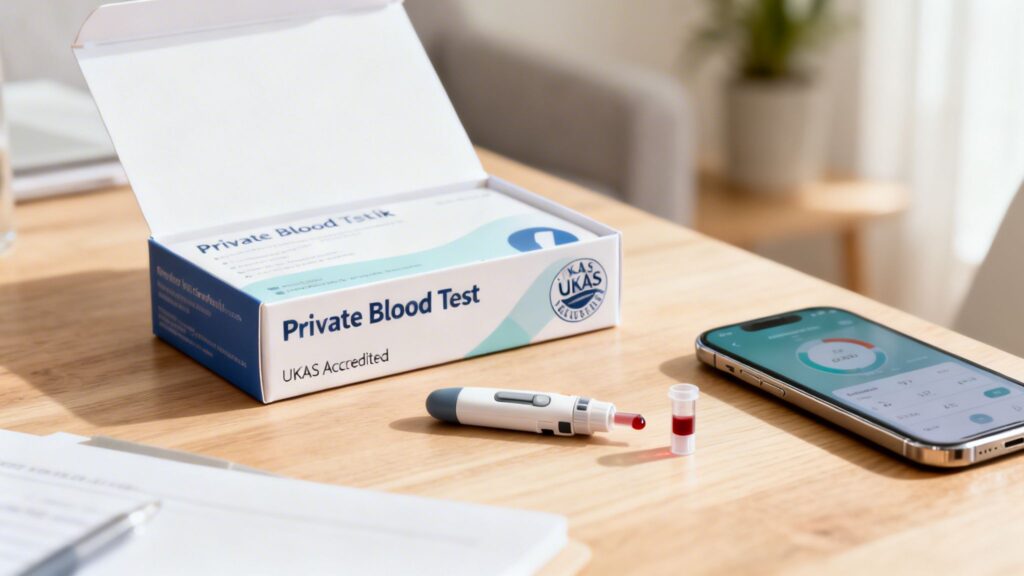
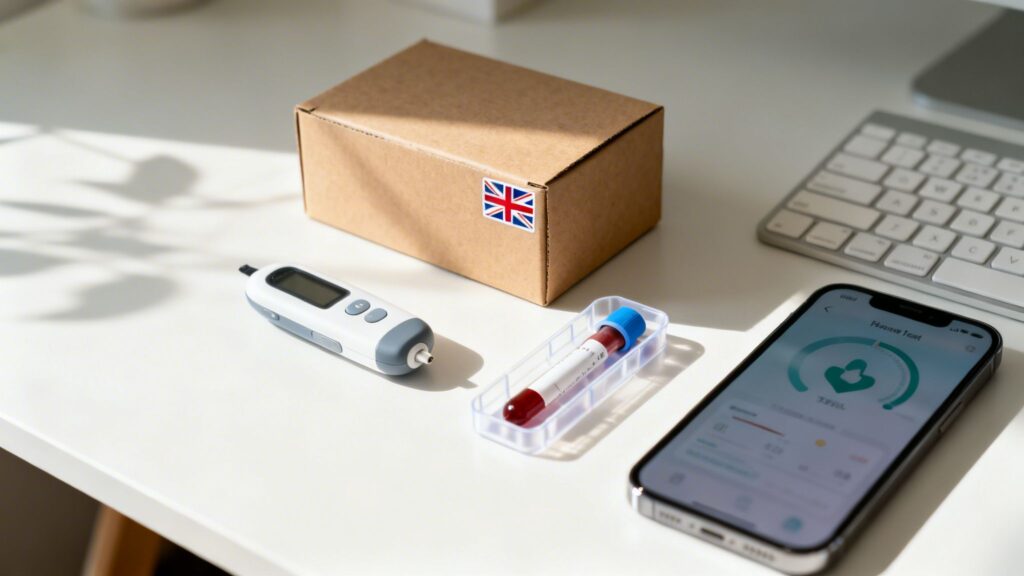
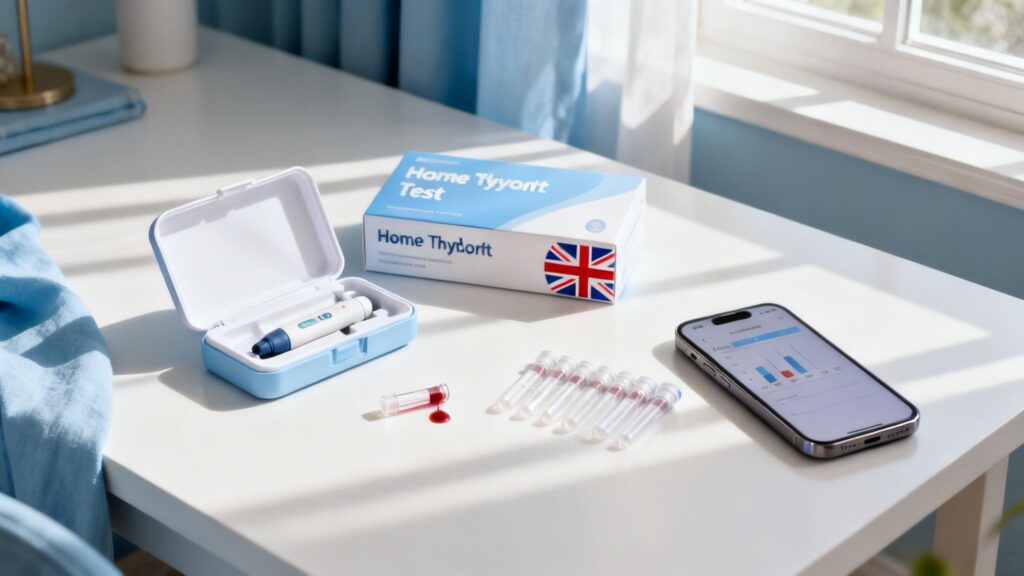
The first part involves finding the appropriate prolactin test for men on our Repose Healthcare website. You simply place the order by paying for the test and submitting the required information, such as your name and delivery address. From there, the test will be with you within a couple of working days.
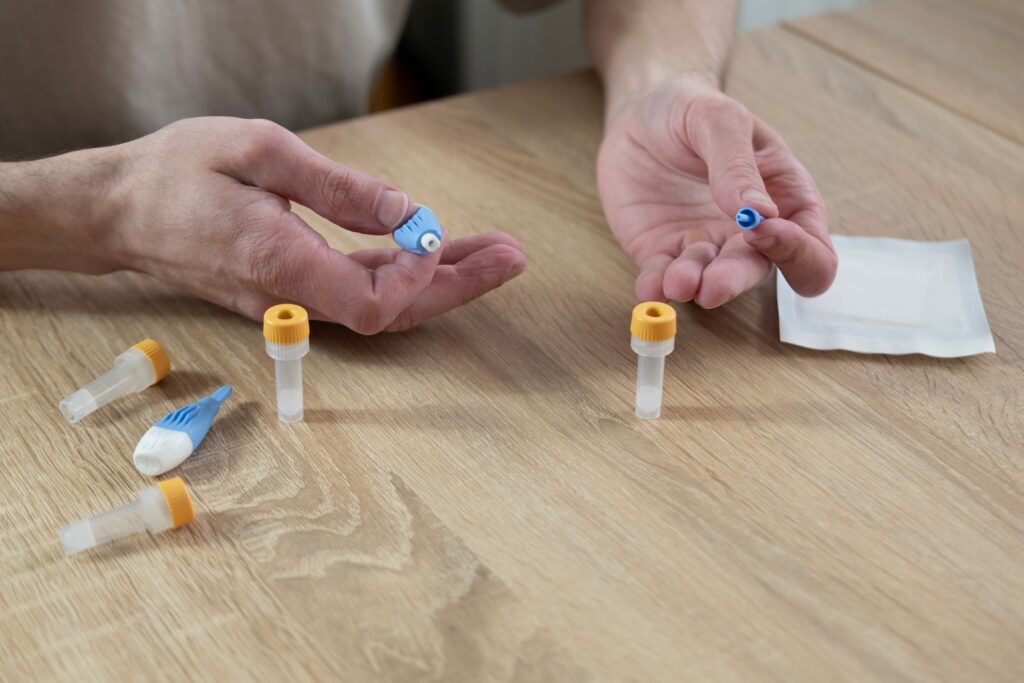
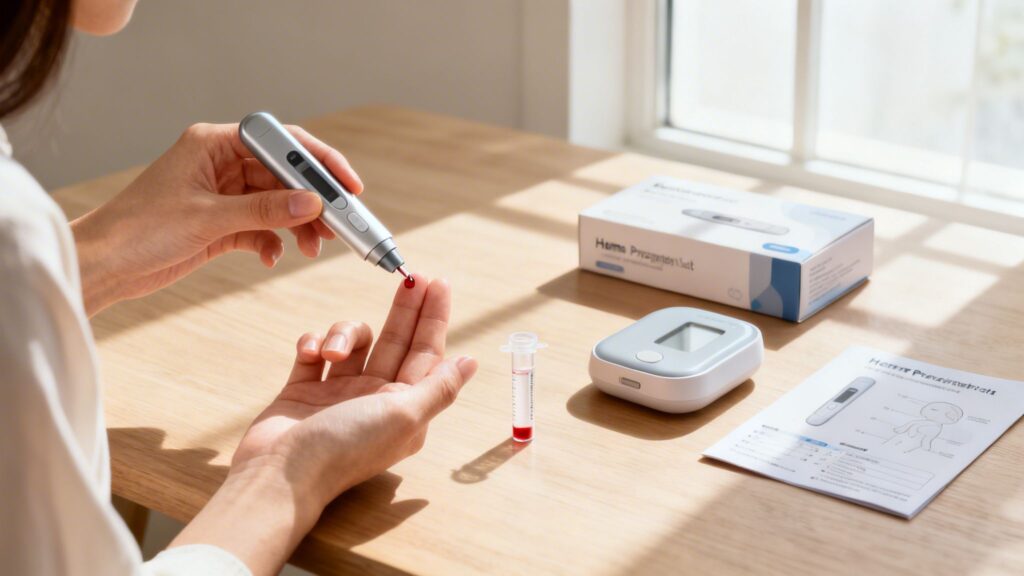
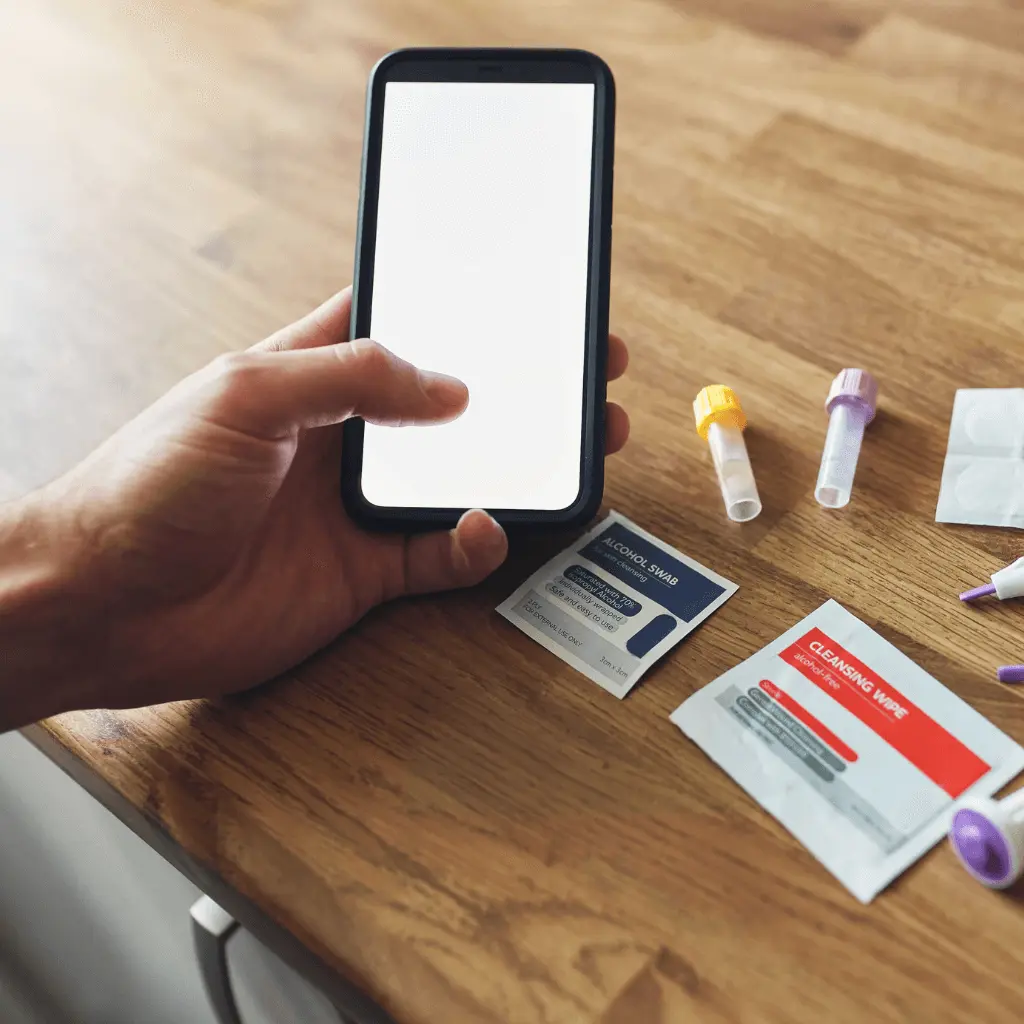
The next step is taking the finger-prick blood test. You can do this from the comfort of your home. It involves pricking your finger with a special needle that gets sent in the kit, and it shouldn’t hurt. You should expect a very small pinch-like sensation. If you struggle to collect blood, take your time and ask a family member or friend for help.
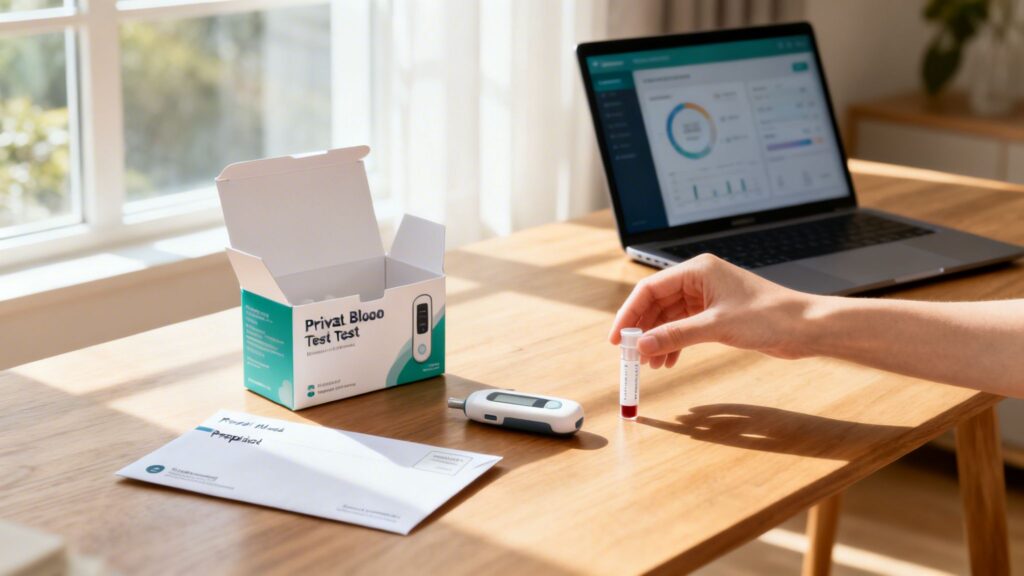
Follow the instructions in the testing kit to return the blood sample. It is very important to follow these to the letter so your sample isn’t rejected at the lab. The test kit will come with a prepaid envelope, so you just need to pop it into your local post box and it will arrive at the right place.
After a couple of days, you will be able to find the results of your prolactin test online. The results will be easy to read and will tell you whether your levels are low, average, or high.
The next steps will depend on what your results show. If you have high prolactin levels, you may need to book an appointment with your doctor to seek out a root cause. That way, you can understand what’s causing your high prolactin levels and, in turn, what to do to treat them.
The good news is that treating high prolactin is quite straightforward most of the time. It’s highly treatable and reversible as it’s typically caused by a prolactinoma, a small benign tumour that can be treated with medications or, in more severe cases, surgery.
Anybody who shows signs of high prolactin should take a prolactin test. If the test results come back to show high prolactin levels, that could help diagnose prolactinoma or another underlying cause, meaning you can begin treatment sooner rather than later.
A prolactin test is also useful after you begin treatment, as you can keep an eye on your prolactin levels over time. For example, if you discovered high prolactin was caused by prolactinoma, you can keep on measuring levels to monitor if the tumour comes back.
If you do have high levels of prolactin, you might wonder how to lower your prolactin levels. There are two main routes here:
The best option for you will depend on the severity of your prolactin levels.
If your prolactin levels are only slightly elevated, it may be possible to treat them naturally at home.
There are medical treatments for high prolactin levels. The most common medications include:
If medication is not enough to decrease prolactin levels, or if the high levels are caused by a large prolactinoma, then surgery may be necessary to remove the tumour.
Don’t ignore the symptoms of high prolactin. High prolactin is highly treatable, but the symptoms left unchecked can cause a myriad of problems, from erectile dysfunction to infertility.
The first step to getting treated is understanding whether or not you have high prolactin in your blood in the first place, and you can do that easily with one of our at-home blood test kits. As well as checking for prolactin, you can also get a home testosterone kit, as many of the low testosterone symptoms overlap with high prolactin. So browse our website now and order a kit to shed light on your hormonal health.