Waiting for blood test results during pregnancy can feel like an eternity. That question, "how long for pregnancy blood tests to come back?" is often the first thing on anyone's mind. While NHS timelines can vary depending on where you are and the specific test, at-home services offer a clear and fast path to the answers you need.
For instance, our Quantitative hCG Pregnancy Test delivers GP-reviewed results directly to your secure online dashboard within just 1–3 working days after our partner lab receives your sample. This means you can get a definitive answer early on, without the wait.
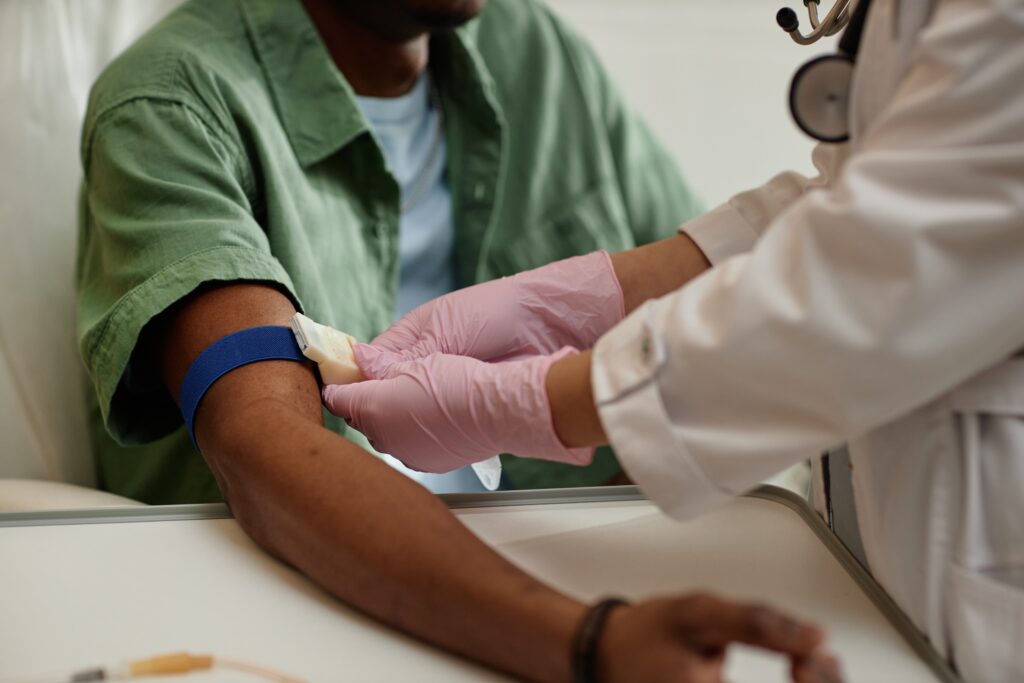
The journey from taking a blood sample to you seeing a result has a few key stages, and each one can add to the total wait time. Think of the traditional route: you schedule a GP appointment, they take the sample, it gets collected by a courier, delivered to a hospital lab, and then you wait for a follow-up call. Each step can add days to the process.
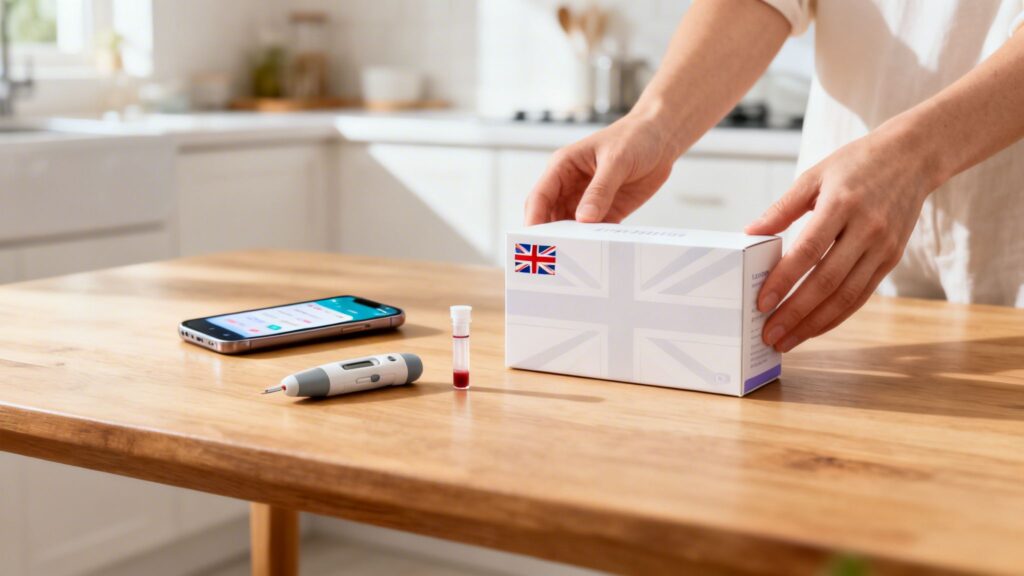
An at-home testing service, on the other hand, is designed for efficiency. You are in control of the first step. For example, by collecting your sample on a Monday morning and using the provided tracked 24-hour postage, you ensure it arrives at the lab promptly, kicking off the analysis without delay.
This direct approach means you're not left in the dark. By cutting out common hold-ups like waiting for an appointment or navigating sample transport logistics, you get a much clearer picture of when to expect your results. This is especially reassuring in early pregnancy when every single day can feel like a week.
The real difference is in the process: one is built around institutional schedules, while the other is built around your need for timely, reliable information.
The main distinction often comes down to what happens after your sample is taken.
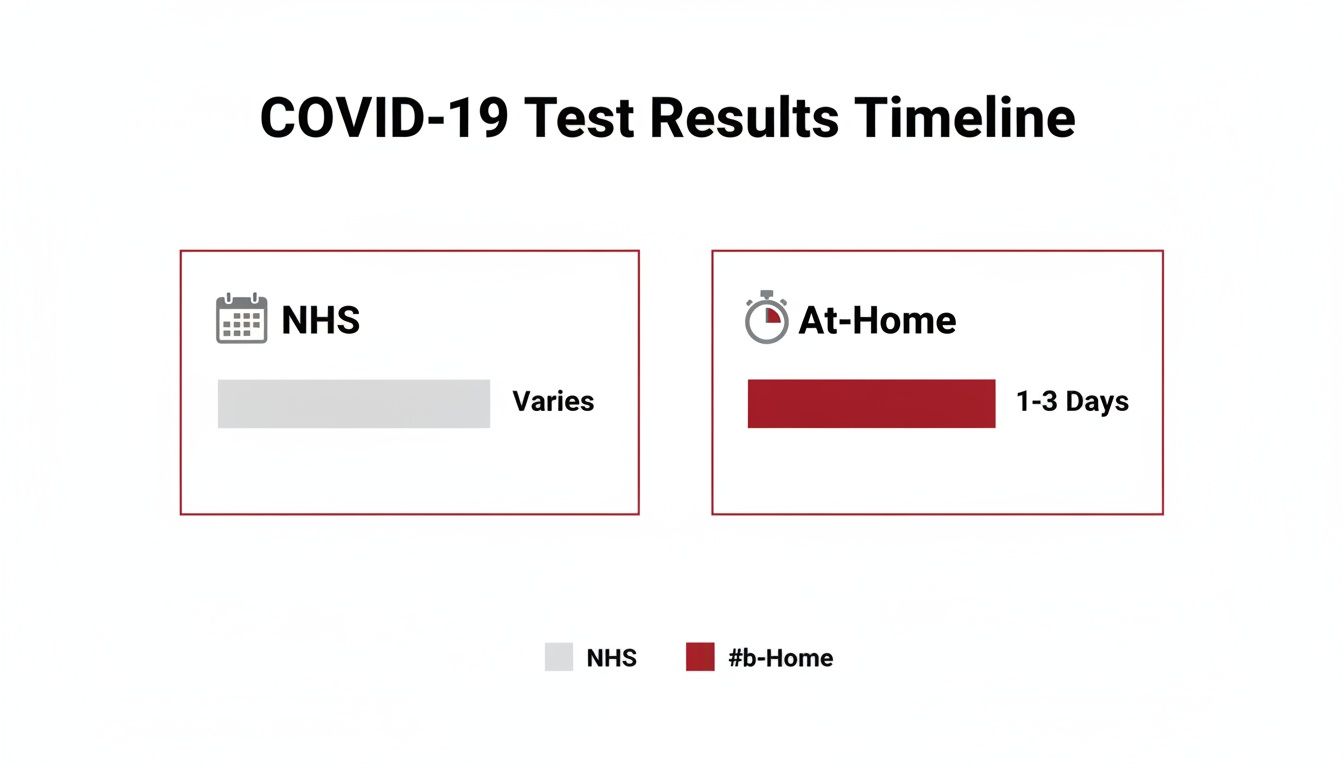
This quick comparison highlights the core benefit of at-home services: a predictable and consistently faster turnaround for results you can’t wait for.
While the NHS provides absolutely essential and thorough antenatal care, its timelines are naturally subject to regional demand and resources. In contrast, Repose Healthcare is set up specifically to minimise these variables and get you answers quickly.
By partnering directly with UK-accredited laboratories and using prepaid Royal Mail 24 tracked postage, we ensure your sample's journey is as quick and direct as possible, giving you peace of mind when you need it most.
Let's take a practical example. You order a Quantitative hCG Pregnancy Test online. It arrives the next day. You take the simple finger-prick sample on Monday morning and post it in a priority postbox. The lab receives it Tuesday, and by Wednesday afternoon, you receive a notification that your GP-reviewed results are ready in your secure online dashboard. This speed and predictability are what our service is all about.
Instead of waiting for a phone call or a follow-up appointment to chase results, you get a simple notification the moment they're ready. This empowers you to act on the information right away, whether that means celebrating good news or booking your first midwife appointment.
To give you a clearer idea, here’s a quick comparison of typical result turnaround times for essential pregnancy blood tests, covering both at-home services and standard NHS pathways.
| Test Type | Typical At-Home Service Turnaround | What It Measures |
|---|---|---|
| Quantitative hCG Test | 1–3 working days | The precise amount of hCG hormone to confirm and date a pregnancy. |
| Qualitative hCG Test | 1–3 working days | Detects the presence of hCG to give a simple yes/no pregnancy result. |
| Blood Group & Rh Factor | 2–5 working days | Identifies your blood type (A, B, AB, O) and Rh status (positive/negative). |
| Antenatal Infectious Disease Screen | 2–5 working days | Screens for infections like syphilis, hepatitis B, and HIV. |
This table shows how at-home testing can significantly shorten the waiting game for key pregnancy milestones and health checks. While every test has its own lab processing time, the overall process is designed to be as swift and seamless as possible. You collect your sample, post it back, and we handle the rest, keeping you informed every step of the way.
Not all pregnancy blood tests are created for the same reason. When you're trying to figure out what's happening in your body during early pregnancy, knowing the difference between tests is crucial for getting the right answers. Think of it like this: one test tells you if you're pregnant, while another tells you how pregnant you are.
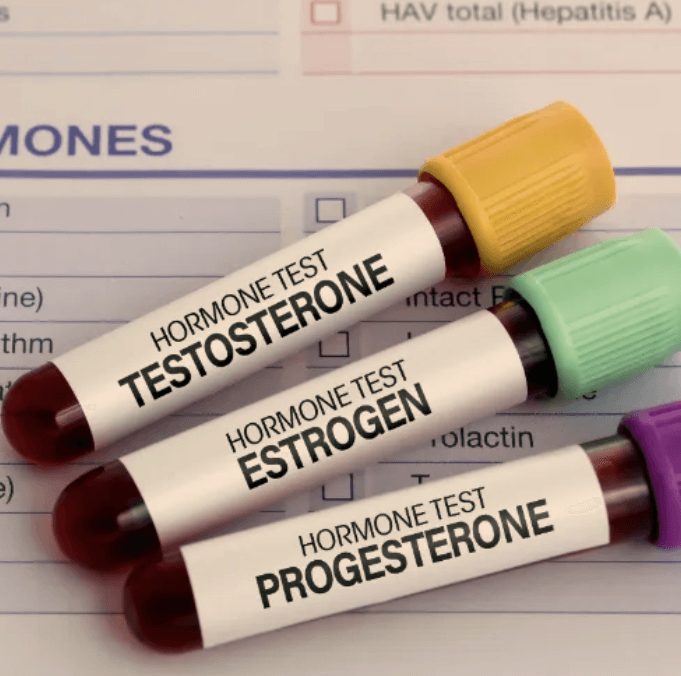
The two most common blood tests for confirming a pregnancy both zero in on a hormone called human chorionic gonadotropin, or hCG. This is the key hormone your body starts producing once an embryo has implanted in the uterus.

First up is the qualitative hCG test. This is the most straightforward of the two, acting like a simple on/off switch. It detects whether hCG is present in your blood, giving you a clear 'yes' or 'no' answer to the big question, "Am I pregnant?" It's similar to a standard home urine test, but more sensitive.
Then you have the quantitative hCG test, sometimes called a beta hCG test. This one is more like a measuring cup. Instead of just a simple yes or no, it tells you the exact amount of hCG in your bloodstream, measured in milli-international units per millilitre (mIU/mL). This level of detail is incredibly valuable for monitoring how a pregnancy is progressing in the very early stages, as hCG levels should typically double every 48–72 hours.
For actionable insights you can track from home, our Quantitative hCG Pregnancy Test provides exactly this level of detail. Getting to grips with these hormonal fluctuations is a key part of the pregnancy journey; you can check out our guide on how female hormone blood test results are explained to learn more.
Beyond just confirming a pregnancy, blood tests are fundamental to antenatal care. These screenings provide a vital health snapshot for both you and your baby, helping to spot potential issues before they become serious.
Some of the key antenatal blood tests include:
To see how these tests fit into the bigger picture of your prenatal care, it can be really helpful to consult a comprehensive trimester-by-trimester guide. Having this broader context helps you understand how each result contributes to a healthy pregnancy plan.
Ever wondered why one blood test result pings into your inbox the next day, while another seems to take an age? It’s not that some labs are just slower. The truth is, your sample goes on quite a journey, and several crucial steps can influence how long you’ll be waiting for that all-important answer.
Think of your blood sample like a parcel you’ve just posted. Its trip from your home to the lab and through the analysis machine is affected by logistics. For instance, a sample you collect and post on a Friday afternoon probably won't even land in the lab until Monday morning. Throw a bank holiday into the mix, and you’ve added another day’s delay. This is a common bottleneck that can turn a quick test into a much longer wait.
Actionable Insight: To get the fastest possible results, always aim to collect and post your sample between Monday and Thursday morning. This ensures it arrives at the lab on a working day with plenty of time for processing.
Once your sample finally arrives at the laboratory, its journey isn't over. The complexity of the test itself is a huge factor in how long the results will take. A simple qualitative test that just gives a 'yes' or 'no' answer can be turned around much faster than a detailed quantitative analysis or a full antenatal screen.
The lab's own schedule is another piece of the puzzle. Laboratories, like any workplace, have their own rhythm and routines. Here are a few things going on behind the scenes that can affect how quickly you get your results:
This is where choosing a service that’s built for speed really makes a difference. At Repose Healthcare, we use prepaid, tracked Royal Mail 24 postage to cut down on those transit delays. Your sample goes straight to our UK-accredited partner labs, which are set up for efficient, streamlined processing.
By smoothing out the journey from your letterbox to the lab, we can consistently deliver on our promise of a 1–3 working day turnaround from the moment your sample is received. This takes the guesswork out of waiting and gets you the timely answers you need.
Ultimately, knowing about these factors helps you plan better. When you understand the path your sample takes, you can make smarter choices to get your pregnancy blood test results that much faster.
The wait for answers during pregnancy can be incredibly stressful, but at-home testing is designed to put you back in control. Instead of juggling clinic appointments, waiting rooms, and follow-up calls, our entire process cuts out the usual delays to get you reliable results, faster.
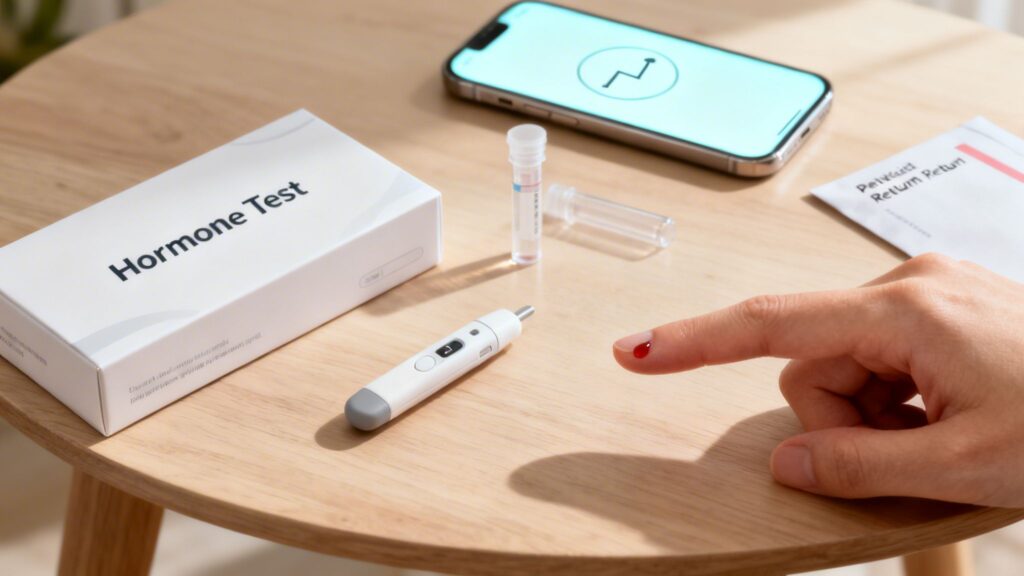
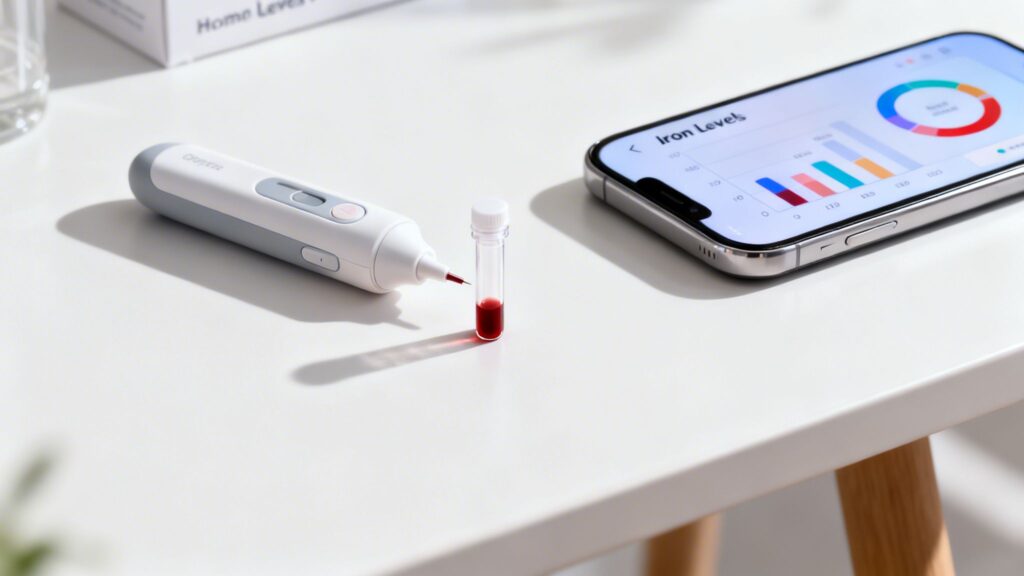
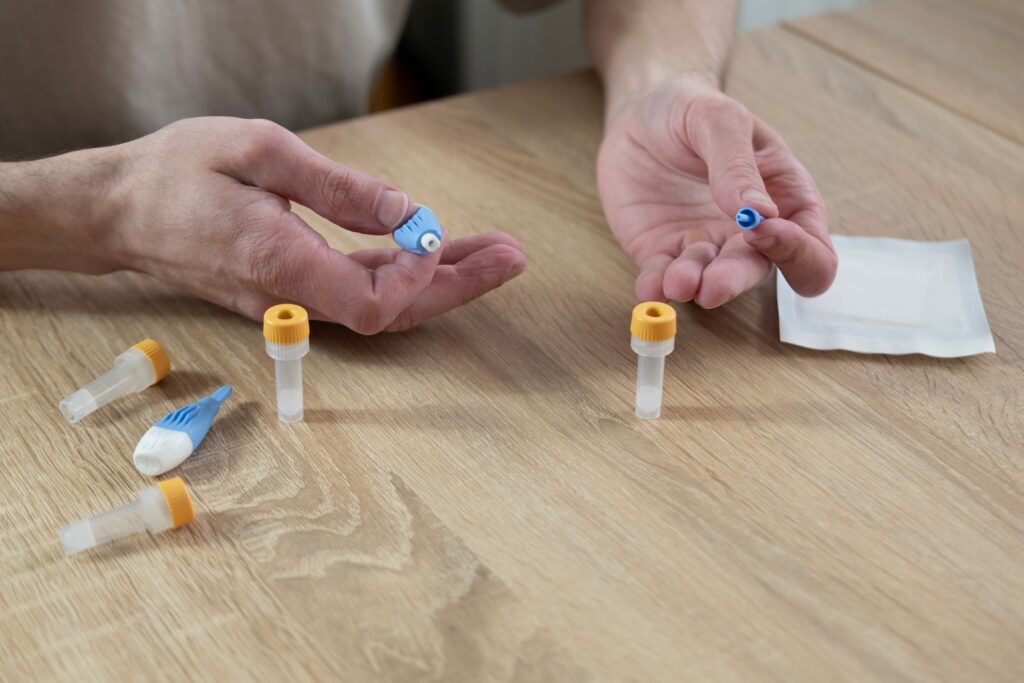
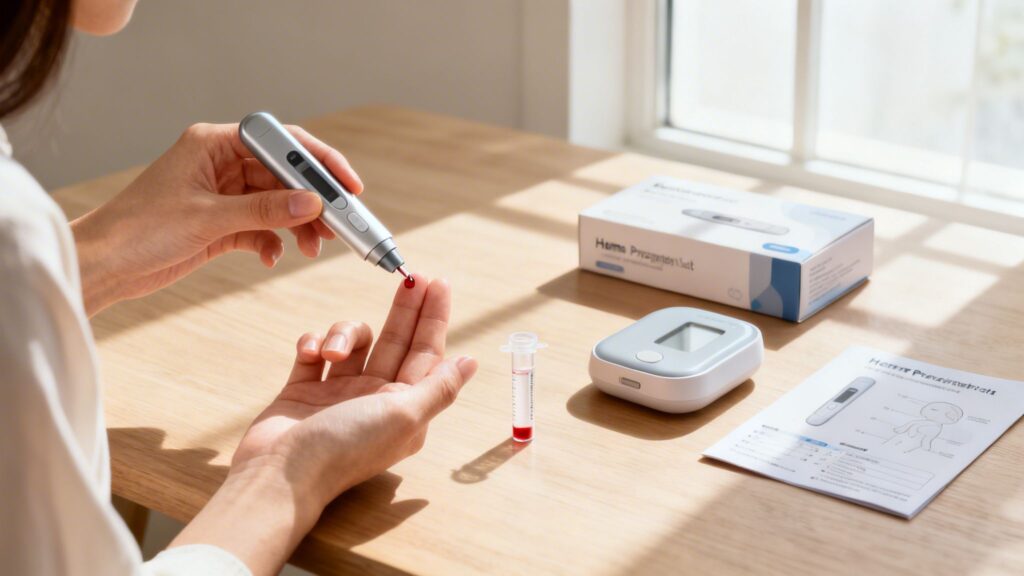
It all starts the moment you order your Quantitative hCG Pregnancy Test. It arrives in discreet packaging with everything you need, including simple, step-by-step instructions and prepaid, tracked return postage. There's no guesswork; you just collect your sample from the comfort of your own home and pop it in the post.
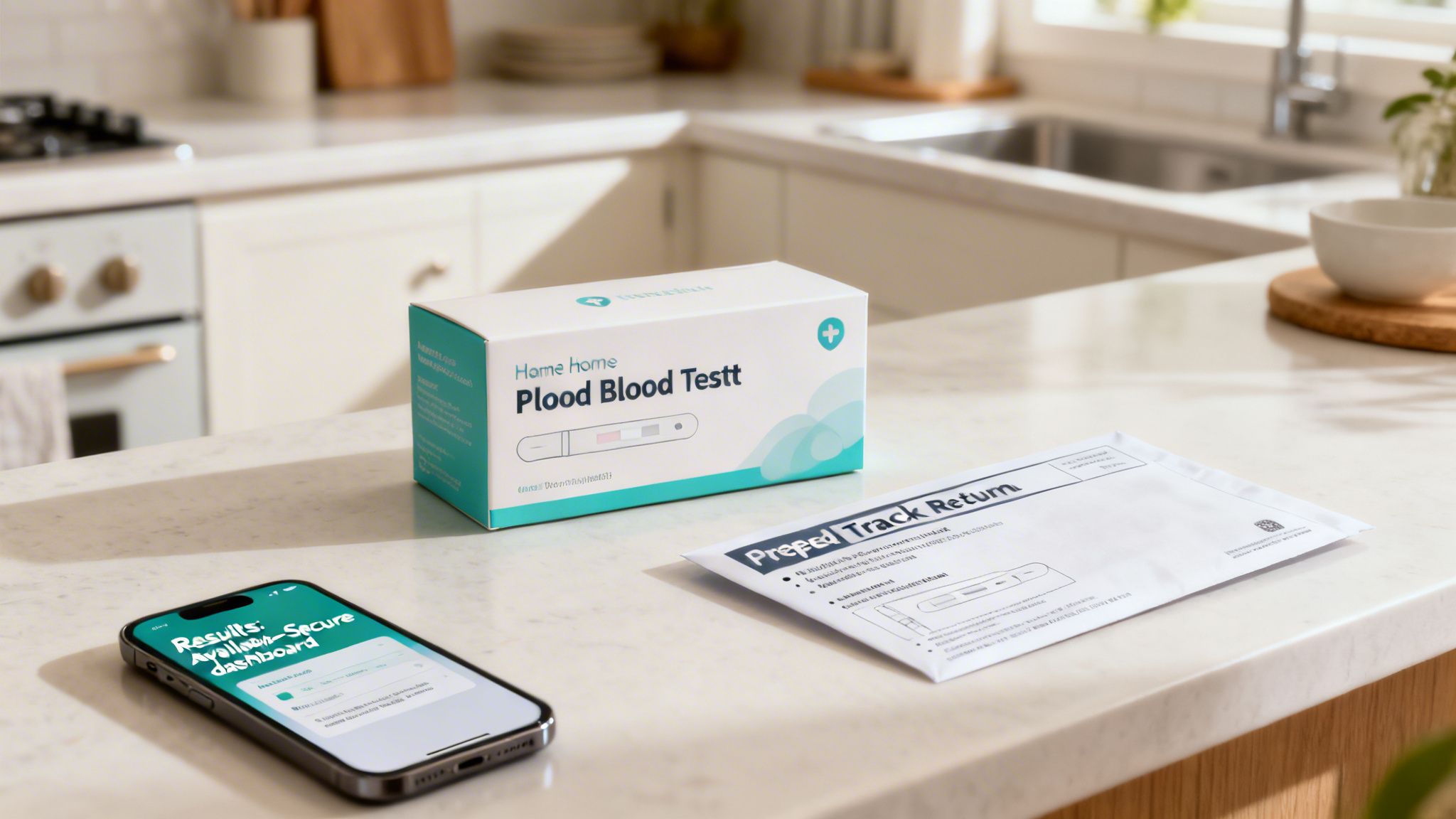
Once you post your sample in a priority postbox, it travels directly to one of our UKAS-accredited partner labs. These are the same high-standard, regulated facilities the NHS uses, so you can be confident your test is analysed with the highest clinical precision. This direct-to-lab model is the secret to our speed.
By cutting out the middlemen and administrative hurdles, your sample gets down to business almost as soon as it arrives. This is how we’re able to consistently deliver GP-reviewed results within just 1–3 working days of the lab receiving your sample.
This level of efficiency is standard in top UK labs. For instance, specialised pregnancy testing labs often process samples within 24 hours of receipt, operating with accuracy rates that exceed 99%. It’s this commitment to stringent protocols that ensures both speed and complete reliability.
The moment your results are ready, we’ll send you a notification. You can then log in to your secure online dashboard to see a clear, easy-to-understand report. The information is put directly into your hands, empowering you to plan your next steps without waiting on anyone else.
The whole process is designed to be as simple and effective as possible, especially when time feels so critical. Our guide on how finger-prick blood tests at home work explains the sample collection in more detail. It’s a modern approach to healthcare that gives you the fast, trustworthy answers you deserve, all on your own terms.
Getting your results back is a big moment, but figuring out what to do next is just as important. Instead of a complicated medical report, Repose Healthcare gives you GP-reviewed results on a secure online dashboard, all laid out in a clear, easy-to-understand way. Our goal is to give you clarity, not confusion.
When that notification pops up, it’s your green light to move forward. Having direct access means you can look at your results in your own time, process them privately, and decide on your next steps without any delay.
Understanding what your results actually mean is the first practical step. An at-home blood test is designed to give you specific bits of information, and knowing how to use them is key.
Actionable Insight: Download your results report as a PDF from your dashboard. You can then email it directly to your GP's practice or have it ready on your phone for your first midwife appointment. This ensures your healthcare team has the information immediately.
Once you’ve got your head around the results, it’s natural to start thinking about the bigger picture. Preparing for motherhood can feel overwhelming, but a practical guide for first time mum essentials can really help you navigate this exciting new phase. Your test results are simply the first piece of the puzzle in building your complete antenatal plan.
This all speaks to just how efficient UK testing protocols are. National performance standards for antenatal screening are consistently high. For instance, a UK government report found that a massive 95.3% of combined first-trimester screening tests were completed within just 3 working days, making sure women get vital information quickly. You can read more about these impressive antenatal screening standards. Our service mirrors this focus on speed and accuracy, giving you the power to start your pregnancy journey with confidence.
When you’re waiting on something as important as a pregnancy blood test, it’s completely normal to have a million questions running through your head. We get it. To help put your mind at ease and give you a clearer picture of what to expect, we’ve put together answers to some of the most common queries we hear.
This is probably the number one question on everyone’s mind. A blood test can pick up the pregnancy hormone, hCG, as early as 7–12 days after conception. That’s often before you’ve even missed a period, which makes it one of the earliest and most reliable ways to know for sure.
Our Quantitative hCG Pregnancy Test is designed specifically for this. It doesn’t just give you a yes or no; it measures the precise amount of hCG in your system. For the clearest result, we usually recommend testing around the time your period would be due. By then, hCG levels in a healthy pregnancy are rising fast, which helps avoid any confusing or ambiguous results.
Absolutely. Our at-home test kits are processed in the very same UKAS-accredited laboratories that the NHS and private clinics rely on. UKAS accreditation is the gold standard for quality and precision, guaranteeing that every sample is analysed according to the strictest clinical protocols.
The science behind the test is identical. The only real difference is that you collect your sample comfortably at home and see your results much faster on our secure online dashboard. You're getting NHS-level quality with the speed and convenience of a private service.
If you have more questions like this, you might find our full frequently asked questions page helpful.
To get your pregnancy blood tests how long for results time down to a minimum, being strategic is key.
First, read the instructions in your kit before you start. Timing is also critical. Collect your sample early in the day between Monday and Thursday, and post it the same day using the Royal Mail 24 tracked packaging we provide.
Actionable Tip: Find a Royal Mail priority postbox near you using their website or app. These boxes often have later collection times and more frequent pick-ups, which can shave valuable hours off the transit time to the lab, helping us stick to our 1–3 working day turnaround promise.
Following these small steps helps iron out any potential delays and keeps the whole process running smoothly.
Yes, and a quantitative hCG blood test is the perfect tool for the job. While a qualitative test just confirms pregnancy with a 'yes' or 'no', a quantitative test gives you a specific number—the exact level of hCG in your blood. This is incredibly valuable in the early weeks.
In a healthy, developing pregnancy, hCG levels typically double roughly every 48–72 hours. By taking two tests a few days apart, you and your doctor can track this rise, offering valuable reassurance. You can purchase our Quantitative hCG Pregnancy Test as needed to monitor your journey. This provides concrete data for more informed conversations with your GP or midwife about how things are progressing.
At Repose Healthcare, our goal is to give you clear, accurate, and fast health insights that empower you to make informed decisions. Whether it's for fertility, general wellness, or something in between, our at-home testing kits are designed to deliver the answers you need, when you need them.
Take control of your health journey today. Explore our full range of tests at https://reposehealthcare.co.uk.