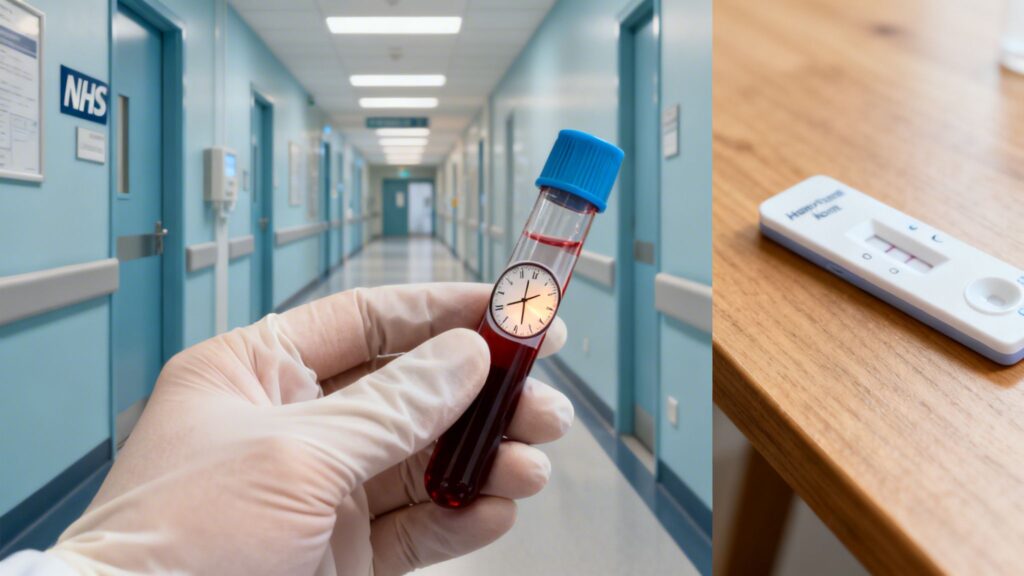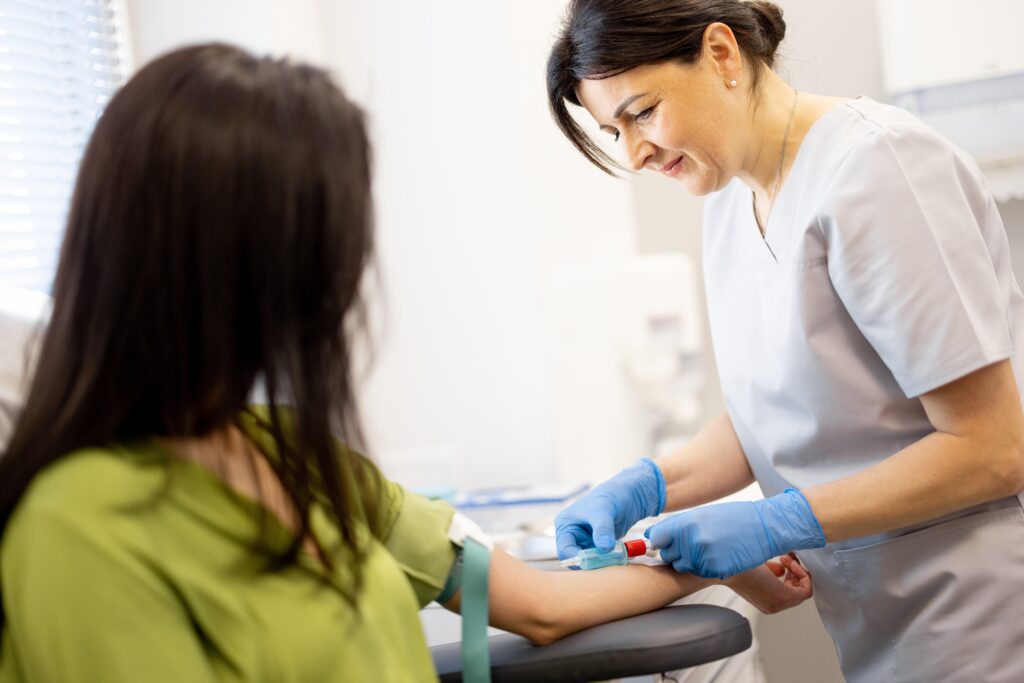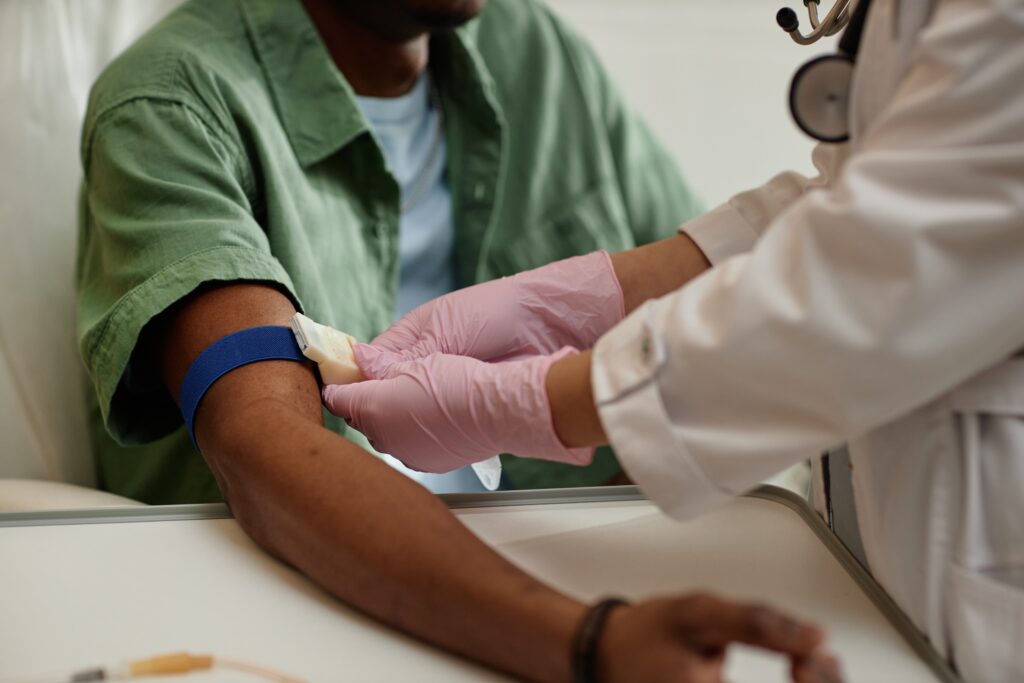
When you are told you need surgery for whatever reason, it is completely natural to want to know what’s going to occur from beginning to end, and that includes any pre surgery blood tests. It’s an important part of the process, with preoperative blood tests usually being carried out by either a nurse or doctor to determine the fitness level of the patient to ensure they receive the right anaesthetic and surgical treatment.
Pre op blood work doesn’t look the exact same for everyone, though. It’s based on factors such as:
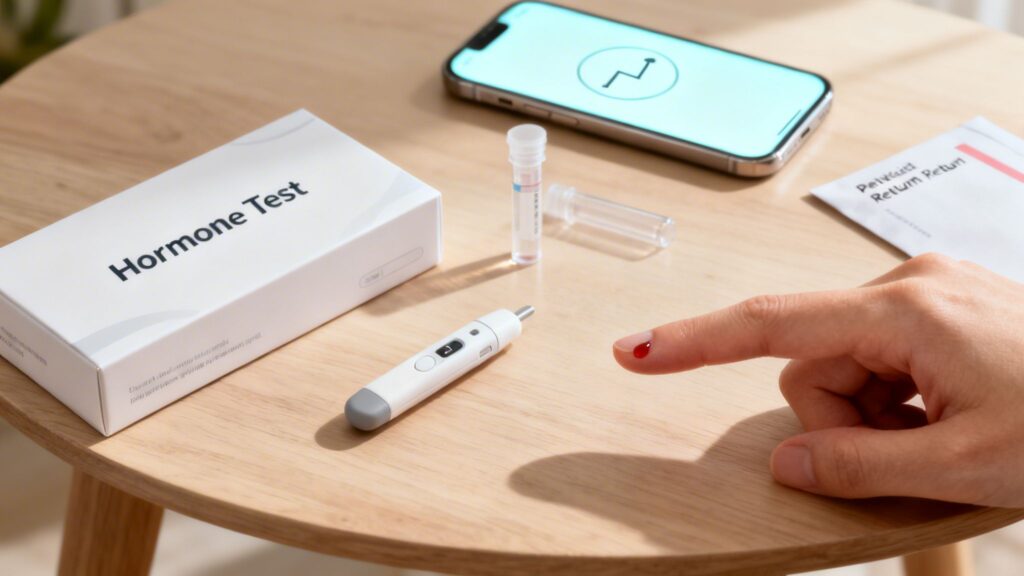
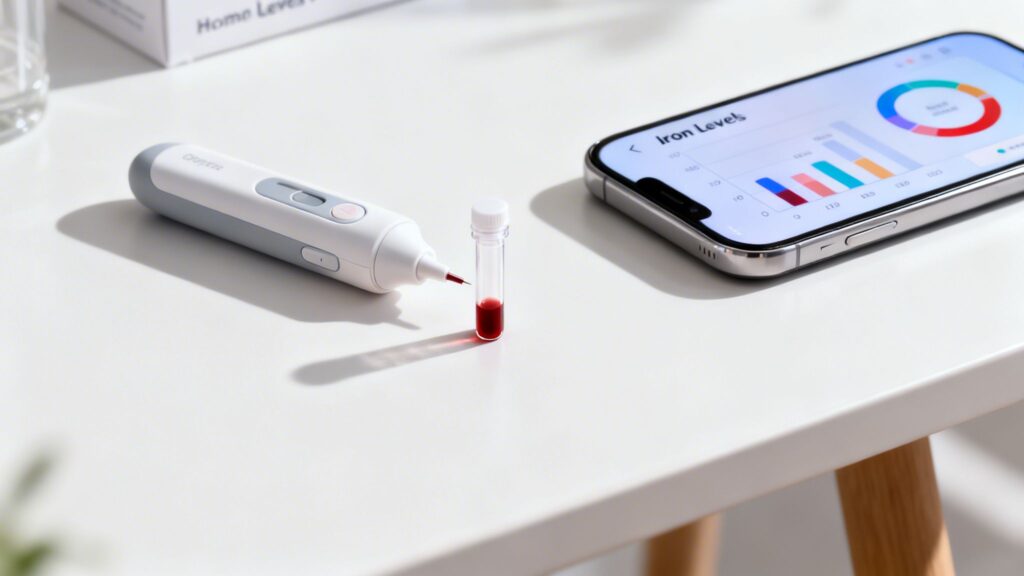
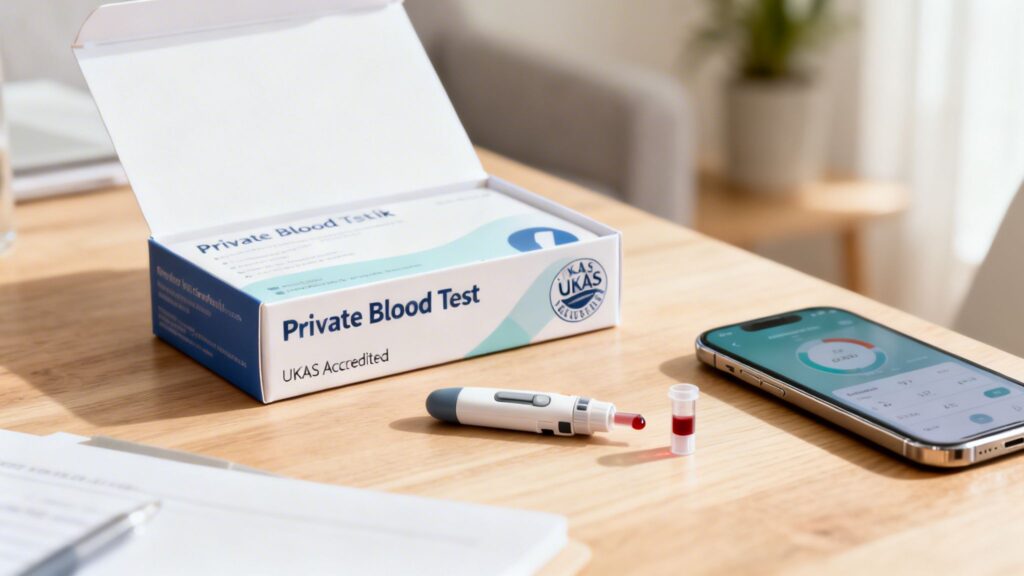
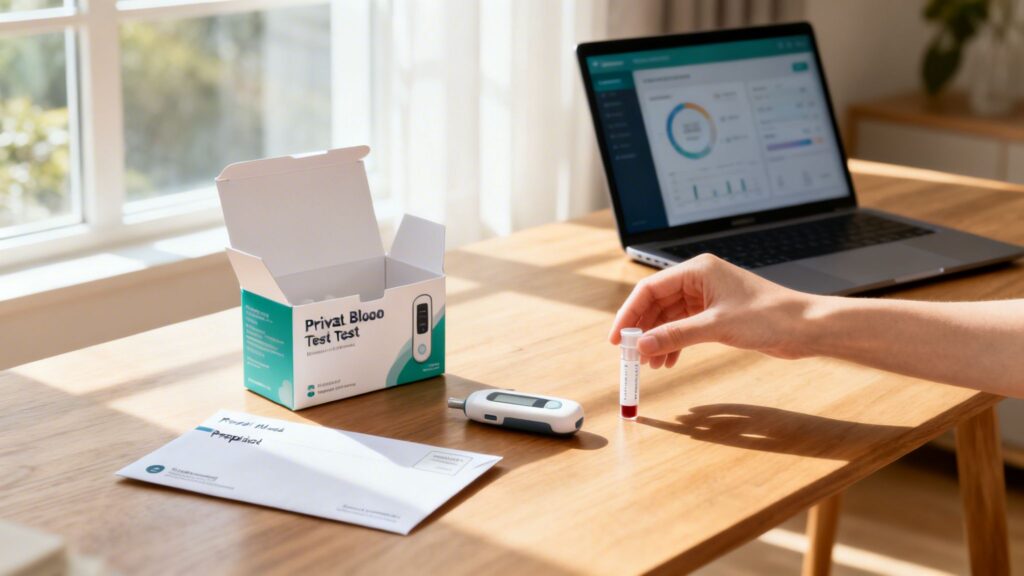
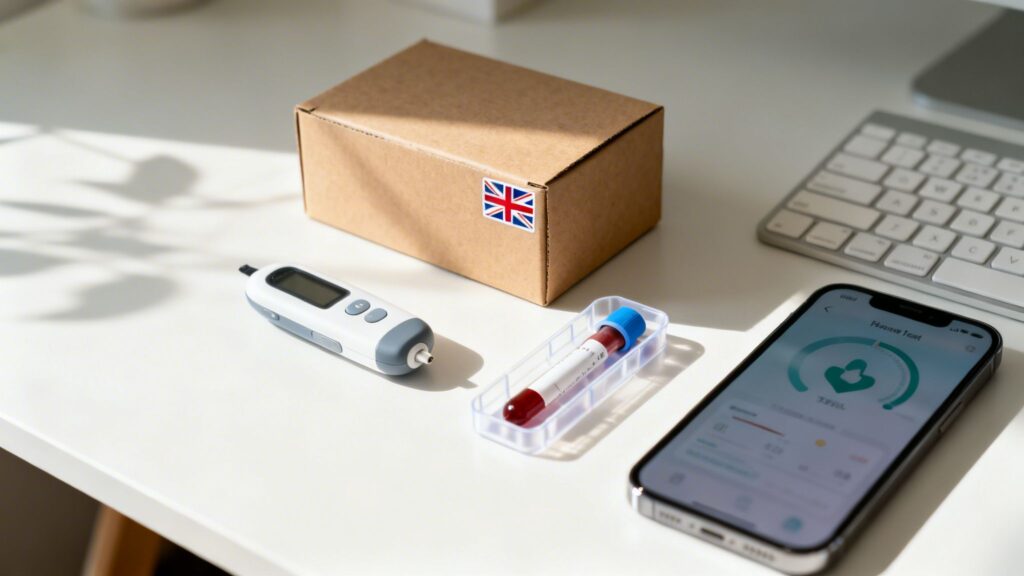
If you want to have an even clearer idea of what’s to come regarding your surgery, you may even want to check up on your general health with a private test at home. These can check for things like liver health, kidney health, and blood count. With Repose’s at-home kits, you can do just that, with results getting back to you in just a few short days. Keep in mind that these kits are useful for giving an insight into your health, and they do not replace hospital tests or an anaesthetist’s decision.
A pre-operative assessment is an appointment with a doctor or nurse that involves them evaluating your health to minimise risks during surgery and determine your fitness for surgery anaesthesia. It’s all about ensuring the upcoming surgery is as safe for you – the patient – as possible, so it’s extremely important, and there’s no option of missing it.
Once you arrive at the pre op clinic, you’ll go through the surgery and anaesthetic assessment by giving a full medical history and medications review. Medications are always reviewed, and they may be adjusted as needed before surgery. On top of that, they’ll take some basic observations, such as taking your blood pressure, heart rate, weight, oxygen levels, and pre surgery blood tests.
You might wonder: Why do I need blood tests before surgery? The purpose of pre surgery blood tests is essentially to perform a surgical risk assessment and determine anaesthetic safety. With these blood tests, doctors and nurses can check for:
If a patient is taking a particular medication, the blood tests will also help the doctor or nurse understand whether it’s safe to give anaesthetic with that medication (and whether or not it needs adjusting). All of these tests are targeted and not random – patients will not have to go through unnecessary risks. So, low-risk patients will likely have fewer pre surgery assessment preparations.
It’s normal to ask: Do I need blood tests before surgery? Who needs preoperative blood tests? The truth is that not everyone needs these blood tests. Hospital policies and pre op testing guidelines state that it depends on things like age, fitness, and type of surgery.
So, if it’s a low-risk surgery or elective surgery on a young, healthy person, there may be no need for blood tests at all. On the other hand, a bigger operation on a patient with existing conditions will likely require more comprehensive testing, including blood tests.
Remember that any pre-operative blood tests are performed entirely for the patient’s safety, and it’s never about catching the patient out.
It always helps to know the type of pre-surgery blood tests you may get – and why they are necessary, so here are some of the most common.
Full blood count (FBC) is a very common pre surgery blood tests to prevent anaemia and surgery risk. The pre surgery blood tests full blood count measures your red blood cells, white blood cells, and platelets (which is why it’s called a complete blood count). FBC before surgery is important as anaemia can increase your risk of breathlessness and the need for blood transfusions before and after surgery. Plus, it can make recovery slower.
If your blood test shows that you have very low platelets or abnormal white blood cells, there’s a chance your clinician will order further investigations. If you’d like to check for anaemia before your hospital pre-op, a full blood count home testing kit lets you measure your blood cells from home.
Another common blood test involves kidney function pre surgery blood tests. These are typically used to look specifically at creatinine, urea, and electrolytes (including sodium and potassium). The reason this is so important is that the kidneys filter drugs and anaesthetics during and after surgery, which means that poor kidney function may require a change in drug doses. Plus, your electrolytes before surgery, such as potassium or sodium, may trigger heart rhythm problems under anaesthetic.
Repose offers several tests that can form part of a kidney and renal picture. As well as blood tests, you can get urine chemistry and microscopy, for example. Keep in mind, though, that hospital renal function bloods are still essential before your surgery – the tests offered here at Repose are to give you an idea of how your health is before you go through the necessary pre-op assessments.
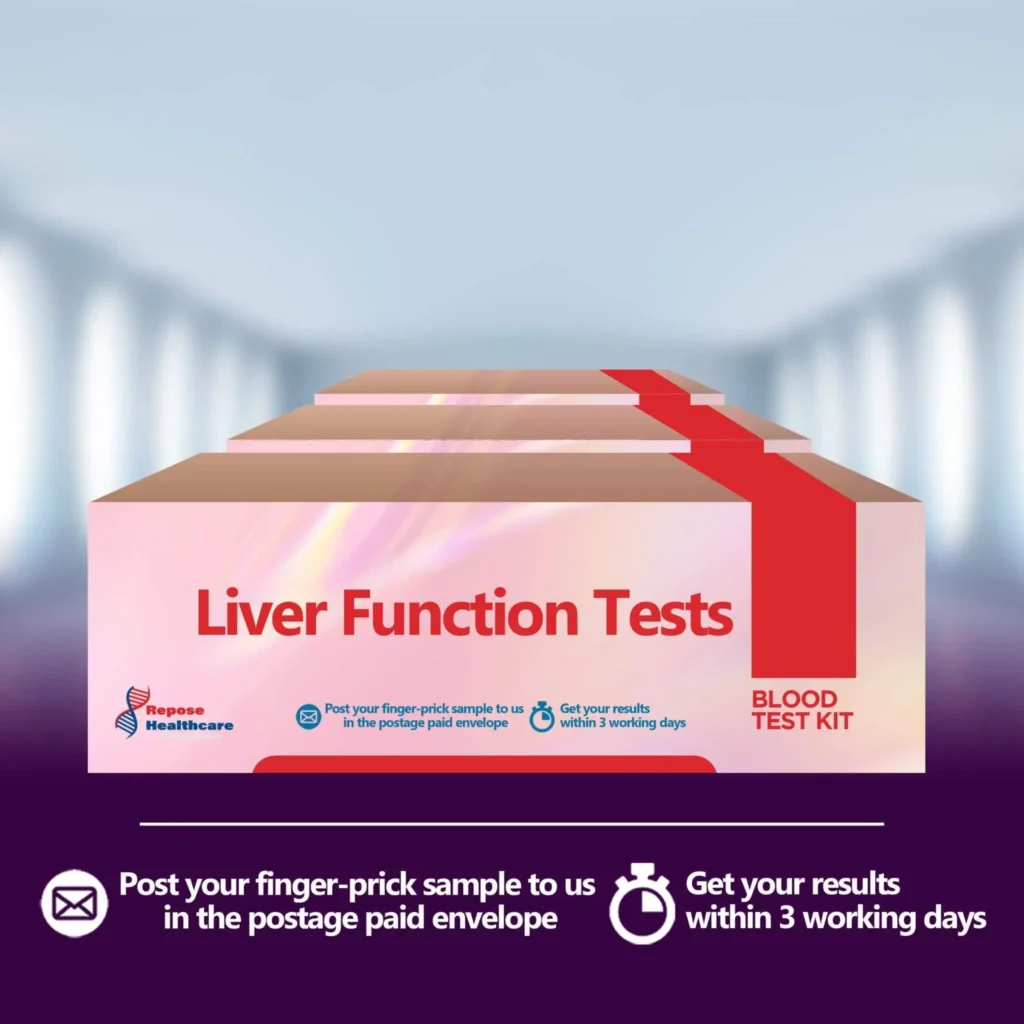
Liver function pre surgery blood tests look at liver enzymes and proteins in your body before the surgery. This specifically looks at ALT, AST, ALP, GGT, bilirubin, albumin, and total protein.
LFTs before surgery are crucial, as the liver processes many medications and anaesthetic drugs – much like your kidneys. If anything abnormal is discovered during the LFTs, doctors will likely issue further tests or change your anaesthetic plan for surgery. If you have liver disease and surgery, your anaesthetic plan will likely look different compared to that of a healthy patient.
A liver function home testing kit can help you understand your liver health in advance, especially if you drink alcohol regularly or take long-term medications. It can give you peace of mind to look ahead and know what to expect.
Surgery – whether minor or otherwise – is a process that involves physically cutting body tissue (or using other methods) for the purpose of bettering your health or for a diagnosis. It makes sense, then, that clotting pre surgery blood tests are necessary, as the doctor will want to know your coagulation profile to minimise risk. The most common include aPTT and INR before surgery. Both aPTT (activated partial thromboplastin time) and INR (international normalised ratio) are blood tests that measure how long it takes for a patient to form a blood clot.
These clotting tests are particularly important if the patient takes blood thinners, has liver disease, or has any history of unusual bleeding. These types of tests are not available at Repose – patients will need to get these tests performed and interpreted at a hospital.
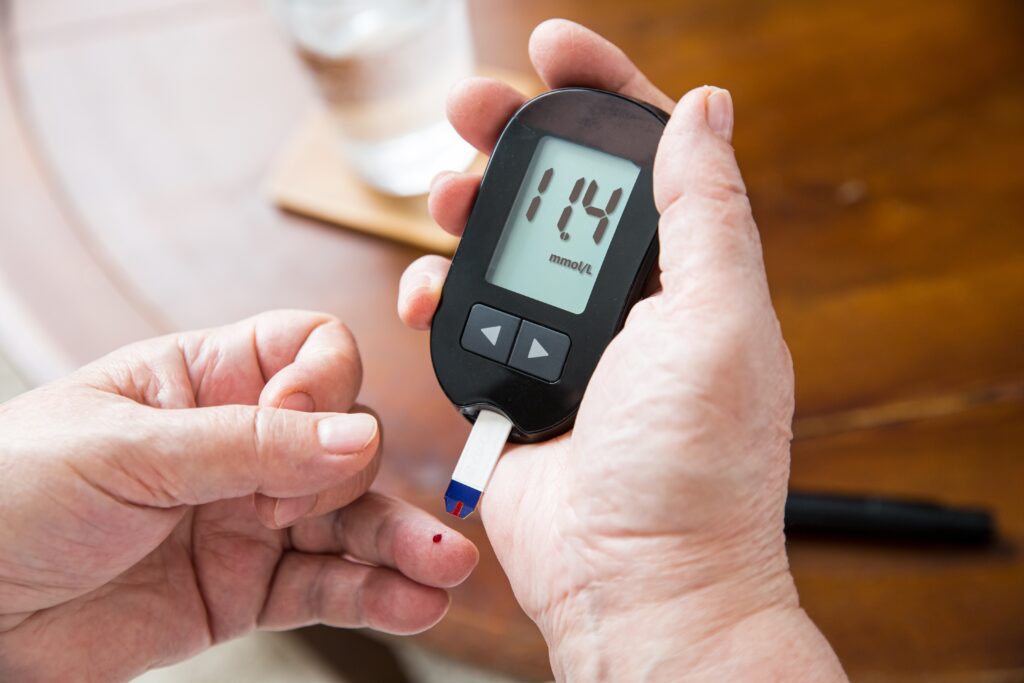
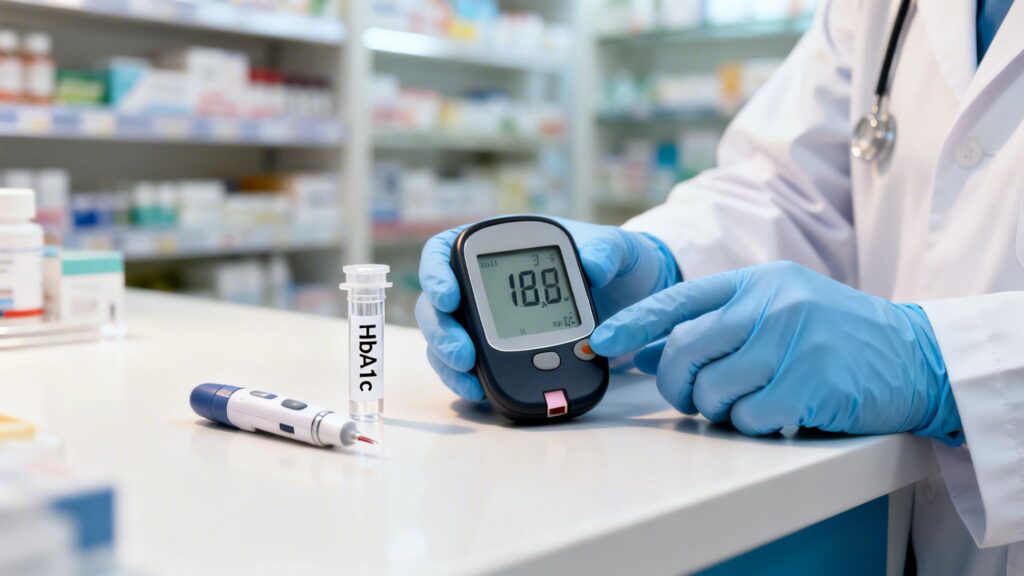
The blood sugar pre surgery blood tests are specifically for patients who either have diabetes or are at a higher risk of developing diabetes. This is because there is more of a diabetes and surgery risk (and a glucose levels and anaesthetic risk), with poor blood sugar control increasing chances of infection and potentially leading to healing problems post-surgery.
You can do the HbA1c before surgery with a single test kit from Repose, which lets you monitor your long-term blood sugar. It may be useful to do this well in advance of your surgery to get to grips with your average blood sugar levels.
In some cases, patients may have blood group tests pre surgery and infection tests before surgery.
Infection tests may involve MRSA screening with swabs. The type of infections screened for really depends on the type of surgery, though, as some infections are more common with particular surgeries. So, it’s all about the individual patient. There may also be a need for a blood group and save beforehand, which involves organising a blood crossmatch pre surgery so that, if a transfusion is necessary, it is ready and the patient can receive the blood they need to get back to healthy levels and reduce risk of blood loss.
These are hospital-only tests, so you won’t be able to do these tests at home with a kit.
Finally, there are often urinalysis/urine tests before surgery. Preoperative urine tests can check for infection, kidney problems, and metabolic issues – all of which could complicate the surgery.
As well as a urinary tract infection screening to check for kidney and urinary tract health, you may get:
This is all dependent on the particular patient and their medical history/risk level. If you’d like to check your urinary tract and kidney health before your hospital visit, a urine chemistry and microscopy home testing kit can analyse your urine for cells, proteins and other markers. If results show anything abnormal, remember to talk to your GP.
So – pre surgery blood test results: what next?
It’s all about communicating test results and knowing who to contact about abnormal pre op tests. Don’t worry about postponing surgery, as reducing risk and prioritising your safety always matters the most.
There’s a difference between urgent vs routine concerns. For example, routine concerns may include taking medications that affect your blood sugar levels – in which case, it’s best to talk to your doctor before the surgery. However, if you develop new symptoms before surgery, such as chest pain, breathlessness, fever, or infection, the problem is more urgent and you should either call 111 or 999 as appropriate.