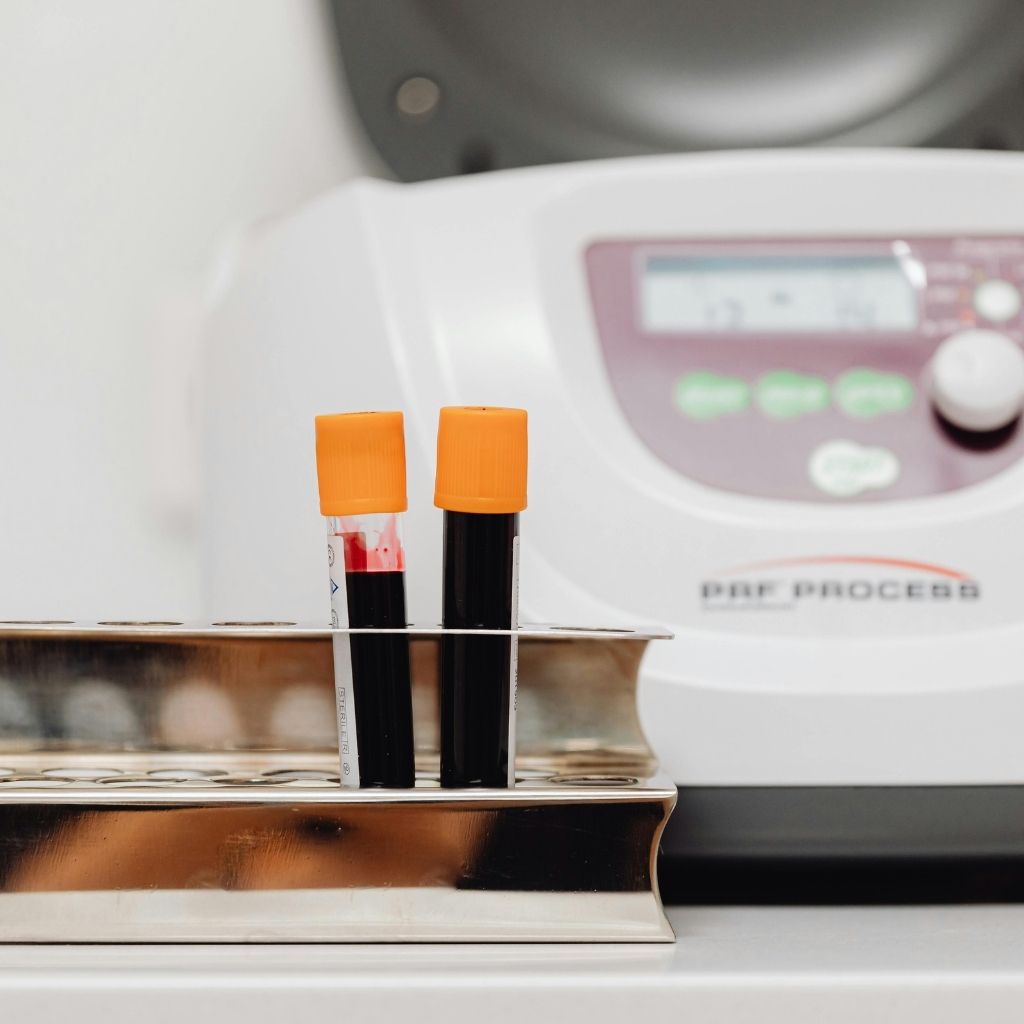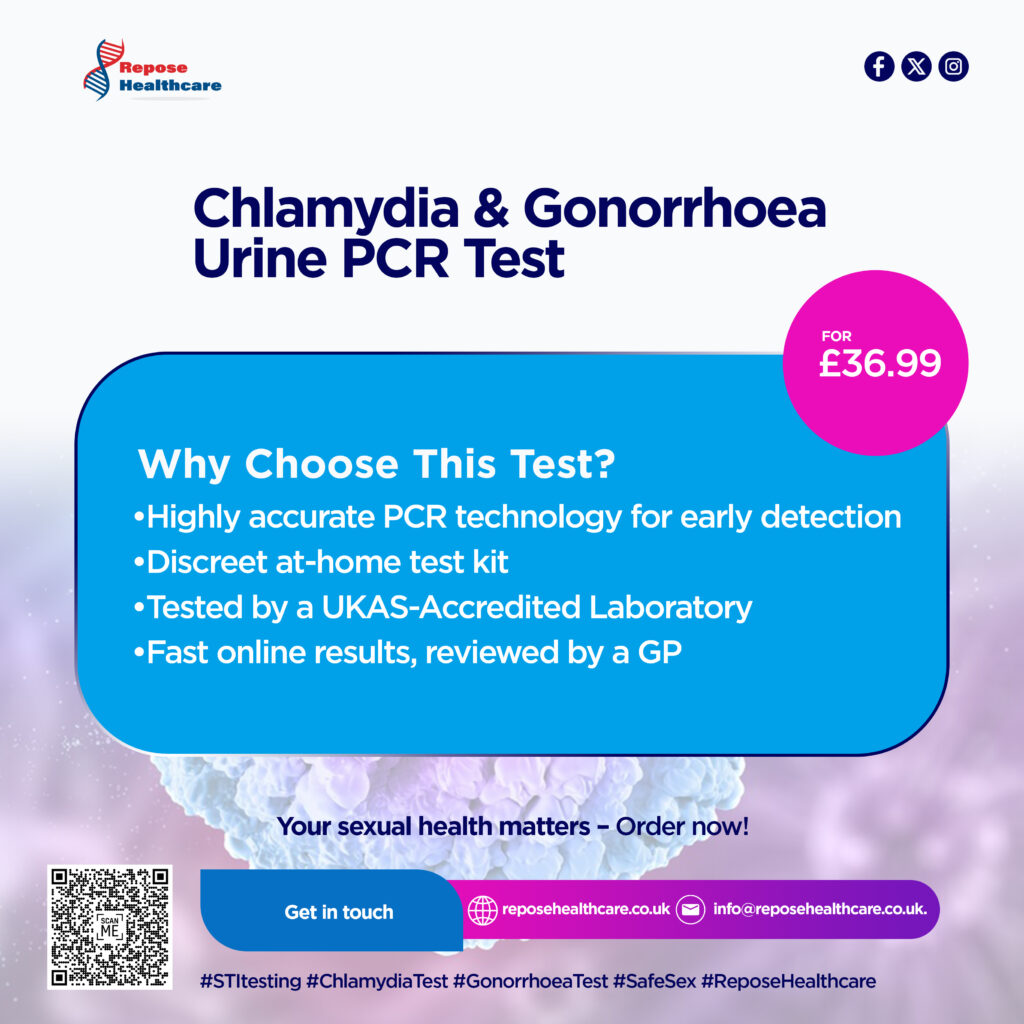
When it comes to diagnostic testing, PCR test kits are the gold standard. They offer lab-grade accuracy by detecting the specific genetic material of a virus or bacteria, right down to its unique DNA or RNA.
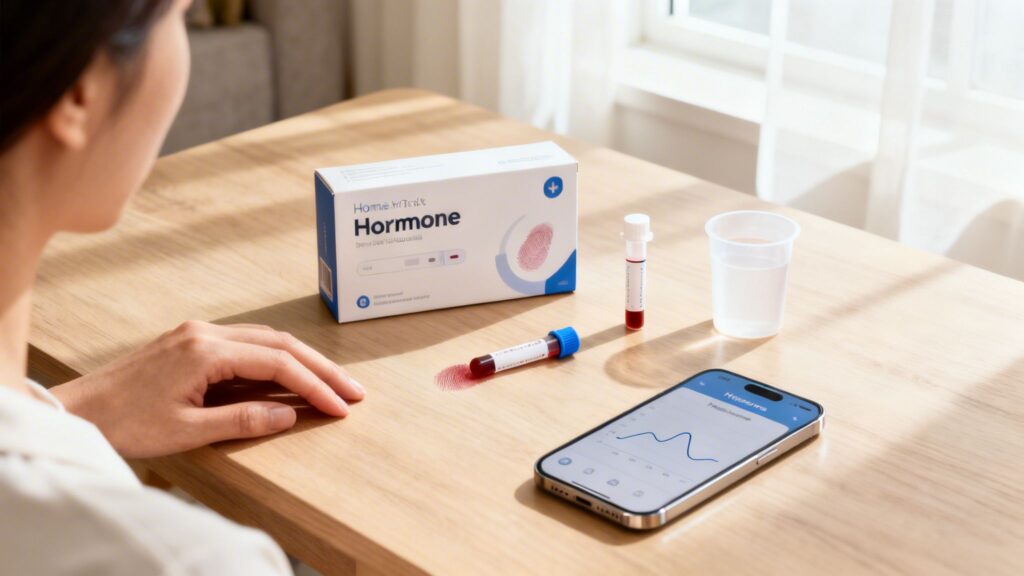
These kits are all about bringing that power to you. For example, if you're concerned about a potential sexually transmitted infection, you can collect a sample discreetly at home and send it off to a lab for highly sensitive analysis. This gives you a definitive, actionable answer about your health without the need for a clinic visit.
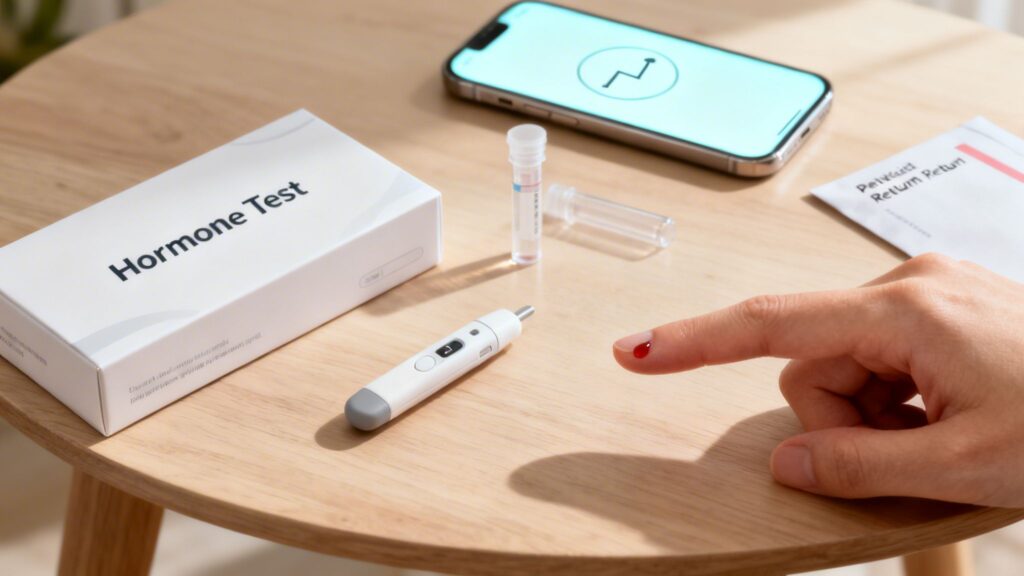
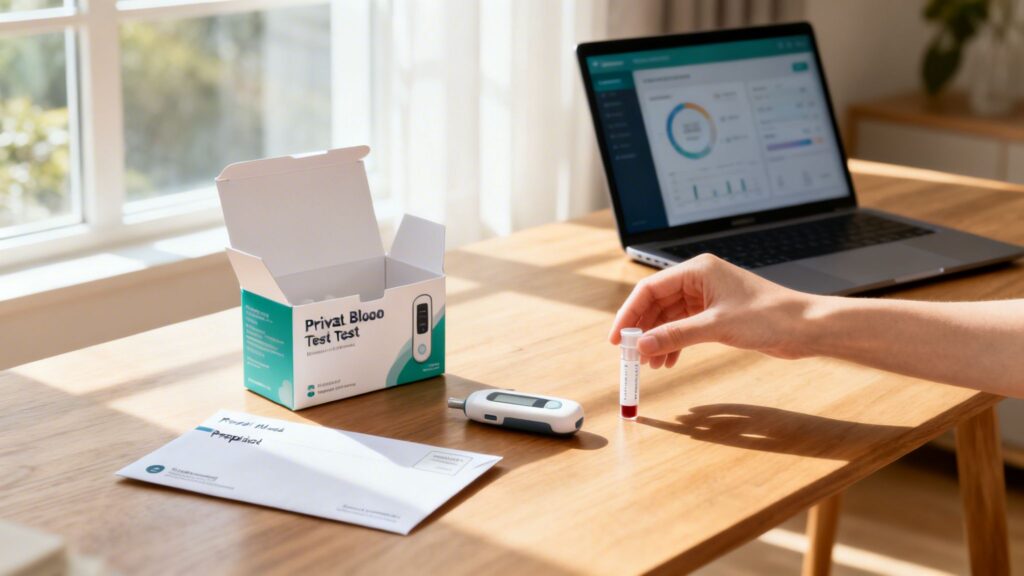
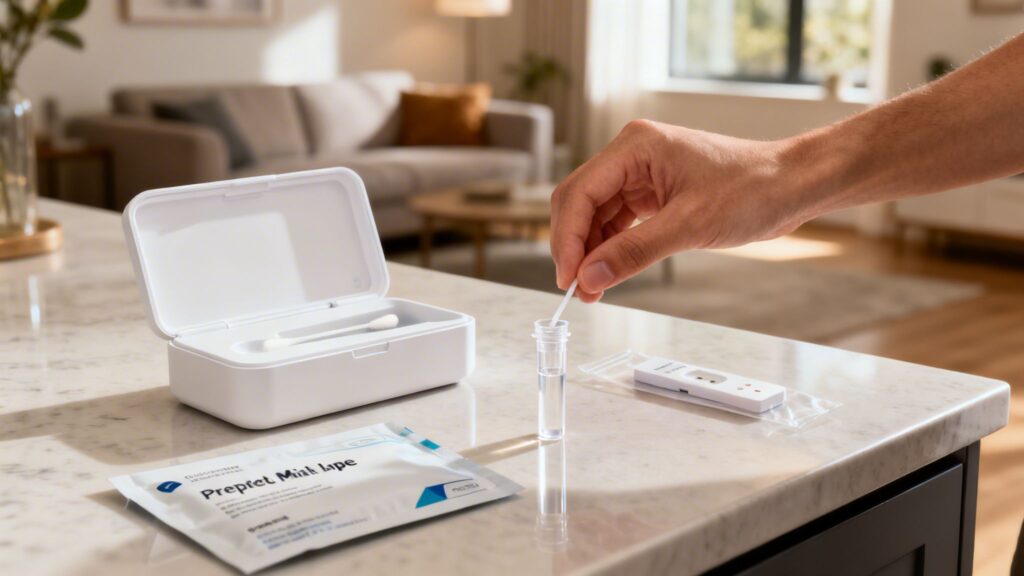
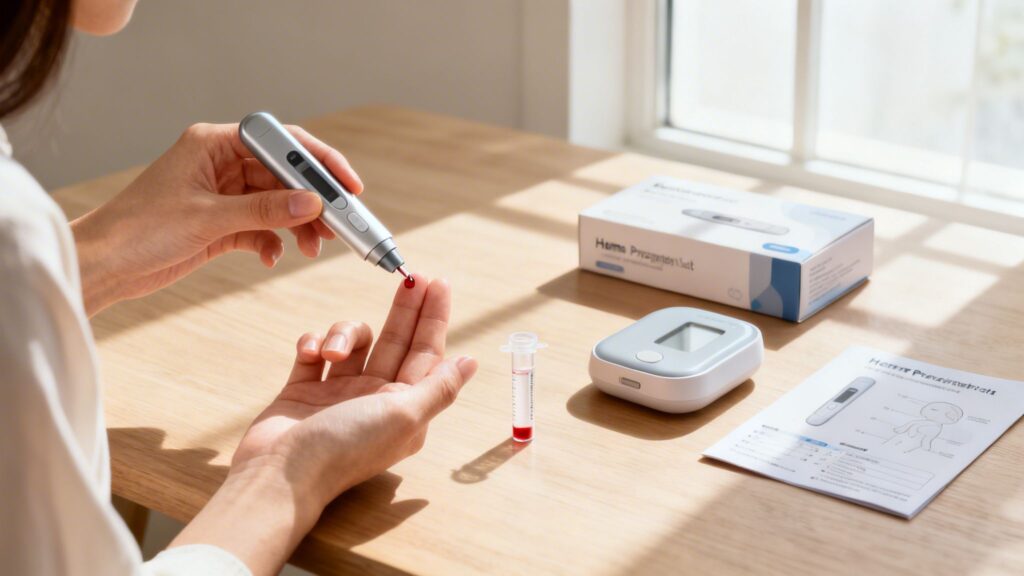
At-home PCR test kits bring one of the most powerful and reliable diagnostic technologies straight to your doorstep. Instead of the hassle of booking and visiting a clinic, you can simply order a kit online. Your actionable first step is to collect a sample – like a swab or urine – in the privacy of your own home and use the included prepaid packaging to send it to a certified laboratory.
So, how does it work? Think of a PCR test as a highly specialised detective for genetic material. It’s not just looking for general clues of an infection; it’s designed to hunt for a tiny, unique fragment of a pathogen's genetic code. Once it finds this genetic signature, the lab process, known as Polymerase Chain Reaction, gets to work.
It makes millions, or even billions, of copies of that single fragment. This amplification process is the secret to its incredible sensitivity. As a practical example, this means the test can pick up even the smallest traces of Chlamydia, often long before other tests might, making it exceptionally reliable for early detection.
This is precisely why healthcare professionals worldwide trust PCR testing for diagnosing a huge range of conditions. It truly shines when a clear, definitive answer isn't just helpful, but absolutely critical.
The real power of PCR technology is its ability to deliver a clear, conclusive result. By amplifying a specific genetic sequence, it eliminates the guesswork and gives you the certainty needed to make informed health decisions.
At Repose Healthcare, our goal is to make this gold-standard technology accessible, confidential, and straightforward. We believe everyone deserves access to accurate information about their health, without the usual barriers of clinic appointments. Our at-home PCR test kits are designed to empower you with insights you can trust.
The applications for PCR technology are vast, extending far beyond the respiratory infections many of us now associate it with. This method is crucial for identifying any infection where accuracy is paramount.
Here are some practical examples of what you can test for:
By choosing one of our PCR test kits, you’re getting the same diagnostic power used in hospitals to deliver trusted, confidential results. It allows you to take control of your health journey, providing that crucial first step towards diagnosis, treatment, and ultimately, peace of mind.
To understand why PCR test kits deliver such definitive results, you have to look at the clever science powering them. The term ‘Polymerase Chain Reaction’ might sound a bit intimidating, but the process is basically a highly methodical search-and-copy mission that happens at a microscopic level.
It’s designed to find even the tiniest trace of a pathogen’s genetic material—its DNA or RNA—and then copy it over and over until it’s impossible for lab equipment to miss. This is why PCR can hone in on the exact genetic fingerprint of a virus or bacteria, giving it pinpoint accuracy. The whole operation unfolds in three distinct stages.
The first step is called Denaturation. Think of a pathogen's double-stranded DNA or RNA like a closed zip on a jacket. To see what's inside, you first need to unzip it. In the lab, a cycle of high heat does exactly this, gently separating the two strands of genetic material.
This "unzipping" exposes the internal genetic code, getting it ready for the next stage of the process. Without this crucial step, the specific sequences we're looking for would stay hidden, and the test would be a non-starter.
This visual guide breaks down the PCR analogy into its three core functions: search, find, and copy.

As the infographic shows, PCR moves methodically from a broad search to specific identification and finally to massive amplification for clear detection.
Next up is Annealing. Now that the genetic code is laid bare, it’s time to find the exact sequence we're hunting for. This is where primers come in. You can think of primers as highly specific search terms you’d type into a search engine.
These primers are tiny, lab-created snippets of genetic code. They are custom-built to match and bind only to the unique signature of the target pathogen, whether that's an STI or a respiratory virus. If the target's genetic material is in your sample, the primers will find it and lock on, flagging the exact spot for the next step. This is the secret to PCR’s precision.
The specificity of the primers is what eliminates false positives. They are engineered to ignore all other genetic material, ensuring that the test only reacts to the precise virus or bacteria being investigated.
This laser-focused approach is what makes the diagnosis so reliable. It ensures that when you're testing for something specific like Influenza A, the process won't get confused by the presence of another virus. If you're interested in how this is applied, you can learn more about our combined Respiratory PCR Panel which uses this precise method.
The final stage is Extension, and this is where the real magic happens. Once the primers have locked onto their target, a special enzyme gets to work. Its job is to rapidly build new, identical copies of that specific genetic fragment.
This copying process is repeated in cycles, usually 30-40 times. With each cycle, the amount of the target DNA or RNA doubles. This exponential growth means that even from a single starting fragment, the process can generate billions of copies in a very short amount of time.
This massive amplification is what makes the pathogen's genetic signature so easy for laboratory equipment to detect. It's the reason PCR test kits can spot an infection in its earliest stages, long before other methods, giving you and your doctor the critical information needed for timely action.
Choosing the right test can feel a bit daunting, especially when you need a clear answer about your health. Two of the most common options you'll come across are PCR test kits and rapid antigen tests, but they work in fundamentally different ways and are suited for very different jobs.
Getting your head around these differences is the key to making the right choice for your situation.
Think of an antigen test as a quick spot-check. It’s designed to look for specific proteins sitting on the surface of a virus. If you have a lot of the virus in your system, the test can spot these proteins and give you a result in as little as 15 minutes. It’s handy for a quick check-up, but its biggest weakness is that it needs a high viral load to work reliably.
A PCR test, on the other hand, is like a deep genetic investigation. Instead of just looking at surface proteins, it hunts for the virus's unique genetic material (its RNA or DNA). As we've covered, the clever amplification process can find even the tiniest trace of a pathogen, making it incredibly sensitive.

This distinction is crucial. It directly impacts how accurate and reliable your result will be, particularly in the early stages of an infection when viral levels are still very low.
If there's one thing to take away, it's this: the single most important difference between PCR and antigen tests is their accuracy. PCR is widely recognised as the gold standard for diagnostic testing because of its incredibly high sensitivity and specificity.
In simple terms, this means it is exceptionally good at detecting an infection when it is present (sensitivity) and correctly identifying when an infection is not present (specificity).
Antigen tests, while useful for quick screening, just aren't as sensitive. They can easily produce a "false negative" if the viral load in your sample is too low for the test to pick up. For instance, you could be in the early days of a chlamydia infection, be asymptomatic, and still test negative on a less sensitive test. You could be infectious and spreading a pathogen without even realising it because the test simply missed the evidence.
"PCR tests are more reliable and accurate due to testing the specific genetic material of the virus, eliminating the interference from other viruses," notes Heather Seyko, a Laboratory Services Manager for OSF HealthCare.
This high level of precision is exactly why PCR test kits are the go-to method for situations where a definitive answer is non-negotiable.
So, which test is best? It really depends on your situation. An antigen test can be a useful tool for a quick preliminary check if you have obvious symptoms and suspect you have something highly contagious. It gives you a rapid indication, helping you take immediate precautions.
However, for a conclusive diagnosis—especially for conditions that need medical treatment or have serious health implications—a PCR test is always the superior choice. This is particularly true for:
To make things even clearer, this table breaks down the core differences between PCR and Antigen tests to help you decide which is right for your situation.
| Feature | PCR Test (Polymerase Chain Reaction) | Rapid Antigen Test |
|---|---|---|
| What It Detects | Specific genetic material (RNA/DNA) of the pathogen. | Proteins on the surface of the virus (antigens). |
| Accuracy | Very high (gold standard). Extremely sensitive and specific. | Moderate. Less sensitive, with a higher risk of false negatives. |
| Result Speed | Typically 24-48 hours after the lab receives your sample. | Fast results, usually within 15-30 minutes. |
| Best Use Case | Definitive diagnosis, early detection, confirming antigen results. | Quick screening for symptomatic individuals with a high viral load. |
| Example Scenario | You need a certain diagnosis for an STI to begin the correct treatment. | You have a fever and cough and want a quick idea if it might be COVID-19. |
Ultimately, while antigen tests have their place for rapid screening, they just don't offer the same level of confidence as PCR test kits. For health decisions that truly matter, the precision and reliability of a lab-based PCR analysis provide the peace of mind that only a definitive answer can bring.
With so many at-home diagnostic tests now available, a flood of new providers has appeared on the scene, and it can be tough to know who to trust. When it comes to something as important as a PCR test kit, not all services are created equal. Making the right choice is crucial for ensuring your sample is handled correctly, your data stays secure, and your results are genuinely accurate.
When you’re making a decision about your health, you need to have complete confidence in the entire process. This means looking beyond the test itself and checking out the provider’s credentials, lab processes, and overall commitment to quality. A good service should feel seamless and transparent from the moment you order to the second you get your results.
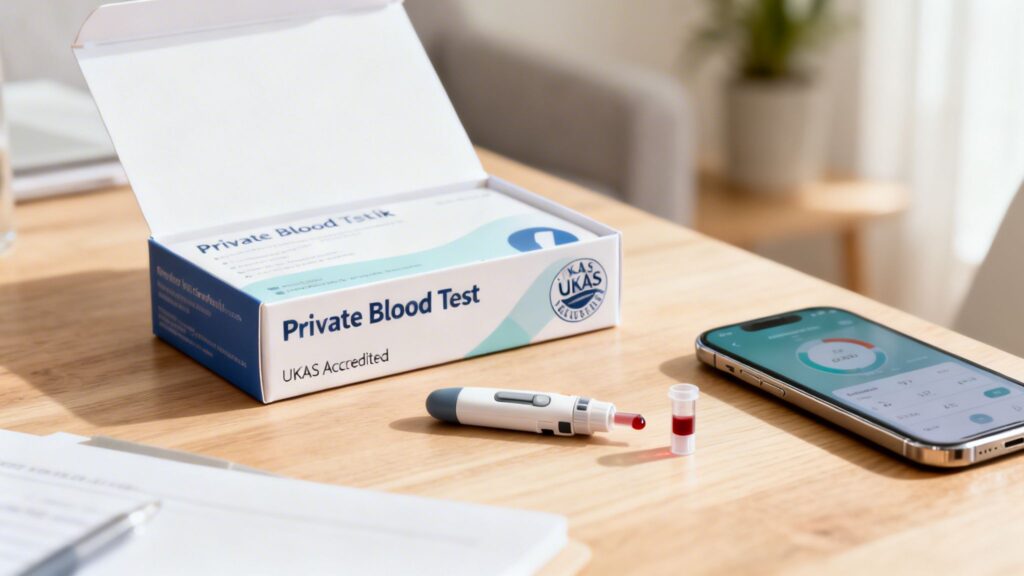
The single most important thing to check is the laboratory’s accreditation. In the UK, the gold standard is accreditation from the United Kingdom Accreditation Service (UKAS). This isn't just a fancy badge; it's a guarantee that the lab is regularly and rigorously assessed against internationally recognised standards.
A UKAS-accredited lab has proven its technical competence, impartiality, and performance. An actionable insight here is to always look for the UKAS logo or a mention of accreditation on the provider's website. It means the lab processing your sample follows strict quality control protocols, giving you peace of mind that your PCR test result is as accurate as it can be. At Repose Healthcare, all our samples are processed exclusively in UKAS-accredited laboratories, because we believe there’s no room for compromise on quality.
One of the main draws of an at-home test is convenience, and a huge part of that is knowing when you’ll get your results. A trustworthy provider will be upfront and clear about their turnaround times. Look for realistic timelines that specify when the clock actually starts—which is usually when the sample arrives at the lab, not when you pop it in the post.
Vague promises like "fast results" aren't much help. A reputable company will give you a clear window, such as "24-48 hours after lab receipt." This kind of transparency lets you plan accordingly and manages your expectations. We make sure our process is crystal clear, with tracked return postage so you know exactly when your sample has reached our partner lab.
Your health information is deeply personal and needs the highest level of protection. Before you buy, have a look at the provider’s privacy policy. Make sure they are fully GDPR compliant and clearly explain how your data is collected, stored, and used. Your results should always be delivered through a secure, encrypted online portal, not just a standard email.
A provider’s commitment to data security is a direct reflection of their professionalism. Your test kit should be anonymised with a unique reference number, ensuring your personal details are kept separate from your sample throughout the lab process.
This focus on privacy is central to how we operate. We provide a secure dashboard where only you can view your results, giving you full control over your confidential information.
The accuracy of a PCR test kit depends heavily on getting the sample collection right. A reliable provider will have invested time and effort into creating a kit that is simple to use, with instructions that are impossible to misunderstand.
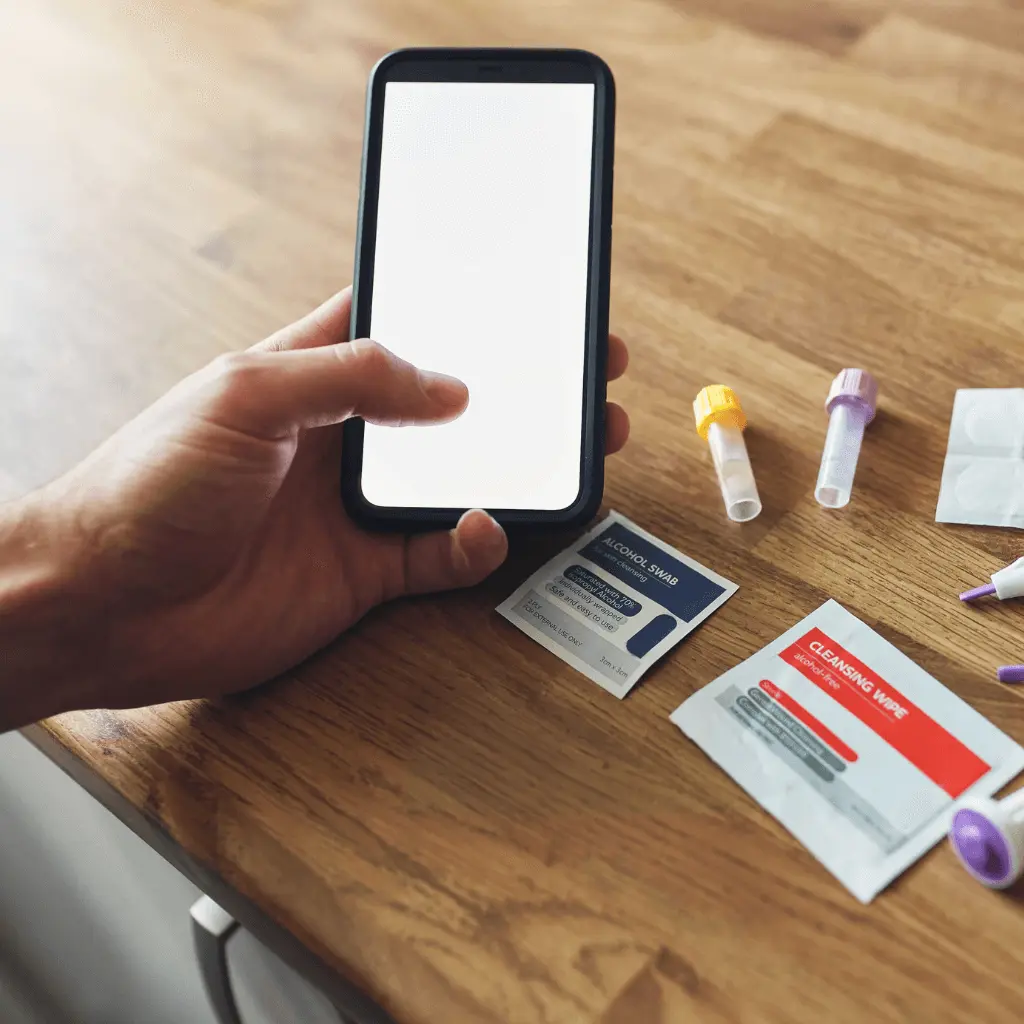
Your kit should include:
When picking a provider, look for signs of quality control, like the use of robust tamper evident packaging to ensure the kit arrives with its integrity intact. We’ve designed our Repose Healthcare kits to be completely straightforward, empowering you to collect a good-quality sample with confidence. To find out more, read our article on the power of early diagnosis with at-home testing.
Taking control of your health with an at-home pcr test kit should feel empowering, not intimidating. We've designed our Repose Healthcare kits to be as straightforward as possible, guiding you clearly through each step. This walkthrough will give you practical, actionable insights to make sure you collect a high-quality sample and get the accurate results you need.
The whole process is simple and can be broken down into five key stages, from ordering your test to securely accessing your results online.

It all starts on our website. We offer a wide range of specific pcr test kits tailored to different health queries, and choosing the right one is the essential first step to getting the answers you're looking for.
For instance, if you’re concerned about your sexual health, you can choose from our selection of confidential STI test kits. If you're suffering from a cough and fever, our combined Respiratory PCR Panel can check for multiple viruses at once. Each product page gives you clear information on what the test is for, making it easy to find the one that matches your needs.
Once your kit arrives, a little bit of preparation is key to ensuring a valid sample. Before you do anything, find a clean, quiet space where you won't be interrupted. It’s vital to read the instructions included in your kit from start to finish before opening any of the components.
Timing and hygiene are your two most important considerations here.
Following these simple prep steps dramatically increases the likelihood of a successful test, helping you avoid the hassle of a re-test due to contamination or a poor sample.
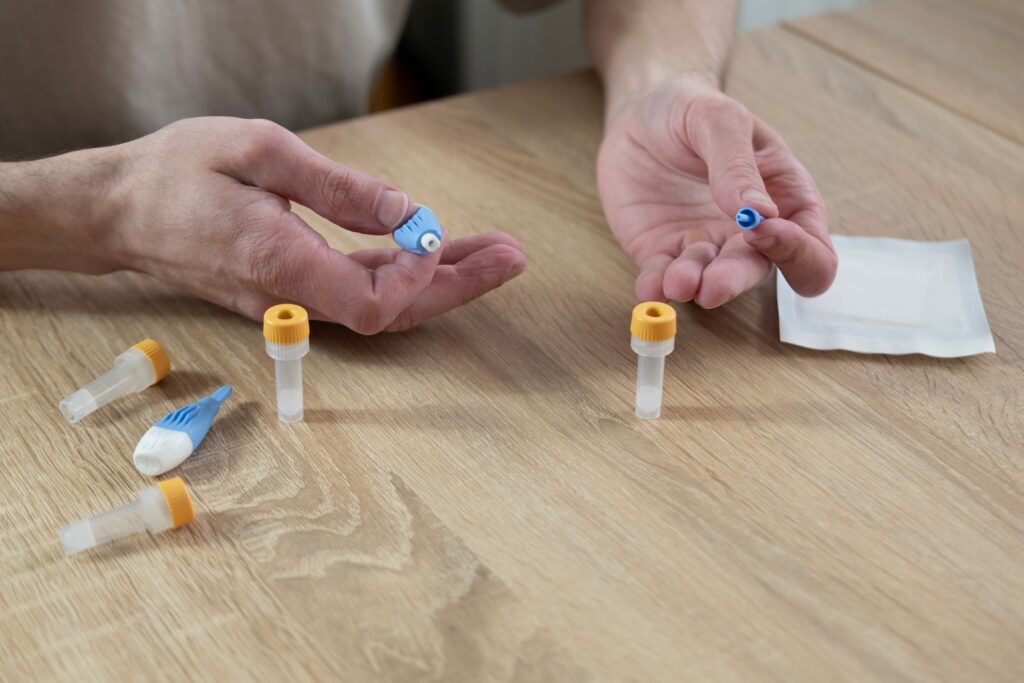
This is the most critical stage, and we’ve designed our kits to make it as simple and stress-free as possible. The exact method will vary depending on which pcr test kit you've ordered.
A respiratory panel, for example, might require a nasal or throat swab. The instructions will show you exactly how far to insert the swab and how to rotate it to collect enough material. For a urine-based STI test, you'll be instructed to collect a specific amount in the sterile container provided.
The most common reason for an inconclusive result is improper sample collection. Take your time, follow the visual guides in your instruction booklet carefully, and ensure you collect the right amount of sample as directed.
Try not to touch the tip of the swab on any other surface, and make sure you seal the sample tube securely straight after collection. Every kit contains detailed, illustrated steps tailored to that specific sample type to guide you confidently.
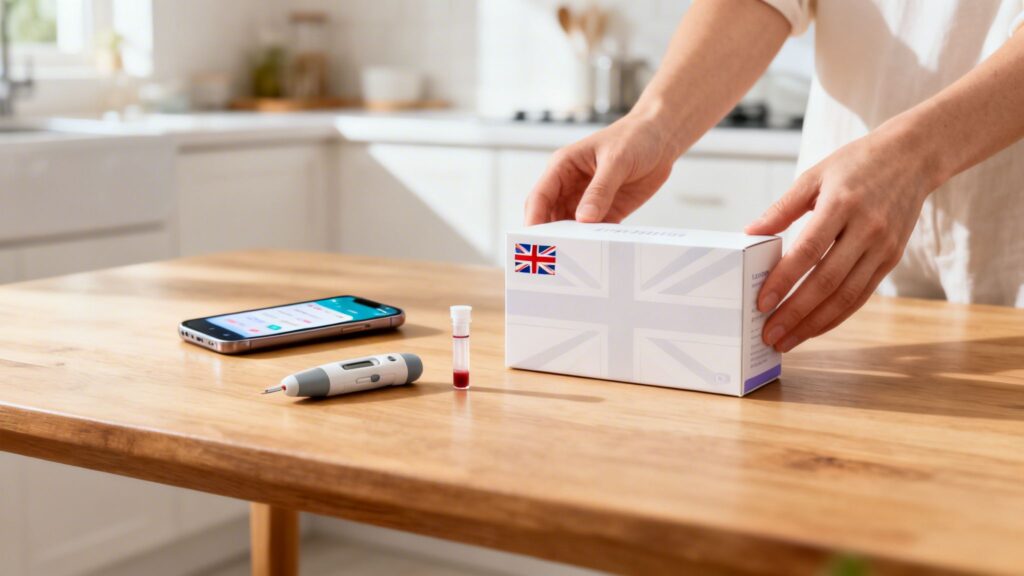
After you've successfully collected your sample, the next step is to package it up for its safe return to our UKAS-accredited laboratory. Your kit includes everything you need for this, including a protective wallet and a prepaid, tracked Royal Mail return mailer.
It is crucial to activate your kit online using the unique code provided. This is what connects your anonymous sample to your secure online account so we can get your results directly to you and no one else. Place the sealed sample tube into the packaging exactly as shown in the instructions.
The packaging is designed specifically to protect the sample during transit and complies with all postal regulations for sending biological samples. Once it's all packed up, simply drop it into any Royal Mail postbox. The prepaid label means there’s nothing for you to pay.
Once our lab receives your sample, our expert technicians get to work on the PCR analysis. You’ll get an email notification the moment your results are ready. This is typically within 24-48 hours of the sample arriving at the lab.
To see your results, you’ll just need to log in to your secure, GDPR-compliant dashboard on the Repose Healthcare website. Your report will clearly state the outcome—such as 'Detected' or 'Not Detected'—in simple, easy-to-understand language.
This entire end-to-end process is designed with your convenience and confidentiality in mind. For a more detailed overview of our service, you can learn more about how it works on our website.
The moment you’ve been waiting for has arrived: your PCR test kit results are in. This can bring a mix of emotions, from relief to concern, and almost always a few questions. At Repose Healthcare, our job is to make this final step as clear and straightforward as possible. We deliver your results in simple, plain English, so you know exactly what they mean for your health and can decide what to do next with confidence.
From collecting your sample to reading your report, the whole process is designed to put you in control. As soon as your results are ready, we’ll notify you to log into our secure online dashboard. There, you’ll find a detailed, easy-to-read report breaking down the findings from our UKAS-accredited laboratory.
Your report gives a clear outcome for the specific virus or bacteria you tested for. While the exact wording might vary slightly, your result will generally fall into one of three categories. Getting your head around these terms is the first step to taking the right action.
Here’s what each result means in simple terms:
Detected (Positive): This means the lab’s PCR analysis found the genetic material (DNA or RNA) of the target virus or bacteria in your sample. A 'Detected' result is a clear confirmation that you had an active infection when you took the test.
Not Detected (Negative): This is the result you’re hoping for. It means no trace of the pathogen’s genetic material was found in your sample, indicating you weren’t infected at the time of the test.
Inconclusive or Invalid: This is rare, but it can happen. It simply means the lab couldn’t get a clear positive or negative result. This is often down to a small issue with how the sample was collected or a problem during transit. If this happens, our customer support team will get in touch straight away to arrange a free replacement kit.
Getting your result is only half the story. What you do next is what really matters for your health. Your next steps depend entirely on the outcome of your test.
If your result is Not Detected (Negative), you can breathe a sigh of relief. But it’s important to remember that a negative result is just a snapshot of your health at that moment. For example, if you took an STI test but then had unprotected sex, your status could have changed. If you still have symptoms or think you were exposed to an infection after taking the test, you might want to consider re-testing or having a chat with a healthcare professional.
If your result is Detected (Positive), it’s time to take action.
We strongly advise you to consult your GP or another qualified healthcare professional to discuss your positive result. An at-home PCR test is a powerful diagnostic tool, but it's not a substitute for professional medical advice, diagnosis, or treatment.
Your actionable next step is to book an appointment with your doctor. You can show them your Repose Healthcare report, which provides the accurate, detailed data they need to guide you properly and prescribe any necessary treatment. Our role is to give you that reliable information so you can start that crucial conversation.
The need for accurate diagnostics like this hasn't gone away. While testing volumes for diseases like COVID-19 have changed since the pandemic, the demand for precise tools remains critical as health bodies track and manage infectious diseases, including new variants. You can read more about the ongoing role of diagnostics in the UK health market.
At Repose Healthcare, we see ourselves as a partner on your health journey. We’re here to arm you with the lab-grade information needed to work proactively with your doctor. By making high-quality PCR test kits accessible, we help bridge the gap between wondering and knowing, so you can take charge of your health with clarity and confidence.
To give you a bit more clarity and help you feel confident about at-home testing, we've put together answers to some of the questions we hear most often about our PCR test kits.
When you use a kit from a reputable provider, you're getting the same gold-standard laboratory technology that's used in a clinic. The accuracy is exceptionally high.
The actionable insight here is that the accuracy is in your hands. As long as you follow the instructions carefully—for example, swabbing for the full recommended time—you’ll provide our labs with a high-quality sample for analysis. We only use UKAS-accredited laboratories, which is your guarantee that everything is processed to the highest possible standard.
Absolutely. We take your privacy incredibly seriously and handle all your data in strict compliance with GDPR regulations. Your identity is protected every step of the way.
Each test kit is anonymised, linked only to a unique code rather than your personal details. When the results are in, they're delivered to a secure, encrypted online portal that only you can get into. We will never share your personal health information without your explicit consent.
Your privacy is paramount. From the anonymised kit to the secure, encrypted results portal, every step is designed to protect your personal information and give you complete peace of mind.
It's uncommon, but occasionally a sample might come back with an invalid or inconclusive result. This usually happens because of a small issue during collection or maybe a delay in transit, and it simply means the lab couldn't get a clear positive or negative reading.
If this happens, our dedicated customer support team will get in touch with you straight away to explain things. Our actionable promise is that we'll then arrange for a complimentary replacement pcr test kit to be sent out to you, so you can re-test without any extra cost or hassle.
The clock starts the moment your sample arrives safely at our laboratory. Typically, you can expect to see your secure, easy-to-read results on your private dashboard within 24-48 hours of the lab receiving it.
To keep you in the loop, we include tracked return postage with your kit. This lets you see exactly when your sample has been delivered to the lab, so you know precisely when the analysis has begun.
Ready to take the next step in managing your health with confidence and clarity? Repose Healthcare offers a wide range of accurate, confidential at-home PCR test kits. Explore our full range of tests and order your kit today.