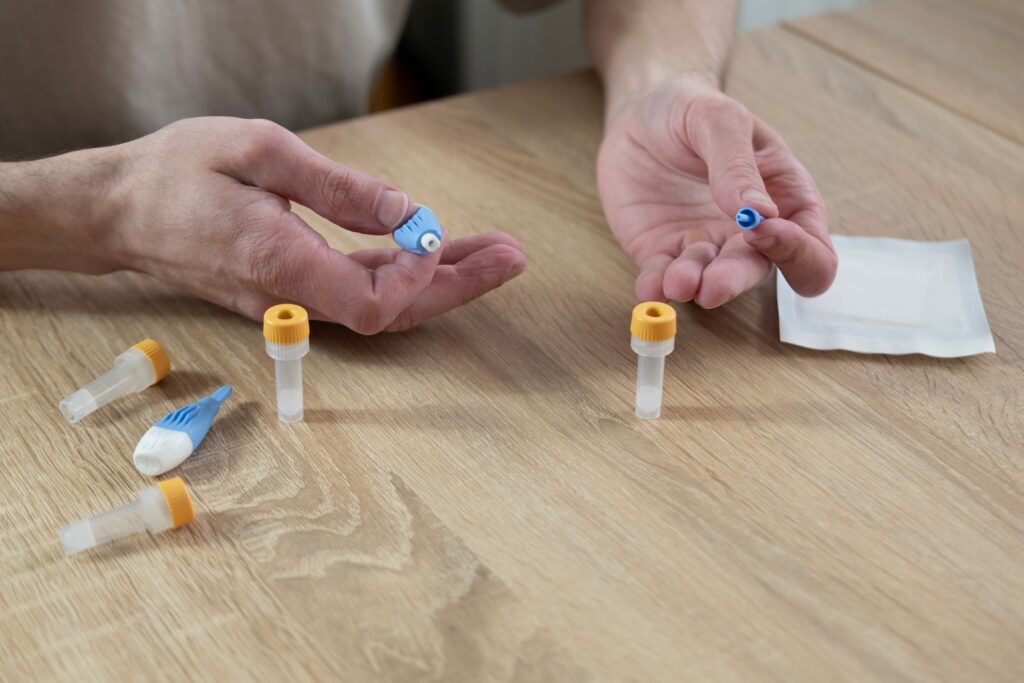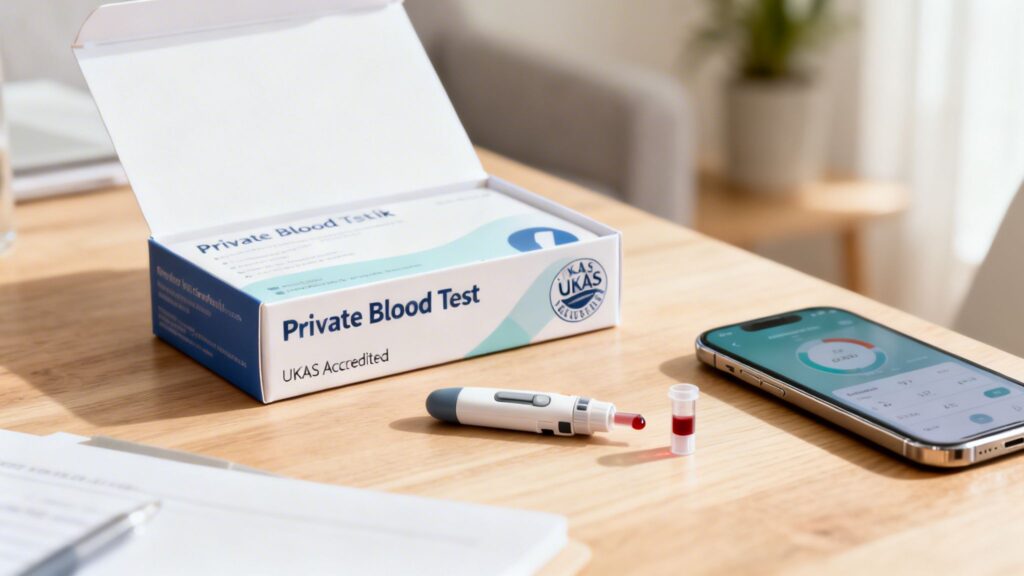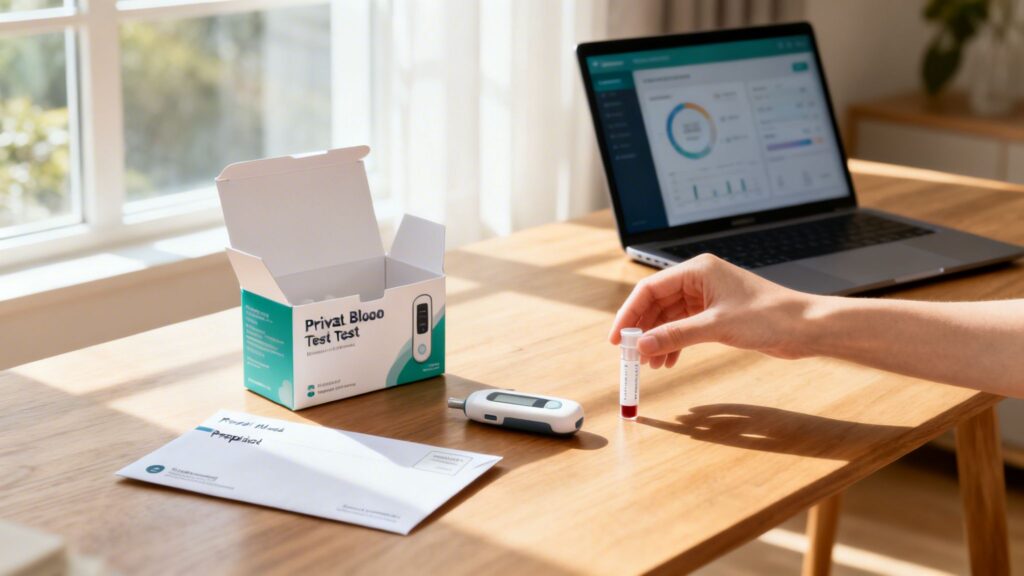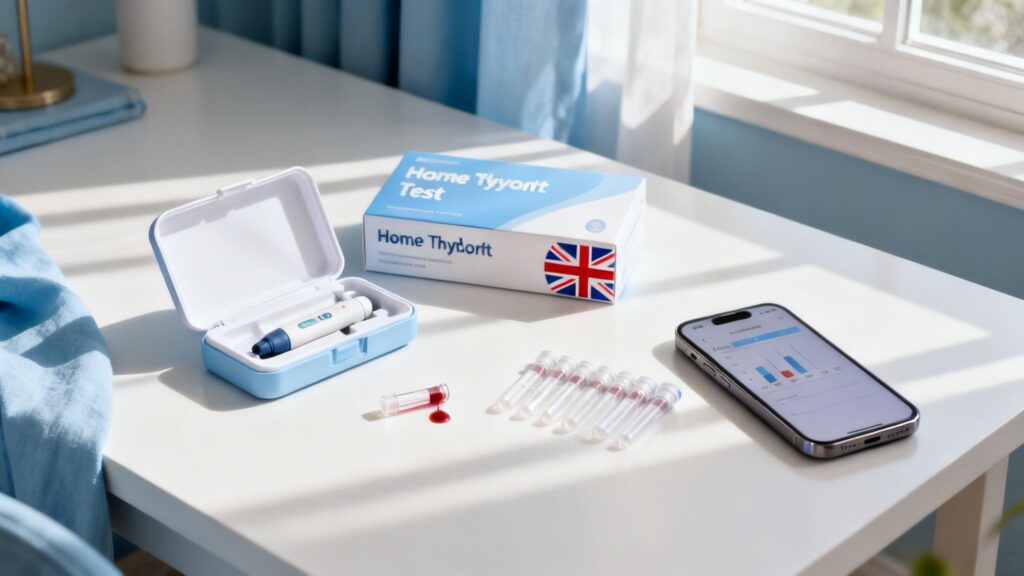
A private NIPT test is a simple, safe blood screening test that expectant parents can choose to have from 10 weeks of pregnancy. It offers earlier and more detailed insights into your baby's health by screening for chromosomal conditions like Down's, Edwards', and Patau's syndromes, all with the privacy and convenience you're looking for.
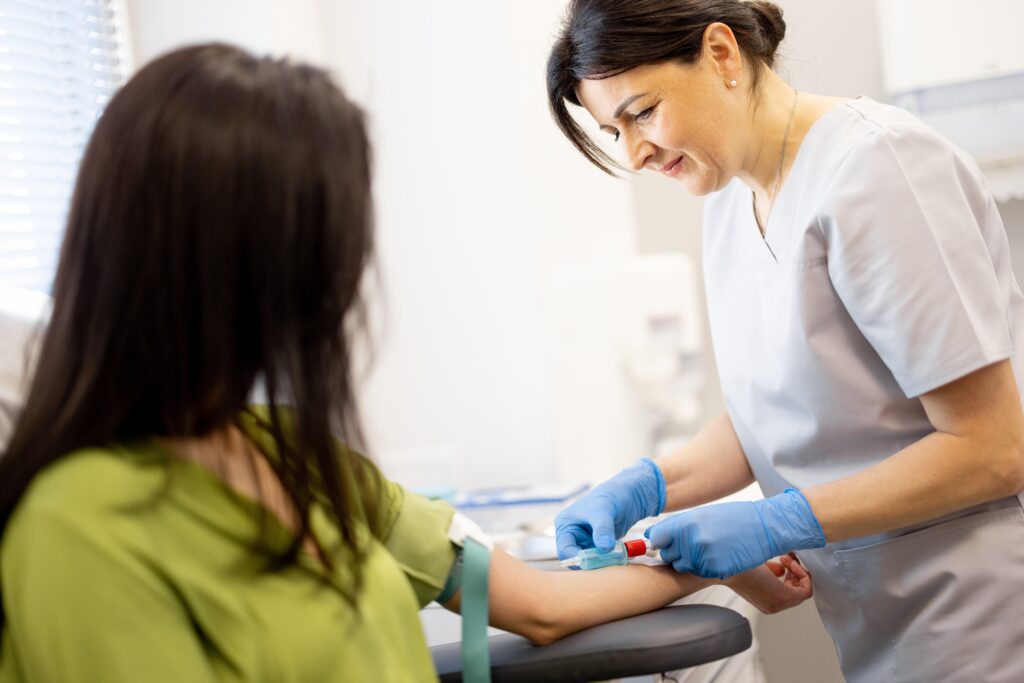
During pregnancy, tiny fragments of your baby’s DNA find their way into your bloodstream. These are known as cell-free DNA (cfDNA). A Non-Invasive Prenatal Test (NIPT) is a clever screening test that analyses this specific DNA to check for certain genetic conditions with incredibly high accuracy.
While the NHS does offer screening, a growing number of parents are opting for a private NIPT test. Why? It comes down to wanting more control, confidentiality, and convenience. For example, imagine you're an anxious first-time parent who wants reassurance as soon as possible. Instead of waiting for the 12-week scan and combined screening, you can proactively order an at-home kit at 10 weeks. With a private service, you get speed, more detailed information, and full control, bypassing NHS waiting lists or strict eligibility criteria.
One of the biggest drivers behind the popularity of private NIPT is the desire for reliable information as early as possible. This isn't just a feeling; it's a trend backed by numbers. The UK's NIPT market was valued at USD 241 million in 2023 and is expected to grow to nearly USD 490 million by 2030. This boom began when private providers first made NIPT available back in 2012, long before it was adopted more widely.
This shift gives parents the power to get valuable insights sooner, which comes with some major benefits:
Actionable Insight: Choosing a private NIPT allows you to make an informed decision that feels right for you and your family. It gives you a direct path to the answers you're looking for, on your own timeline, supported by clinical expertise and total confidentiality.
For a quick overview of what a private NIPT involves, take a look at the table below. It breaks down the key features and what they mean for you on your pregnancy journey.
| Feature | What It Means For You (Actionable Insight) |
|---|---|
| From 10 Weeks | Get crucial insights early in your pregnancy without waiting. Order your test to arrive ready for your 10-week milestone. |
| High Accuracy | Rely on results that are over 99% accurate for Down's, Edwards', and Patau's Syndromes for greater peace of mind. |
| At-Home Option | Collect your sample discreetly and comfortably at home, fitting the test into your schedule, not the other way around. |
| No NHS Referral Needed | Book directly without needing a 'higher-chance' screening result first, giving you proactive control. |
| Wider Screening Panel | Choose to screen for more conditions, including sex chromosome aneuploidies, for a more comprehensive picture. |
| Fast, Confidential Results | Receive your secure results online, often within 5-7 working days, reducing the anxious wait. |
Ultimately, a private NIPT test puts you in control, giving you the information you need to prepare for your family's future with confidence.
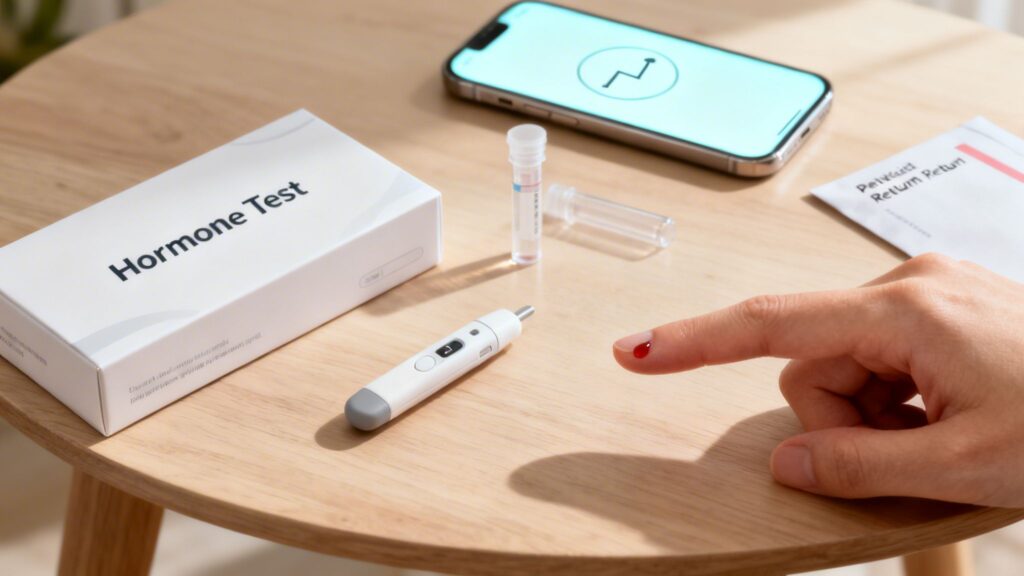
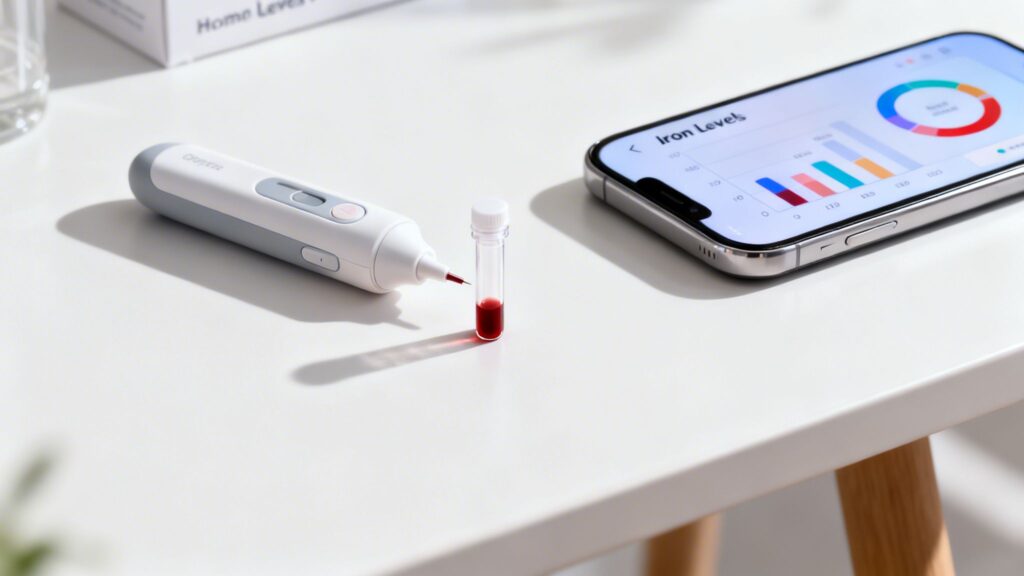
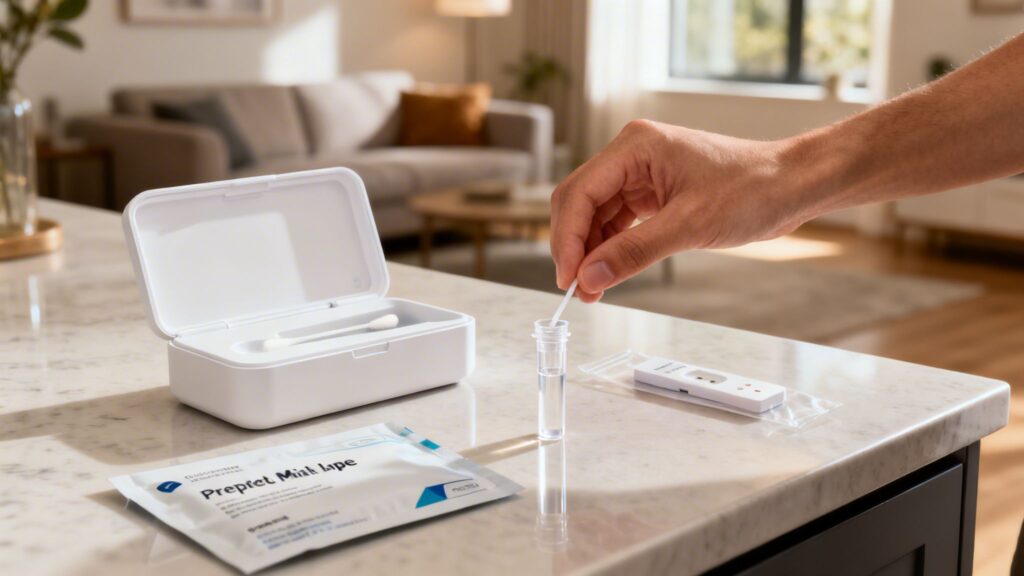
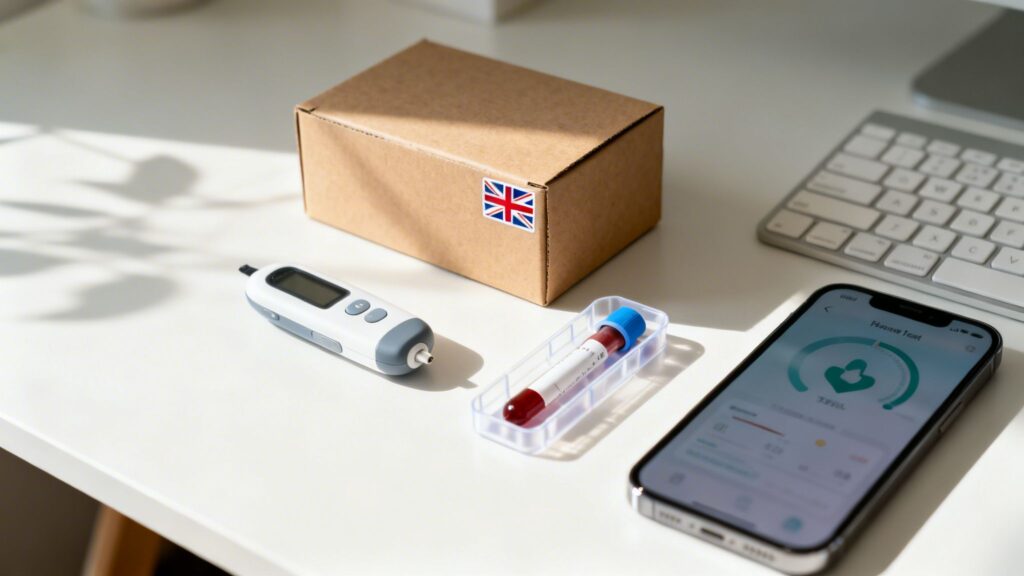
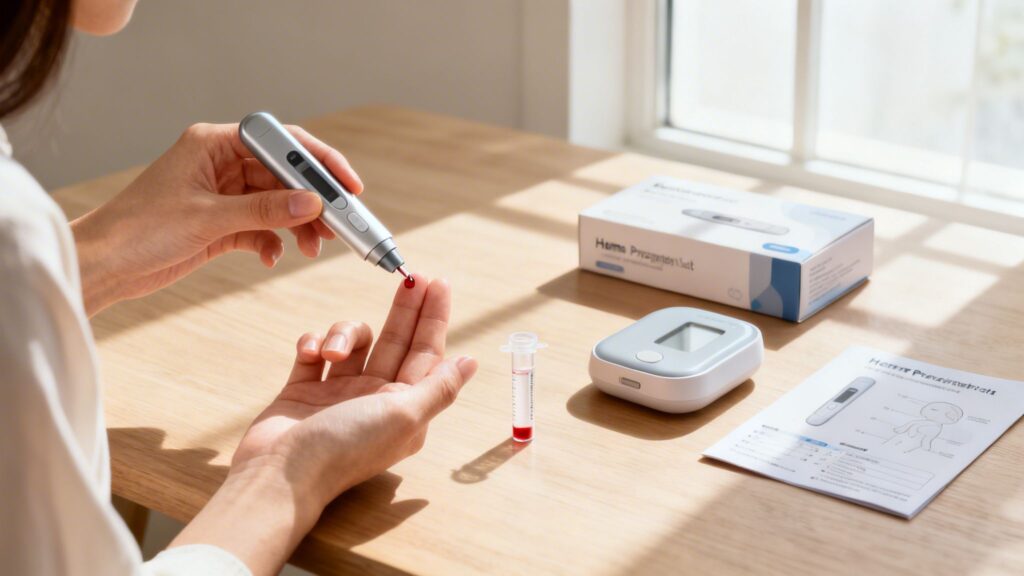
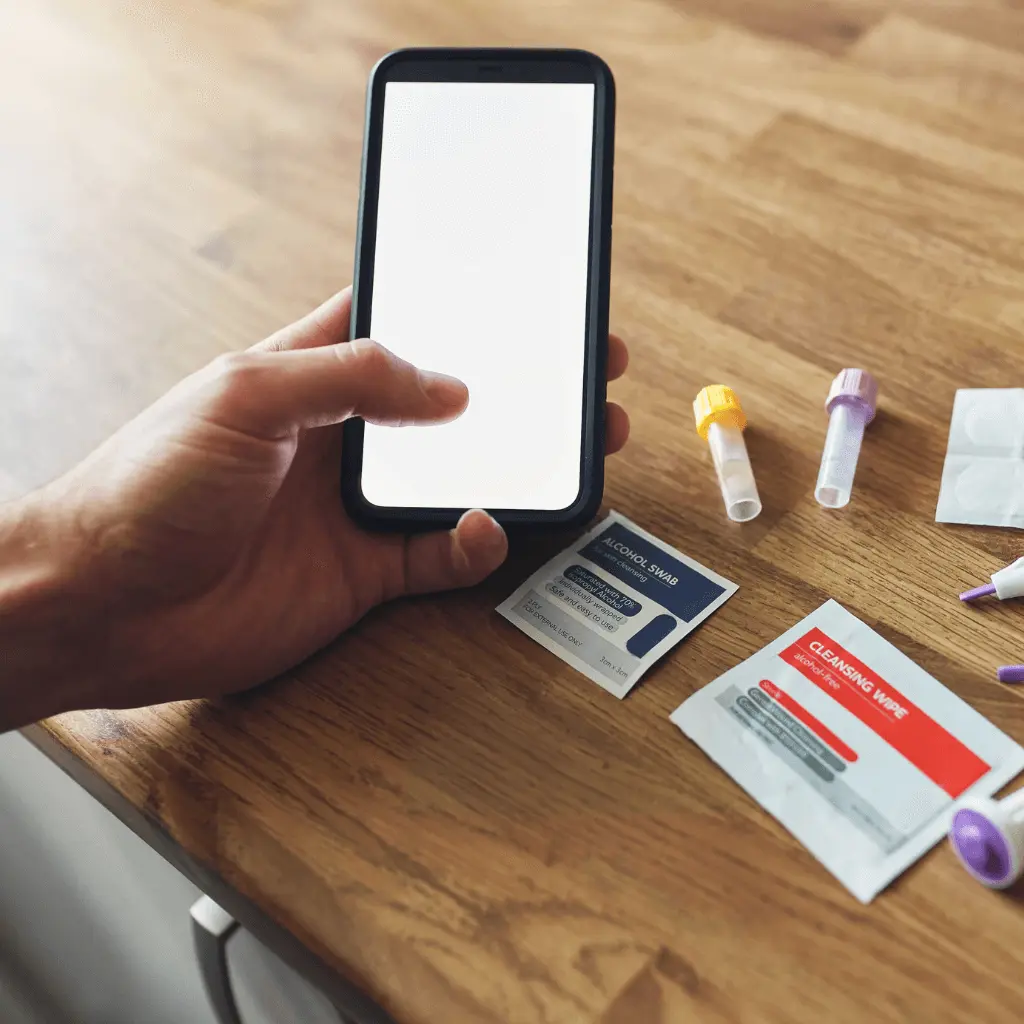
Services like the at-home NIPT test from Repose Healthcare have been designed to fit into modern life. Our kits come with everything you need to collect a simple and confidential finger-prick blood sample from the comfort of your own home. The whole process is straightforward, secure, and built to give you the peace of mind you deserve.
As you navigate all the choices that come with pregnancy, you might also find it helpful to look at the bigger picture. This a comprehensive guide to preparing for your first baby covers a wide range of topics for new parents.
The science behind a private NIPT might sound complicated, but it's actually quite amazing and relies on something that happens naturally during every pregnancy. As your baby develops, the placenta releases tiny fragments of their DNA, known as cell-free DNA (cfDNA), which mix with your own blood.
A Non-Invasive Prenatal Test, or NIPT, is a clever screening test that analyses this cfDNA from a simple blood sample. By looking at your baby’s DNA, it can screen for common chromosomal conditions like Down's, Edwards', and Patau's syndromes with incredible accuracy, all without the need for an invasive procedure. It's about getting you clear answers with minimal risk.
When you choose a private NIPT with Repose Healthcare, you skip the clinic visits and long waits. We've made the entire process something you can do from the comfort and privacy of your own home, putting you firmly in control.
Our at-home private NIPT process is designed to be as straightforward and stress-free as possible, from ordering your kit to receiving your secure results.

Here’s a simple breakdown of the steps:
Private NIPT has been an option in the UK since around 2012, well before it became more widely available through the NHS. For expectant parents, especially given that 1 in 700 babies in the UK is born with Down's syndrome, getting fast and accurate information is a priority.
For example, a busy professional couple might find it difficult to schedule multiple daytime hospital appointments. An at-home test allows them to collect the sample on their own time, perhaps on a Monday morning before work, without disrupting their schedule. This convenience is a key reason for its growing popularity.
Actionable Insight: The real benefit of an at-home private NIPT is empowerment. It blends clinical-grade accuracy with the convenience of getting crucial information on your own terms and timeline. You can take the test and get results without ever leaving home.
This approach gives you direct access to advanced screening technology that is over 99% accurate for the most common chromosomal conditions. By removing the logistical hurdles, it helps take some of the anxiety out of the screening process.
If you’re curious about the broader science, our guide on how genetic testing works offers a more detailed look.
When you're pregnant, one of the first things you'll think about is prenatal screening. In the UK, you have two main pathways: the standard NHS screening or a private NIPT test. It's useful to think of the NHS pathway as a standard, valuable service for everyone, while a private test is an optional upgrade for those who want more information, sooner.
The journey for most expectant parents starts with the NHS Combined Test, offered between weeks 11 and 14. It involves a blood test and a nuchal translucency ultrasound. This gives a 'chance' result—for example, a 1 in 1,000 chance that your baby might have a certain condition.

With the NHS pathway, a Non-Invasive Prenatal Test (NIPT) is only offered if your Combined Test comes back with a 'higher-chance' result (usually 1 in 150 or greater). This means you must wait for the initial screening and can't access NIPT on the NHS if your result is, for instance, 1 in 200, even if that number still feels worrying to you.
This is where a private NIPT test from a provider like Repose Healthcare offers a direct route. You can choose to have this test any time from 10 weeks, regardless of any other screening results. It gives you the option to access this highly accurate screening test earlier, on your own terms.
Actionable Insight: The core difference is about timing and choice. The private route lets you proactively get more detailed information much earlier in your pregnancy. If you want early reassurance, you don't have to wait for the NHS process; you can simply order a test.
Aside from getting results sooner, a big reason people opt for a private NIPT test is the depth of information it provides. The NHS NIPT focuses on screening for Down's, Edwards', and Patau's syndromes. Many private tests, however, offer a wider screening panel.
For instance, our Repose Healthcare at-home NIPT Test also screens for conditions related to the sex chromosomes (X and Y), such as Turner Syndrome or Klinefelter Syndrome. This detail isn't usually part of the standard NHS pathway but can be invaluable for parents who want the most complete genetic picture possible for their baby.
To lay it all out clearly, let's compare the two side-by-side.
This table breaks down the key differences between the standard NHS screening pathway and opting for a private NIPT test.
| Feature | NHS Combined Test | Private NIPT Test (e.g., Repose Healthcare) |
|---|---|---|
| When It's Offered | Between 11-14 weeks of pregnancy. | From 10 weeks of pregnancy. |
| Who Is Eligible | All pregnant people. | All pregnant people, with no prior screening needed. |
| Type of Result | A 'chance' score (e.g., 1 in 1,000). | A clear 'low chance' or 'high chance' result. |
| Accuracy | Good, but with a higher false positive rate. | Very high (over 99% for Down's syndrome). |
| Access to NIPT | Only offered if the Combined Test gives a 'high chance' result (e.g., 1 in 150). | Direct access anytime from 10 weeks. |
| Scope of Screening | Screens for Down's, Edwards', and Patau's syndromes. | Screens for the main trisomies plus options for sex chromosome variations. |
| Speed of Results | Can take up to 2 weeks for Combined Test results. | Often within 5-7 working days. |
The NHS offers a vital service. But for those who want early reassurance, more comprehensive information, or the flexibility to test at home, a private NIPT test is a powerful choice. It gives you a direct path to answers, helping you feel more prepared.
If you're taking a proactive approach to your health, you can explore our full range of online lab tests available in the UK.
Waiting for any test results during pregnancy can be anxious. When your private NIPT results arrive, knowing how to read them is crucial. A key point to remember: a private NIPT test is a screening test, not a diagnostic one. It’s brilliant at identifying pregnancies with a high chance of specific conditions, but it doesn't give a final 'yes' or 'no' diagnosis. For that, diagnostic testing is required.

Your private NIPT test will return one of three potential results. All our results are reviewed by clinical experts, so you get them with the right context and guidance.
Here’s what each result means:
Let's break down what each of these really means for you.
For most expectant parents, a "Low Chance" result brings immense relief. It means the analysis of the cell-free DNA in your blood didn't find any markers for the conditions screened for.
Actionable Insight: While this result is highly reassuring, you should continue with all your routine antenatal appointments and scans with your midwife or doctor. For example, your 20-week anomaly scan is still essential for checking your baby’s physical development.
Receiving a "High Chance" result can feel overwhelming. The first thing to do is take a breath. This result does not mean your baby definitely has a chromosomal condition. It simply flags a higher probability.
Actionable Insight: A high chance result is a prompt for a conversation, not a conclusion. The next step is to seek expert guidance and consider diagnostic testing for a certain answer.
Here’s a clear path to follow:
An "Inconclusive" or "No-Call" result happens in a small minority of tests (around 2-4%). This isn't bad news; it just means the lab couldn’t perform the analysis, often because the amount of the baby's DNA in the sample (the fetal fraction) was too low.
Actionable Insight: This is most common early in pregnancy or with a higher maternal BMI. In most situations, the fix is straightforward: we'll offer a free-of-charge retest a week or two later. If you get an inconclusive result from your Repose Healthcare private NIPT test, simply contact our team, and we will arrange a new kit for you.
A private NIPT gives you an incredibly clear picture, with a detection rate over 99% for conditions like Down's syndrome. But no test is perfect. The most important thing to grasp is that NIPT is a screening test, not a diagnostic one. Think of it like a highly advanced filter—it’s brilliant at catching what it’s designed for, but it can’t give a final 'yes' or 'no' answer.
Like any screening method, a private NIPT isn't foolproof. While very rare, there are a few potential outcomes beyond a clear low or high chance result. Knowing these possibilities helps you prepare.
The main limitations to be aware of are:
Actionable Insight: Think of NIPT as a powerful source of information within your wider antenatal care. For example, even with a low-chance NIPT result, you should still attend your 20-week scan, which checks for physical developmental issues NIPT doesn't cover.
A 'no-call' result happens in about 2-4% of tests. It just means the ‘fetal fraction’—the proportion of your baby’s DNA in your bloodstream—was too low. This can happen if the test is done very early or with a higher BMI. In most cases, a simple repeat test a week or so later solves the problem, which we will arrange for you at no extra cost.
A private NIPT test also performs slightly differently in specific situations, like twin pregnancies or those from IVF. For instance, with a twin pregnancy, a high-chance result won't specify which twin might be affected. Our clinical team will always talk you through what the test can offer in your personal circumstances before you proceed.
This focus on detecting trisomies is why private NIPT has become so popular in the UK. Screening for conditions like Down's syndrome, which affects roughly 1 in 700 births, is its most common use. A private NIPT test gives you 99% sensitivity for trisomy 21 (Down's syndrome), a huge leap from the 85% rate of some older screening methods, and all from a simple blood test from 10 weeks with no risk to the pregnancy. To learn more, you can read about the UK non-invasive prenatal testing market.
Ultimately, understanding both the amazing insights and the clear boundaries of a private NIPT test puts you in the driver's seat.
Once you've decided a private NIPT test is right for you, the practical side comes into focus: cost, privacy, and finding a provider you trust. Think of the cost not just as a price tag, but as an investment in early peace of mind.
Here at Repose Healthcare, we're upfront about pricing. We believe you should know exactly what you’re paying for. You can find a full breakdown of what’s included on our Repose Healthcare at-home NIPT Test product page.
Your privacy is a responsibility we take incredibly seriously. From the discreet packaging of an at-home kit to the secure portal where you view your results, we protect your confidentiality every step of the way.
Our entire process is GDPR-compliant, following strict UK data protection laws. Your results are delivered to a secure, encrypted online dashboard that only you have the password for. This gives you a safe and confidential space to access your report.
With a few NIPT providers out there, choosing the right one is vital. Not all services are equal.
When you’re looking for a provider for your private NIPT test, here are a few non-negotiables to look for:
Actionable Insight: Choosing a provider isn't just about buying a test; it's about finding a partner you can rely on. Before purchasing, check their website for clear information on lab accreditation and post-result support.
At Repose Healthcare, we've built our service around these principles. If you’re ready to move forward, you can order your at-home private NIPT test today or get in touch with our team if you have any questions.
It’s completely normal to have questions about prenatal screening. We’ve put together answers to some common questions about our private NIPT test.
The earliest you can take a private NIPT test is from 10 weeks of pregnancy. This is the ideal time for most people.
Actionable Insight: Testing at 10 weeks gives you more time to absorb the results and consider next steps without feeling rushed. You can order your test in advance and have it ready to use as soon as you reach the 10-week mark. Our Repose Healthcare at-home NIPT Test is designed for exactly this purpose—take the sample when it works for you without needing a clinic appointment.
Yes, a private NIPT test is a reliable screening option for most twin pregnancies, screening for Down's, Edwards', and Patau's syndromes with high accuracy.
Actionable Insight: It's important to know that if the test returns a high-chance result, it won’t specify which twin may be affected. This is a key detail our clinical team will discuss with you, ensuring you understand exactly what the test can and can’t show in your situation.
We know anything involving needles can be a source of anxiety. The test uses a simple finger-prick method, and most people say it feels like a very brief pinch that’s over in a second.
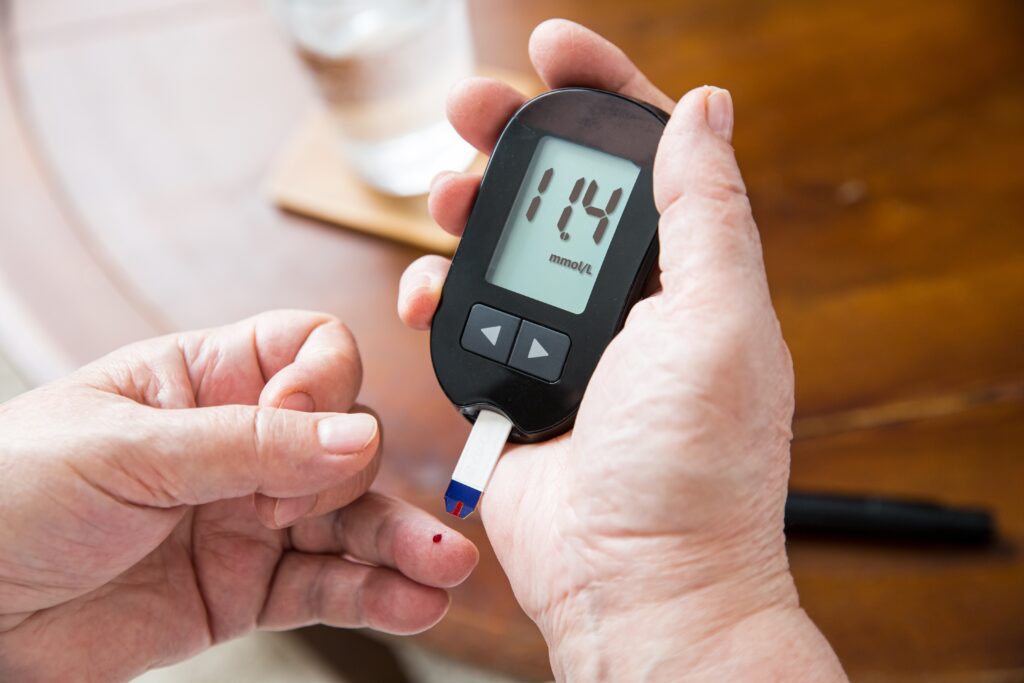
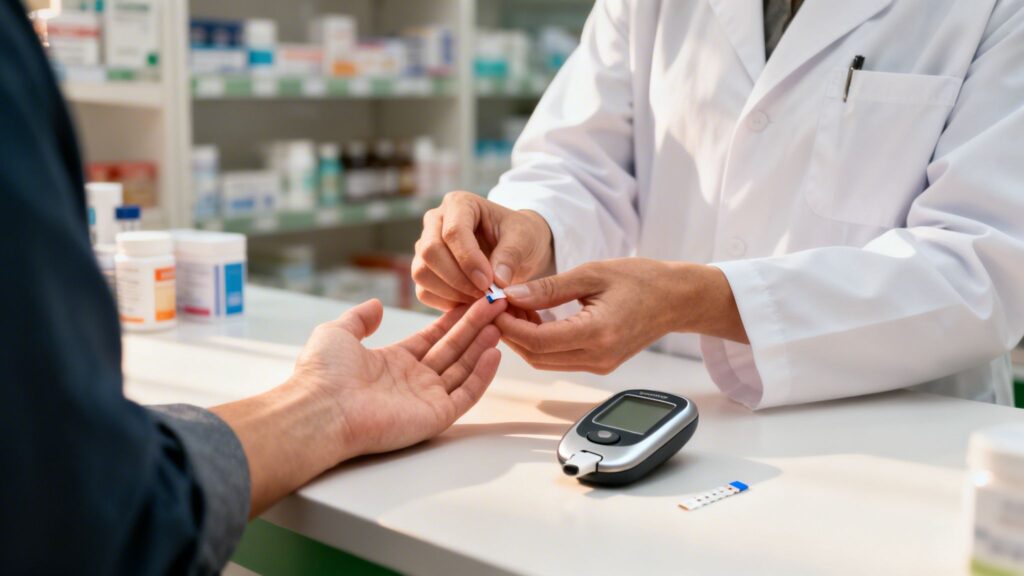
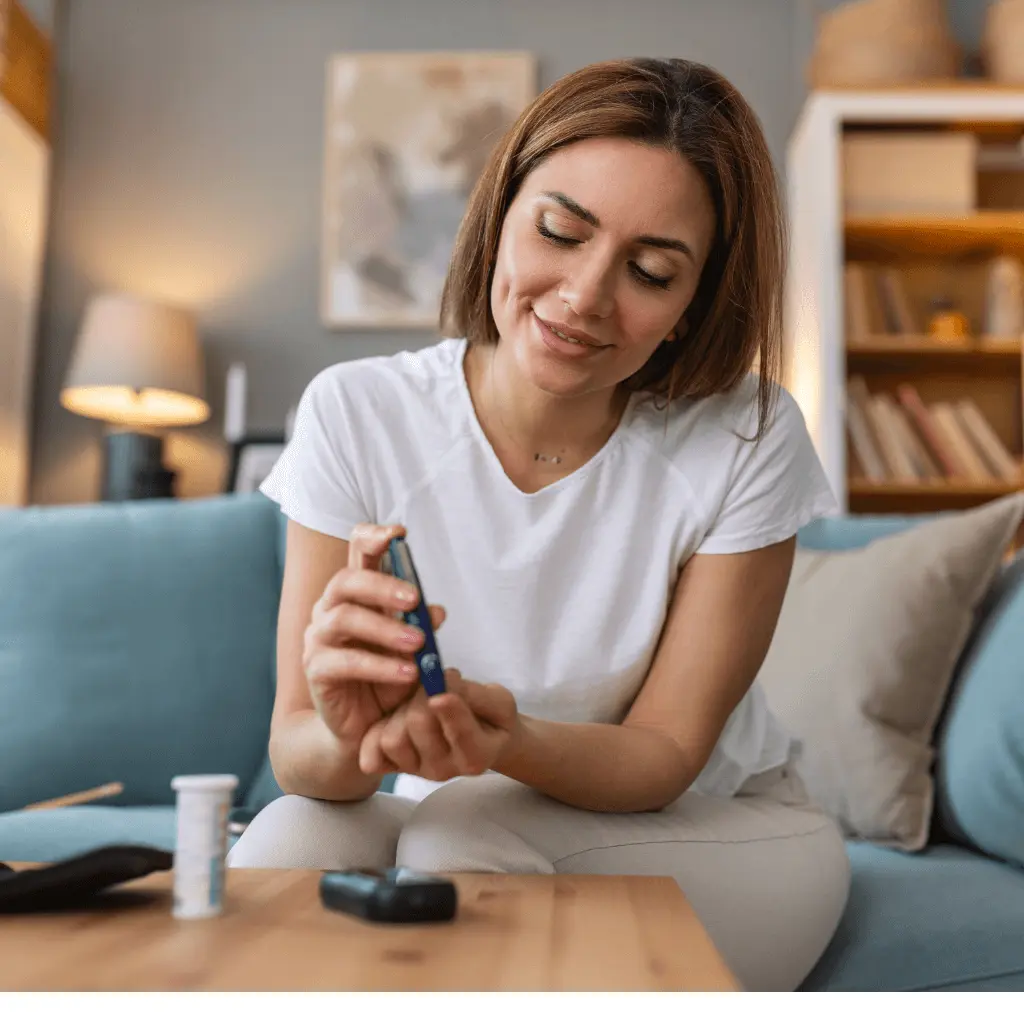
Practical Example: The feeling is often compared to a blood sugar test for diabetes. The kit for our Repose Healthcare at-home NIPT Test includes sterile, single-use lancets and clear instructions to make the process as hygienic and stress-free as possible.
Your privacy is paramount. We’ve built our service to be fully GDPR-compliant, handling your personal data with the strictest confidentiality.
Here’s a practical breakdown of how we protect you:
From the moment you order to the day you get your results, every step is designed for your peace of mind.
At Repose Healthcare, we believe in giving you clear, reliable information. Our private at-home NIPT offers a convenient, confidential, and clinically sound way to get the answers you’re looking for.
Explore our private NIPT test and take the first step today.