When you’re expecting, your health and your baby's health become the top priority. You’ve likely heard about Non-Invasive Prenatal Testing (NIPT) as an early screening option, but the price tag can be a bit of a mystery. In the UK, you can expect the NIPT test cost to be somewhere between £300 and £900 for a private test, with the final price really depending on just how comprehensive the screening is. This guide will give you practical insights to help you decide if it's the right choice for you and your family.
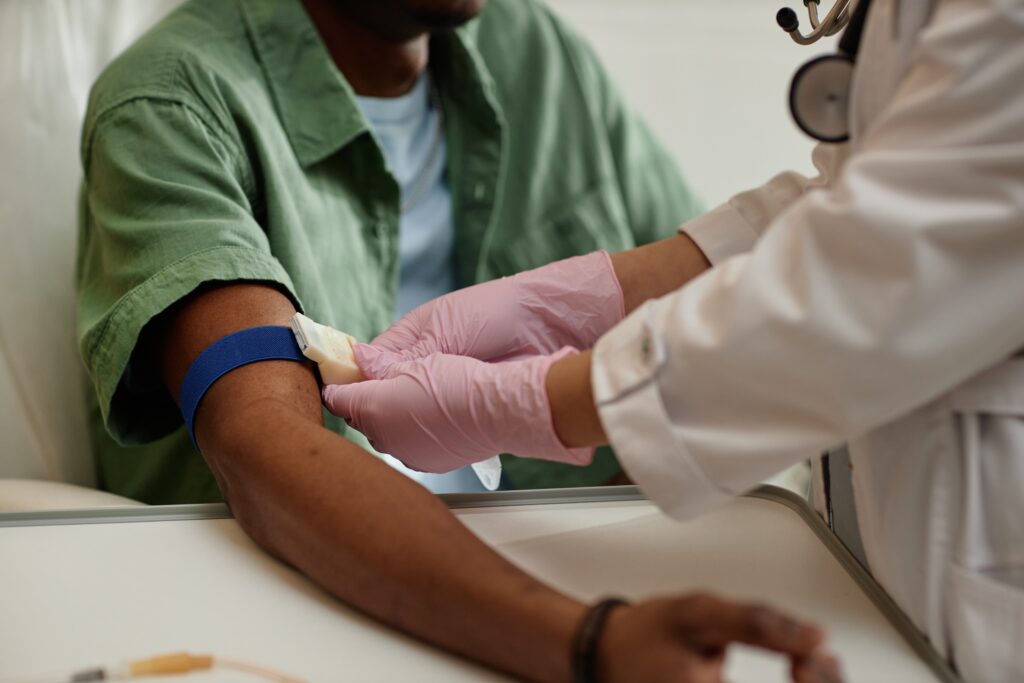
Think of a Non-Invasive Prenatal Test (NIPT) as a very early, detailed look into your baby's genetic health, available from as soon as 10 weeks into your pregnancy. It’s a simple screening test that only needs a blood sample from the mother, which makes it completely safe for the baby. This blood sample isn't just your own; it also contains tiny fragments of DNA from the placenta, which is almost always identical to the baby's DNA.

By analysing this placental DNA, labs can check for the likelihood of specific chromosomal conditions. This gives expectant parents valuable early information and, for many, significant peace of mind.
A key thing to remember is that NIPT is a screening test, not a diagnostic one. It assesses the chance of a condition, but a high-chance result requires further diagnostic tests like amniocentesis to confirm a diagnosis.
So, why do so many parents decide to go for NIPT? It usually boils down to wanting clear information and reassurance during a time filled with questions. Many choose it to:
This powerful screening tool helps you make informed choices about your own prenatal care journey. If you're interested in the science behind it all, our guide on how genetic testing works is a great place to start. Ultimately, this early information is invaluable for preparing both emotionally and medically for your baby's arrival.
Ever found yourself comparing NIPT options and wondering why one test is £400 while another costs close to £800? That price gap isn't random. It’s a direct reflection of what’s included in the test and the service you get, so understanding the moving parts is key to making a choice you feel confident about.

The biggest factor driving the price is the scope of the screening panel itself. Think of it like a menu—some options are simple and focused, while others are much more comprehensive.
In the UK's private healthcare sector, a Non-Invasive Prenatal Test will typically set you back anywhere from £400 to £900. This wide range usually comes down to whether you choose a basic screening or a more detailed panel that looks for conditions beyond the most common trisomies. For a deeper dive into the numbers, you can explore this detailed study on NIPT costs.
So, let's break down exactly what you're paying for.
By far, the most significant influence on your bill is what the test actually screens for. Most providers group their offerings into a couple of main tiers:
Actionable Insight: When you’re comparing costs, always dig into the specifics of what's included to make sure you're making a fair, like-for-like comparison. A test costing £500 that includes microdeletions is better value than one for £450 that doesn't.
Beyond the science, other service elements have a big impact on the final price. Getting your results back quickly often comes at a premium. Some clinics can turn results around in just 5 working days, whereas a standard service might take up to 10 days.
Another crucial factor is the level of professional support on offer. Having access to genetic counselling, either before or after your test, can be incredibly reassuring, but it’s sometimes an add-on fee. A practical tip is to always ask, "Is post-test counselling included, or will that be an extra charge?" This simple question can save you from an unexpected bill later on.
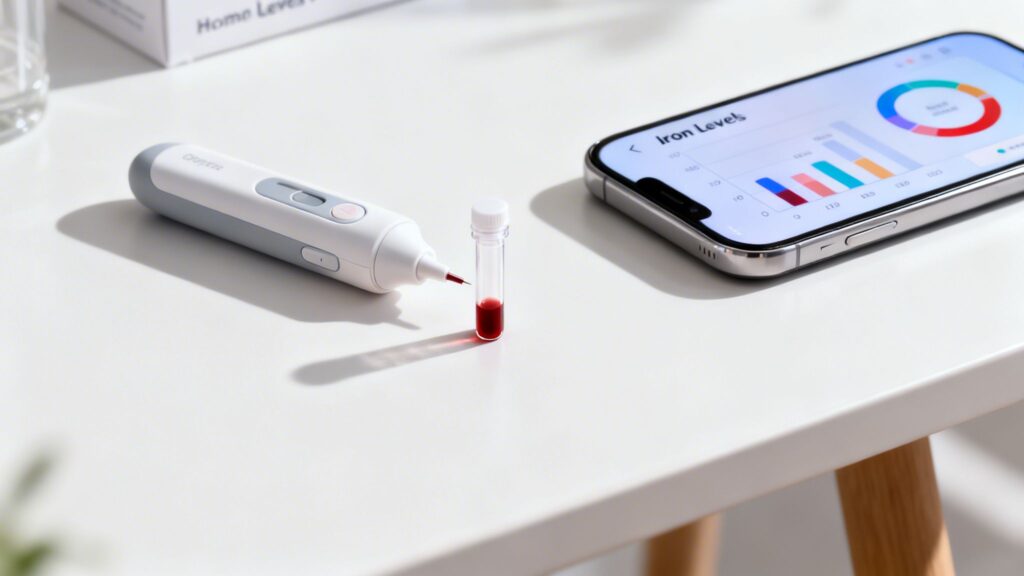
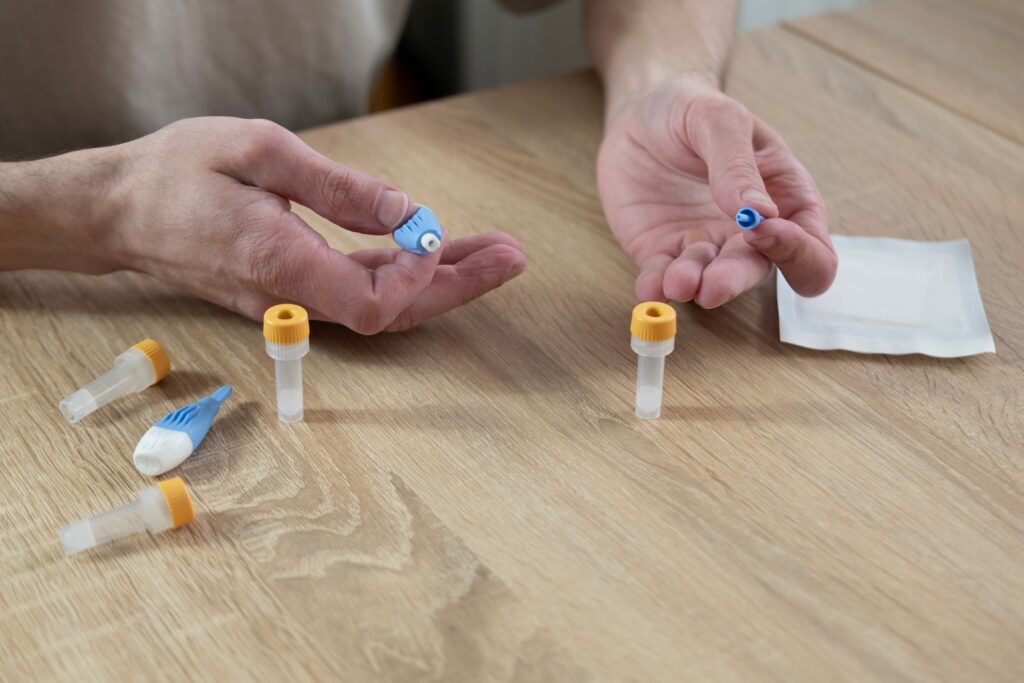
Finally, think about how the blood sample is collected. A visit to a clinic might have a different fee structure than a test you can do yourself. At-home solutions, like our at-home NIPT kits, offer a simple, transparent model that bundles the kit, sample collection, and lab processing into one clear price. This gives you full control over your screening journey, all from the comfort of your own home.
Many expectant parents in the UK naturally wonder if the NHS can cover the NIPT test cost. The short answer is yes, but it’s not a standard screening offered to everyone. Instead, the NHS uses NIPT as a ‘contingent’ or second-line test, which means access depends entirely on the results of your initial screening.
During your first trimester, you'll be offered the NHS combined screening. This involves a blood test and a nuchal translucency (NT) ultrasound scan, usually between 11 and 14 weeks of your pregnancy. The results are put together with your age to calculate the chance of your baby having Down's, Edwards', or Patau's syndrome.
You will generally only be offered an NHS-funded NIPT if your combined screening comes back with a higher-chance result. This threshold is usually set at 1 in 150 or greater.
For instance, if your combined screening result is 1 in 100, NIPT will be offered as the next step. But if it's 1 in 200, you typically won't qualify for NIPT on the NHS, even though that might still feel worrying.
The main reason for this approach is to reduce the number of people needing invasive diagnostic tests like amniocentesis or Chorionic Villus Sampling (CVS). While these tests give a definitive diagnosis, they carry a small but real risk of miscarriage. By offering highly accurate NIPT to the higher-chance group, the NHS can safely cut down on the need for these procedures.
Economic analyses have shown that offering NIPT this way is a sound strategy. One study highlighted that using NIPT for pregnancies with a 1:150 risk or higher is cost-neutral for the NHS while significantly cutting the number of invasive tests and related procedure-led miscarriages. You can learn more about the economic modelling behind NHS NIPT implementation.
So, what if you don't meet the NHS criteria but still want the early insight and peace of mind that NIPT provides? This is where private testing becomes the main option.
Choosing a private test gives you control. It allows you to have the screening from as early as 10 weeks, no matter what your initial NHS results are. For example, a parent who receives a 1 in 300 result from the NHS might still want the higher accuracy of NIPT for reassurance, rather than spending their pregnancy worrying. This is a very common reason to choose a private test.
For a clearer picture of healthcare funding in general, it can be useful to explore how maternal healthcare services are covered by insurance, which provides some broader context on financing different aspects of your care. Ultimately, for those who don't qualify on the NHS, a private test like our at-home NIPT kits is the go-to solution for early and accurate screening.
While the NHS offers a vital service, a growing number of families across the UK and Ireland are now choosing to arrange NIPT privately. This isn't just about healthcare; it's about wanting more control, getting reassurance earlier, and gaining deeper insights into your pregnancy. The reasons behind this shift are very clear.
One of the biggest factors is the desire for early reassurance. Private NIPT can be done from as early as 10 weeks, long before the standard NHS screening window opens up. For many expectant parents, waiting until 12-14 weeks for the first results—which might then lead to another anxious wait for NHS NIPT—is a long time to feel on edge. A private test offers peace of mind much, much sooner.
This demand is making waves. The UK's private NIPT market is expected to grow from USD 241.0 million in 2023 to USD 489.8 million by 2030. This boom is happening because parents are actively looking for alternatives to the NHS pathway, where NIPT is usually only offered after a screening result shows a 1 in 150 chance or higher. As you can discover in more detail from industry analysis, there’s a clear preference for being proactive.
Going private puts you in the driver's seat, letting you decide what and when to screen for, no matter the NHS criteria. This is especially important for anyone who wants a more thorough screen than the basic panel offered by the NHS.
On top of that, at-home testing has made the whole process incredibly straightforward. Our at-home NIPT kits put you in complete charge, all from the comfort of your own home.
For example, a couple might want to learn the baby’s sex to help with planning, or they may have a family history that makes them want to check for sex chromosome anomalies. These are options that aren't typically part of standard NHS screening.
Another key reason for choosing a private test is the chance to get a much more extensive screening panel. The NHS NIPT focuses on Down’s, Edwards’, and Patau’s syndromes, but many private providers can look for more. These expanded options can include:
This extra detail gives you a far richer picture of your baby's genetic health. If you're weighing up your options, it's worth taking a look at the broader services available in private health screening in the UK to see what’s possible.
When you choose a private provider like Repose Healthcare, you’re not just buying a test. You’re investing in a service that gives you control, convenience, and more complete answers right when you need them.
With all the different private NIPT options out there, it’s easy to feel a bit lost when trying to pick the right one. While the final NIPT test cost is obviously a big factor, getting real value means choosing a service you can trust to be clear, reliable, and supportive throughout the process.
It’s a bit like picking a nursery for your child—you wouldn’t just go for the cheapest option without checking their credentials and feeling confident in their care. The same principle applies here. Asking a few key questions will help you feel sure you’re investing in genuine peace of mind, not just a test result.
Before you commit, it’s worth getting straightforward answers to these essential questions. Any provider worth their salt will have this information easy to find.
Actionable Insight: Asking these questions helps you see past the shiny marketing and compare what’s actually being offered. It shifts the focus from just the price tag to the overall quality and reliability of the entire service.
At Repose Healthcare, for example, we focus on total clarity. Our at-home NIPT kits are processed exclusively in UK-accredited labs, and we deliver clear, expert-reviewed results through our secure digital platform. We make sure you understand exactly what’s included from day one, which is how a high-quality, trustworthy service should operate. This commitment to transparent reporting and support means you can feel fully confident in your choice.
Waiting for any test results can be a nerve-wracking time, but knowing what to expect can make the whole process feel clearer. When you get your NIPT report, it won’t give you a simple ‘yes’ or ‘no’ answer. Instead, it provides a probability score, which helps you understand the chances of a specific genetic condition being present.
It’s crucial to remember that NIPT is a screening test, not a diagnostic one. Think of it like a highly advanced weather forecast for your pregnancy. It can tell you there's a high or low chance of rain, but it can't say with 100% certainty that it will or won't rain on the day.
Your results will usually fall into one of three categories. The language used is very specific to reflect that NIPT is a screening tool, and each result points towards different next steps.
This flowchart walks you through the key factors to consider when thinking about NIPT, from the conditions screened to the support you'll receive.

As you can see, choosing a provider is about more than just the initial NIPT test cost; it’s about the entire service package that comes with it.
Actionable Insight: No matter what the outcome is, the most important step is to talk through your results with a healthcare professional. They can interpret what the numbers mean for you personally and guide you on what, if anything, you should do next.
At Repose Healthcare, we are committed to providing clear, expert-reviewed results that give you the information you need for a productive and informed conversation with your doctor. If you're wondering about how long it all takes, you can learn more about how long pregnancy blood test results take in our detailed guide.
It's completely normal to have a few questions swirling around as you decide if NIPT is the right choice for you. To help clear things up, we've put together some straightforward answers to the queries we hear most often about the test and its cost.
NIPT is incredibly accurate for a screening test. For the three most common conditions—Down's syndrome, Edwards' syndrome, and Patau's syndrome—it has a detection rate of over 99%.
It’s important to remember, though, that NIPT is a screening tool, not a diagnostic one. A high-chance result doesn't mean your baby definitely has a condition; it simply means that further, more definitive tests (like amniocentesis) are recommended to get a final answer.
Yes, absolutely. NIPT is available for twin pregnancies and is often the preferred screening option. While the accuracy is still very high, it can be slightly different from single pregnancies.
The test can also tell you if at least one of the babies is male, but it can't determine the individual sex of each twin.
Actionable Insight: What if my result is inconclusive? This happens in a small number of cases, usually because there wasn't enough of the baby's placental DNA in the blood sample (known as a low fetal fraction). With our at-home NIPT kits, the standard next step is simple: we'll arrange a re-draw, completely free of charge, a week or two later.
This really varies. In the UK, coverage for NIPT under private health insurance isn't standard. Some policies might cover it, but many don't.
The best advice is to speak directly with your insurer before booking your test to see exactly what your individual policy includes. For example, call your provider and ask, "Does my policy cover non-invasive prenatal testing, code [insert relevant CPT code if known], or is it considered an elective screening?"
At Repose Healthcare, we believe in providing clear answers and a seamless testing experience. Our at-home NIPT kits offer a convenient and reliable way to get the early insights you need.
Take control of your prenatal screening journey with our trusted at-home NIPT test