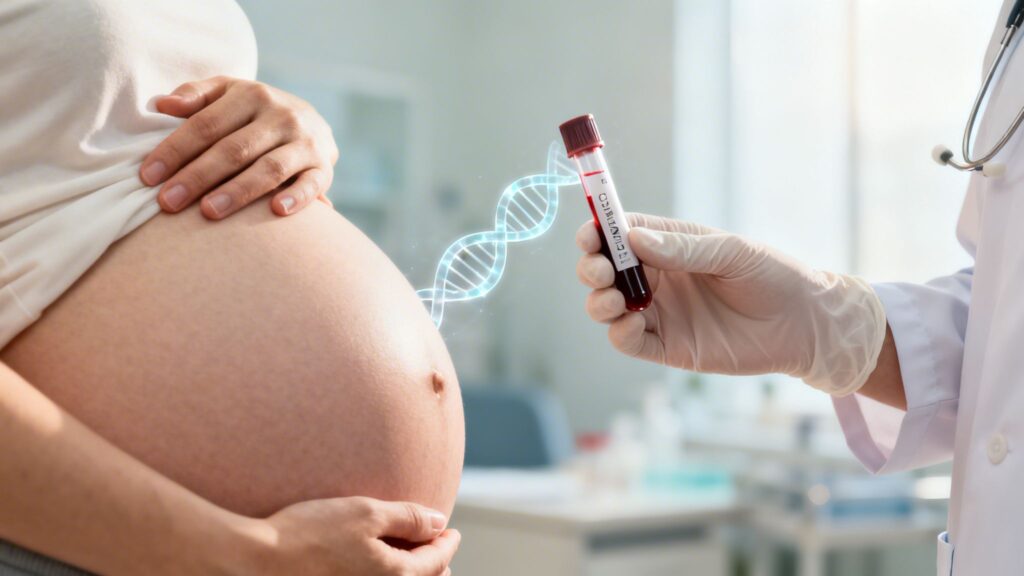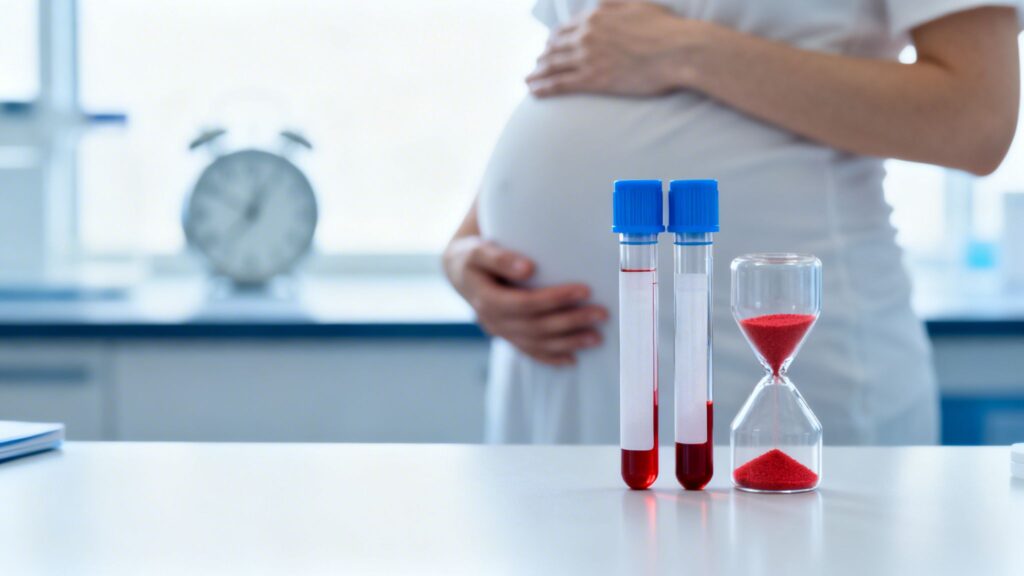
Non-invasive prenatal testing, or NIPT, is an incredibly reliable way to screen for common chromosomal conditions during pregnancy. For Down's syndrome, the accuracy of NIPT often exceeds 99%, offering expectant parents powerful reassurance from a simple blood test that can be taken as early as 10 weeks.

During pregnancy, your bloodstream carries tiny fragments of your baby’s genetic material. This is known as cell-free DNA (cfDNA), and it comes from the placenta, essentially acting as a genetic preview of your baby's health.
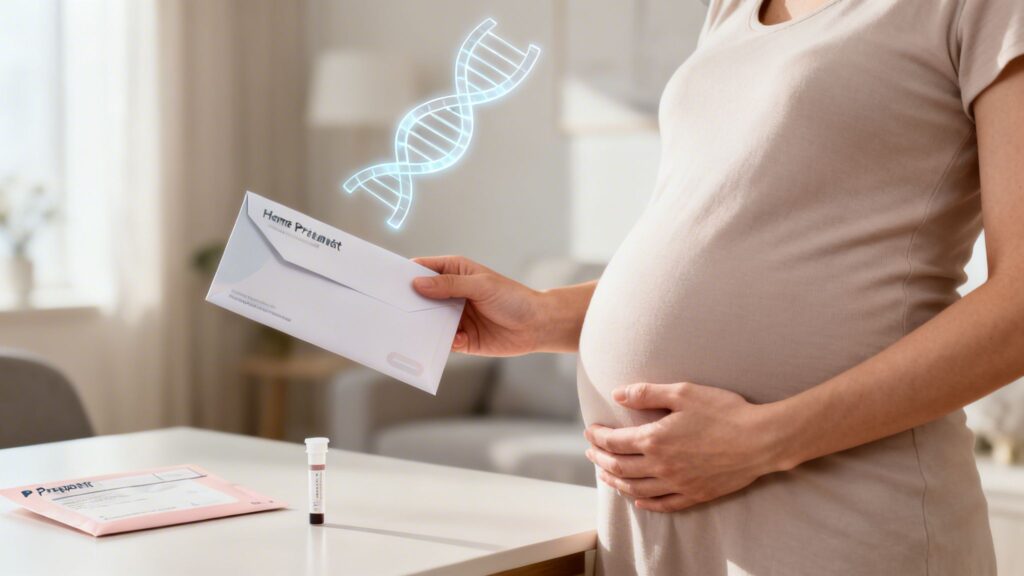
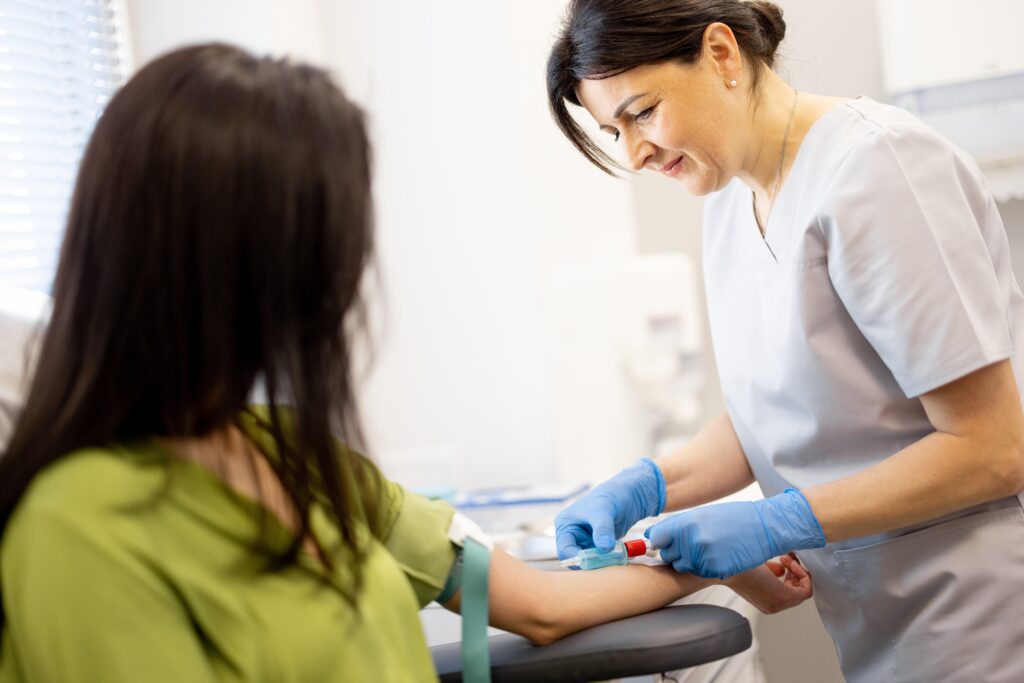
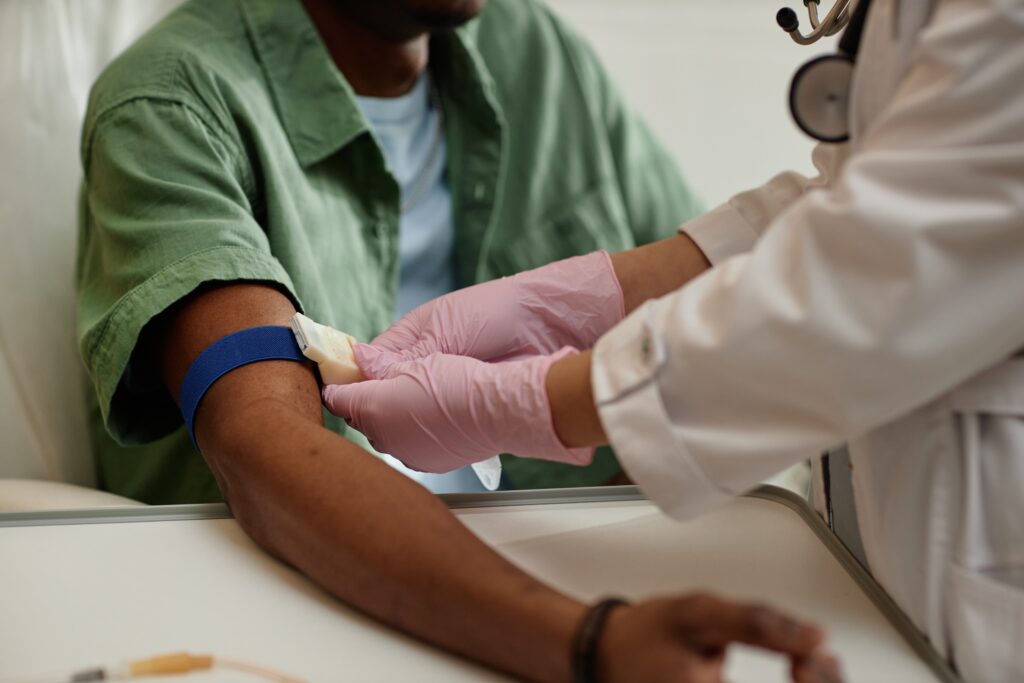
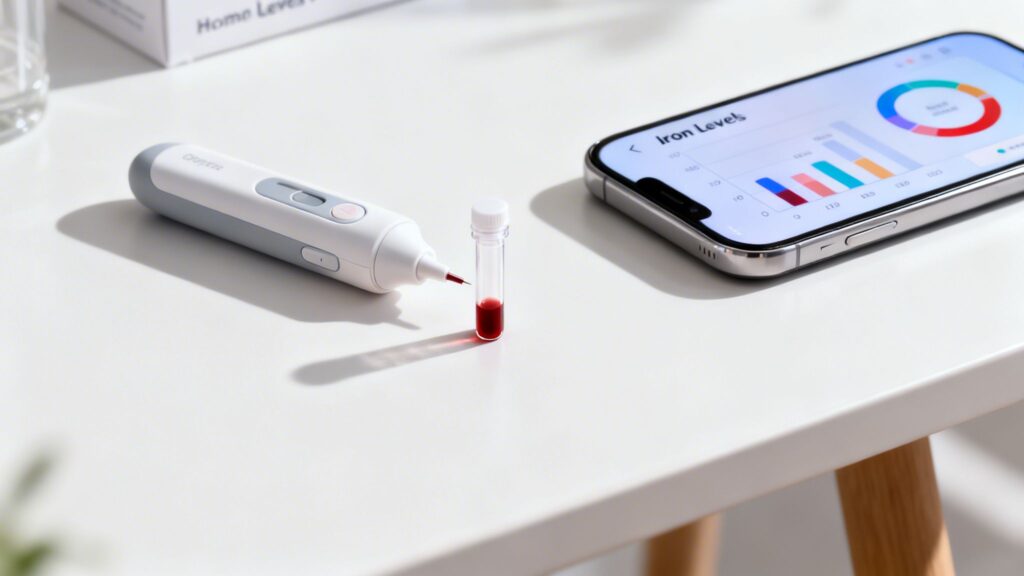
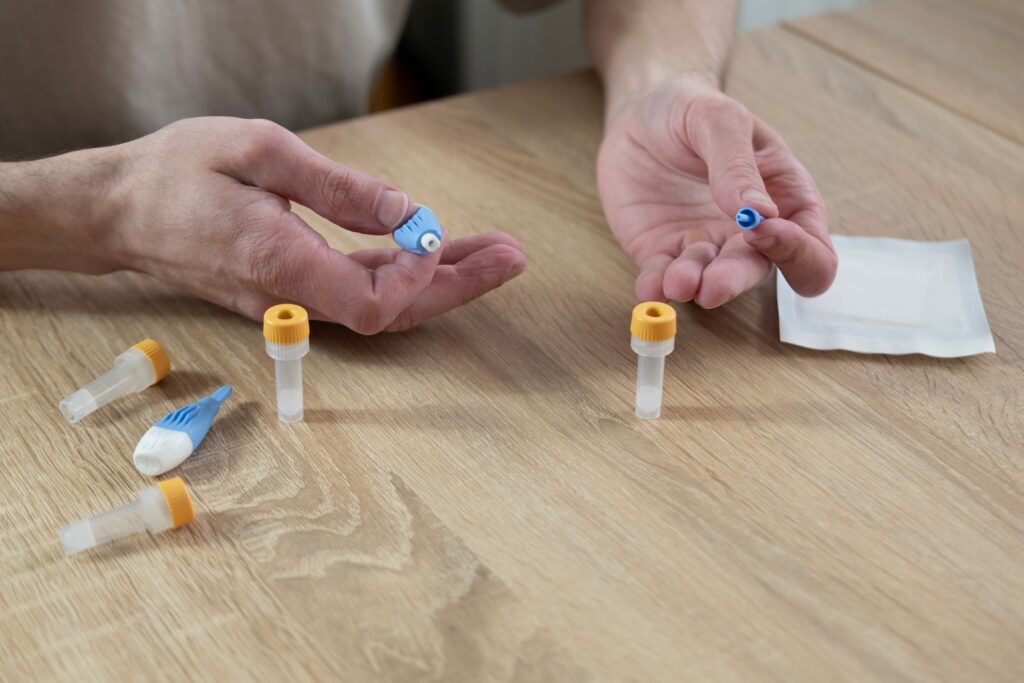
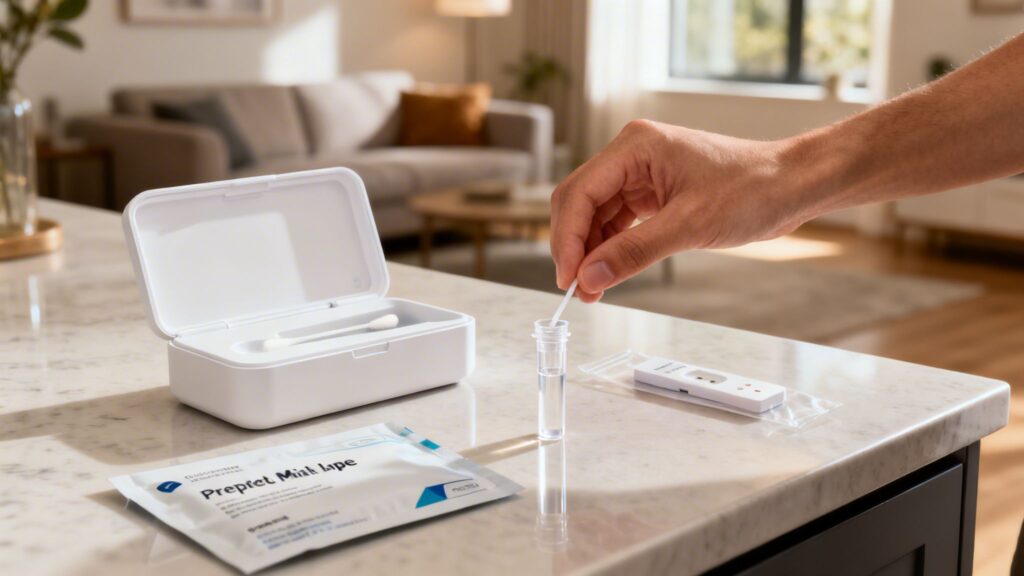
NIPT is an advanced screening test that analyses this cfDNA from a simple blood sample taken from you. It’s important to remember it’s not a diagnostic test, but it is a highly accurate way to understand the chance of certain chromosomal conditions. A practical example: instead of needing a complex hospital procedure, you can get highly accurate results from a simple blood draw, even in the comfort of your own home.
You can think of NIPT as a very sophisticated counting exercise. The test measures the amount of DNA from each of your baby's chromosomes to check if there are more or fewer copies than expected. An extra copy of chromosome 21, for instance, is the genetic marker for Down's syndrome (Trisomy 21).
Because NIPT directly analyses the baby's placental DNA, its accuracy is much higher than the traditional screening methods offered in the first trimester. This has some significant benefits and actionable insights for you:
The effectiveness of NIPT in the UK has been well-proven. A key study at Great Ormond Street Hospital involving over 2,500 women showed NIPT correctly identified the DNA changes for Down's syndrome with 99% accuracy.
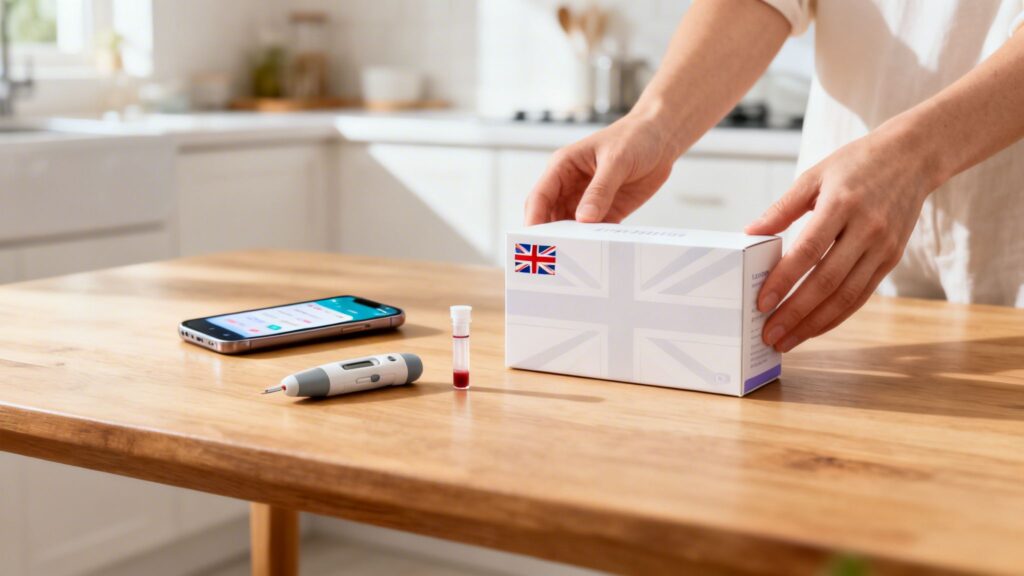
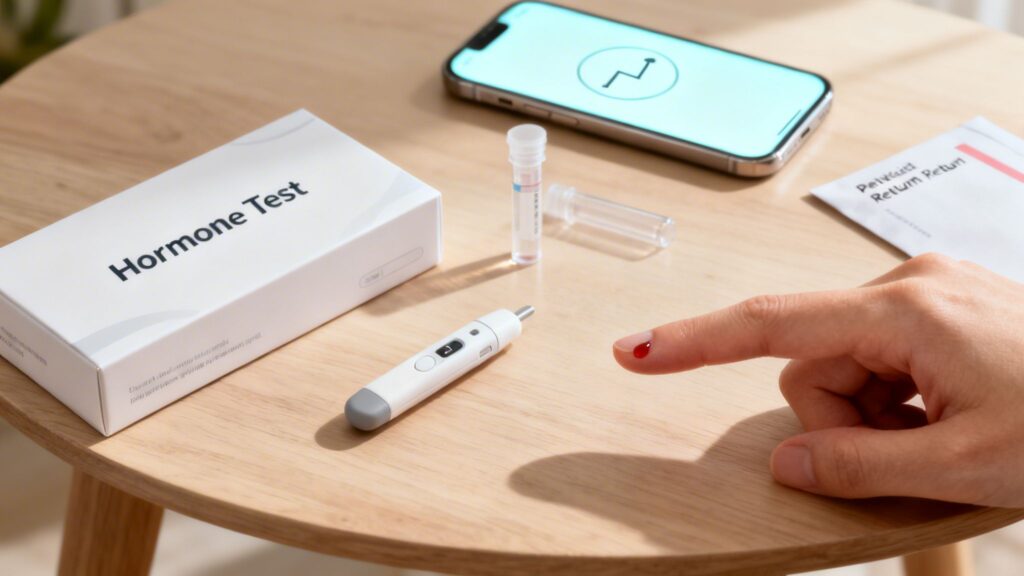
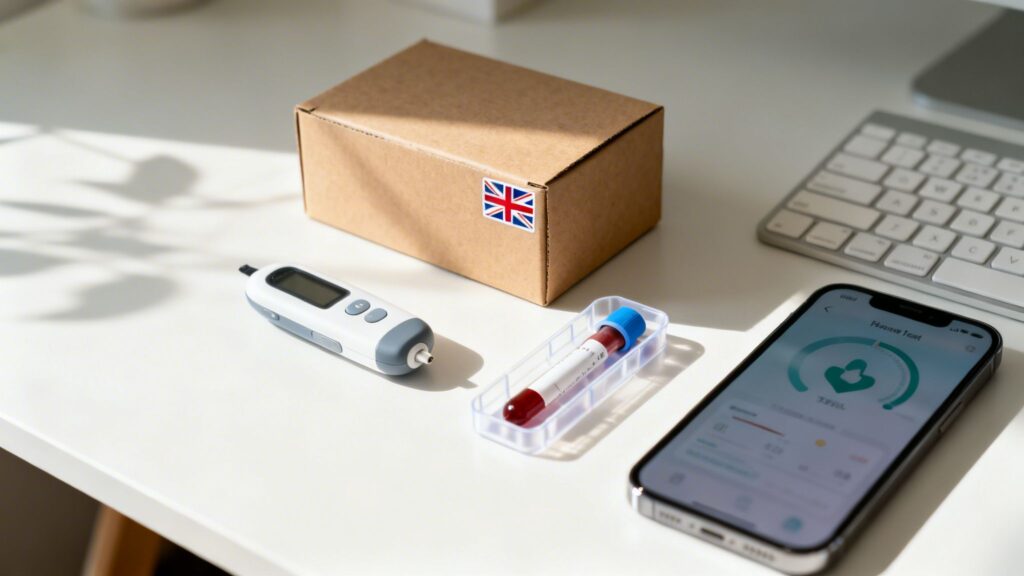
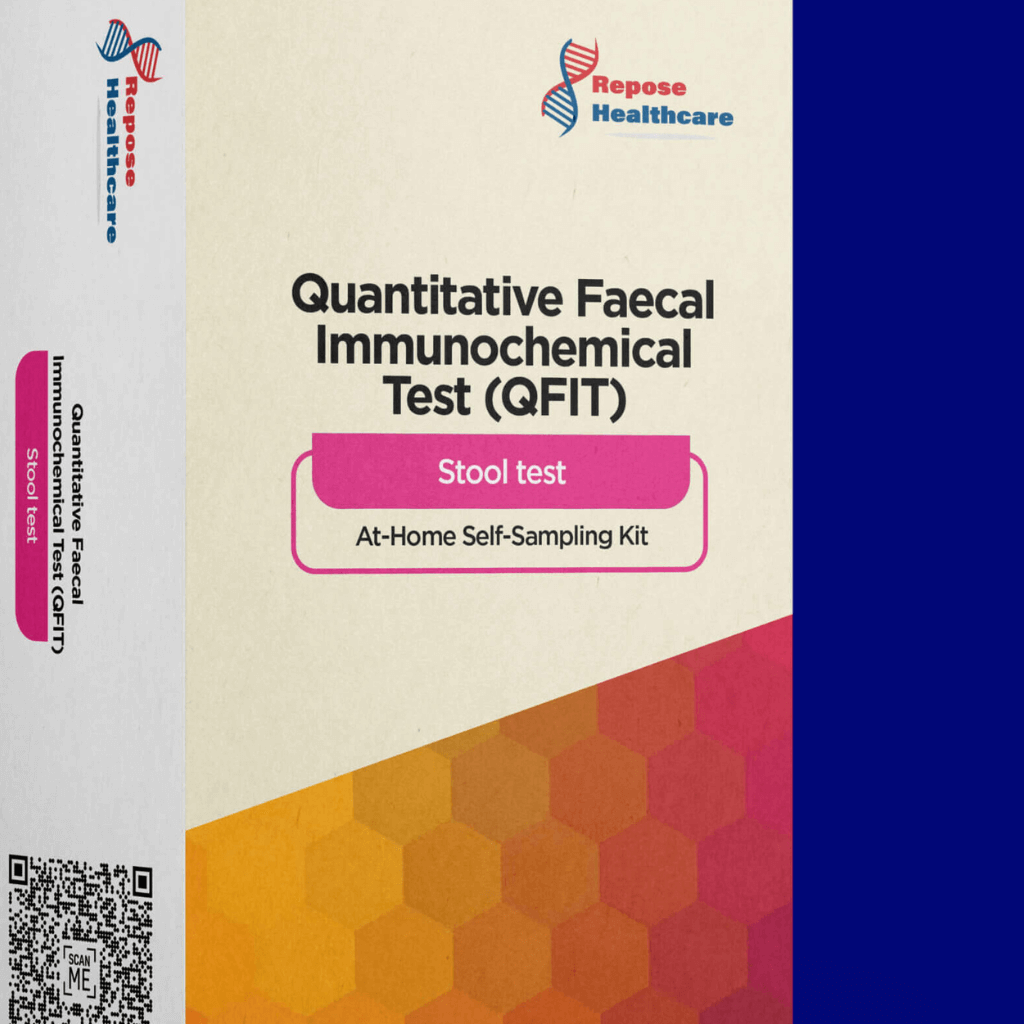
This advanced screening is no longer limited to specialist hospital clinics. As a practical step, you can now take control of your prenatal screening timeline. Services like Repose Healthcare allow you to order an Repose Healthcare At-Home NIPT Test, making the process private, straightforward, and convenient.
Understanding how this all works is the first step in making an informed choice for your pregnancy. To get a clearer picture of the science involved, have a look at our guide on how genetic testing works.
When you see a statistic like "99% accurate," it’s natural to feel reassured. But what does that number actually tell you about your personal result? To really get to grips with NIPT test accuracy, we need to look beyond that single figure and understand two different, but equally important, measurements.
A practical example: think of it like a high-tech smoke alarm. You need an alarm that’s brilliant at detecting real smoke, but you also don’t want it going off every time you make a piece of toast. NIPT works in a similar way, balancing two key performance metrics to give you a clear picture.
The first of these is sensitivity, which you might also hear called the detection rate. This simply tells you how good the test is at spotting a specific condition when it’s genuinely there. A test with high sensitivity is a very reliable watchdog.
For Down's syndrome (Trisomy 21), NIPT has an incredible sensitivity of over 99%. As a practical example, this means that if you took 100 pregnancies where the baby truly has Down's syndrome, the test would correctly flag more than 99 of them as 'high-chance'. It’s an exceptionally powerful detection tool.
But sensitivity is only half the story. It tells you the test is good at finding the issue, but it doesn't tell you how likely a 'high-chance' flag is to be correct. For that, we need a different number.
This brings us to Positive Predictive Value (PPV). If you receive a 'high-chance' result, the PPV is the number that really matters to you. It answers the crucial question: "Given this result, what is the actual chance my baby has the condition?"
Let’s go back to our smoke alarm analogy:
It's vital to remember that NIPT is a screening test, not a diagnostic one. An actionable insight here is that a 'high-chance' result isn't a final answer. It’s a very strong signal that further, definitive testing like amniocentesis should be considered. The PPV helps you and your doctor gauge just how strong that signal is.
For a common condition like Trisomy 21, the PPV is typically very high—often around 90%. This means that if you get a 'high-chance' result for Down's syndrome, there is a 9-in-10 chance that it's a true positive. Knowing this helps you have a much more informed and calm conversation with your healthcare provider about what to do next.
This is exactly why you should see NIPT as the first, highly accurate step in your prenatal screening journey. A reliable test, like the Repose Healthcare At-Home NIPT Test, provides the clear, trustworthy information you need to decide if diagnostic testing is the right path for you.
One of the most crucial things to get your head around with NIPT test accuracy is that it's not one single, flat number. The test’s performance actually changes depending on which specific chromosomal condition it’s looking for.
This happens because some conditions are more common and have clearer genetic signals than others, which makes them easier for the test to spot.
A practical example: think of it like a search party in a forest. Finding a huge, brightly coloured tent (like Trisomy 21) is a lot easier and more definite than finding a small, well-hidden backpack (like a much rarer condition). The test's reliability shifts for each specific target.
This is precisely why your actionable insight is to have realistic expectations and to understand what a ‘high-chance’ result really means for each individual condition.
NIPT is at its most powerful when screening for Trisomy 21. It has an extremely high detection rate (sensitivity) of over 99%, which means it almost never misses a case.
Just as importantly, its Positive Predictive Value (PPV) is also very strong. This means if you get a ‘high-chance’ result for Down's syndrome, there is a very high probability—often 90% or more—that the result is correct. This impressive level of certainty is a huge reason why NIPT has become such a trusted screening tool for this specific condition.
When we turn to other conditions, the numbers can look quite different. For Trisomy 18 (Edwards' syndrome) and Trisomy 13 (Patau's syndrome), the detection rates are still excellent, but the PPV is usually lower than for Trisomy 21. This is simply because these conditions are much rarer in the general population.
The difference becomes even more stark for sex chromosome aneuploidies (SCAs), like Turner syndrome or Klinefelter syndrome. While the test can screen for them, the PPV can be a lot lower. A practical takeaway is that a ‘high-chance’ result here needs much more careful thought and genetic counselling.
UK-based research brings this difference into sharp focus. For Trisomy 21, the PPV can hit as high as 98-99%. But for sex chromosome conditions, that figure can drop to around 50%. You can explore the full findings from this comprehensive UK study on NIPT performance.
To help you visualise this, we've put together a table showing the typical performance you can expect from NIPT for the most commonly screened conditions.
| Condition | Detection Rate (Sensitivity) | Positive Predictive Value (PPV) |
|---|---|---|
| Trisomy 21 (Down's Syndrome) | >99% | ~90% |
| Trisomy 18 (Edwards' Syndrome) | ~98% | ~64% |
| Trisomy 13 (Patau's Syndrome) | ~99% | ~44% |
| Sex Chromosome Aneuploidies | ~96% | ~50% |
As you can see, while the test is great at detecting these conditions (high sensitivity), the chance that a 'high-chance' result is a true positive (the PPV) varies a great deal.
This chart also gives you a side-by-side comparison of how NIPT's sensitivity and positive predictive value stack up for different conditions.

The chart makes it clear that while NIPT's ability to detect a condition (sensitivity) is high across the board, the chance that a positive result is genuinely positive (PPV) is not the same for everything.
That’s why getting to grips with the specific NIPT test accuracy for each condition is so vital. It helps you interpret your results properly and have a much better-informed conversation with your healthcare provider about what to do next. Using a trusted test like the Repose Healthcare At-Home NIPT Test ensures you're getting the most accurate screening information possible.

Modern prenatal care is all about finding the right balance between getting crucial information and keeping you and your baby safe. While the NIPT test accuracy is exceptionally high, it’s important to remember it’s a screening tool, not a diagnostic one. For a final, definitive diagnosis, procedures like amniocentesis or chorionic villus sampling (CVS) are needed.
These are called invasive tests for a reason. They involve taking a very fine needle to collect a sample of either amniotic fluid or a tiny piece of the placenta. Although they give a conclusive answer, they come with a small but real risk of miscarriage, which is understandably a major source of anxiety for any expectant parent.
This is where NIPT completely changes the game. It acts as an incredibly effective filter, drastically cutting down the number of people who ever have to face the difficult decision of having an invasive procedure.
The actionable insight is that for the vast majority of parents who opt for NIPT, a 'low-chance' result provides powerful reassurance. This allows them to bypass the stress and risk of diagnostic testing and simply continue with their routine prenatal care with much greater peace of mind.
This isn’t just a theory; it’s a tangible shift in healthcare. Since NIPT was introduced into the NHS England maternity pathway in June 2021, the number of invasive procedures has plummeted. For example, one fetal medicine specialist reported a huge drop from 126 amniocentesis procedures before 2021 to just four in the two years that followed for high-chance trisomy screenings. You can read more about these findings on NIPT's impact.
In simple terms, choosing a highly accurate screening test like NIPT means that for most people, the conversation about invasive testing never even needs to happen. It serves as a vital gatekeeper, protecting parents from unnecessary procedures and the worry that comes with them.
The main takeaway here is clear: starting your prenatal screening journey with a highly accurate test is the safest and most reassuring path for the majority of expectant parents. It delivers vital information without introducing unnecessary risk.
This approach fits perfectly with the goal of at-home testing—to give you clear, reliable insights in a way that’s convenient and free from stress. By choosing the Repose Healthcare At-Home NIPT Test, you’re taking a trusted first step that prioritises both information and safety, empowering you to make the best decisions for your growing family.
While NIPT is an incredibly reliable screening tool, it’s important to remember that no test is perfect. A few specific biological and technical factors can sometimes sway the results, leading to a false positive or, much less commonly, a false negative. Knowing what these factors are gives you a much clearer picture of what your NIPT result really means.
The most common factor is something we call fetal fraction. This is simply the percentage of the baby’s cell-free DNA (cfDNA) that’s floating around in your blood sample. For the lab to get a clear signal, this number needs to be high enough to analyse – the usual cut-off is 4%.
If your fetal fraction is too low, the lab might not be able to return a result. This is often called a "no-call" or "test failure". It doesn't mean anything is wrong; it just means there wasn't enough of the baby's genetic material in the sample to screen with confidence.
So, what causes a low fetal fraction?
The main actionable insight is straightforward: waiting until you’re at least 10 weeks pregnant gives you the best chance of a successful test. If you do get a "no-call" result because of a low fetal fraction, the standard next step is a complimentary re-test after a short wait, which is what we offer with tests like the Repose Healthcare At-Home NIPT Test.
Another biological curveball is a rare event called placental mosaicism. It’s a crucial concept to understand because NIPT analyses DNA from the placenta, not directly from the baby. In about 1-2% of pregnancies, the genetic code of the placenta is actually different from that of the fetus.
A practical example: the placenta might carry a chromosomal difference (like a trisomy) that the baby does not. This is a classic reason for a false positive – where the NIPT gives a 'high-chance' result, but the baby is perfectly healthy.
Other, less common, situations can also affect the results. These include a "vanishing twin," where one twin stops developing early on, but its placental DNA lingers in the mother's system. Very rare maternal health conditions can also interfere with the test.
These scenarios highlight exactly why NIPT is a screening tool, not a diagnostic one. It’s brilliant at identifying who might need further investigation, but a high-chance result should always be followed by a conversation with your doctor about definitive diagnostic tests like CVS or amniocentesis.

Getting your NIPT results back is often a big moment in any pregnancy. The report will land on one of two main outcomes, and knowing what each one means is the key to figuring out your next steps without unnecessary worry.
For the vast majority of people, the report will show a ‘low-chance’ or ‘negative’ result. This is exactly the news you want to hear. It means that for the specific conditions the test screened for, it's highly unlikely your baby is affected, offering powerful reassurance.
An actionable insight here is that a low-chance result means you can feel confident continuing with your usual NHS prenatal care, knowing the high NIPT test accuracy has given you a very positive outlook.
Now, what about a ‘high-chance’ or ‘positive’ result? It's natural to feel a wave of anxiety, but the first thing to remember is that this is not a diagnosis. Think of it as a very strong signal that tells you and your healthcare team that a closer look is needed.
If you receive this result, here are the practical steps to take:
Making these follow-up decisions can feel huge, but you won't be doing it alone. This is where shared decision making in healthcare becomes so important. Working with your provider ensures the choices you make are the right ones for you and your family.
NIPT works as an excellent screening tool, giving you the critical information needed to guide these conversations. If you're wondering about timescales, have a look at our guide on how long it takes for pregnancy blood test results.
At the end of the day, having a screening test you can rely on is the best way to start this process. The Repose Healthcare At-Home NIPT Test is designed to provide that clear, accurate, and supported first step, giving you the information you need, right when you need it.
Even after getting to grips with NIPT accuracy, it’s completely normal to have some practical questions about how the test fits into your pregnancy journey. Let's walk through some of the most common queries we hear from expectant parents.
Yes, by a significant margin. The NHS combined test, which brings together a blood test and a nuchal translucency ultrasound, is a valuable first-line screening tool. Its main drawback, however, is a higher false positive rate. A practical example: the combined test might give a 1 in 100 'high-chance' result, causing significant anxiety, whereas an NIPT could return a 'low-chance' result, providing immediate reassurance.
NIPT, on the other hand, gets its information by directly analysing placental DNA. This gives it a much higher detection rate (over 99% for Down's syndrome) and, crucially, a much lower false positive rate. An actionable insight is that many parents opt for NIPT to get this greater level of certainty, either as their main screen or after receiving a high-chance result from the combined test. It's also useful to understand the financial side; you can find out more about the NIPT test cost and what it covers.
Choosing NIPT lowers the chance of a false alarm, which means stronger reassurance for you and less need for further, more invasive procedures. It simply offers a clearer path forward for most expectant parents.
NIPT is exceptionally good at determining a baby's sex, often with more than 99% accuracy. It works by checking for the presence of Y-chromosome DNA in your blood. If the lab detects it, the baby is male; if they don't, the baby is female.
However, it's not a 100% guarantee. Just like screening for chromosomal conditions, it’s subject to the same biological factors, such as a low fetal fraction or other rare technical hiccups. The actionable insight is that while it's one of the most reliable ways to find out your baby’s sex early on, you should still think of it as a highly accurate screen rather than a definitive, diagnostic answer before you go buying blue or pink paint.
Getting a "test failure" or "no result" can feel disheartening, but it's really important not to panic. This is not a high-chance result and doesn't suggest anything is wrong with your baby. By far the most common reason is a low fetal fraction – there just wasn't enough of the baby's DNA in the sample to run a reliable analysis.
In this situation, the actionable next step is a complimentary re-test. At Repose Healthcare, if your first test fails because of a low fetal fraction, we offer a free repeat test. We usually suggest waiting about two weeks, which gives the fetal DNA levels in your blood a chance to increase.
For a clear, accurate, and supported first step in your prenatal screening journey, consider the at-home NIPT from Repose Healthcare. Get the reliable information you need from the comfort of your own home by visiting reposehealthcare.co.uk.