Vitamin deficiencies can have a major impact on your health. Sometimes, they show small and subtle signs, but other times, they can cause life-impacting symptoms that get in the way of you living happily and healthily.
A vitamin B12 deficiency is particularly serious because of the neurological problems it can cause. If you show any signs of a B12 deficiency, it is essential to test for it as soon as possible so that, if you do have the deficiency, you can begin treatment to regain normal levels and avoid any severe health consequences.
Luckily, testing for vitamin deficiencies is easier than ever, with the availability of B12 tests at home meaning you don’t even need to schedule a doctor’s appointment. In this guide, learn:
A B12 deficiency is a condition that occurs when the body does not get enough B12 to function properly. This affects the red blood cells and can lead to anaemia, which is when there are fewer red blood cells than normal. It’s common for people with B12 deficiencies to show symptoms such as fatigue, pins and needles (especially in the hands and feet), muscle weakness, and vision problems.
Yes. Many people struggle to book appointments for deficiency tests, perhaps because they live busy lifestyles and work throughout the week. A B12 deficiency test at home means that you can do it any time.
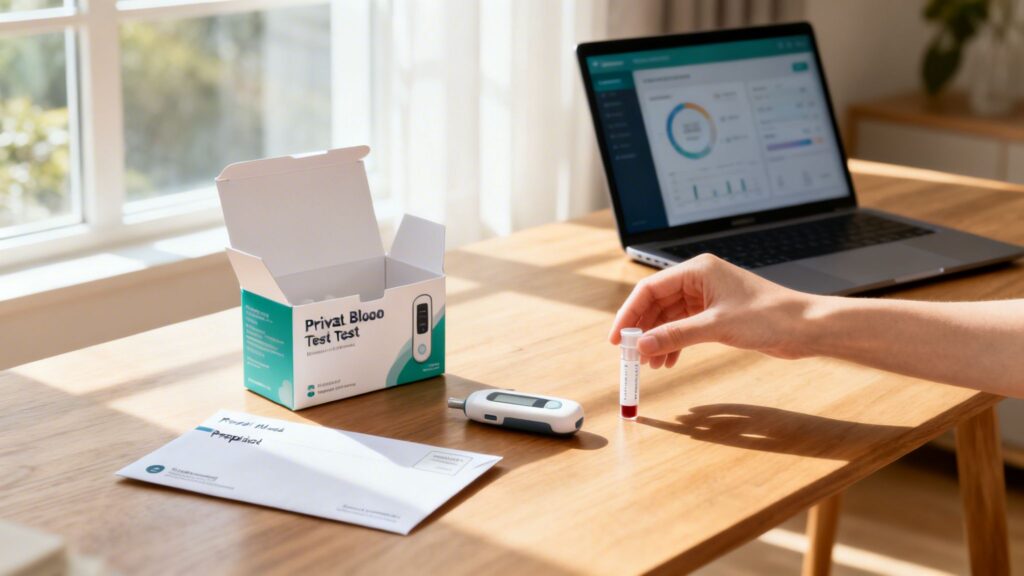
At Repose Healthcare, we have a simple process that involves ordering the B12 at home test kit and getting results. You can do it all in one place without ever having to leave the house. You can do it all in your own time at your own pace.
Vitamin B12 deficiencies can affect anyone. However, some people are more likely to suffer from this deficiency than others. If you fall into any of the following categories, it is likely a good idea to take a test.
There are several unique signs of a B12 deficiency, ranging from physical to mental symptoms. If you show any of the following signs of vitamin deficiency, it is crucial to get a test done as soon as you can (and an at-home B12 test makes this far easier).
Have you experienced B12 deficiency symptoms? Learn how to test for B12 deficiency at home here. The process is straightforward.
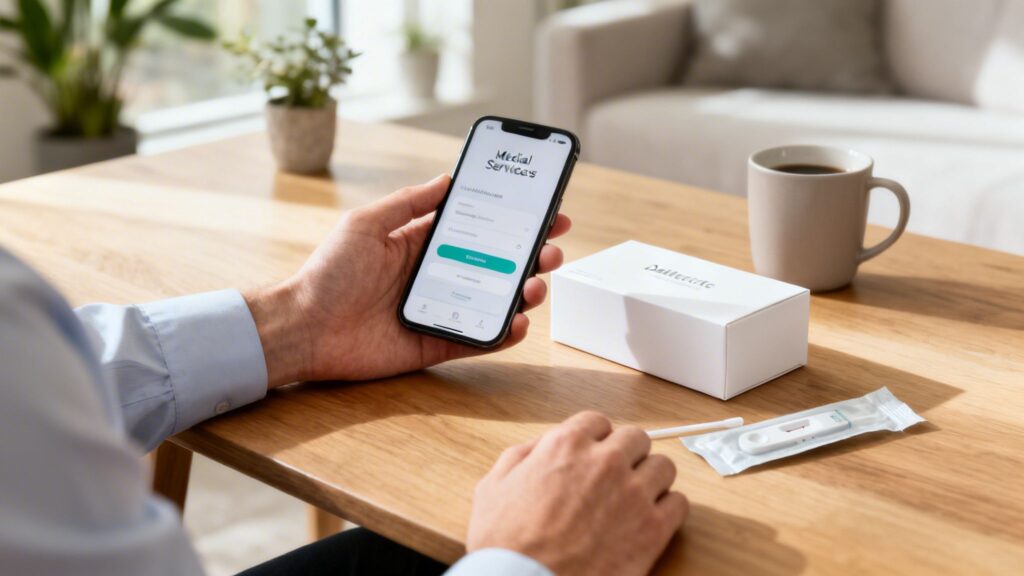
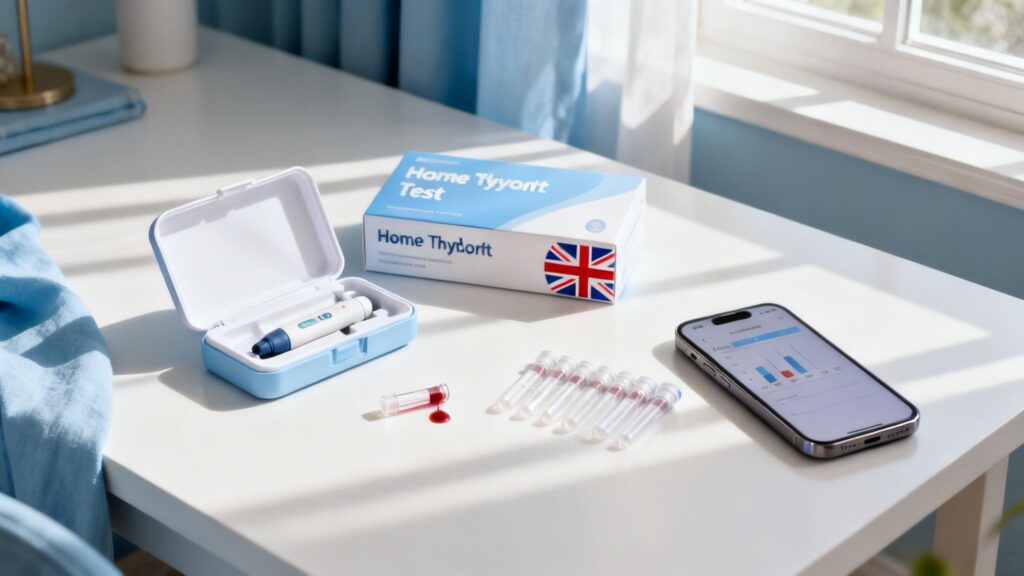
The first step is to order the test. You can do this easily on the Repose Healthcare website. Simply locate the B12 deficiency test on the website, and then follow the instructions to order the test to your home. You’ll have to fill in information such as your name and address.
Once you have ordered the at-home B12 deficiency test, simply wait a couple of working days (usually two to three) for it to arrive at your home.
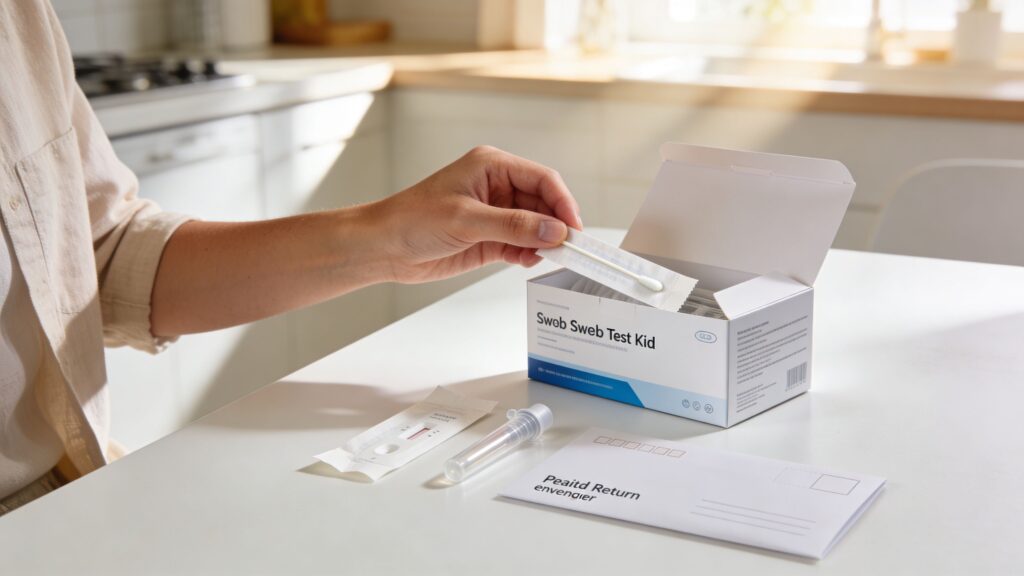
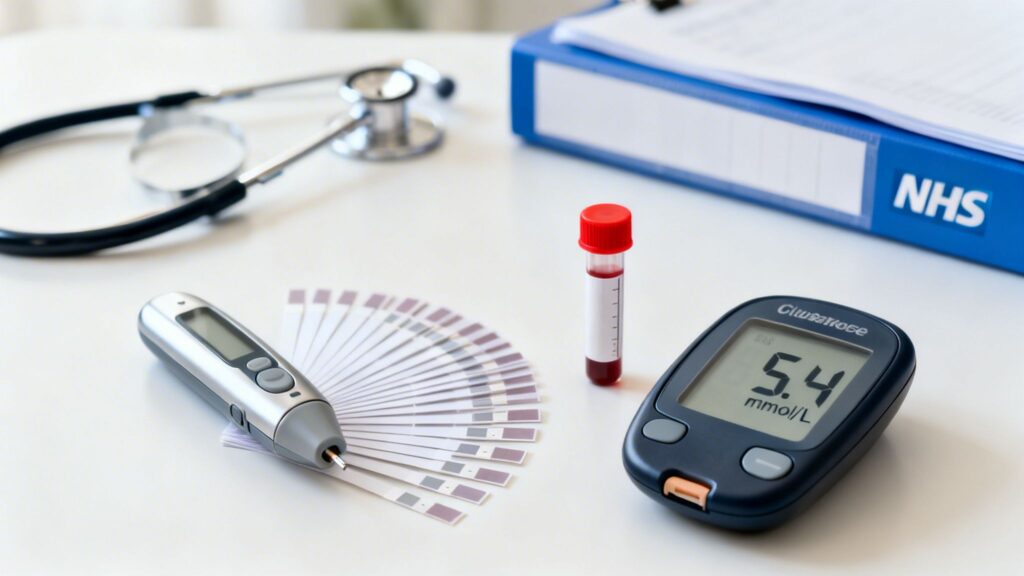
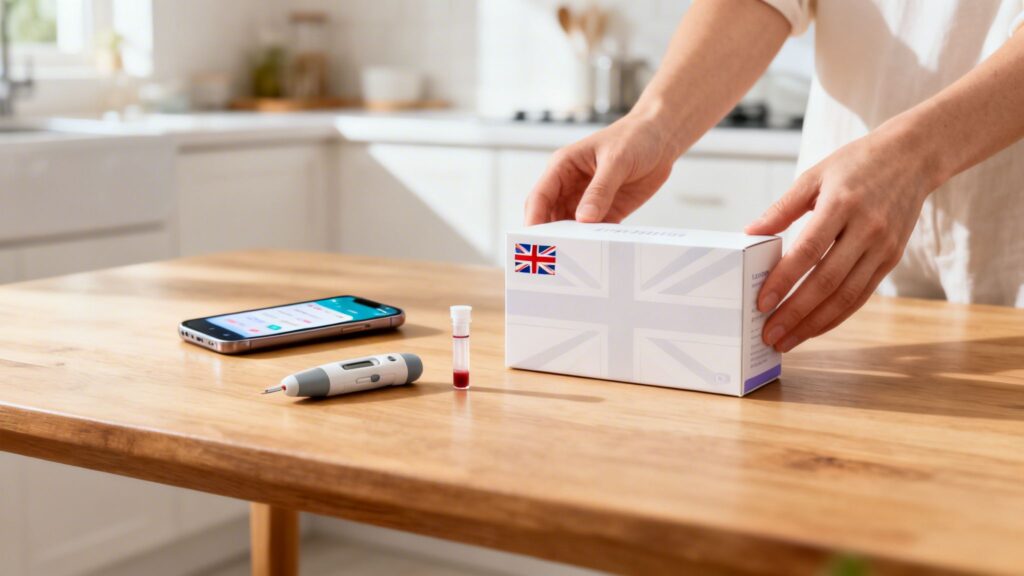
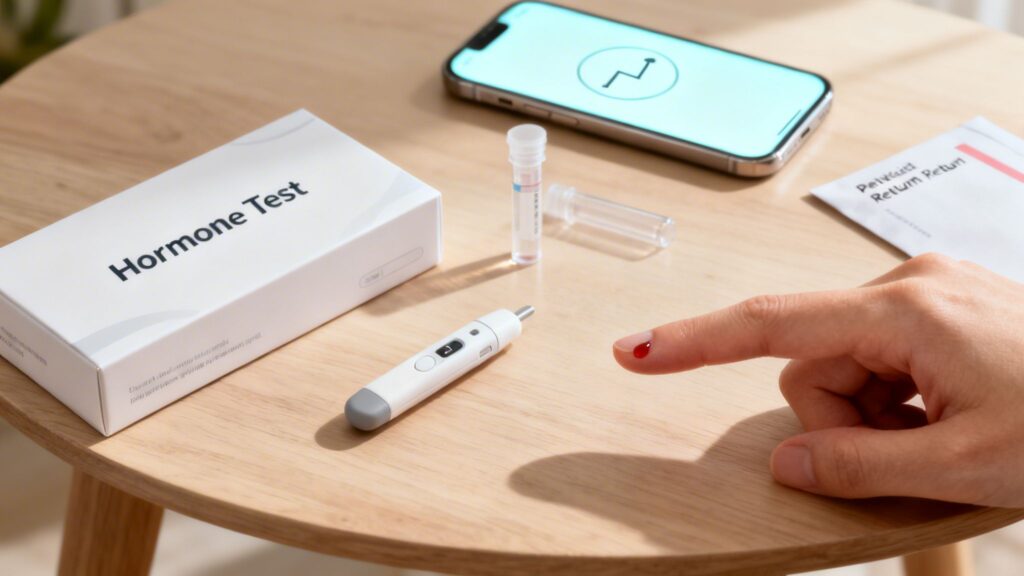
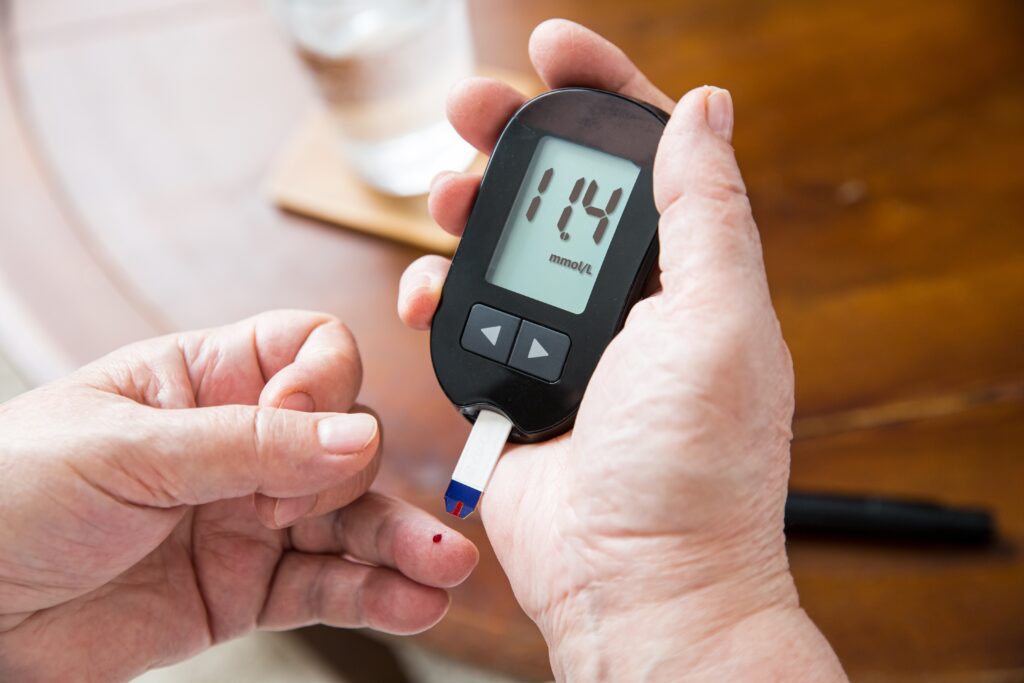
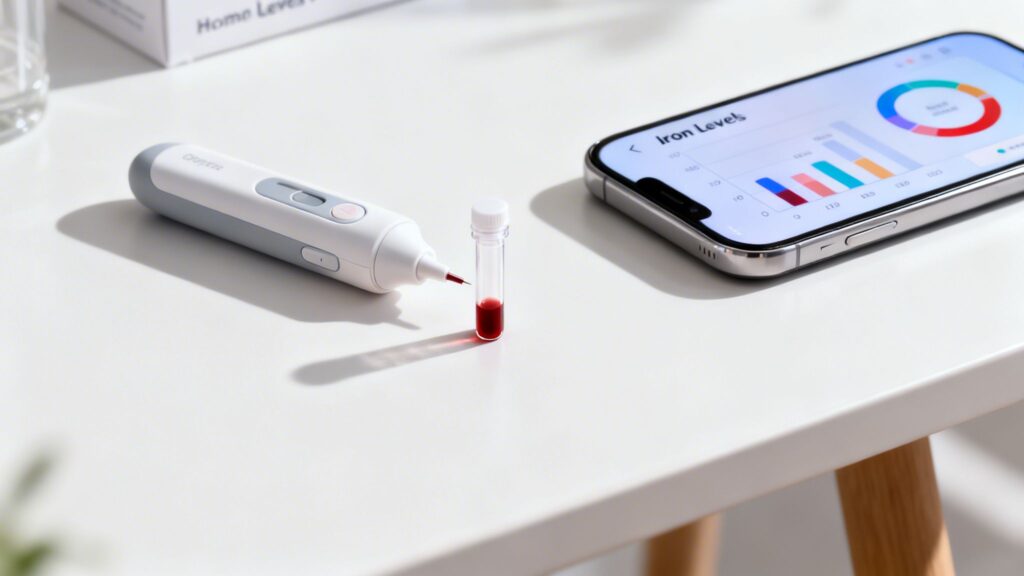
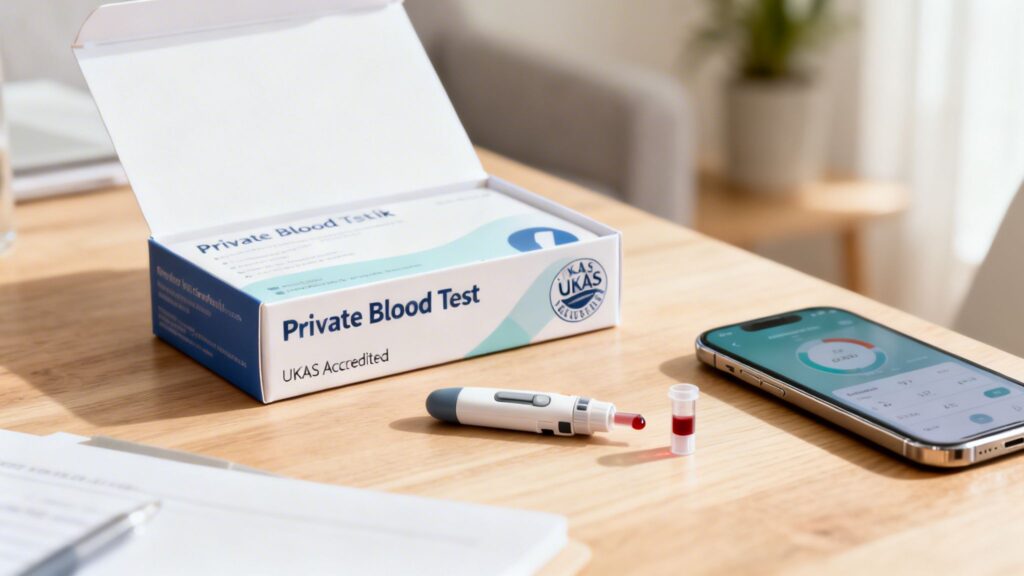
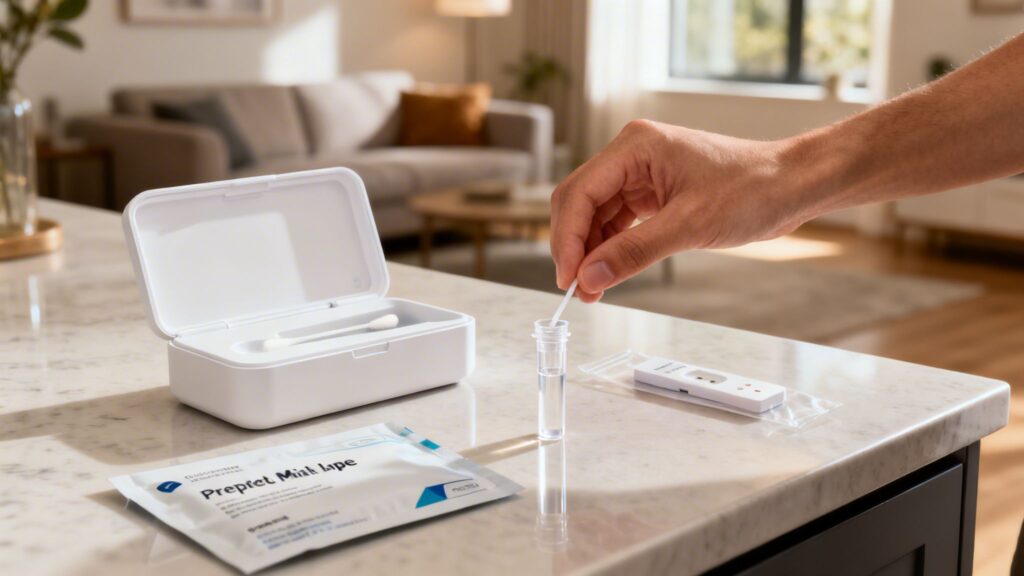
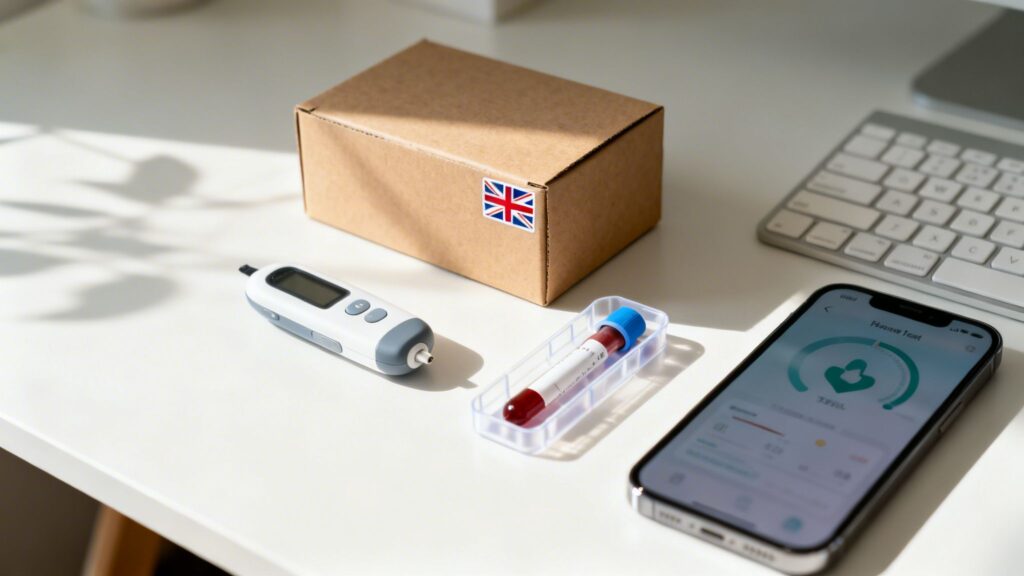
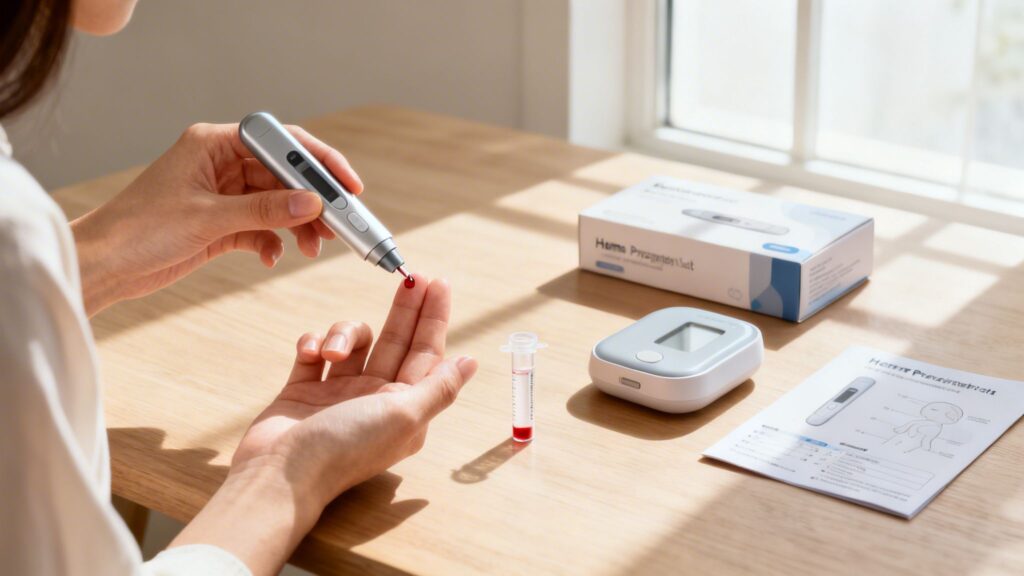
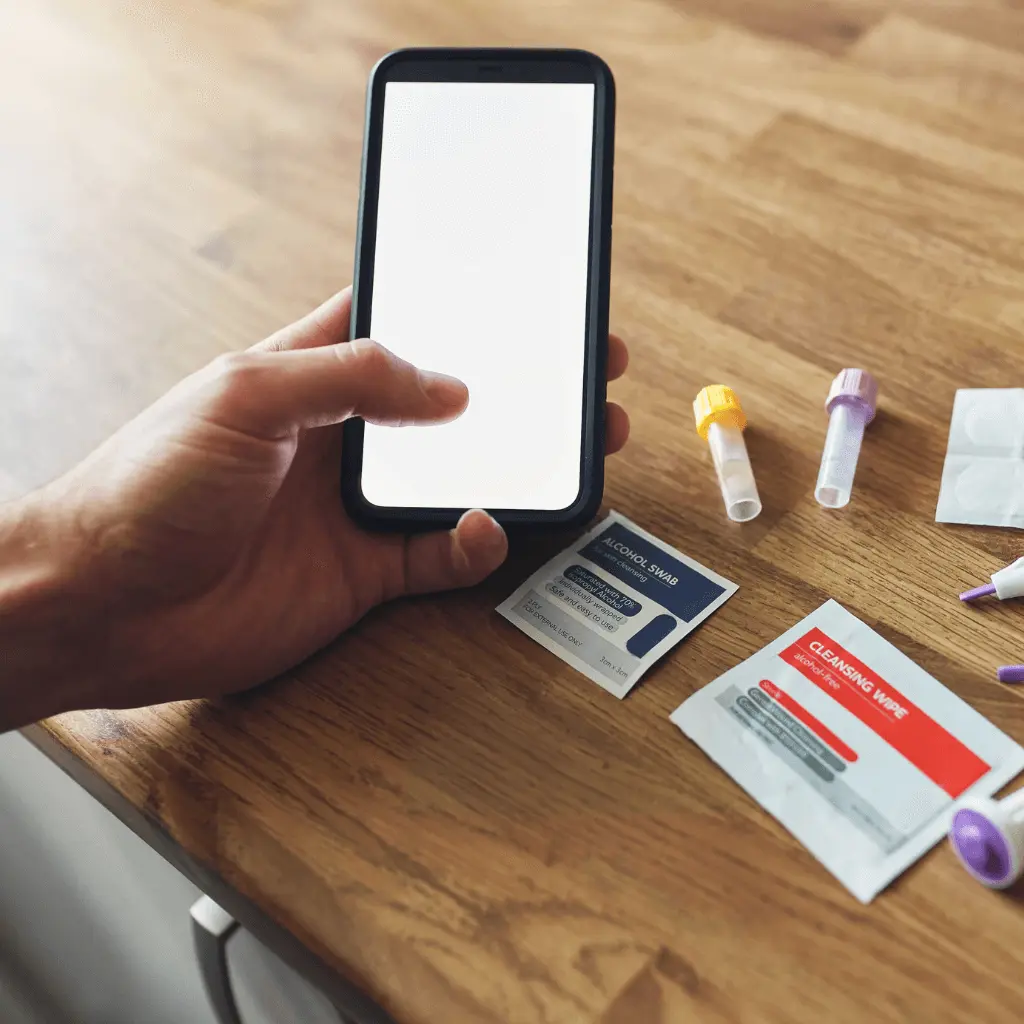
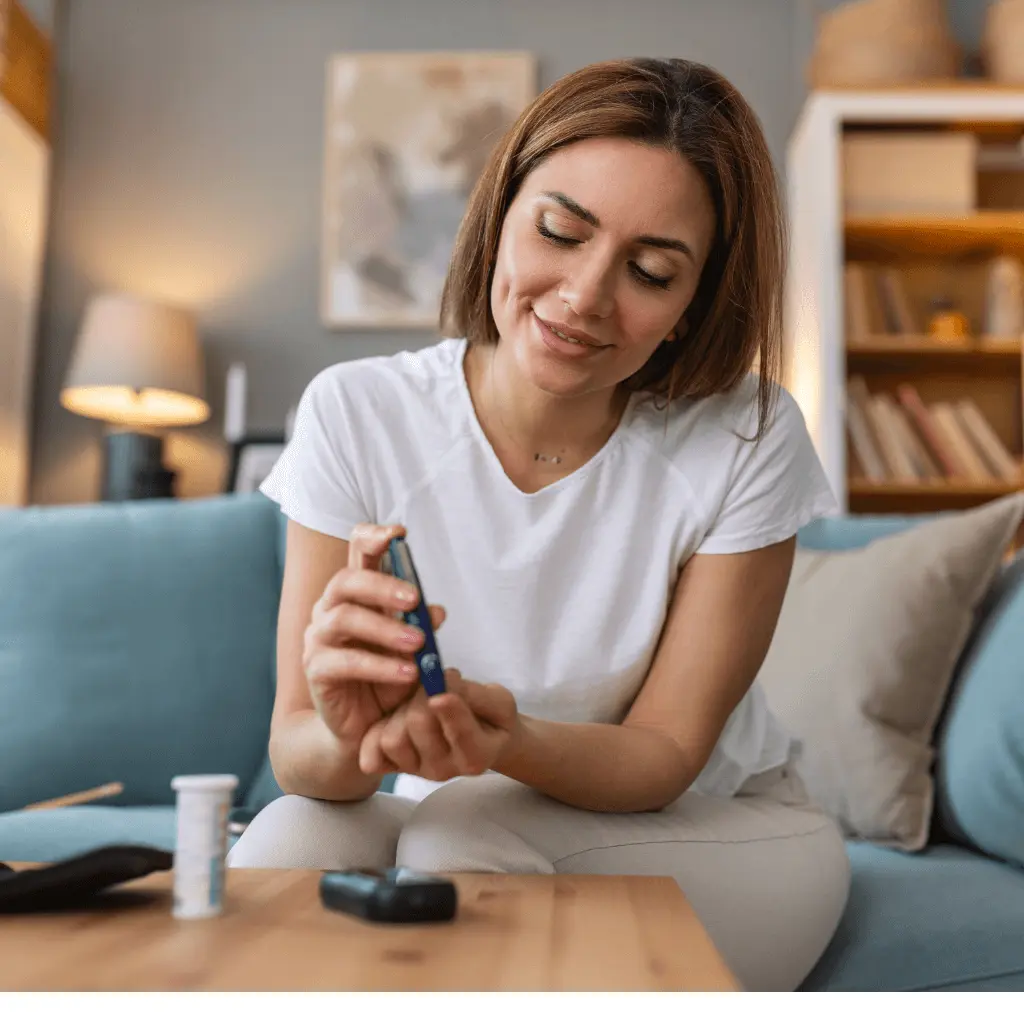
The B12 deficiency detection kit comes with a finger-prick blood test. The test will come with detailed instructions; it is important to follow these exactly so that there aren’t any problems with your sample, and results can be relied upon. This B12 test at home is designed to be easy to follow, so you should be able to do it yourself, but you may ask a friend or family member to help you.
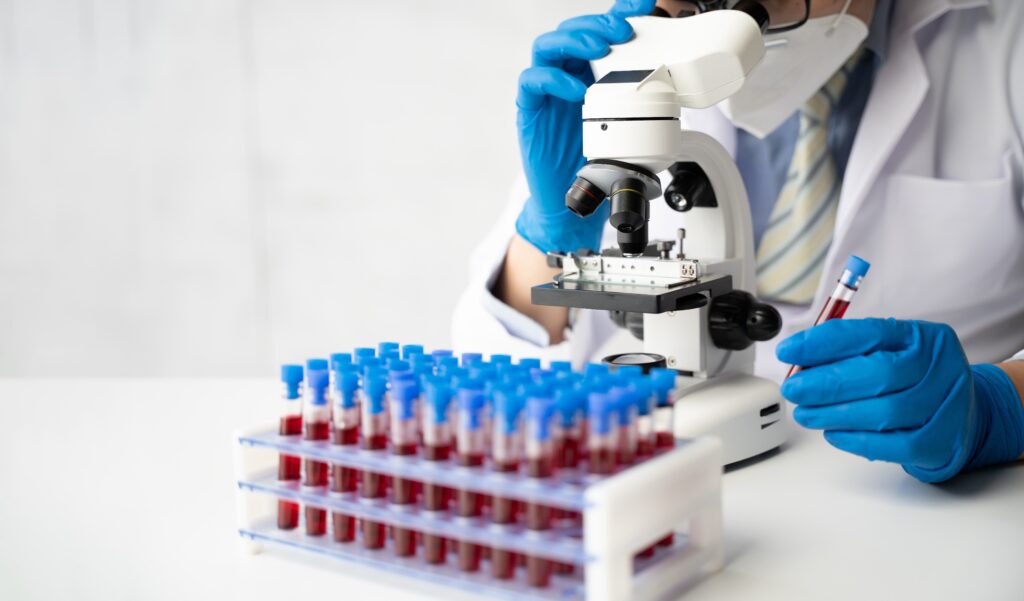
Follow the instructions in the kit to return the blood sample. There will be a return sticker with an address/stamp already on it. Your sample will be sent to a UKAS-accredited laboratory, where your blood will be tested for the B12 deficiency.
Your results will be available for you to read online in a few days. You can view them easily on our website. You’ll receive a detailed report that is easy to read, and you’ll learn whether your B12 levels are low, borderline, normal, or high. If your levels are low, we will provide advice on the next steps you should take.
It’s that easy. Simply order the test, take a finger-prick sample, return to the lab, and then view your results online. You can do this test as many times as you think you need to. For example, if you have only recently switched to a strict diet, it makes sense to perform a B12 at home test every few months to check your levels and ensure your diet isn’t causing a deficiency.
Usually, no. Simply take the B12 test at home when it makes the most sense for you, whether that’s in the morning or evening. You won’t need to fast beforehand. However, be aware that taking any B12 supplements beforehand may impact the results.
Your results should be easy to understand. The test itself looks for the amount of B12 in the blood.
Low: Less than 180 to 200 ng/L
Borderline: 180 to 350 ng/L
Normal: 350 ng/L and above
It is also possible to have too-high levels of vitamin B12, although this is quite rare. Usually, this is because of taking supplements.
Yes, it is fortunately very easy to treat a B12 deficiency. Most treatments are quite simple and involve daily tablets or regular injections. However, most people will need to continue taking these treatments for life. Plus, there may be an underlying cause of deficiency that needs to be addressed.
Remember: it is only easily treatable once you know what is actually going on. Don’t ever assume you have a B12 deficiency, as symptoms overlap with other conditions.
So, why should you do an at home vitamin B12 blood test? Why not go to your GP to get it done? There are several benefits that make doing the test at home simply make sense for a lot of people.
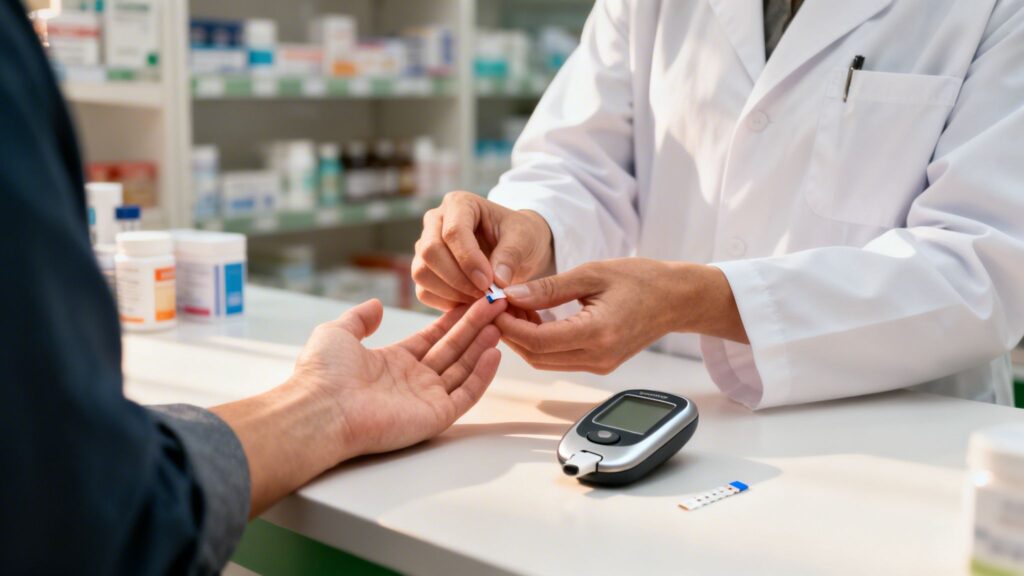
It saves time: Doing a home test for vitamin B12 deficiency saves time. When doing it at home, it will likely only take about 5 to 10 minutes, and then you just need to pop to your local postbox. This is a lot more convenient than booking a GP appointment, travelling to the doctor’s office, and then attending the appointment. For busy people, this is a major advantage.
Privacy: Some people simply prefer to take a blood test in the comfort of their own homes, and an at home B12 deficiency test allows just that.
Potential for early detection: Most people would not book an appointment with their GP if they only showed a couple of mild symptoms, especially considering that it can be difficult to get an appointment in the first place. An at home B12 deficiency kit means you don’t have to overthink it’ you can simply get the test done even if you don’t show any symptoms at all. In some cases, this leads to early detection, potentially preventing the B12 deficiency from causing permanent health consequences such as neurological damage.
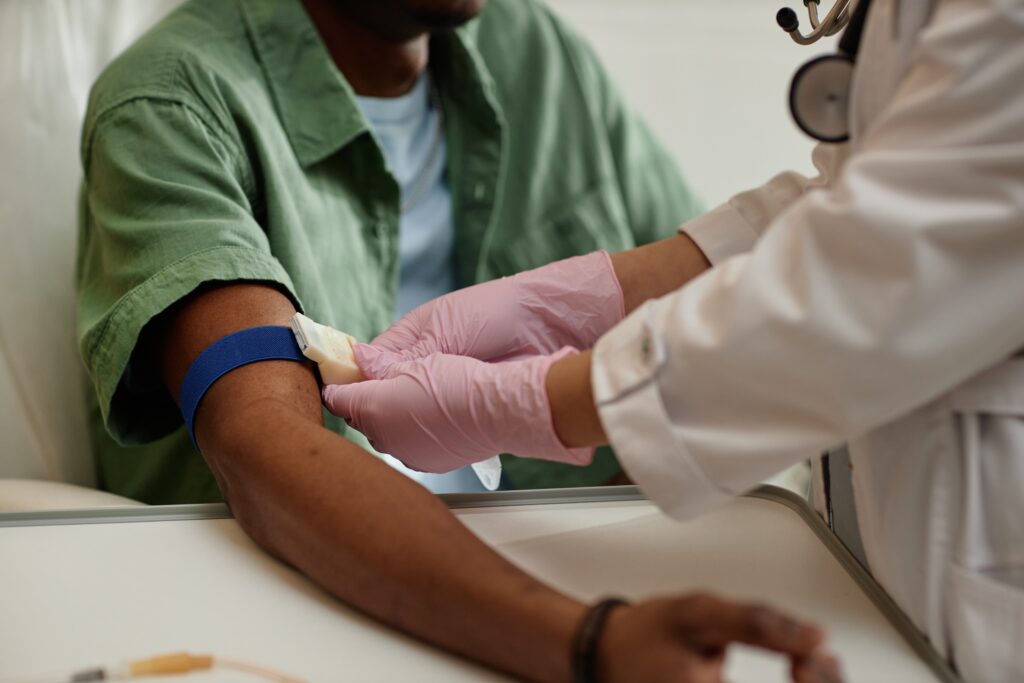
No need for travel: It is not always easy or even possible for individuals to leave their homes for blood tests. An at home B12 deficiency kit is a saviour in these situations. For example, a person with mobility issues may be able to access this type of test more easily because they can do it at home.
B12 deficiencies are quite common, especially in older adults. One of the main reasons for this is that, as people age, their ability to absorb B12 from food decreases due to lower levels of stomach acid. This usually occurs once a person reaches the age of 60.
Finding out whether or not you have a B12 deficiency is important. Beyond knowing how to test for B12 deficiency, though, you should also understand what might have actually caused said deficiency.
If you are unsure why you have a B12 deficiency, it is a good idea to speak with your doctor. They can perform additional tests to see if something is causing the issue. That way, you can receive adequate treatment.
So, you have completed a home test for vitamin B12 deficiency, and the results show that you are low in B12. What is the next step? You don’t want to do nothing, as the longer you have a B12 deficiency, the more likely it is to cause serious health problems.
The first step is to understand what has caused your B12 deficiency. The best way to do this is to book a GP appointment. There, you can discuss the B12 at home test results with your doctor and get to the root cause, whether that’s due to a particular medication you are taking or a diet you are following.
The treatment for a B12 deficiency usually depends on the cause. Usually, treatment begins with hydroxocobalamin injections, which help return B12 levels to normal.
If the deficiency was caused by diet, treatment may then involve taking high-dose B12 tablets every day or getting B12 injections every few months.
If the B12 deficiency was caused by something not related to diet (such as Pernicious Anaemia), then individuals will likely get B12 injections every couple of months for the rest of their lives.
If the cause of your vitamin B12 deficiency was due to a diet low in B12, then one of the ways you can manage your B12 levels is by simply eating more foods high in B12.
Foods high in B12 include:
You can also find foods fortified with B12, such as cereals and certain milks. Adding these to your diet can be a simple way of keeping levels stable.
Assuming you discover a B12 deficiency, there are some noticeable changes that will occur after you increase your B12 levels, whether that’s from taking B12 supplements or getting B12 injections. A lot of these improvements will happen within as little as a few days or weeks, but be aware that it can take around 6 months for symptoms to fully improve.
You should also be aware that there are some potential side effects of high-dose B12 injections. You may experience pain at the injection site, stomach issues, headaches, rashes, and dizziness. Speak to your doctor if any of these affect you, and keep in mind that taking B12 supplements (or injections) is still very important if you have a deficiency.
So, what happens if you take an at home B12 test because you show deficiency symptoms, but the results show your levels are normal?
There is a chance that the results show that your B12 levels are normal, but your body still does not absorb the nutrient properly. If you think this might be the case, it’s a good idea to book an appointment with your doctor for follow-up tests. It may also be the case that the results show borderline results, but for your body, those levels are simply too low.
There is also a high chance that the symptoms are caused by another ailment altogether. Some conditions with symptoms similar to B12 deficiencies include:
Of course, you will need to book an appointment to get to the real cause, as a doctor will ask the right questions and perform the appropriate tests.
How regularly you take an at home B12 deficiency test depends on a couple of factors, such as whether you are a part of a high-risk group or if you follow a strict diet.
If you are in a high-risk group or follow a strict diet where you might not get enough B12, it’s probably a good idea to perform an at-home test every couple of months or even just a few times a year. This will ensure you stay in touch with your health. It is all about monitoring the levels so that, if they do drop below normal, you can seek treatment sooner rather than later.
For most people who aren’t in high-risk groups, though, it only makes sense to take a test if you are actively showing symptoms of a B12 deficiency.
Performing a home test for vitamin B12 deficiency is a simple way of monitoring your B12 levels. They are particularly important for those in high-risk groups, as well as anyone who shows signs and symptoms of a vitamin B12 deficiency.
At Repose Healthcare, we make it our mission to simplify the testing process. With our B12 deficiency test kits, you do not have to travel anywhere or book an appointment. Instead, you order the kit straight to your door, follow the straightforward instructions, and return to the lab for testing. Results are easy to understand and available online, and we provide helpful advice on your next steps. So, order an at home B12 deficiency test today to take control of your health.