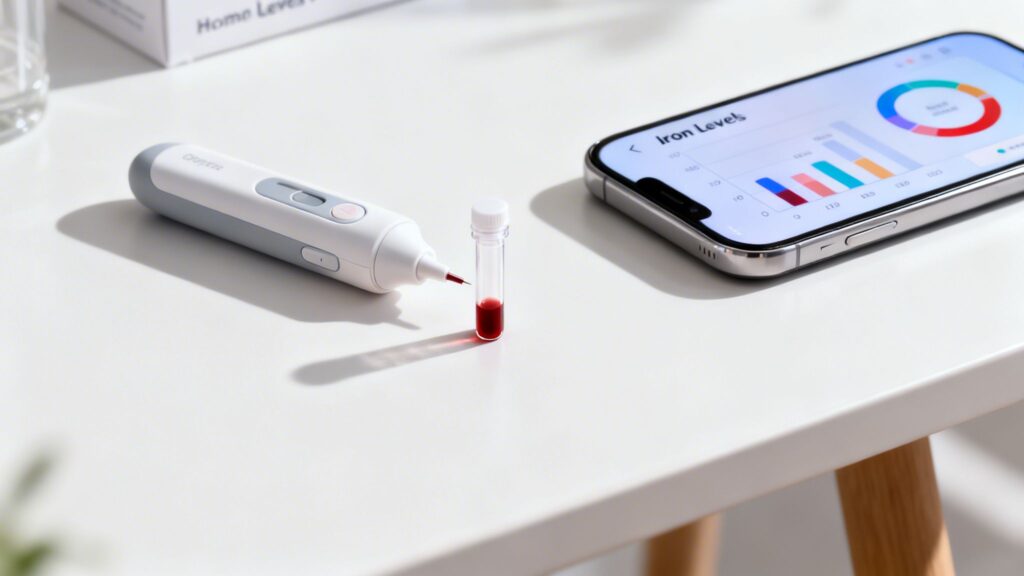
Your heart plays a crucial role in your body’s functions by pumping blood and delivering oxygen and nutrients to cells. It’s natural to feel particularly worried about your heart health, then, especially as there are several heart-related conditions that can severely affect your life. Naturally, you will want to check in with your heart health from time to time (particularly if you show symptoms), and the good news is you can do this comfortably with private home blood tests. There are two key ways to test for a healthy heart:
Simple checks: this involves tests you can perform on yourself with minimal or basic equipment, such as checking your waist size, taking your blood pressure, and measuring your heart rate. This will help elucidate your cardiovascular risk.
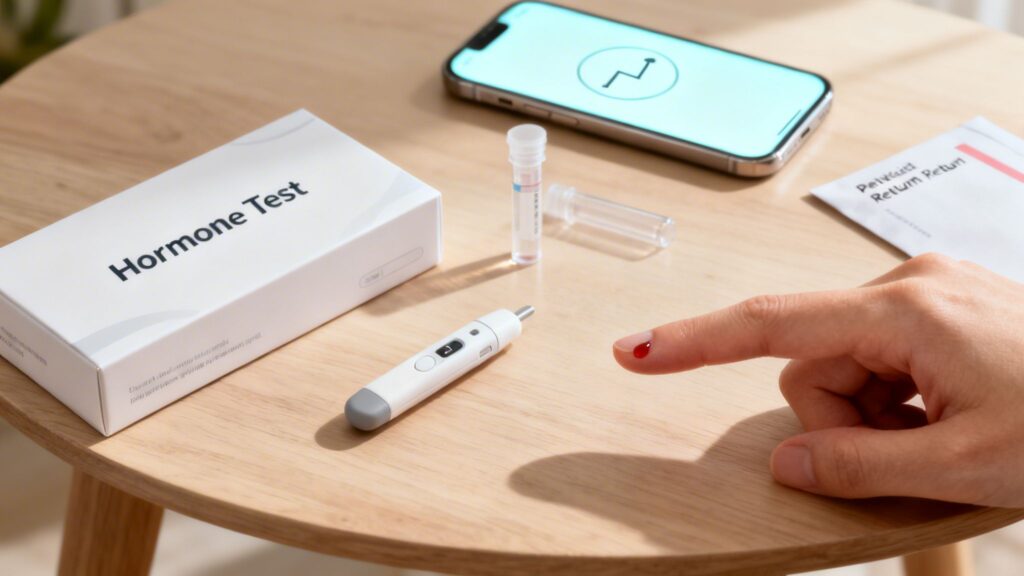
At-home blood tests: you can also perform at-home blood tests with a simple finger prick, which can test for markers such as cholesterol, Lipoprotein(a), inflammation (hs-CRP) and blood sugar.
It’s important to note that checking your heart health doesn’t involve a single test; instead, the process focuses on a range of factors, including cholesterol levels, blood sugar levels, inflammation, genetics, and any lifestyle risk factors (such as diet or smoking). A part of that process can be done easily with the accredited blood test kits from Repose Healthcare, where you can access tests that complement NHS care and GP advice for heart disease prevention.
Want to learn more about how to check your heart health at home and learn about heart disease prevention? This guide is for you.

The reason knowing how to check your heart health at home is so important is that it decreases your cardiovascular disease risk, which is a major cause of illness and death in the UK and around the world. Early detection of the risk factors – including cholesterol, high blood pressure, high blood sugar, and inflammation – is essential for a healthier and longer life.
It’s particularly important to perform a heart health check if you fall under one of the typical risk factors of cardiovascular disease, such as:
These factors can increase your stroke risk or the risk of a heart attack. Having access to a heart health check from the comfort of your home is helpful, too, as it means you can get the test done in a safe and comfortable environment, and, if there are any signs of heart disease or other risks from your test results, you can then discuss the results with your GP and take the next best steps for your health. Keep in mind that at-home checks and tests are all about awareness and prevention – these are not designed to replace a doctor or emergency care.
There are plenty of easy ways to check your heart health at home without even getting a blood test.
You can test for a healthy heart manually without any equipment by tracking your resting heart rate and heart rate recovery.
To track your resting heart rate, you will need to begin by sitting quietly for a few minutes so that your body is fully rested. From there, find a strong pulse point (usually around your neck or your wrists) and then actively count the number of beats you can feel within a 60-second period. Alternatively, use a device such as a smartwatch or fitness tracker.
Ideal resting heart rate: 60 to 100 beats per minute.
Another simple test for a healthy heart involves tracking your heart rate recovery time. To measure this, perform a burst of intense physical activity for around five minutes to get your heart rate going (this could be running on the spot or perhaps doing some burpees – and is a good reminder that we can all work on our cardiovascular fitness at home). From there, measure your heart rate after one minute, then two minutes, and so on until your heart rate has returned to normal.
Ideal heart rate recovery: around 18 beats per minute.
Keep in mind that both of these tests are simply fitness indicators and are certainly not diagnostic tools. Instead, they can help paint an overall picture of your heart health.
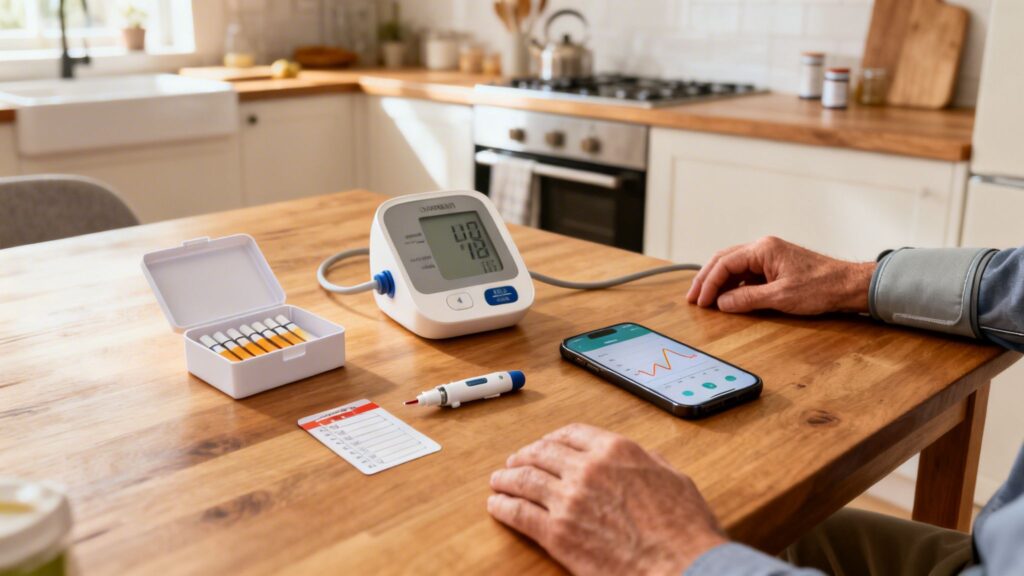
Blood pressure monitors are commonly used to screen for high blood pressure, as a high blood pressure reading can be a heart disease risk factor. While you can get this done at a GP office, it’s also simple to do it at home if you have access to one. Checking home blood pressure for heart health is particularly useful for anyone who is at risk of hypertension, or has already found out they have high blood pressure and is making lifestyle adjustments to change it.
To do it at home, start by resting for five minutes before sitting on a chair with your feet on the floor. Then apply the cuff tightly around your upper arm and start the monitor, taking the reading after a couple of minutes.
Another way to test for a healthy heart is to measure your waist-to-height ratio, your weight, and your BMI – all while taking your lifestyle into account.
Waist size: take a measuring tape and wrap it around your waist, which sits just below your ribs. Take a reading after breathing out and without pulling the tape too tightly. Once you have this waist size, you can check it against your height to see if you are at risk for heart disease. Simply divide your waist circumference by height and see whether the difference is below 0.5 – if so, you are at a lower risk for heart disease and other cardiovascular problems.
Weight and BMI: you will need to stand on scales on a hard surface to measure your weight, and you can either take the measurement in stone and lbs, kgs, or just lbs. It’s best to do this with minimal clothing, as heavier clothing will, of course, add weight onto the reading. Once you have your weight, you can check your BMI (as long as you know your height – if not, use a measuring tape to get that). A BMI of 25 or over indicates that a person is overweight, therefore at an increased risk of heart conditions.
Lifestyle factors: finally, take lifestyle factors into account. Some lifestyle factors that influence your risk include smoking, alcohol intake, diet quality, how much you move, and stress levels. If you live a lifestyle that increases your risk of cardiovascular diseases, it is likely worth testing other risk factors more regularly.
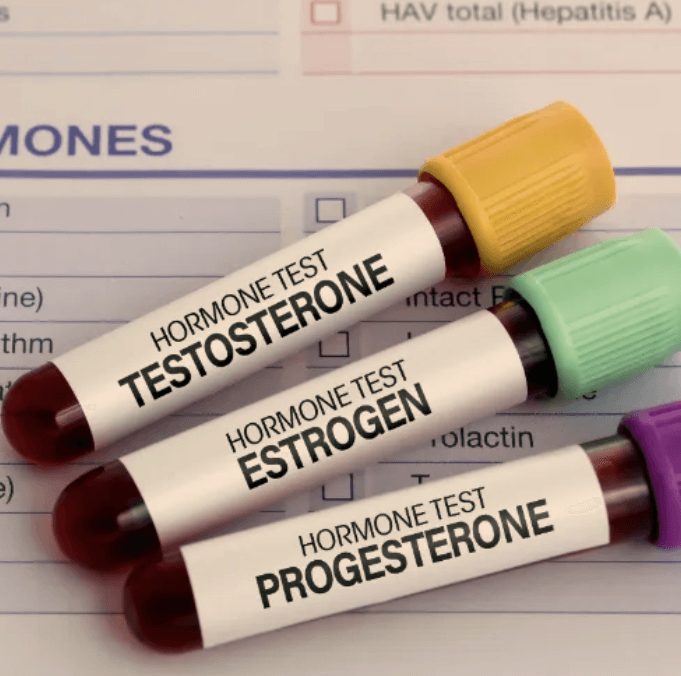
The basic tests provide a good starting point for checking your heart health, but it’s better to move from basic checks to lab-based at-home blood tests for better tracking. These at-home tests for a healthy heart are similar to those offered by leading healthcare providers and look into things like cholesterol/lipids, ApoB, hs-CRP, Lp(a), HbA1c, and omega-3/6. These markers help build a more complete picture of your cardiovascular risk, particularly when combined with blood pressure and lifestyle data, and Repose Healthcare offers single tests for many of these markers.
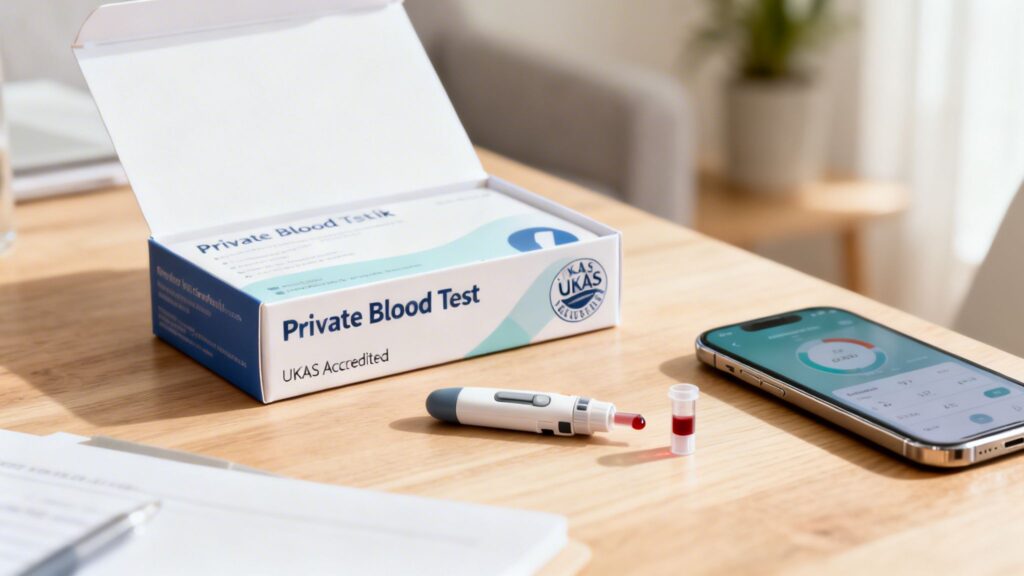
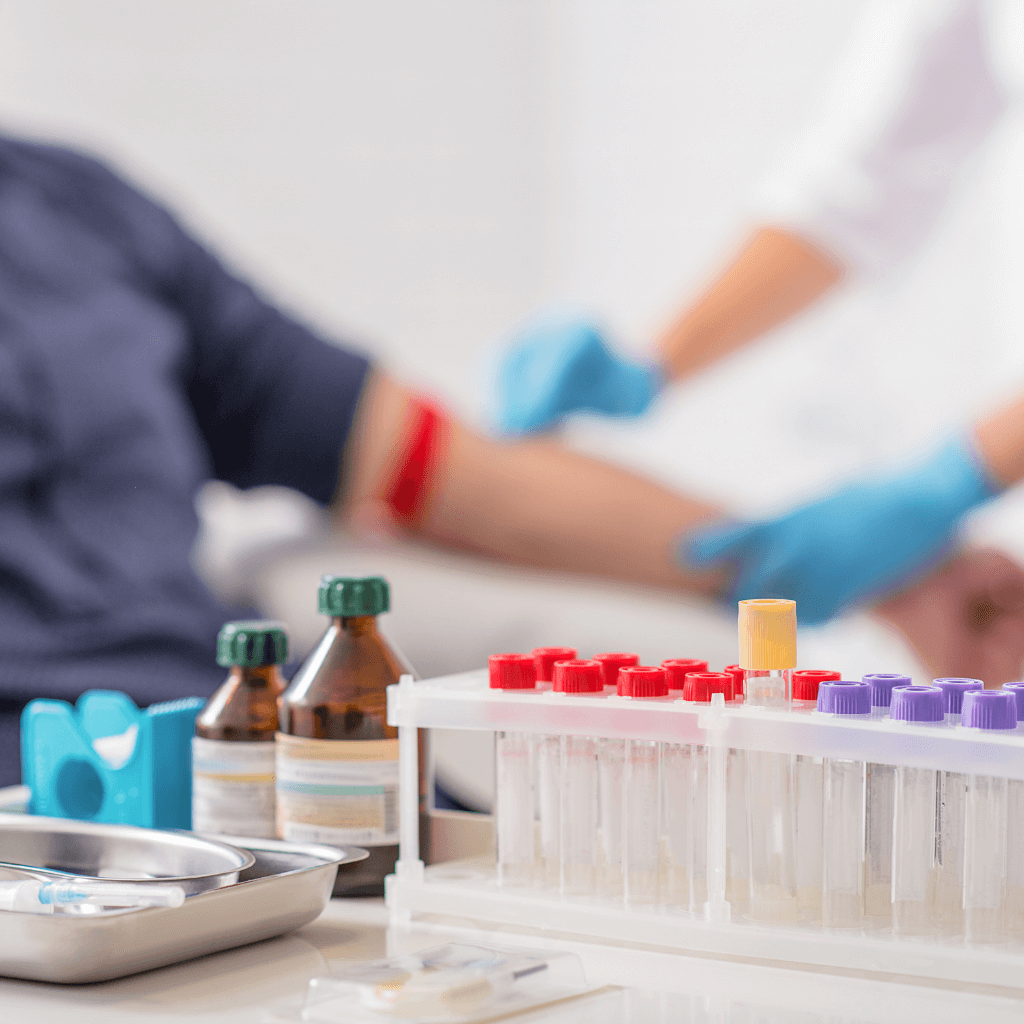
These heart health blood tests done at home are then processed in UK-accredited labs with clinically validated methods. After sending back these heart health blood tests at home, you will then receive results that you can take to your healthcare provider.
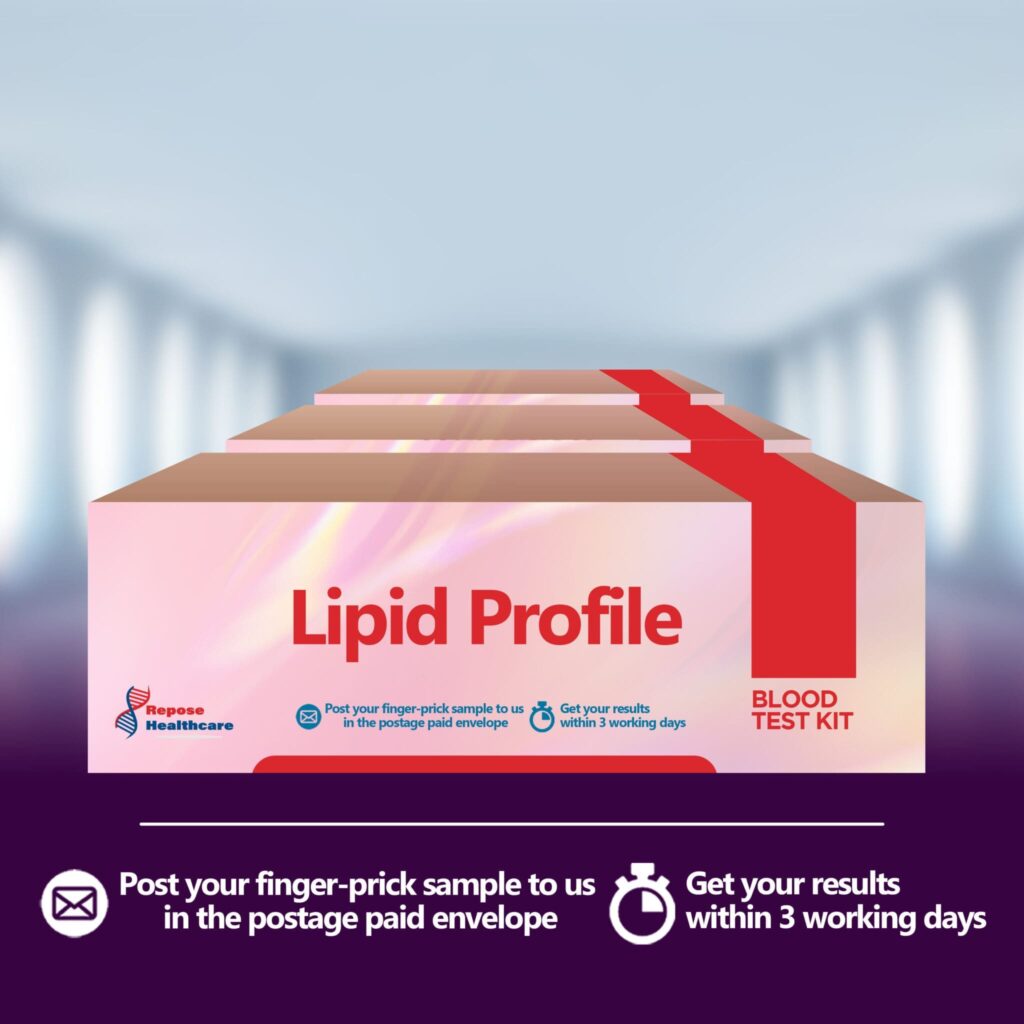
One of the key tests is the cholesterol test at home to show your lipid profile and heart health.
Your lipid panel tests your total cholesterol, including LDL (bad cholesterol), HDL (good cholesterol), and triglycerides. High levels of LDL and non-HDL cholesterol are strongly linked to cardiovascular problems such as atherosclerosis, heart attacks and strokes.
At Repose, you have access to a Lipid Profile test you can do in the comfort of your own home. All of this information helps show how your body manages fats and your risk of cardiovascular problems in the future. If you receive results that indicate high cholesterol, atherosclerosis and a higher risk, it’s a good idea to discuss them with your GP, as the next best step may involve lifestyle changes or medication.
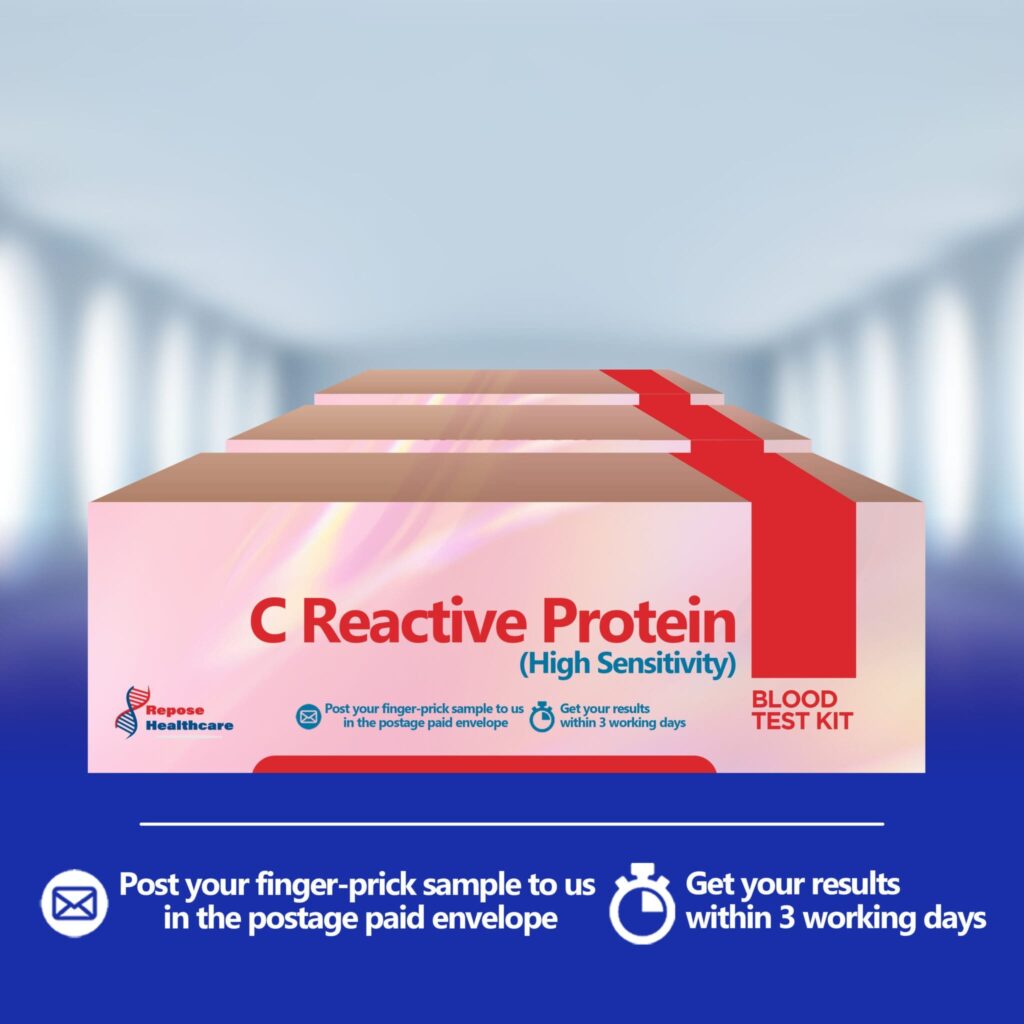
An hs-CRP heart health test is another useful inflammation test for heart disease. This is because chronic low-grade inflammation is now recognised as a key contributor to heart disease, and the high-sensitivity C-reactive protein (hs-CRP) is the key blood marker labs use to assess this. This test is slightly different to the standard CRP test, which, instead of testing for low-grade and long-term inflammation like hs-CRP, instead tests for an acute infection or inflammation.
At Repose, we offer a dedicated High-Sensitivity CRP Test that is specifically designed to test for cardiovascular risk markers. With this at-home C-reactive Protein testing kit, you can check for low-grade inflammation linked with heart disease.
Lipoprotein(a) is a particle that carries cholesterol and can increase cardiovascular risk independently of “ordinary” cholesterol. This is largely genetic – in other words, an inherited cholesterol risk – and does not change much with lifestyle, which means it’s typically checked in people with a strong family history of heart disease or stroke, as well as individuals who have high cardiovascular risk despite healthy levels of cholesterol.
If you have a family history of cardiovascular problems, this lipoprotein a heart test can help. Even if you are not sure, a Lipoprotein home testing kit can help uncover inherited cholesterol-related risk that standard cholesterol tests might miss.
Your body needs certain minerals and nutrients to operate properly, and Omega-3 and Omega-6 are particularly important. These are fatty acids that affect both inflammation and cardiovascular risk, so it’s important to know your levels in case you need to increase your intake.
The Omega 3 6 ratio test offered by Repose checks your fatty acid profile, which helps support your heart health. After interpreting the results, you may make dietary changes that address any imbalances, and that might be an anti-inflammatory diet.
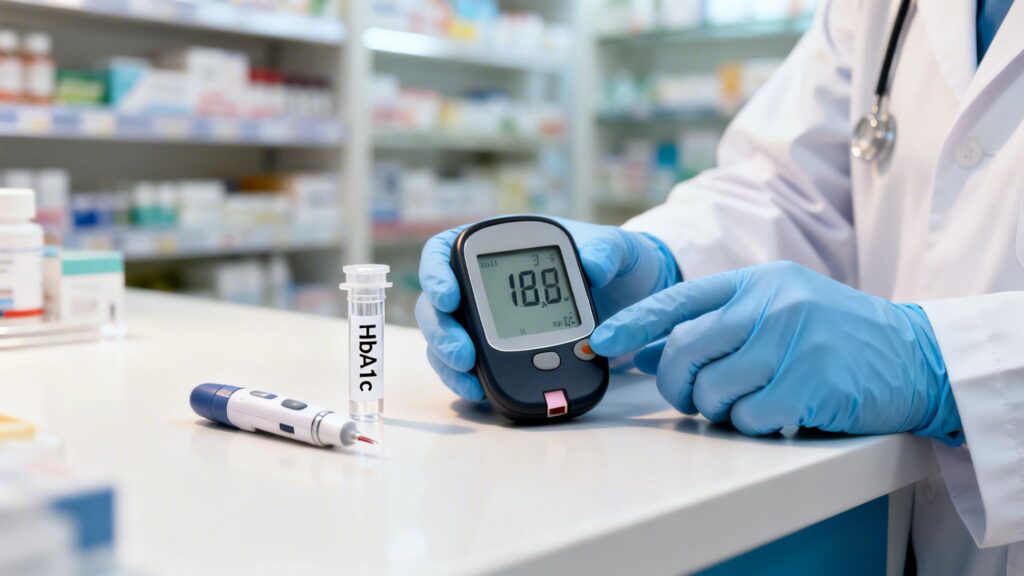
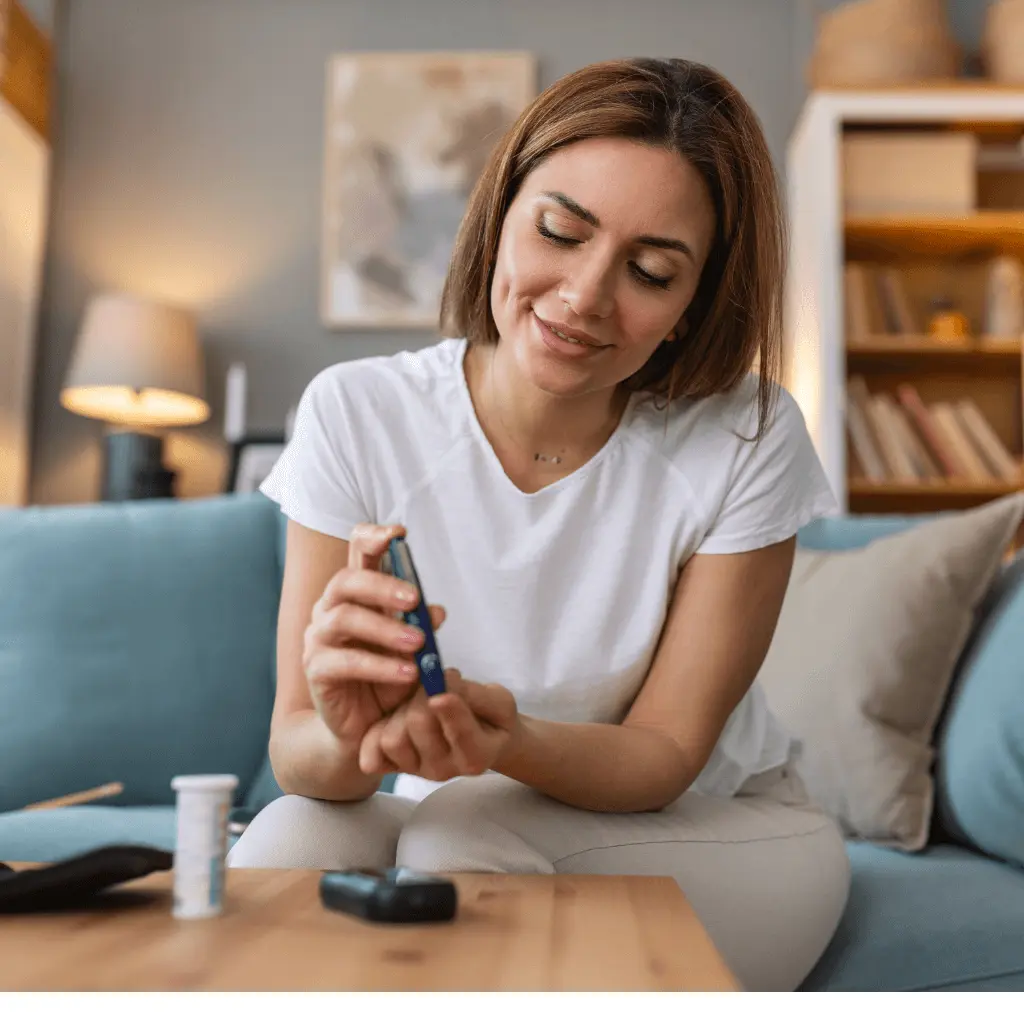
Both pre-diabetes and type 2 diabetes dramatically increase your risk of heart disease and strokes, which is why monitoring your blood sugar and HbA1c is so important. The at home HbA1c heart health test shows your average blood sugar levels over the course of two to three months, and is routinely used in diabetes screening and monitoring. At Repose, we offer a single at-home test processed by accredited UK labs, which can give you insight into your blood sugar control and whether you might have prediabetes or type 2 diabetes and therefore be at higher cardiometabolic risk.
While the following tests are not specifically heart tests on their own, these blood tests for overall cardiovascular health can help build a bigger, more complete picture.
Full Blood Count: a blood test that gives crucial information on your red blood cells, white blood cells, and platelets. It’s used for screening anaemia.
Liver function & kidney function: a blood test that checks on your liver and kidney health, which is important if you are on certain medications or have high blood pressure or diabetes.
Key vitamins: checking certain vitamins can help paint an overall picture of your cardiovascular health, including B12, folate, and vitamin D.
You can find single general health blood tests for your heart here at Repose. It’s best to choose ones based on GP advice and your symptoms.
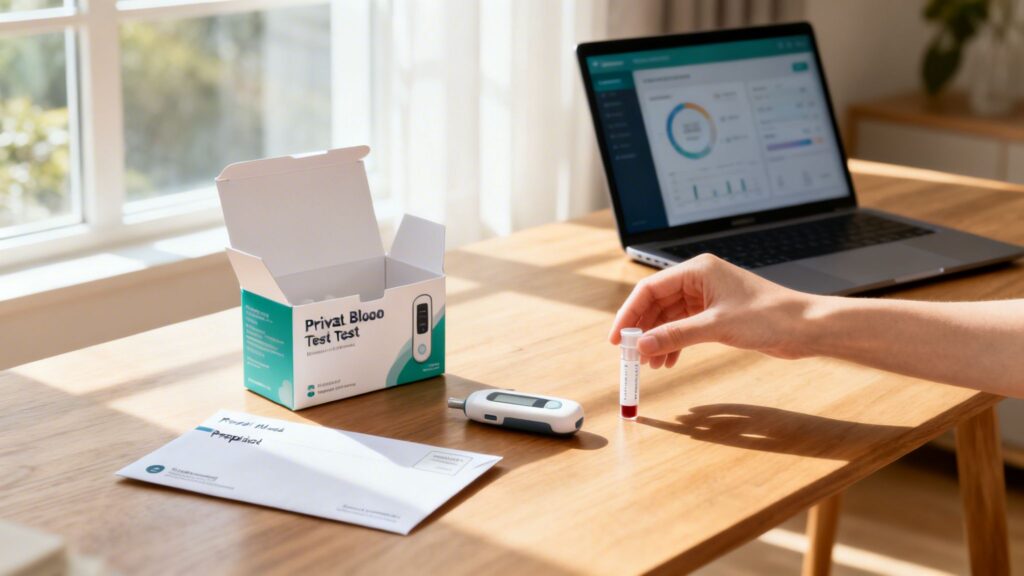
Repose offers easy-to-use at-home heart tests in the UK, offering a simple solution to understanding your cardiovascular risk. It means you do not have to make multiple appointments with your GP, which can often be difficult, especially if you live a busy lifestyle. If you want to take your heart health more seriously, at-home kits make a lot of sense. Here’s how it works.
Start by ordering the home heart health blood test from Repose. There is no GP referral needed for this.
Once you have ordered the kit, you will receive fast, tracked delivery. You can get this sent anywhere in the UK, and the test is usually sent within one to two working days.
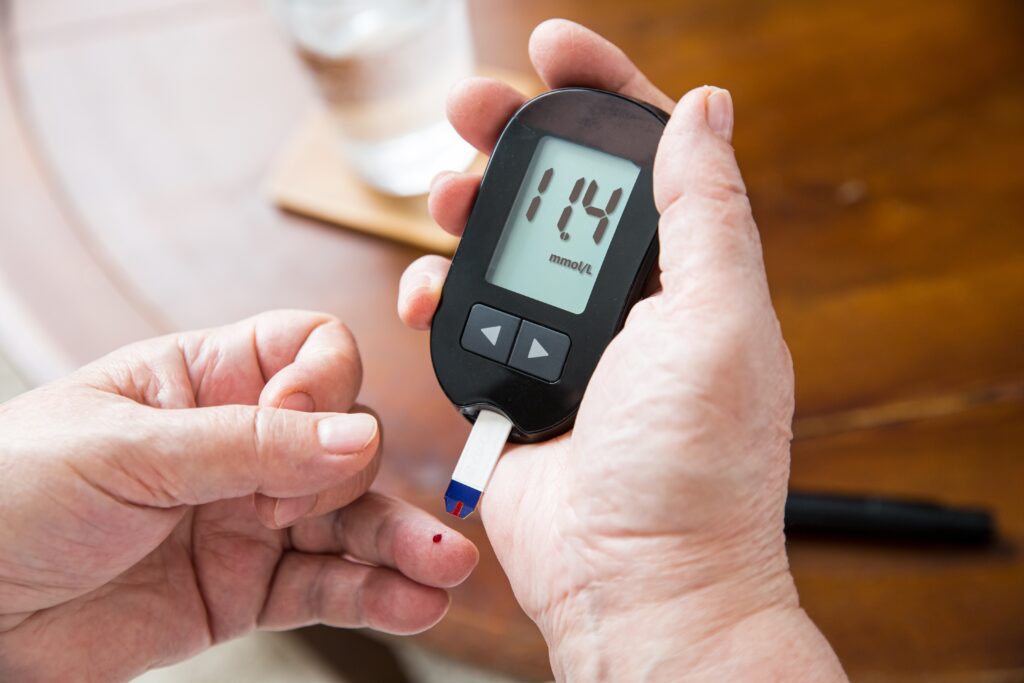
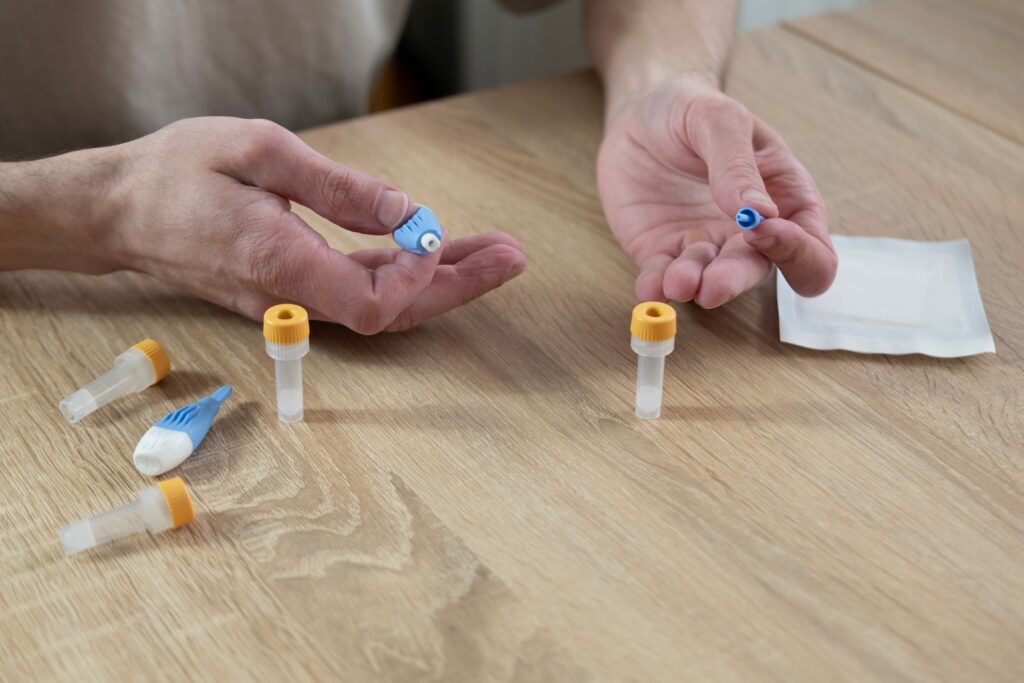
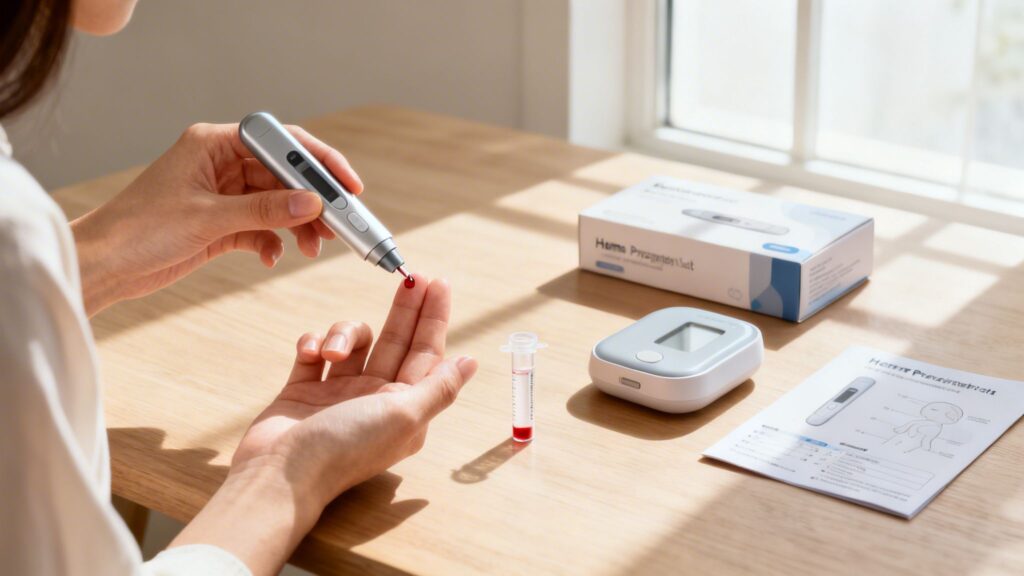
Taking your own blood might sound scary, but the test is actually very easy to perform on yourself. If taking a blood test, you will use finger-pricked blood. There are also urine and stool tests available. Every kit comes with clear instructions – follow them to a tee, and you won’t get it wrong.
After collecting the sample, follow the instructions on how to seal it back up and then return it to one of the UK-accredited labs. Every kit comes with prepaid postage, so you just have to send it via a post-box or to your local post office.
After just a couple of days (usually between one and three working days), you will receive confidential results. These will be available online. If any of the results indicate you’re out of “normal range”, there will be guidance on when to contact your GP. You can then use these results when next speaking to your GP.
Repose always uses clinically validated methods and works alongside fully accredited UK labs. These are not cheap or poorly regulated DIY tests – they are accurate and similar to the tests used by healthcare providers all throughout the UK. You can trust the results, which can, in turn, help you make better decisions for your heart health going forward