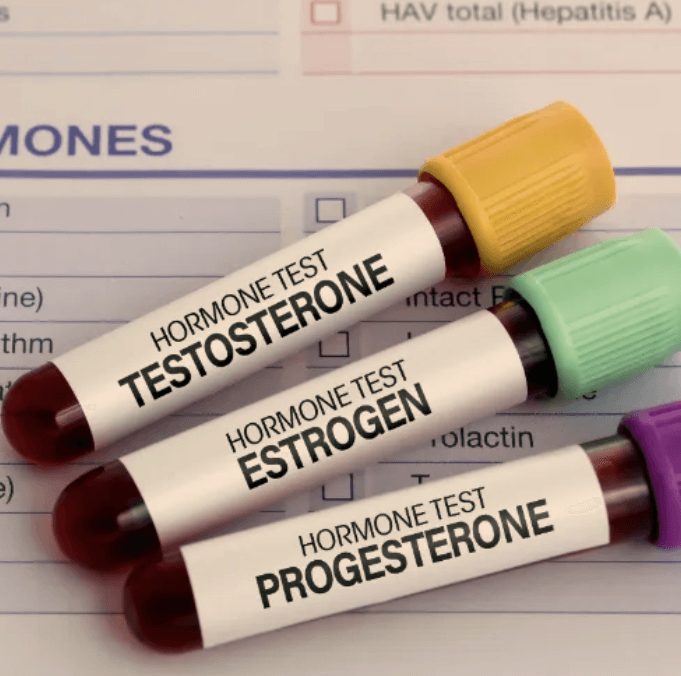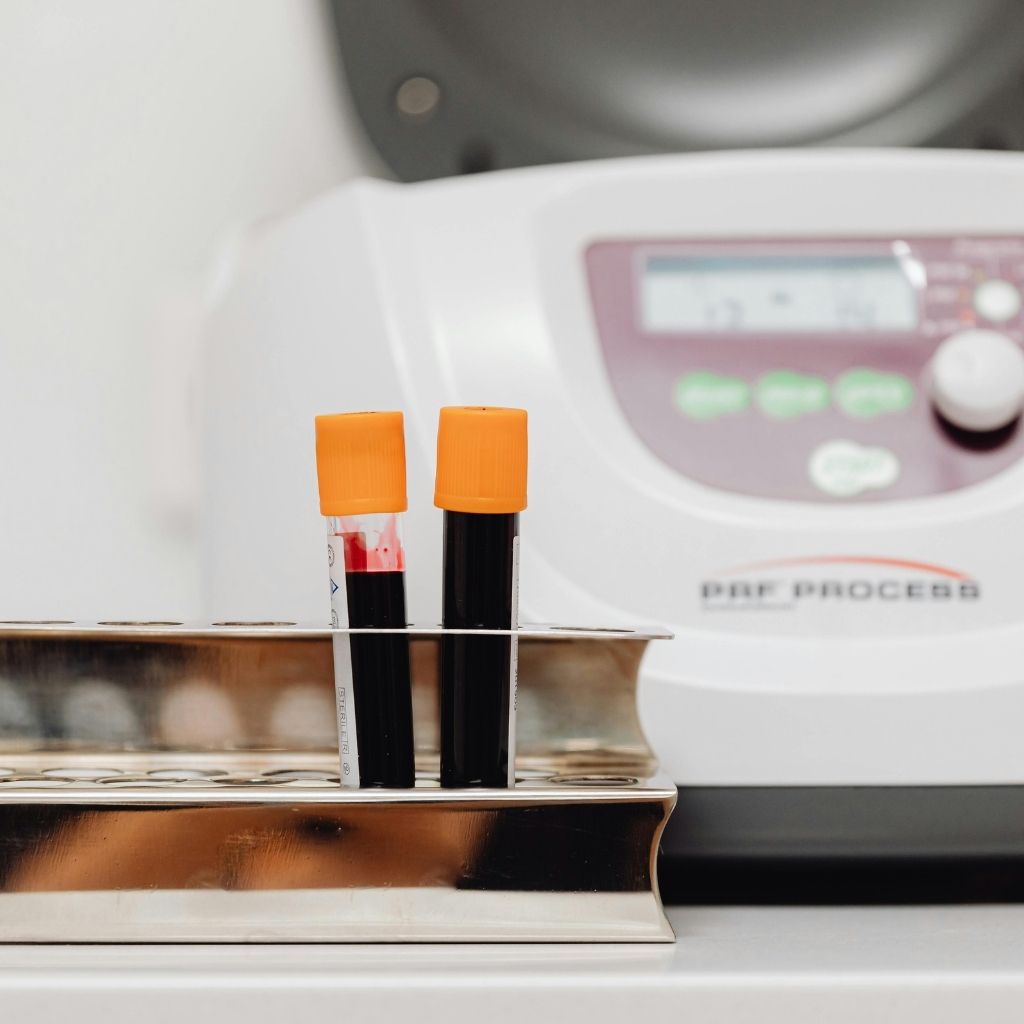
There are several ways to view your health more clearly, and one way is by undergoing a blood test. Your blood can tell you a lot about you, after all, from how well your red blood cells can carry oxygen around the body to how much good vs bad cholesterol you have. With an analysis of your blood, your doctor may be able to reach a diagnosis or provide advice on how to avoid conditions in the future.
It makes a lot of sense to get a blood test, then, but when? Most people don’t need to test their blood every few months, but that doesn’t mean you should avoid the needle altogether (even if you are on the scared side). So, find out exactly how often should you have blood tests based on your age, health, and other factors right here.
It is first important to understand that there are several types of blood tests, each of which measures different things within the blood. Some common ones include:
The type of blood test you get will depend on several factors, such as the symptoms you show and what type of risk factors you have. A routine blood test typically involves doing several blood tests at once. When looking at what shows up in routine blood tests, you’ll see that it looks at a wide range of measurements and blood cell counts to paint an overall picture of your health.
There are different recommendations for how often you should get a blood test depending on your age and health background.
As a Healthy Adult Under 40: Every 1 to 3 years.
As a Healthy Adult Over 40: Every 1 to 2 years.
As an Adult with a Chronic Condition: Every 3 to 6 months.
As an Adult with High-Risk Factors: Every 3 to 6 months, or minimally once per year.
Keep in mind that advice may differ slightly from person to person, depending on medical history and background. If you are ever unsure whether you are due a blood test, speaking to your doctor should clear it up! It’s better to be in front when it comes to your health.
Whether you do routine blood tests every 3 months, 6 months, or 2 years, there are particular instances where you need to do one sooner. That includes the following circumstances.
A significant change to your lifestyle means your health may also change. As such, it makes sense to keep an eye on what is going on inside your blood. For example, you might start exercising more regularly, eating different kinds of foods (perhaps if you switch to a vegan/vegetarian diet), or start drinking more alcohol or smoking cigarettes. Whatever lifestyle changes have occurred, taking a blood test will give you insight into your overall health. For example, if you have started drinking more alcohol over the past year, it would be sensible to undergo a liver panel test.
If you start taking a new medication, you may need to do a blood test more regularly to see how the medication is affecting your health. For example, if you start taking an anticoagulant, a thyroid medication, or an immunosuppressant.
It is important for anyone showing new symptoms to get a blood test. That’s especially true if you show symptoms related to conditions that blood tests can help diagnose, for example, unexplained weight loss, fatigue, or pain. Your doctor will likely conduct other tests to get to the root cause of the symptoms and reach a diagnosis.
If you’re simply going for a routine check-up, then you’ll get the most common blood tests. For example, the full blood count test, which looks at your red blood cells, white blood cells, and platelets, can detect conditions like infections, anaemia, inflammation, blood disorders, and certain cancers.
However, if you’re showing certain symptoms or have certain risk factors, there may be specific blood tests you need to get. For example, if you have a family history of diabetes, getting a blood glucose test makes sense.
If you are unsure which blood tests you should be getting, speak to your GP.
You likely do not need to worry about undergoing too many blood tests, as doctors only order them if they are necessary.
However, there is such a thing as too many blood tests. Too many blood tests can cause problems, such as:
While there isn’t a single number to say how many blood tests are too many, it’s usually when blood tests are done without any necessity. Sticking to what a doctor recommends for routine blood tests (whether that’s every three months because of a chronic condition or yearly as a healthy adult) is key.
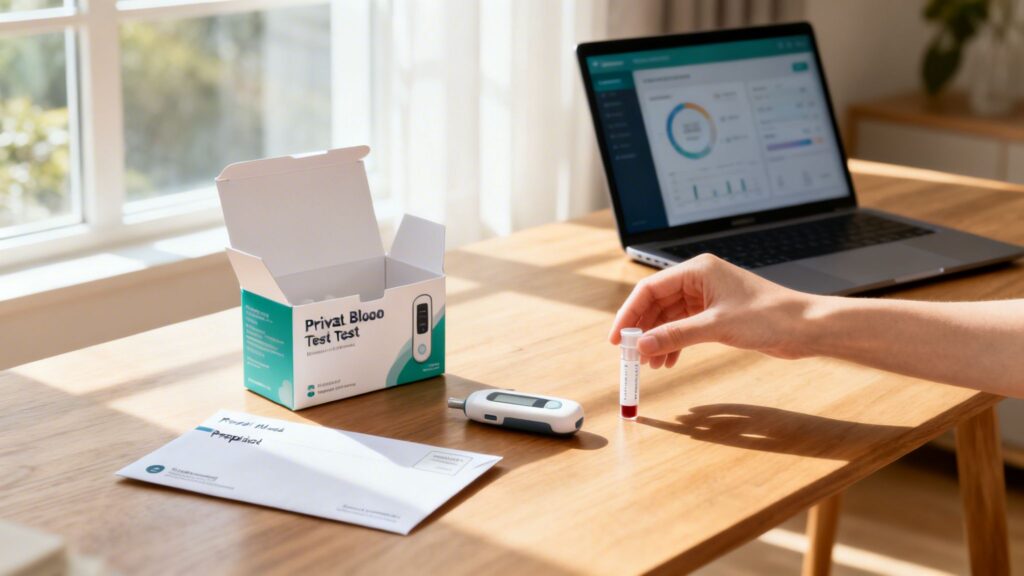
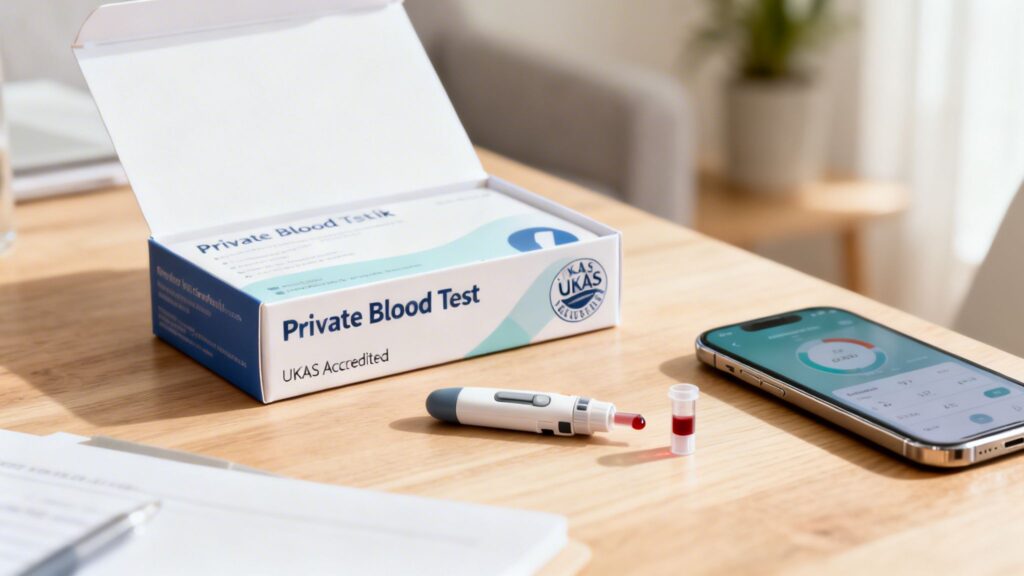
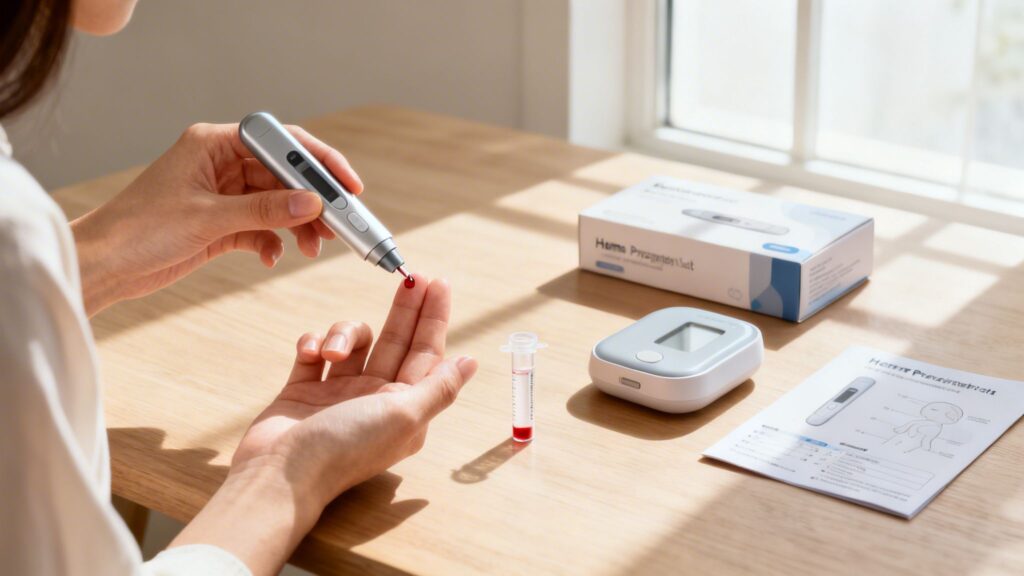
Yes, you can do a blood test from the comfort of your home without having to attend an appointment at your doctor’s office. In fact, many individuals prefer this method, as it saves a lot of time and gives you as much privacy as you prefer. The convenience means more people are able to take a proactive role in managing their health.
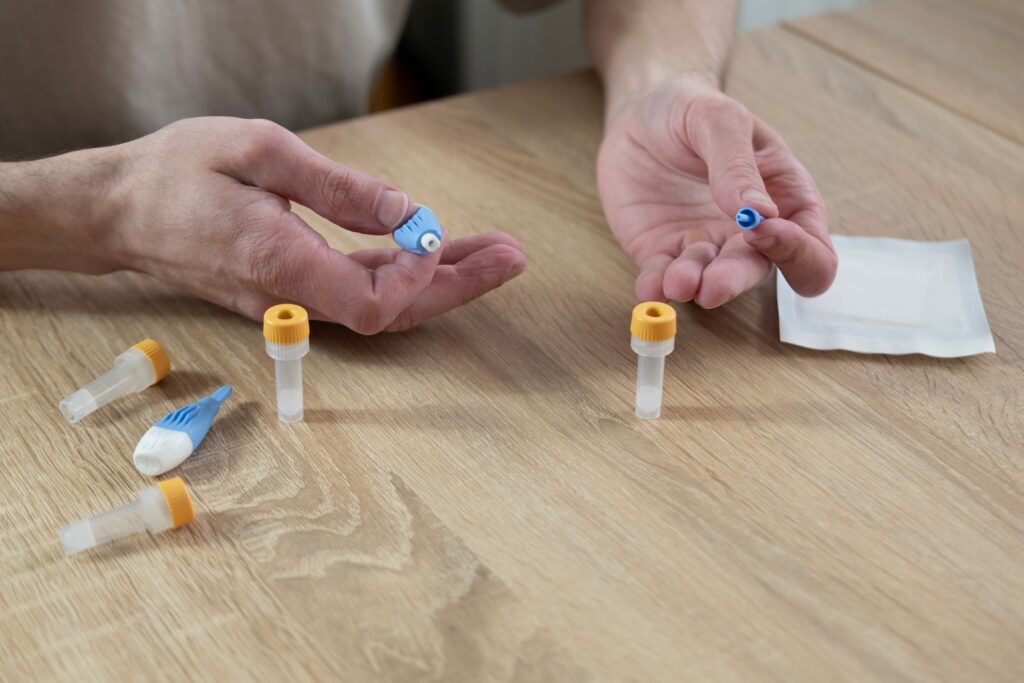
All you need to do is order the appropriate test, wait for the kit to arrive, follow the instructions to take a finger-prick blood sample, and return to the lab with a prepaid envelope. Then, after a few days, you’ll be able to view the results of the blood test online.
We always make results as clear as possible. We also have plenty of resources on blood tests and what they entail, including what’s tested in a full blood count test.
Knowing how often you should have blood tests means you stay on top of your health. Going for regular check-ups is key to assessing your health and catching problems early, which means better outcomes. To sum up, you should have:
If you have changed your lifestyle, are taking a new medication, or show worrying symptoms, you will need to do a blood test sooner.
Remember that you can access blood tests from home with our Repose Healthcare at-home blood test kits. Simply order the right one for you from our website and follow the instructions to gain insights into your health.