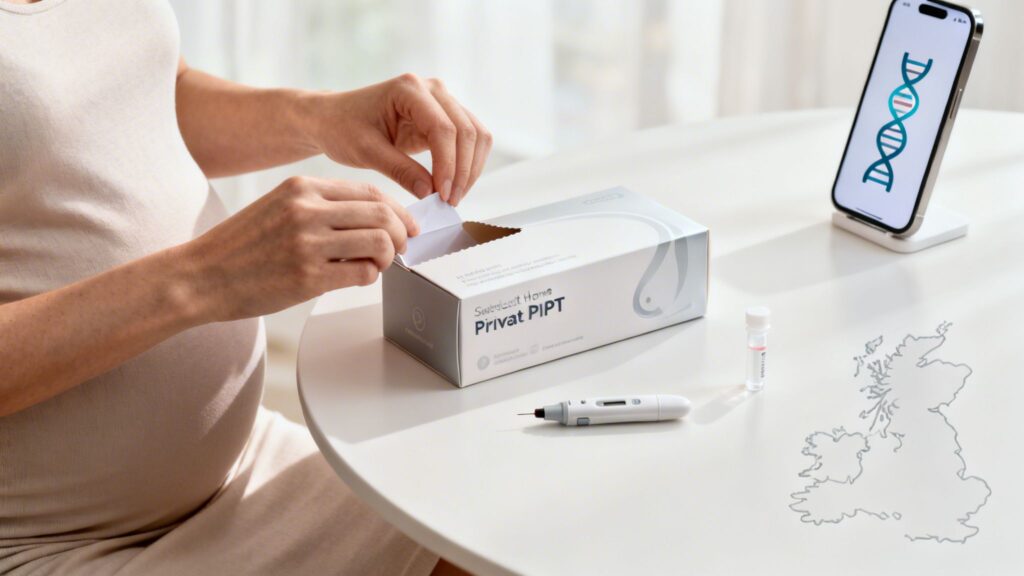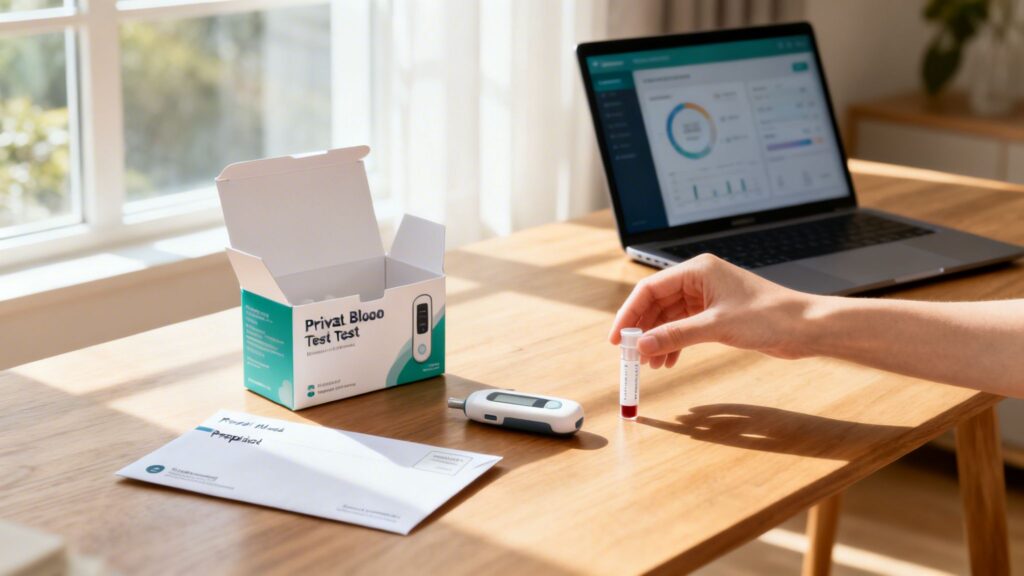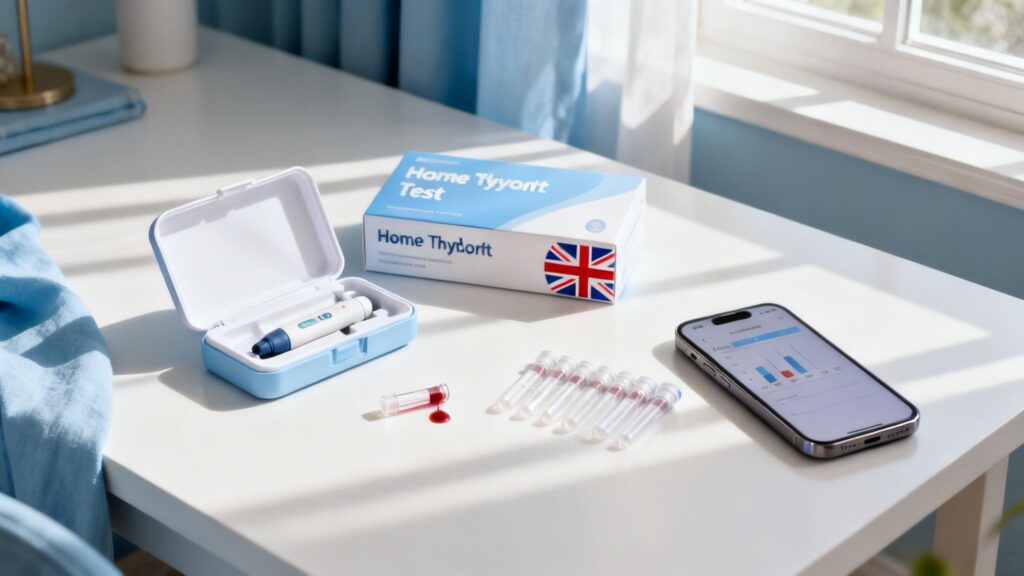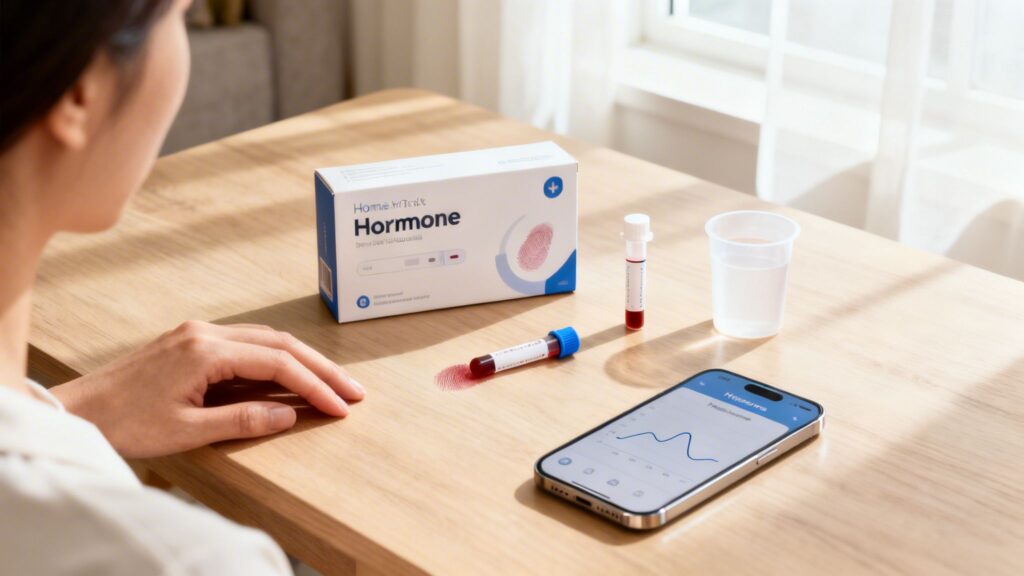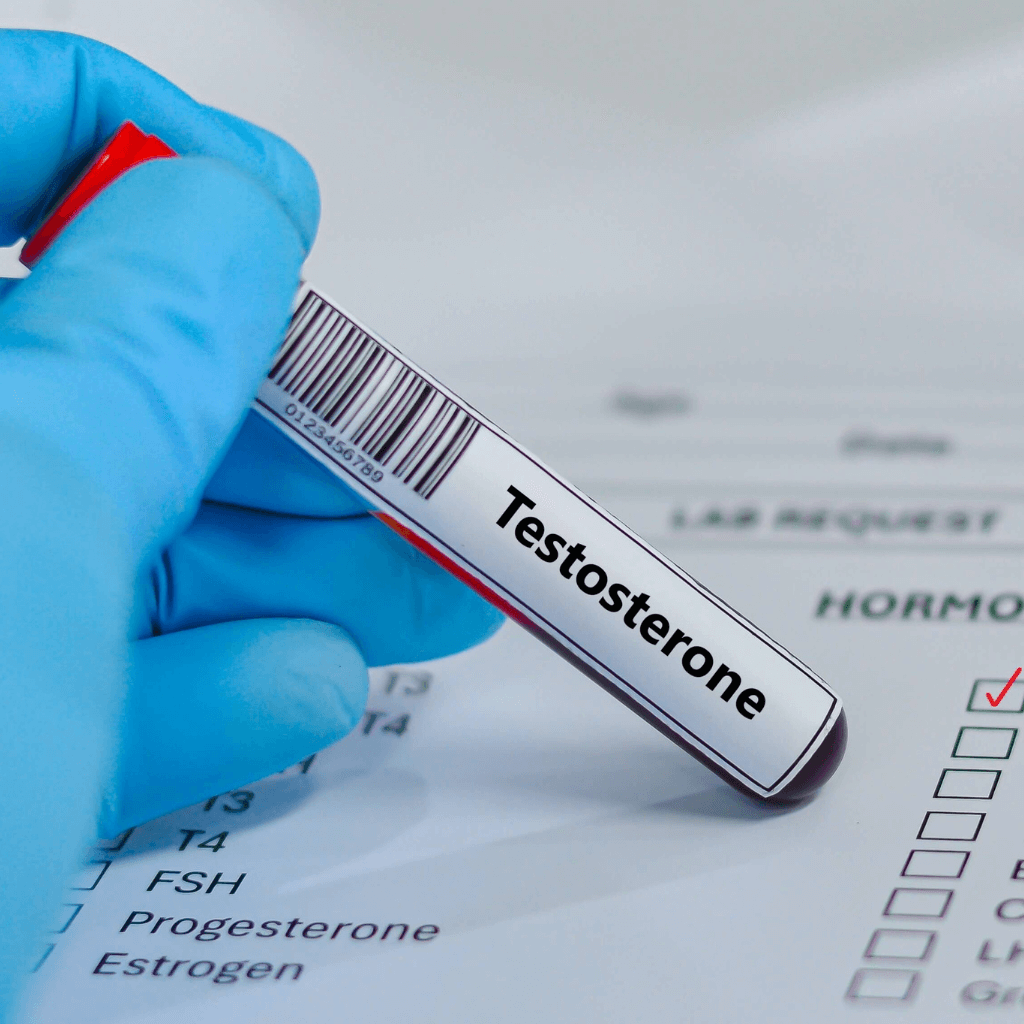
For years, the go-to home pregnancy test has been a straightforward urine stick, giving you a quick yes or no. But now, a home pregnancy test blood kit offers a modern way for those in the UK to get lab-verified certainty without a trip to the clinic, often much earlier than you might expect.
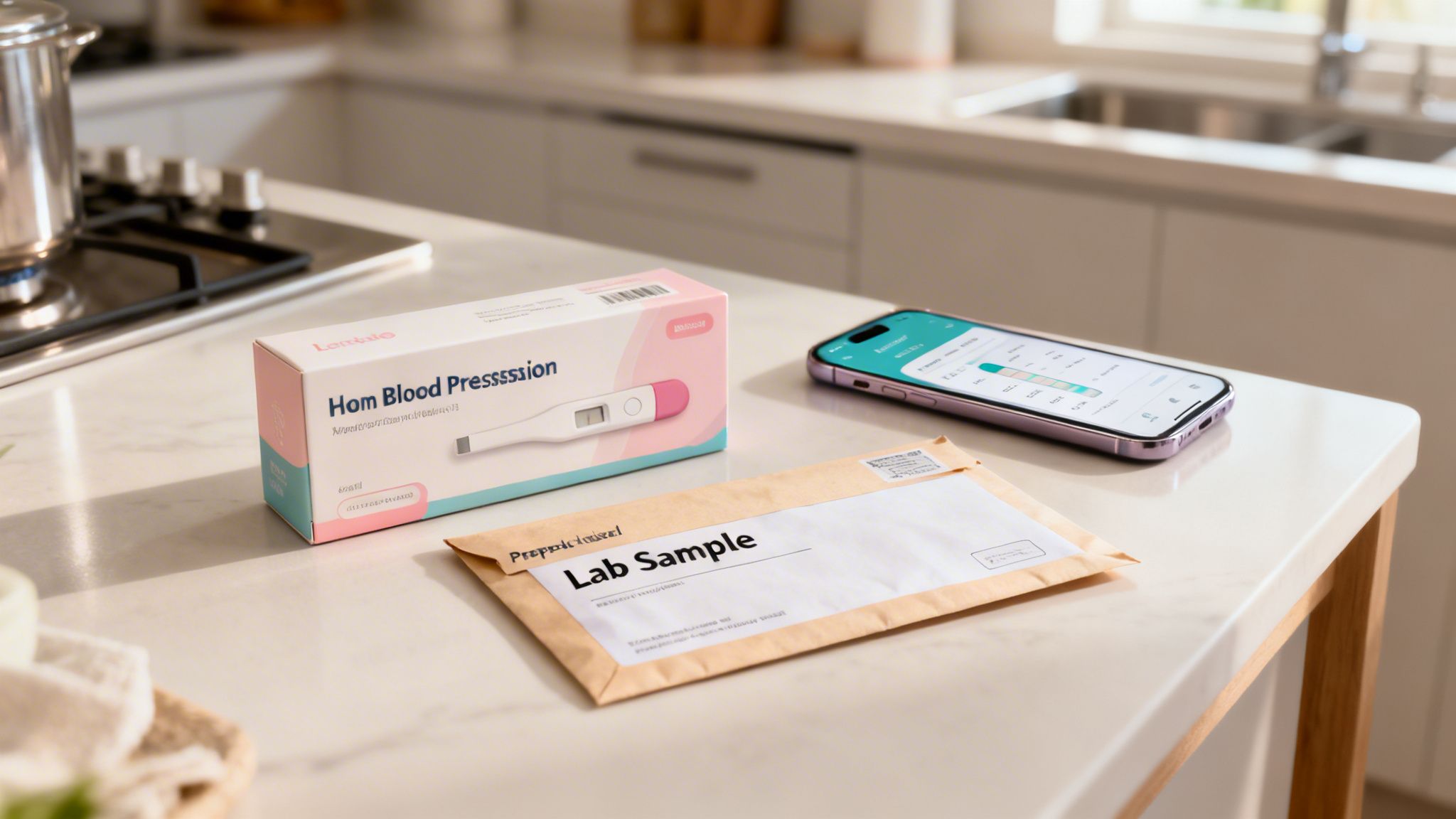
That waiting period to find out if you're pregnant can feel like an eternity. While urine tests are handy, their accuracy really hinges on getting the timing right and having enough of the pregnancy hormone in your system. This uncertainty is why so many people are now looking for a more precise, definitive answer they can get from the comfort of their own home.
At-home blood tests are becoming popular for one simple reason: they offer a whole different level of information. Instead of just showing a line, these tests measure the exact amount of the pregnancy hormone, hCG, that's circulating in your blood. This is what's known as a quantitative result, and it gives you a much clearer picture of what's really going on.
This modern approach is a game-changer for anyone who wants early insights and detailed health data right from the beginning. The benefits go way beyond a simple positive or negative result.
Here’s what makes it a compelling choice:
An at-home blood test neatly bridges the gap between the convenience of a high-street test and the precision of a clinical lab analysis. It empowers you with clear, actionable data right from the start.
Once you have that confirmation, your mind will naturally turn to what comes next. For a really helpful guide on what to expect and how to prepare, this ultimate pregnancy preparation checklist is an excellent resource to get you organised for the journey ahead.
Think of human Chorionic Gonadotropin (hCG) as pregnancy's official announcement. It's a special hormone your body starts making right after a fertilised egg snuggles into the uterine wall. This is the exact signal that all pregnancy tests—both urine and blood—are designed to listen out for.
But not all tests are equally good at picking up this signal. Imagine trying to hear a whisper from across a big room versus having someone whisper directly into your ear. A urine test is like listening from a distance; it needs hCG levels to build up enough to be detected, which is usually after you’ve missed a period.
A home pregnancy test blood kit, on the other hand, is like having your ear right next to the speaker. It can pick up on much fainter whispers—or lower amounts of hCG—circulating in your bloodstream. This is precisely why a blood test can often confirm a pregnancy several days earlier than a traditional pee-on-a-stick test.
But the real power of a quantitative blood test goes way beyond just getting an early result. A urine test gives you a simple 'yes' or 'no'—a qualitative answer. A blood test delivers a quantitative result, meaning you get an exact measurement of the hCG concentration in your blood.
This specific number is incredibly useful. For example, if you have a history of pregnancy complications, your GP might advise tracking how your hCG levels are rising over a few days. This data offers crucial reassurance and provides important information for your healthcare team. It turns the guesswork of a faint line into a clear, precise piece of health information.
A quantitative hCG blood test provides a specific number, offering a detailed snapshot of your early pregnancy status. This data is far more insightful than a simple positive or negative result, empowering you with information to share with your healthcare provider.
It's no surprise that the demand for these kinds of detailed, convenient tests is growing. The UK pregnancy test kits market, which includes advanced home pregnancy test blood options, is projected to jump from USD 81.5 million to USD 146 million by 2035. This trend highlights a clear shift towards technology that offers early, accurate, and straightforward answers, which is particularly vital for anyone closely monitoring their reproductive health. You can find more insights on this growing market over at marketresearchfuture.com.
Ultimately, a blood test like the one offered by Repose Healthcare gives you a level of detail that puts you back in control. It’s not just about confirming a pregnancy; it's about understanding it from the earliest possible moment with lab-verified accuracy, allowing you to take your next steps with confidence.
Choosing between a home pregnancy blood test and a traditional urine test really comes down to what you need most right now: speed and simplicity, or detail and early confirmation. A high-street urine test is perfect for a quick answer after a missed period, but a home blood test offers a completely different class of information.
Understanding these differences is the key to making the right choice for your circumstances. Let's break down how they stack up against each other.
The biggest distinction is in what each test measures and how it presents the result. A urine test gives you a qualitative 'yes' or 'no'—often shown as a simple line. In contrast, a blood test provides a quantitative result: a precise number showing your exact hCG level.
This single difference has huge implications. For instance, if you are undergoing fertility treatment or have a history of pregnancy complications, the specific hCG data from a Repose Healthcare Early Pregnancy Blood Test provides crucial, shareable information for your GP. It transforms a moment of uncertainty into a clear data point.
A urine test answers the question, "Am I pregnant?" A quantitative blood test answers, "Am I pregnant, and what is my precise hCG level?" This extra detail is vital for monitoring early pregnancy progression with clinical accuracy.
This preference for clear, private, and convenient health data is reflected in recent trends. In the United Kingdom, the home pregnancy test market, including blood-based options, was valued at USD 281.26 million in 2023. This growth highlights a strong desire among women to bypass long NHS waits and take control of their health information from home. You can learn more about these UK market insights on researchandmarkets.com.
To help you decide, here’s a straightforward comparison of the two methods. It lays out the key features side-by-side so you can see at a glance which test fits your needs.
| Feature | At-Home Blood Test (e.g., Repose Healthcare) | Standard Urine Test (e.g., High-Street Brands) |
|---|---|---|
| Timing | Can detect hCG as early as 7-10 days after conception, often before a missed period. | Best used on or after the first day of a missed period for reliable results. |
| Accuracy | Over 99% accurate as the sample is analysed in a UK-accredited clinical laboratory. | Typically over 99% accurate when used exactly as instructed, but user error can affect results. |
| Result Type | Quantitative. Provides a specific numerical value of your exact hCG level (e.g., 25 mIU/mL). | Qualitative. Shows a simple positive or negative result (e.g., one or two lines). |
| Convenience | Order online, collect a small sample at home, and post to a lab. Results are delivered securely online in 1-3 days. | Purchase in-store or online for an immediate result at home within minutes. |
Ultimately, the right home pregnancy test blood or urine kit depends entirely on your personal needs. If you need a fast, simple check after your period is late, a urine test is a great tool. However, if you're looking for lab-verified accuracy, earlier detection, and detailed quantitative insights to share with your doctor, a home blood test is the superior choice.
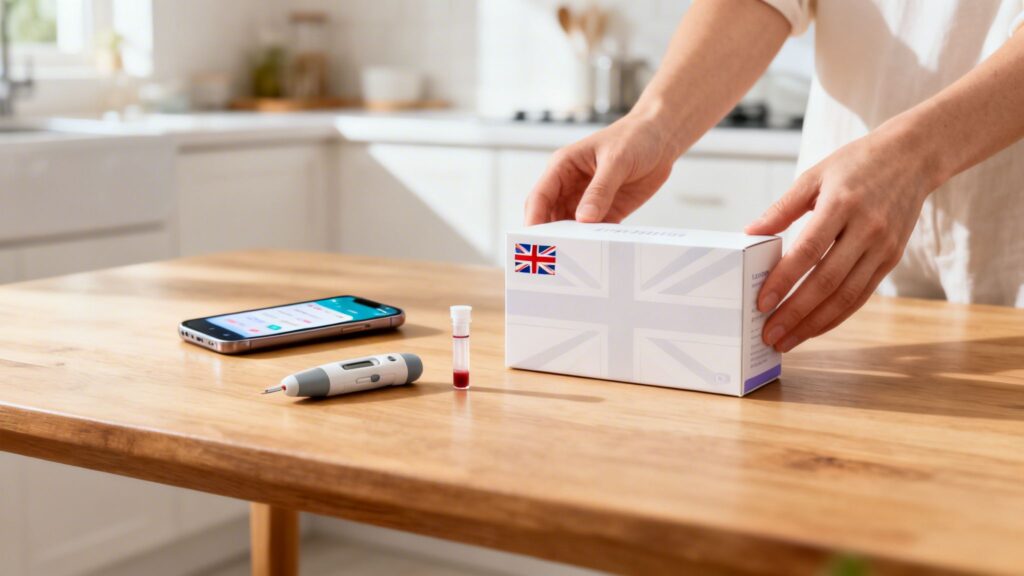
Our home pregnancy test blood kit from Repose Healthcare is designed to be as straightforward and empowering as possible, letting you take control right from your own home. We've cut out the need for clinic visits by creating a simple, step-by-step process. This guide will walk you through everything, from the moment your kit arrives to popping your sample in the post.
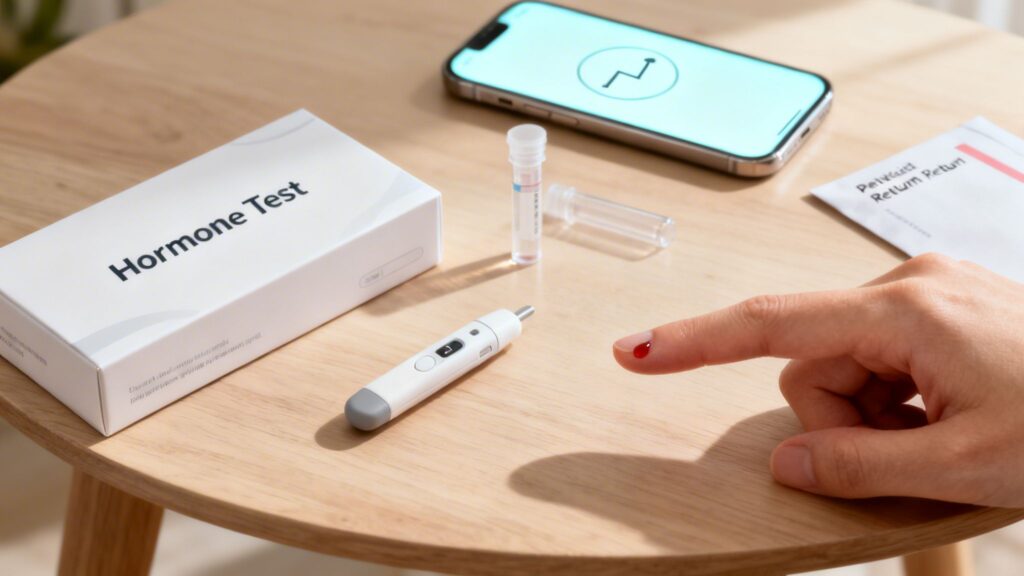
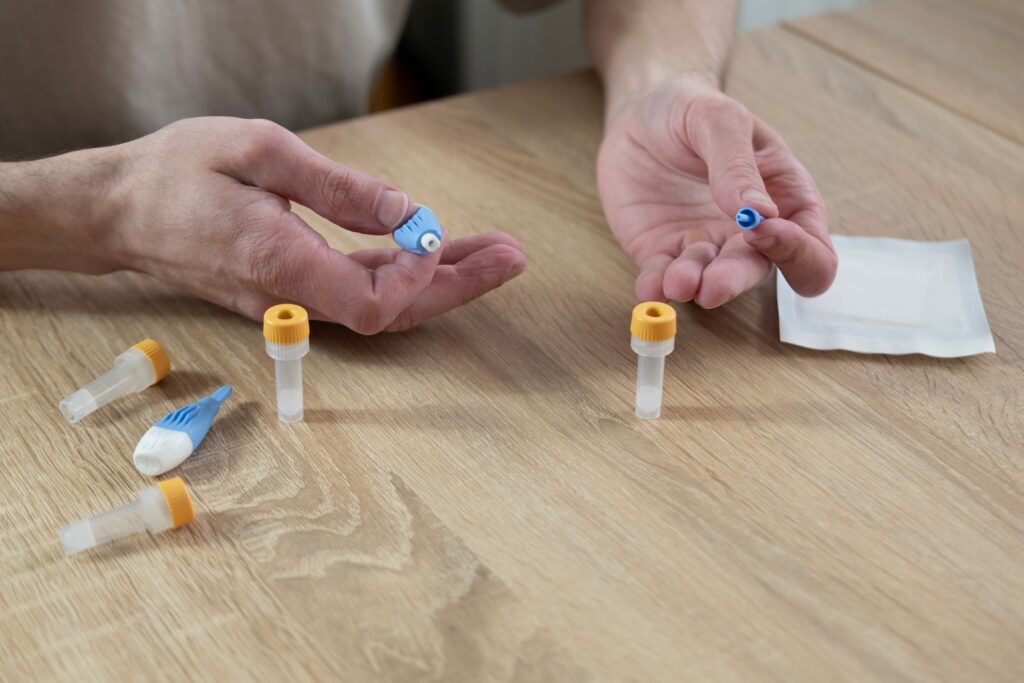
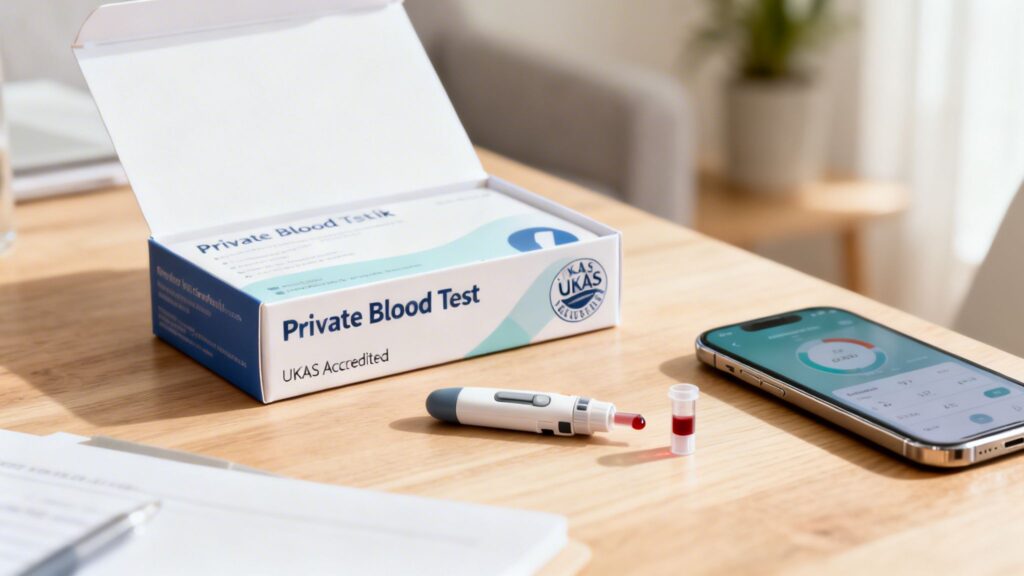
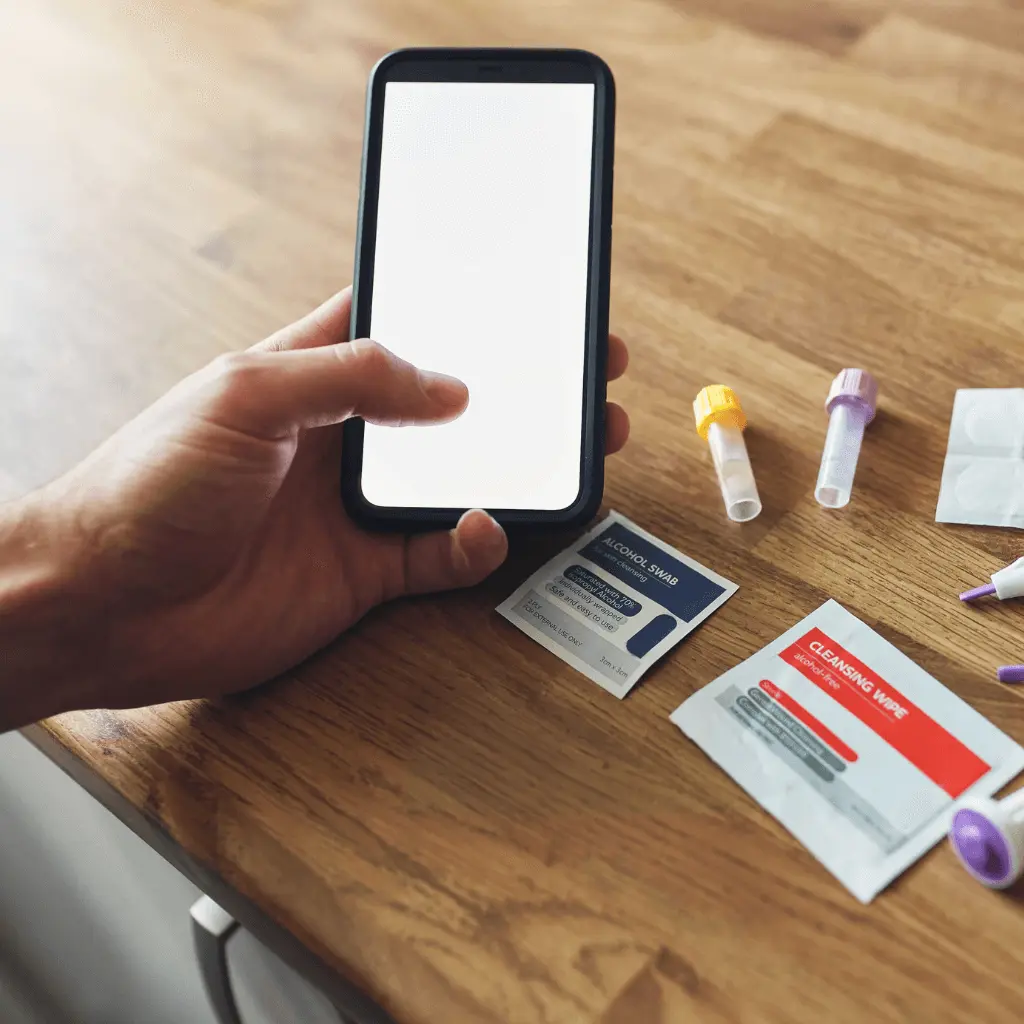
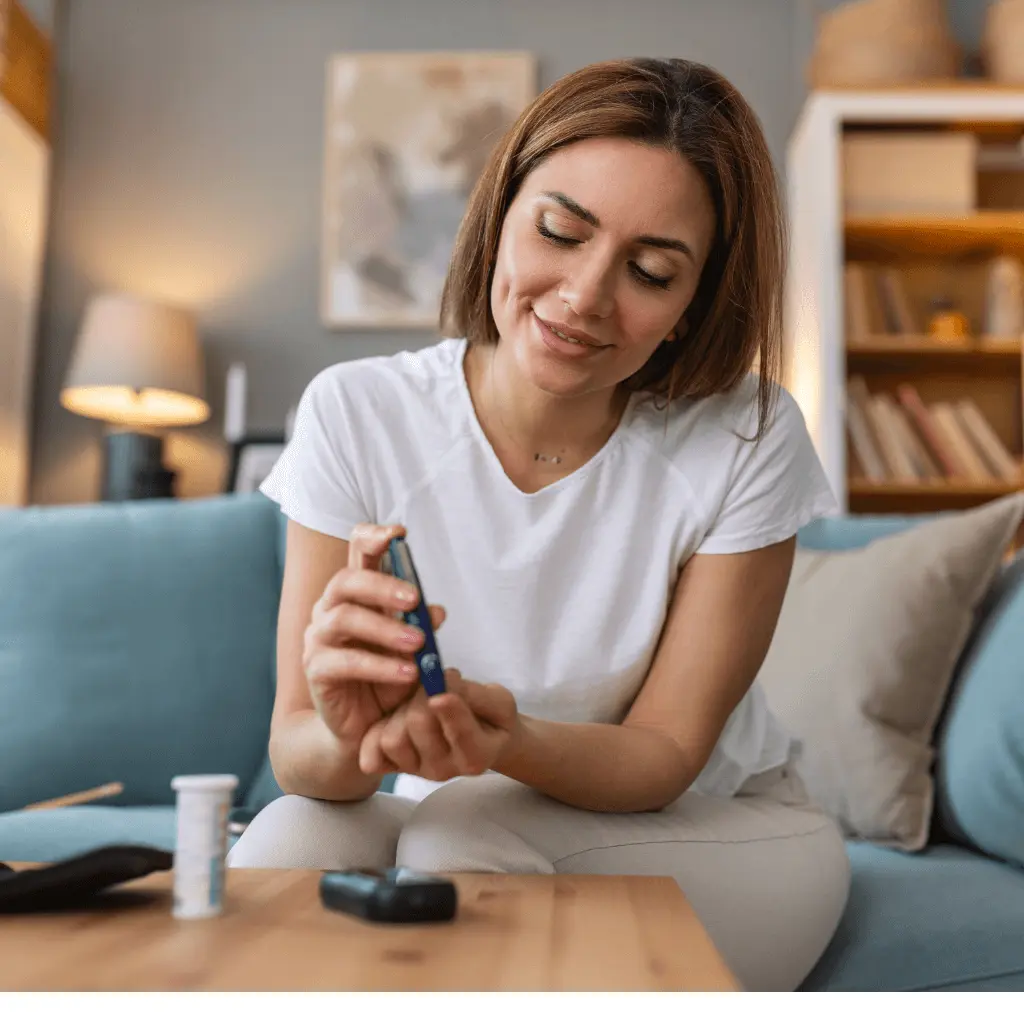
Your kit has everything you need to collect your sample successfully. Inside, you'll find a simple finger-prick lancet, a small collection tube, alcohol wipes, and clear instructions. It's all designed to feel less clinical and more comfortable.
Getting a good sample is the most critical part, and a few simple tricks can make it even easier. The main goal is to get good blood flow to your fingertips before you start.
Here’s a simple process to follow:
Once your sample is collected and the cap is on tight, you're ready for the final step. Just pop the tube into the prepaid, postage-safe envelope that came in your kit and drop it into any Royal Mail post box.
The infographic below shows the journey of your sample, from home collection to lab analysis, and compares the key stages for both blood and urine tests.
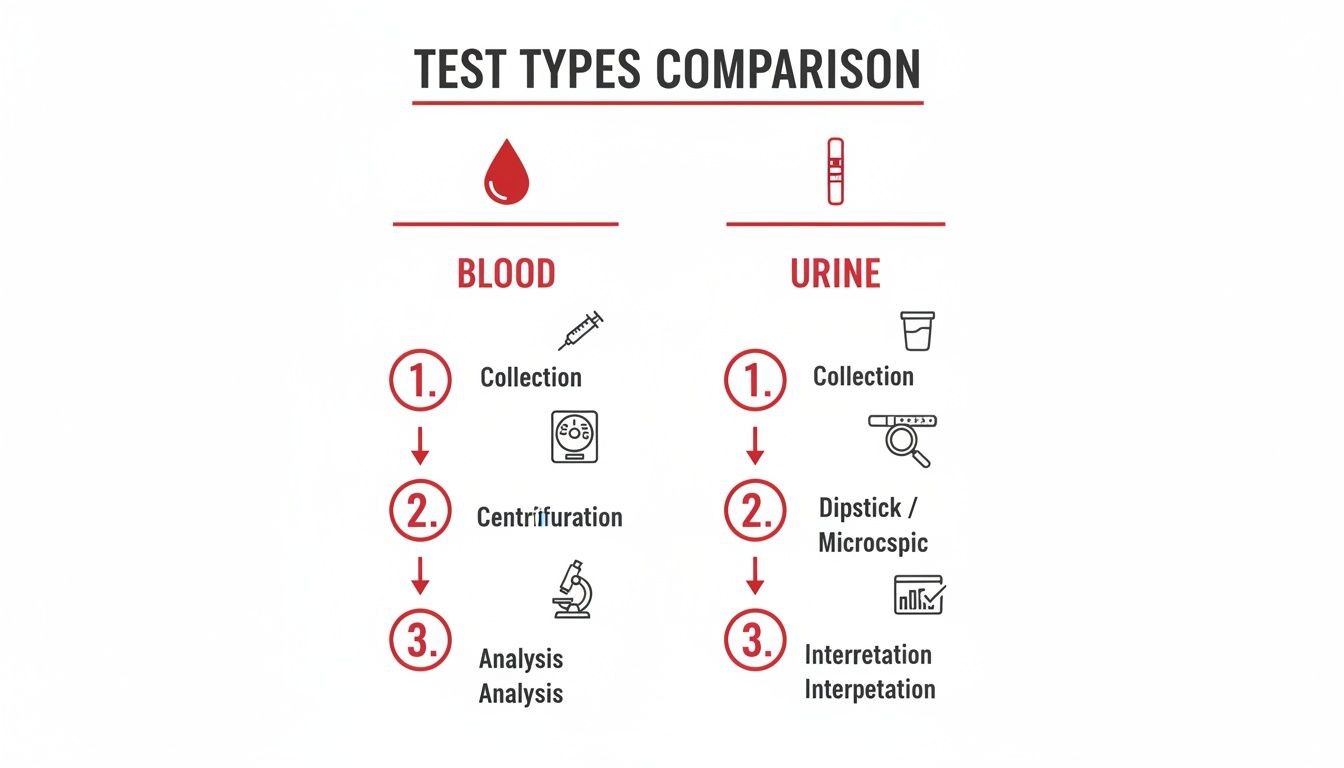
As you can see, the blood test route involves professional laboratory analysis, which is exactly why it delivers such high accuracy and detailed results.
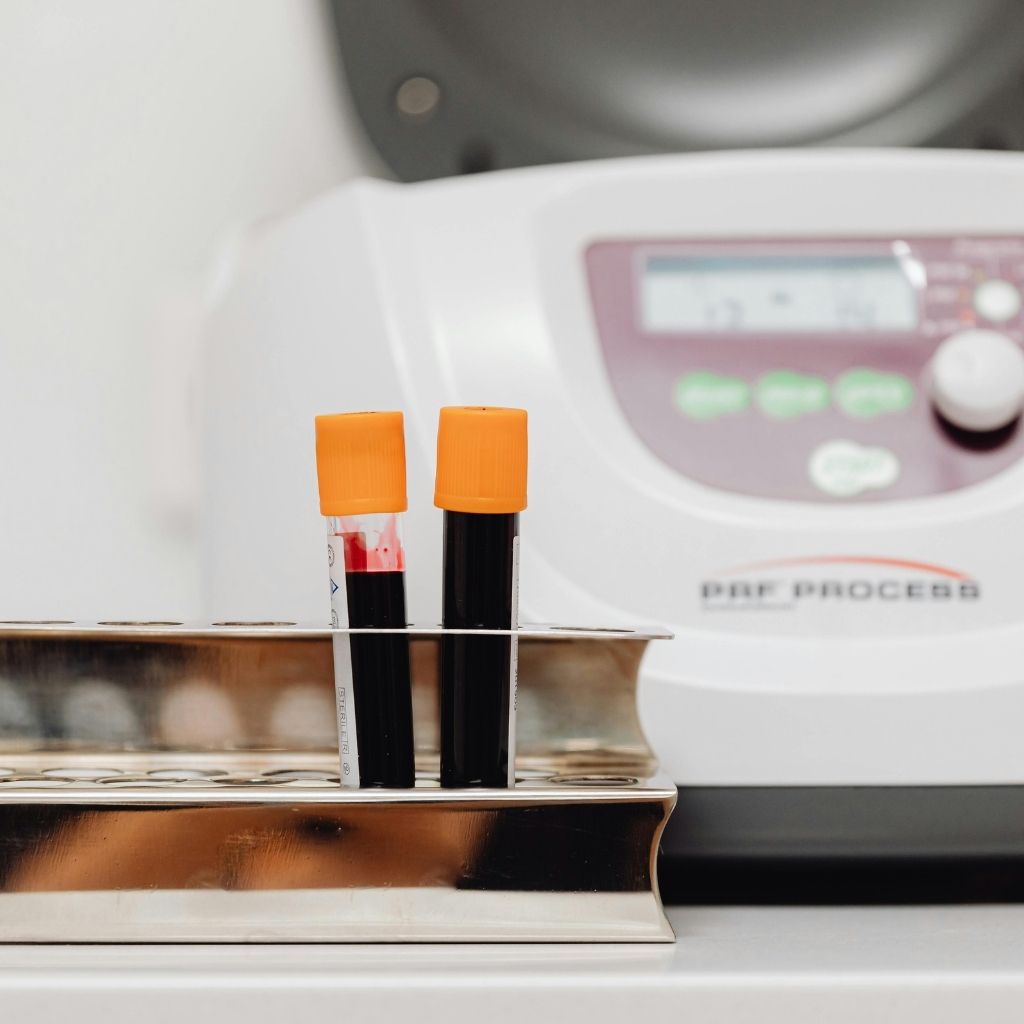
Once you've posted your sample, our UK-accredited laboratory partners take over. Their job is to analyse your blood to measure the precise concentration of the hCG hormone. This is the exact same process used for tests ordered by GPs, so you can be confident you're getting the highest standard of accuracy.
The real beauty of our service is that it blends the convenience of at-home collection with the trusted precision of clinical lab analysis. You get a result you can truly depend on, without the hassle or wait of a clinic appointment.
Typically, your results will be ready within 1-3 working days of the lab receiving your sample. We’ll send you an email notification, and you can then log into your secure, confidential online dashboard to view your quantitative hCG level. The whole process is designed to be easy and private, reinforcing the benefits of our Early Pregnancy Blood Test service. To find out more about this method, you can learn more about our finger-prick blood tests at home.
The moment you get your results is a big one, and we want you to feel completely ready for it. Once our lab has analysed your sample, you'll get a secure notification to log into your Repose Healthcare dashboard. There, you won't just find a simple "positive" or "negative"—you'll see your precise, quantitative hCG number.
That number is the real power of a home pregnancy blood test. It’s a clear data point that tells a much more detailed story than a faint line on a urine test. Getting to grips with this figure is the first step before you chat with your doctor or midwife.
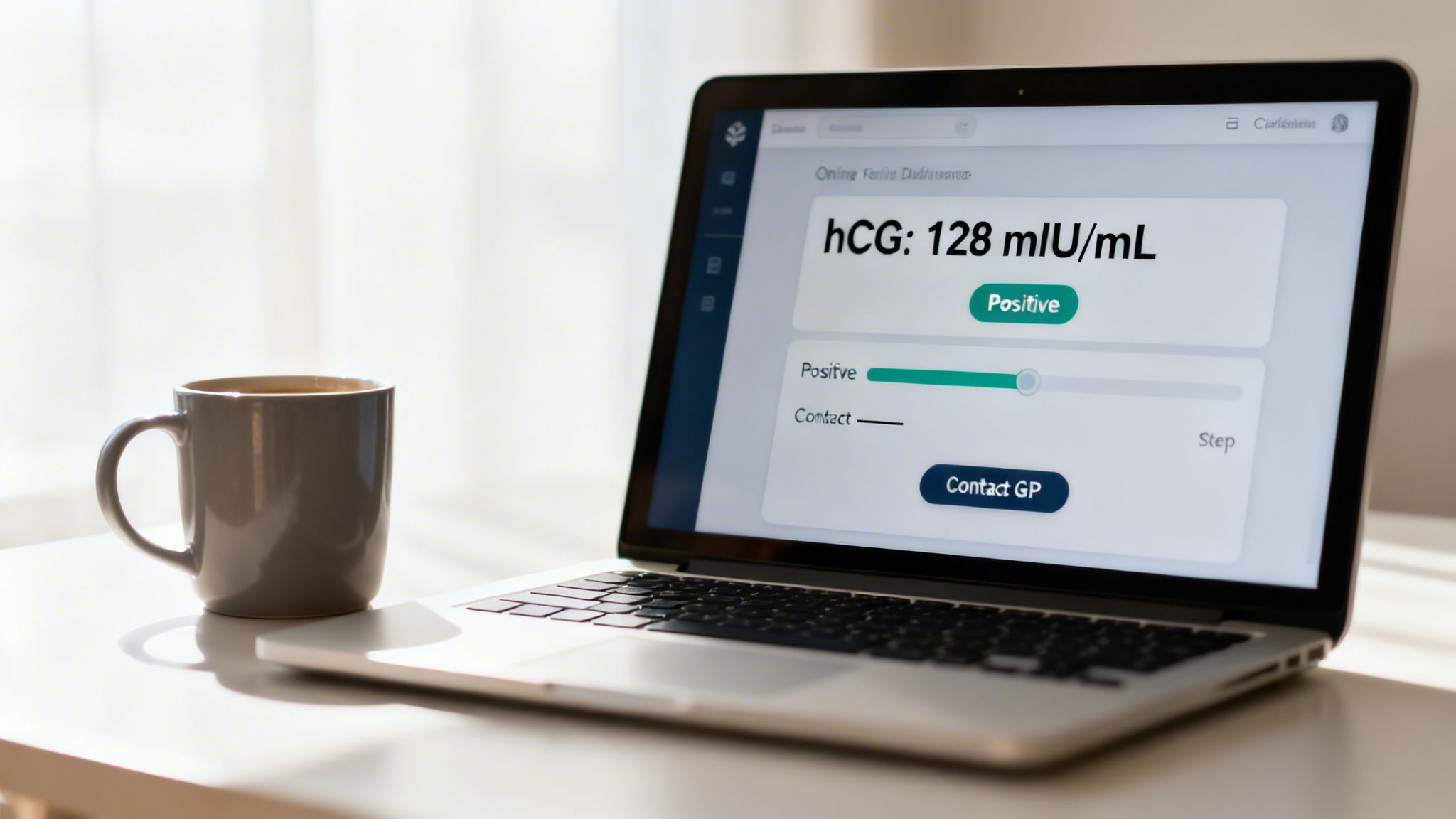
Your results will be shown as a number measured in mIU/mL (milli-international units per millilitre). While every pregnancy journey is unique, these are the general ranges our lab uses to classify what your result means:
The rise of at-home testing is part of a bigger self-care trend. The UK market for these tests, including blood-based kits, is expected to hit USD 56.7 million by 2035. While urine tests are still common, blood tests are gaining ground because of their accuracy in early detection, especially for those tracking fertility. This lines up with the 78% of UK women who actively research pregnancy information online. You can read more about this trend at futuremarketinsights.com.
It’s so important to remember that your test result is a powerful piece of health information, but it isn't a medical diagnosis. The next step is always to connect with a healthcare professional.
Your quantitative hCG result is designed to empower you with clear, lab-verified data. Use this information to start a productive and informed conversation with your GP or midwife.
Based on what your result shows, here’s what we suggest you do next:
Deciding to use a home pregnancy blood test kit naturally brings up a few questions. You want to feel completely confident that you’re choosing the right path for your needs. We've put together answers to the most common queries we get, aiming to give you all the clarity you're looking for.
Think of this as a quick-fire round to reinforce what you've learned and help you move forward with certainty.
Our blood test can pick up the hCG hormone as early as 7 to 10 days after conception. That's often before you’ve even missed a period. This is possible simply because blood tests are far more sensitive and can detect much lower levels of hCG than most standard urine tests.
For the most reliable results, it's really important to follow the timing instructions that come with your Repose Healthcare kit. Testing too early, even with a super-sensitive test, can sometimes give an unclear result, so sticking to the guidelines is your best bet for accuracy.
Not at all. We’ve designed our kits to be as user-friendly and comfortable as possible. The sterile, single-use lancet creates a tiny prick on your fingertip that most people just describe as a brief, slight pinch.
We provide clear, step-by-step instructions to walk you through it. Little tips, like warming your hands under warm water beforehand, can really help improve blood flow and make the whole process smooth and successful. It’s a world away from the traditional venous blood draw you'd get at a clinic.
The accuracy of a laboratory analysis is exceptionally high. At-home sample collection, when performed correctly, delivers a specimen that allows for a result just as dependable as one from a sample taken at your GP's office.
You can find out more by reading our detailed guide on whether at-home blood tests are accurate. This should give you extra peace of mind about the process.
While urine tests are brilliant for a quick, simple "yes" or "no", a blood test offers a much deeper level of insight. The main advantages are detecting a pregnancy earlier due to higher sensitivity and, crucially, getting a quantitative result.
Knowing your exact hCG number gives you precise, valuable data that you can share with your doctor. This is especially helpful if you're going through fertility treatments or simply want the solid reassurance that comes with lab-verified confirmation. For instance, you could purchase a pack of two Repose Healthcare Early Pregnancy Blood Tests to test a few days apart and track the rise in your hCG levels, providing valuable data for your first GP appointment.
Once you have that confirmation, you'll likely have questions about what comes next. Learning about common physical changes and potential discomforts during pregnancy can help you feel more prepared for the journey ahead.
The laboratory analysis is just as accurate as a test you'd get from your GP. Your at-home sample is processed in the exact same type of UK-accredited, professional laboratory that the NHS relies on.
The test measures your hCG levels with over 99% accuracy. You get the convenience of collecting your sample at home, combined with the trusted, high standards of clinical lab analysis. It delivers a result you can truly depend on.
Ready for a clear, accurate, and early answer? The Repose Healthcare Early Pregnancy Blood Test provides lab-verified results from the comfort of your home. Order your kit today and take the first step with confidence. Visit https://reposehealthcare.co.uk to learn more.