Are you interested in learning more about your body and whether it’s functioning properly? There are several tests you can take to do just that, with one being the HOMA IR Insulin Resistance Test, which measures your insulin resistance, a key measurement for detecting signs of type 2 diabetes, prediabetes, and insulin resistance. In this guide, learn everything you need to know about a HOMA Insulin Resistance Test, from what it measures to what the results mean.
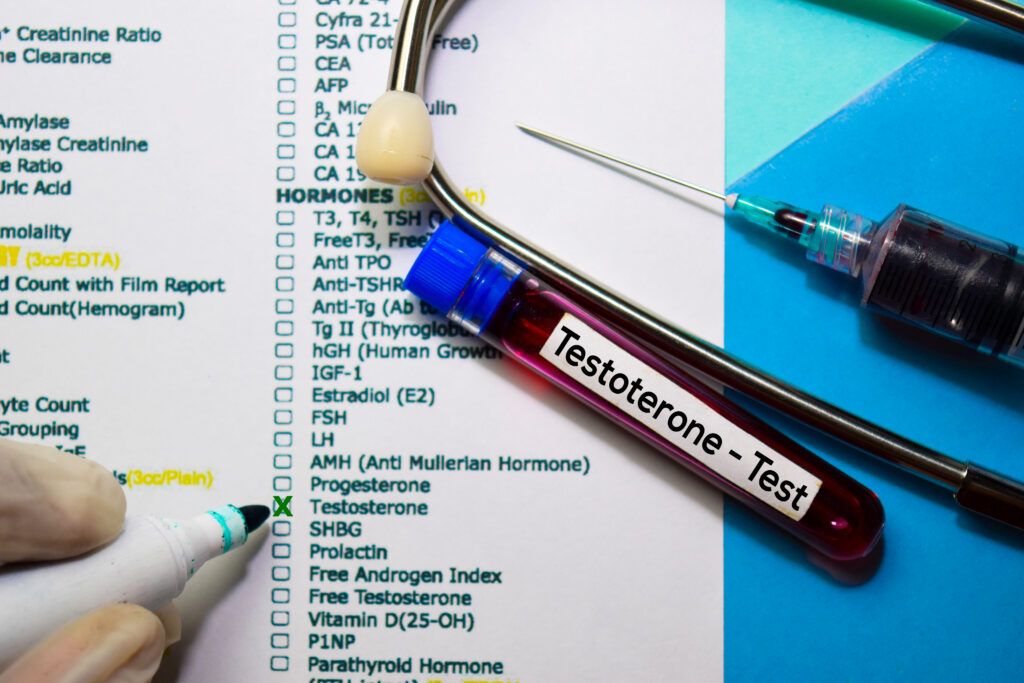
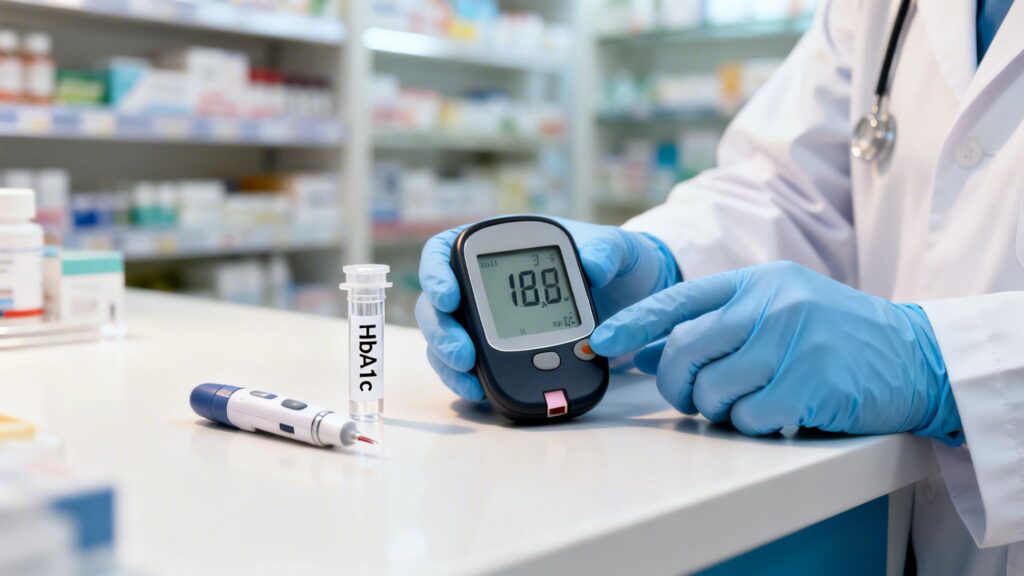
A HOMA IR Test is a common blood test that measures your insulin levels in your blood. It specifically measures the following biomarkers:
Glucose: The sugar in your blood.
Insulin: A polypeptide hormone that regulates your glucose levels.
HOMA IR: Also known as the Homeostatic Model Assessment of Insulin Resistance. This is a score based on your glucose and insulin levels.
To take the HOMA IR Test, you will need to fast for at least eight hours prior to the blood being taken.
The HOMA IR Test is not typically part of routine blood tests. Instead, it is ordered when a person shows specific symptoms or is a part of a high-risk group. Here’s who needs to take the test.
Anyone who shows symptoms of insulin resistance should take the insulin resistance test. Some of the most common symptoms include:
While the presence of these symptoms does not automatically mean you definitely have insulin resistance, they are enough to push you towards getting a test, as it’s better to know sooner rather than later so you can start an appropriate treatment plan. It’s also helpful to do other blood tests, such as Full Blood Count, as this can help paint an overall picture of your health and help investigate what is causing those symptoms.
There are certain health conditions that make a person more likely to have insulin resistance. For example, PCOS (Polycystic Ovary Syndrome), metabolic syndrome, and liver disease. If you have any of these, seeking out a HOMA IR Test is a good move for your health.
Some individuals are in a high-risk group for insulin resistance. For example, people with a family history of type 2 diabetes. Also, people who live a more sedentary lifestyle or are overweight may be at a higher risk and should therefore take a test more frequently.
You don’t actually need a reason to take a HOMA IR Test. It is enough to want to be more proactive about your health. Monitoring your health through various blood tests is an excellent way of keeping track of your wellbeing and, in some cases, reaching a diagnosis early.
If you are doing a HOMA IR Test as part of a routine screening, then you only really need to do it every couple of years.
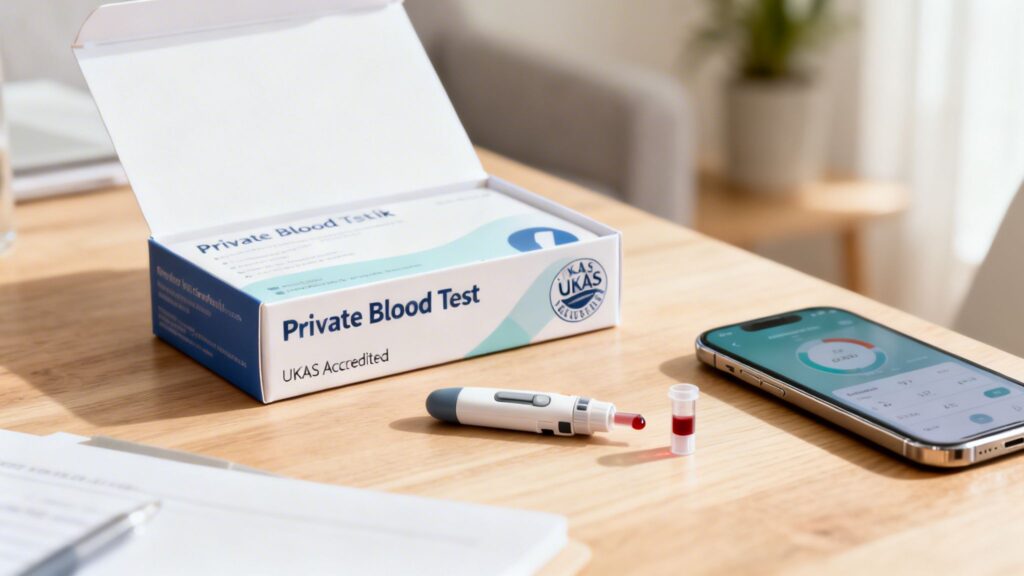
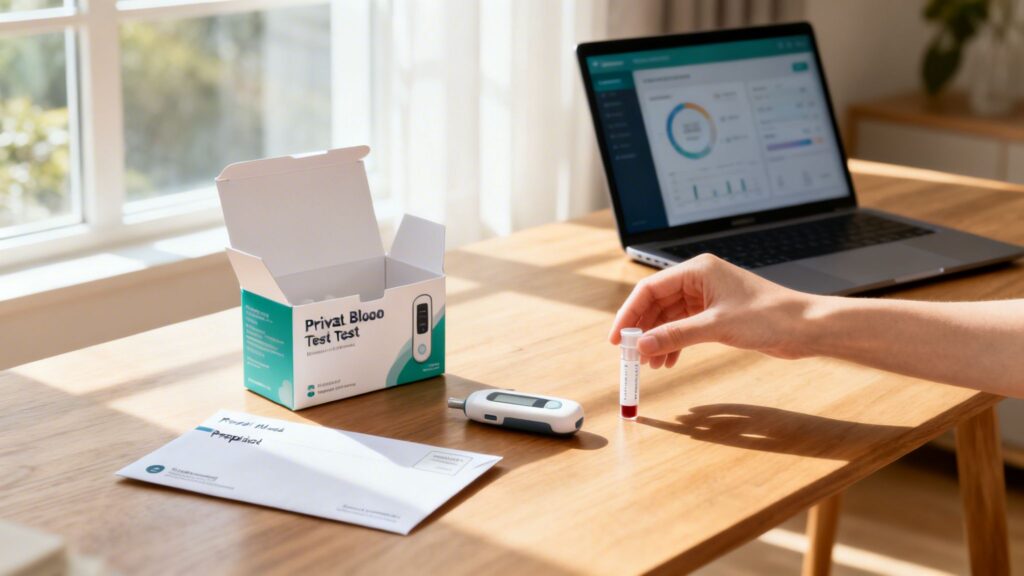
However, if you are part of a high-risk group or know you have high insulin resistance, you’ll need to perform the test more regularly, for example, every 3 to 6 months. To make that process easier (so you don’t have to make too many GP appointments), you can order at-home HOMA IR tests. That way, you can do them at any time without needing to travel to and from the GP practice.
You may also want to do a HOMA IR test if your lifestyle habits have changed. For example, switching from a physical job to a more sedentary one.
The good news is that, no matter the reason for wanting to take a HOMA IR Test, the process is pretty straightforward.
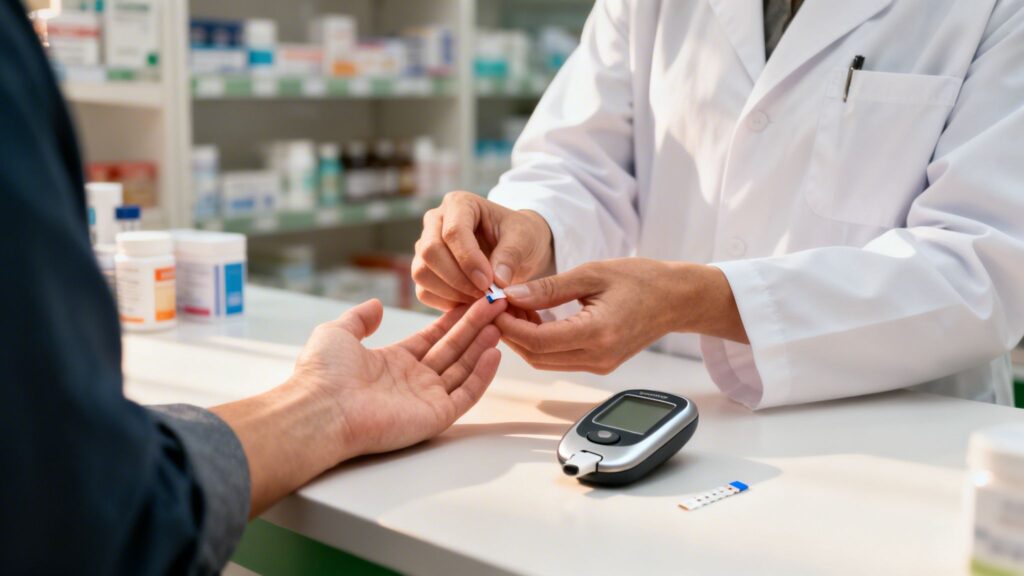
Your first step is actually booking the test. There are a few ways you can go about this, by booking an appointment with your GP, booking a blood test with a private healthcare provider, or ordering an at-home HOMA IR Test to do yourself.
This is a crucial part of the test. You need to fast for between 8 and 12 hours prior to doing the test, and this is to ensure your levels are stable for an accurate reading. Make sure you do not consume any coffee, tea, sugary drinks, or chewing gum. Water is allowed.
As you’ll need to fast, it makes sense to take the test in the morning if you are able. That’s because you will have naturally fasted overnight, so it won’t be as much effort to abstain from food for those hours.
There may also be some additional instructions, such as stopping the taking of certain supplements, such as biotin. Always follow whatever your doctor tells you to do.
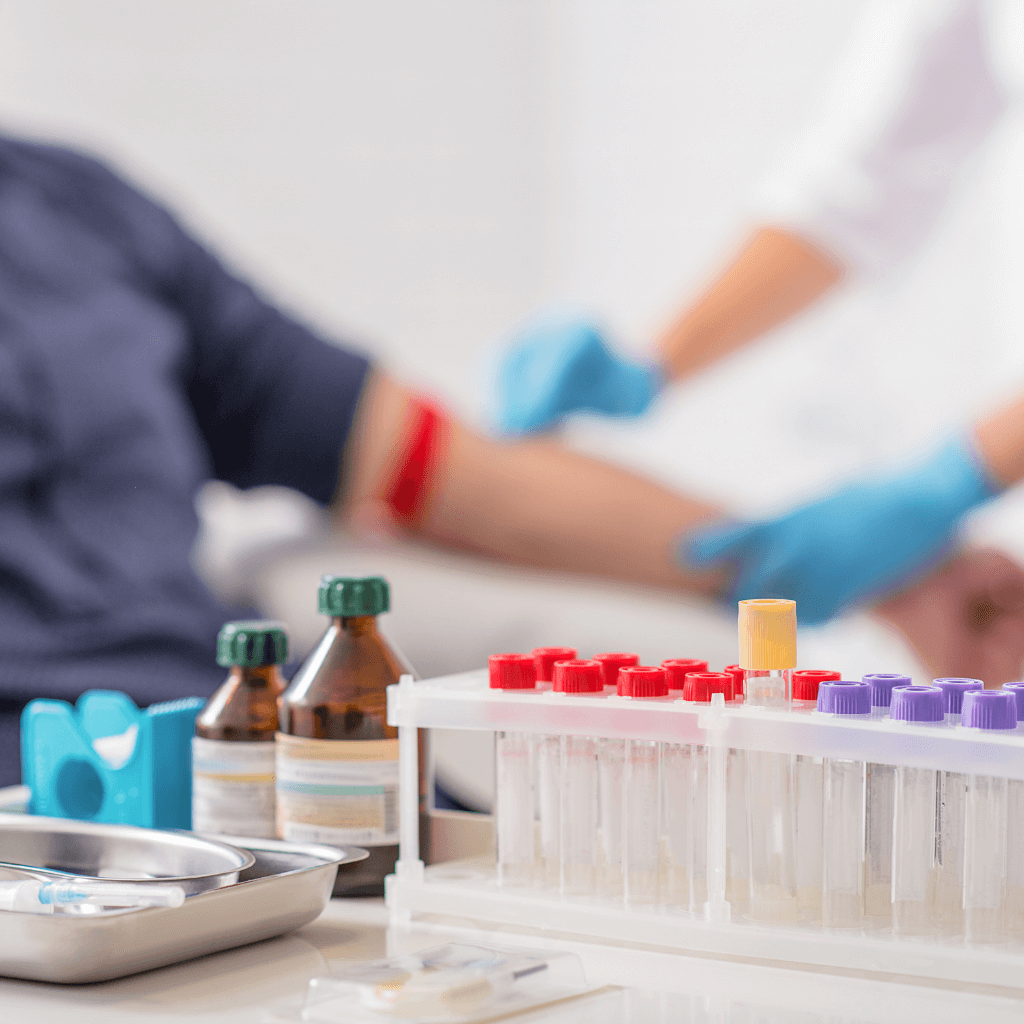
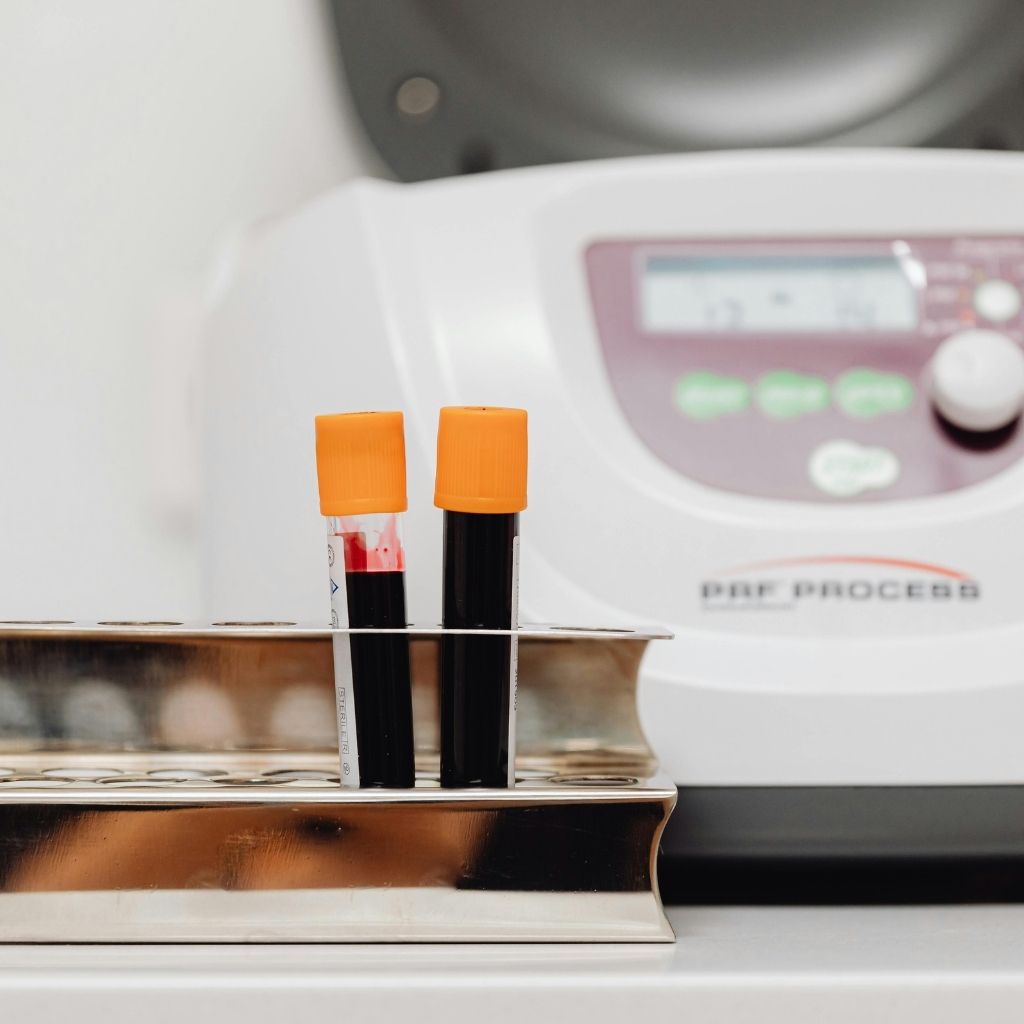
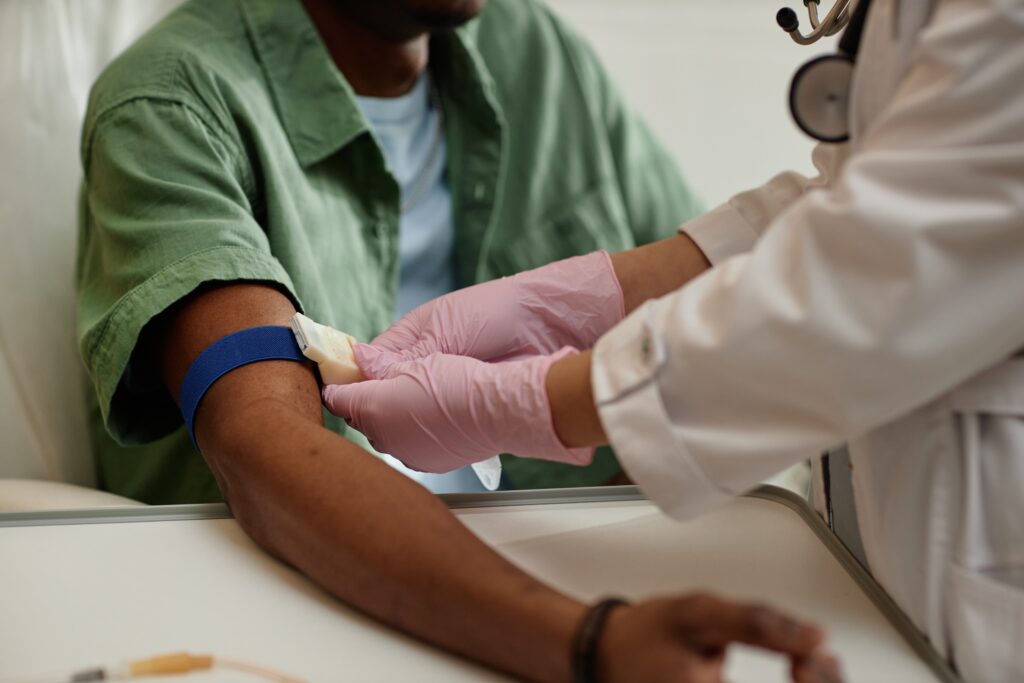
The blood test is fast and should be pretty painless. If getting a blood test done at a doctor’s office, the healthcare professional will insert a needle into your arm to withdraw the blood, and it should be over in just a few short minutes.
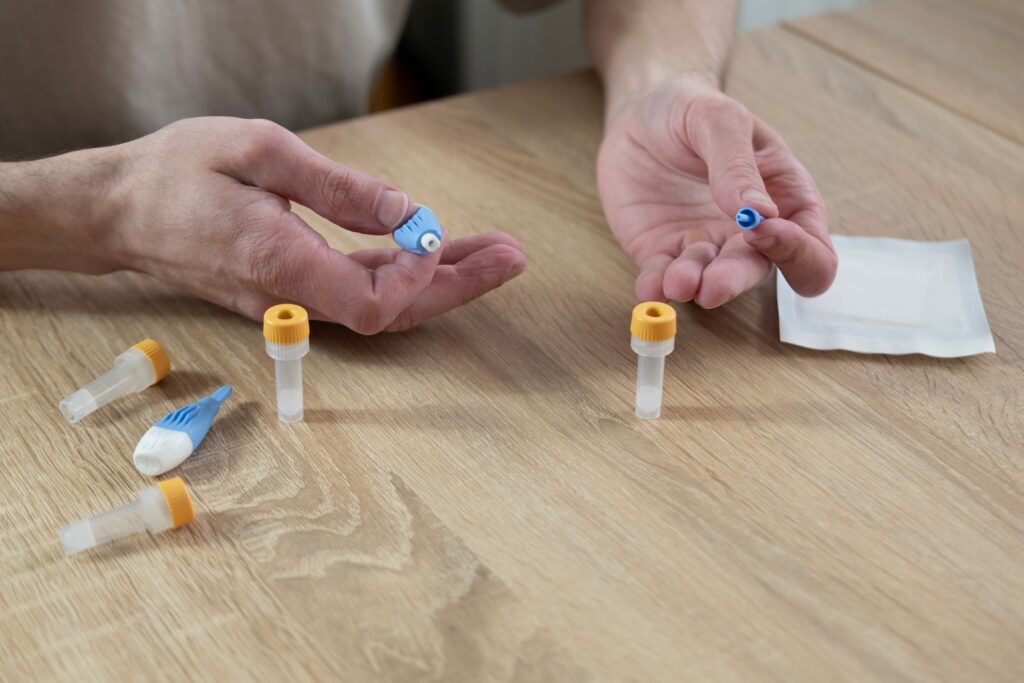
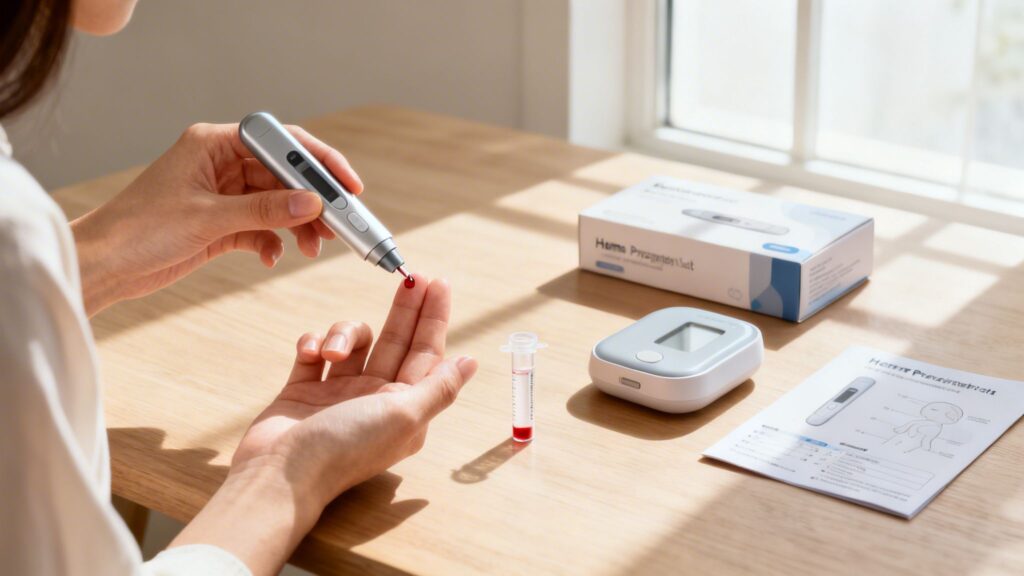
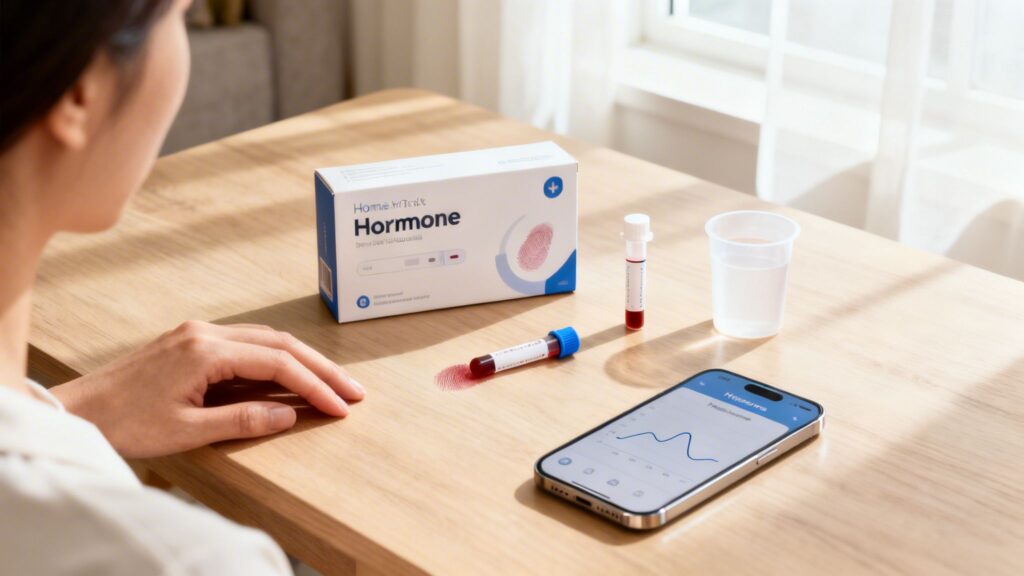
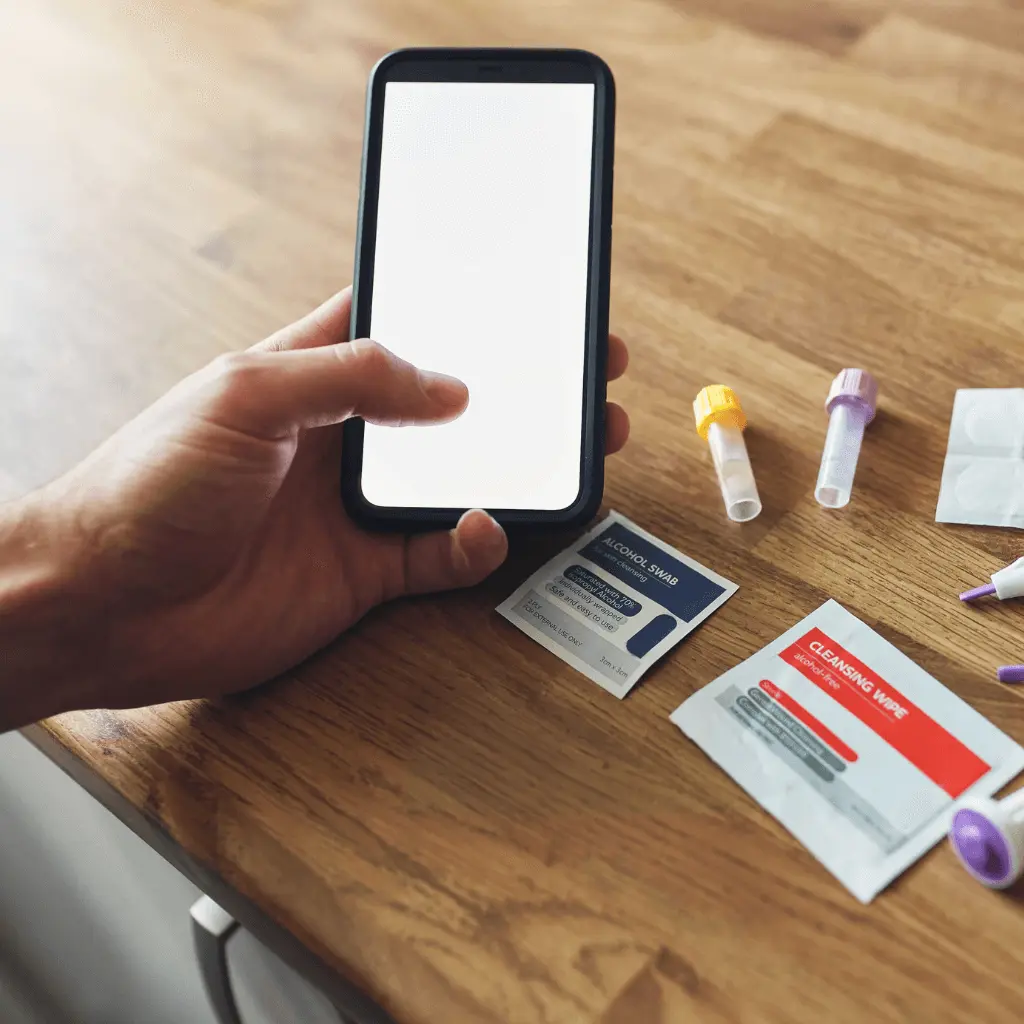
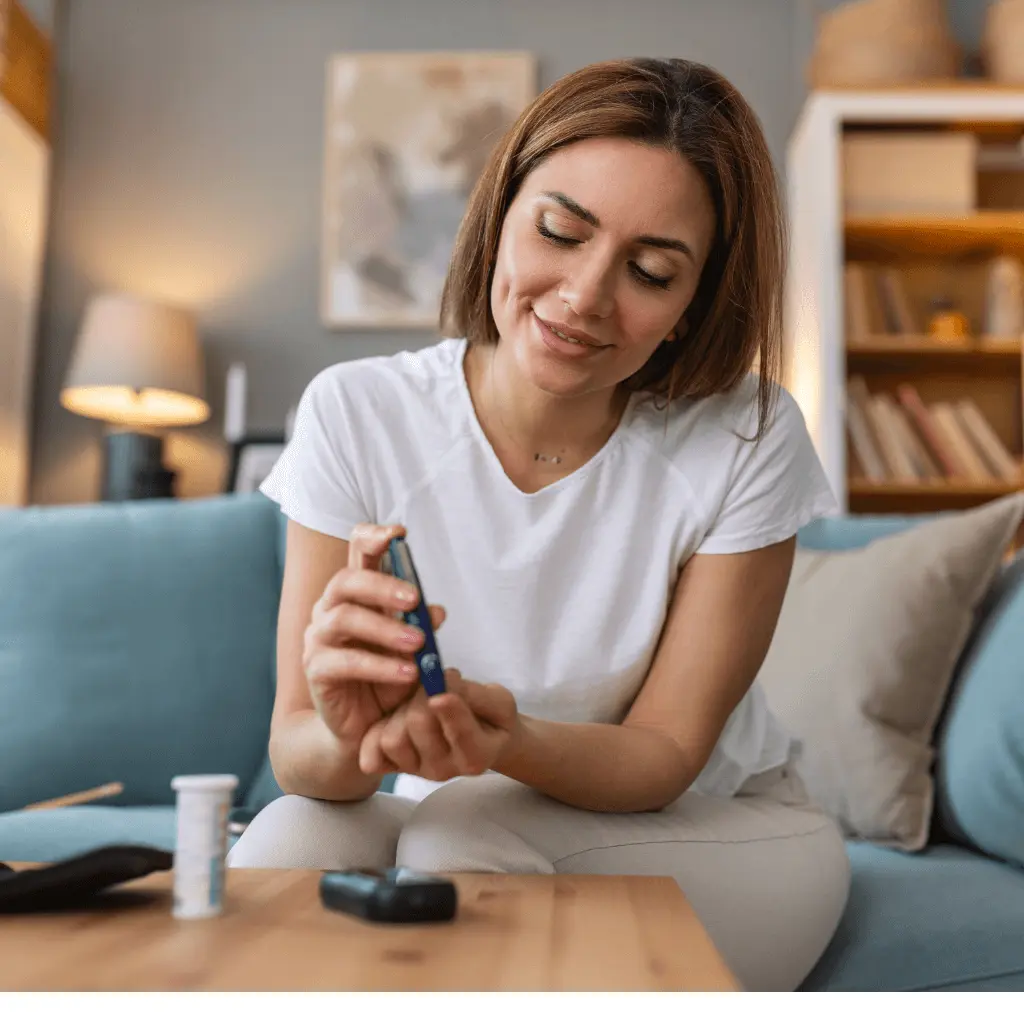
If you are doing an at-home blood test, the process will involve taking a blood sample using a finger-prick method. Be sure to follow all instructions contained within the kit.
You may experience some mild bruising or pain around your arm following the blood test. Your doctor will place a plaster on the area to prevent any further bleeding. Be sure to keep the plaster on and avoid any heavy lifting for at least 24 hours after the blood test.
The results from your HOMA IR Test should be available in just a couple of days. The results will tell you whether you have high insulin sensitivity (a healthy result) or high insulin sensitivity.
The results of the HOMA IR Test will give you a specific number:
Under 1.0: This is an optimal result and shows that you have high insulin sensitivity.
1.0-2.5: This is a normal result. While it’s better to be closer to 1.0 or under, this result doesn’t indicate many problems.
Over 2.5: This is a high result and suggests that you have some insulin resistance.
Over 5.0: This indicates very significant insulin resistance.
So, if your results are anywhere up to 2.5, your levels are fine, although, if it’s very close to 2.5, you might want to keep an eye on results and do another blood test in a few months.
Are your results showing 2.5 or above? If that’s the case, you have higher than normal insulin resistance, here’s what you should do about it.
A HOMA IR Test shows you whether you have normal or high insulin resistance. If you have high insulin resistance, it could indicate medical issues like prediabetes or type 2 diabetes, and starting treatment sooner rather than later will help you manage your health better.
If you want to monitor your health from home, simply order one of the HOMA IR Tests from our website. The finger-prick blood sample test is easy to do, and you’ll have the results from the test within a few working days. Then, if the results are abnormal, we can provide advice on the next steps you should take.