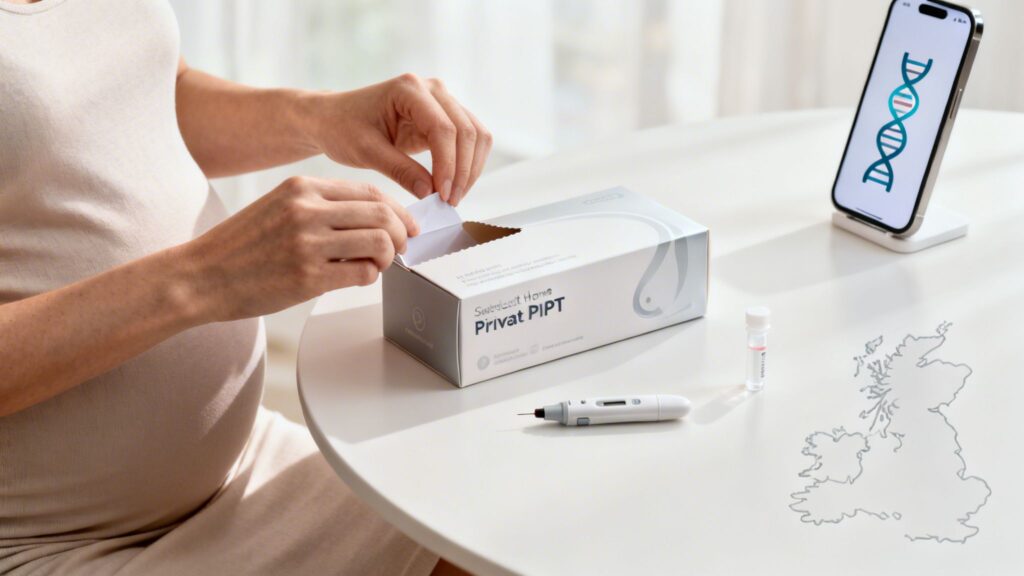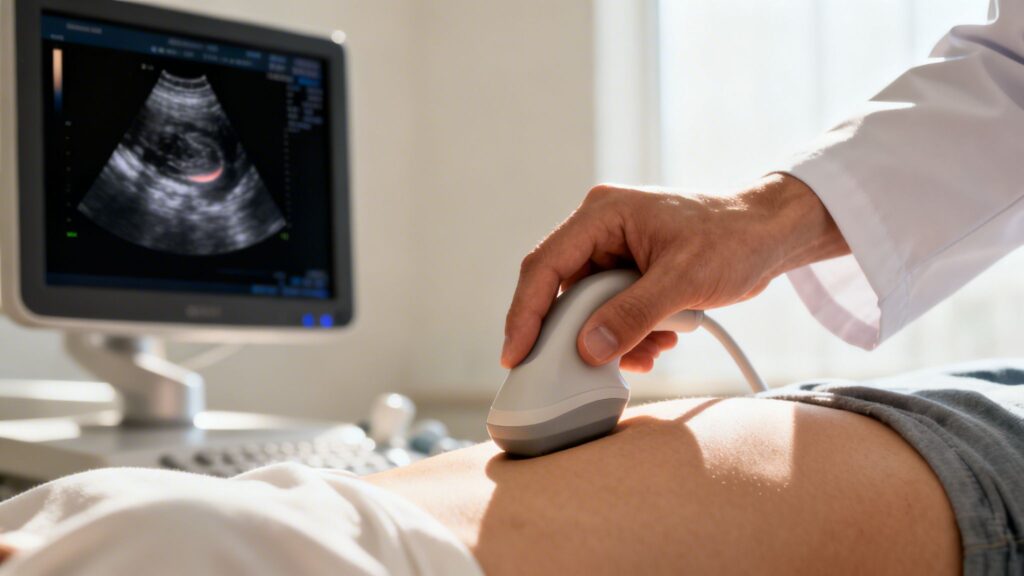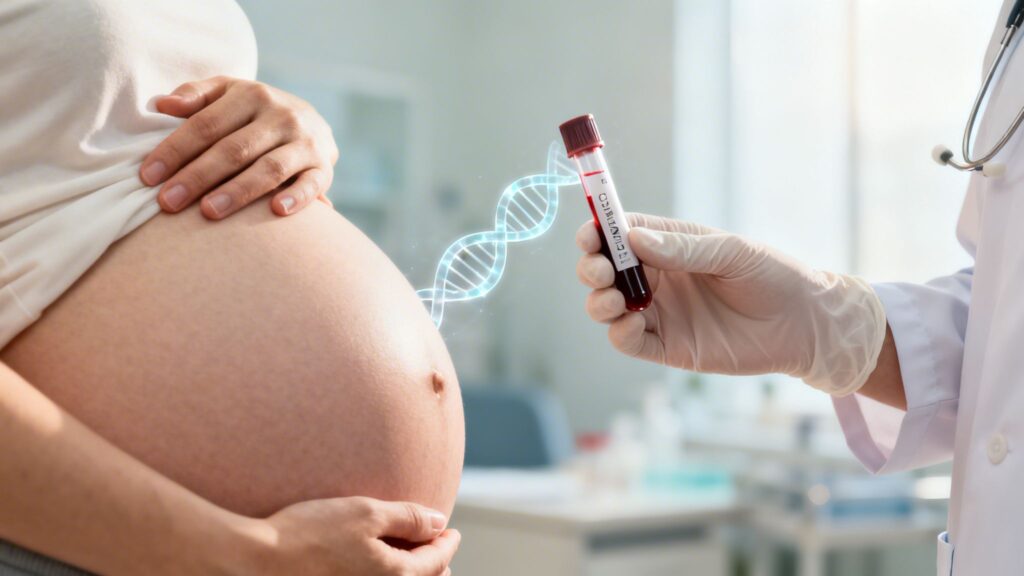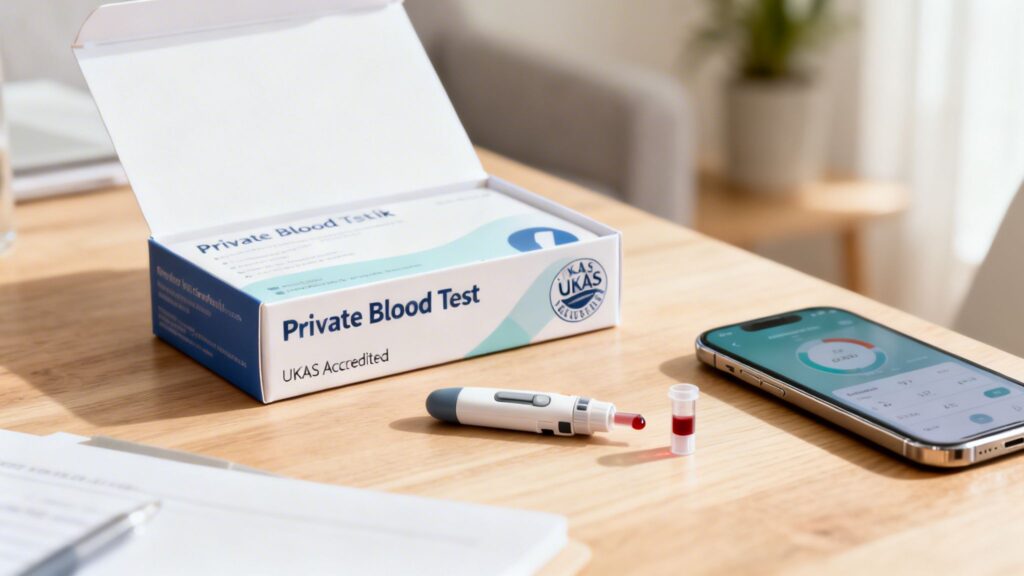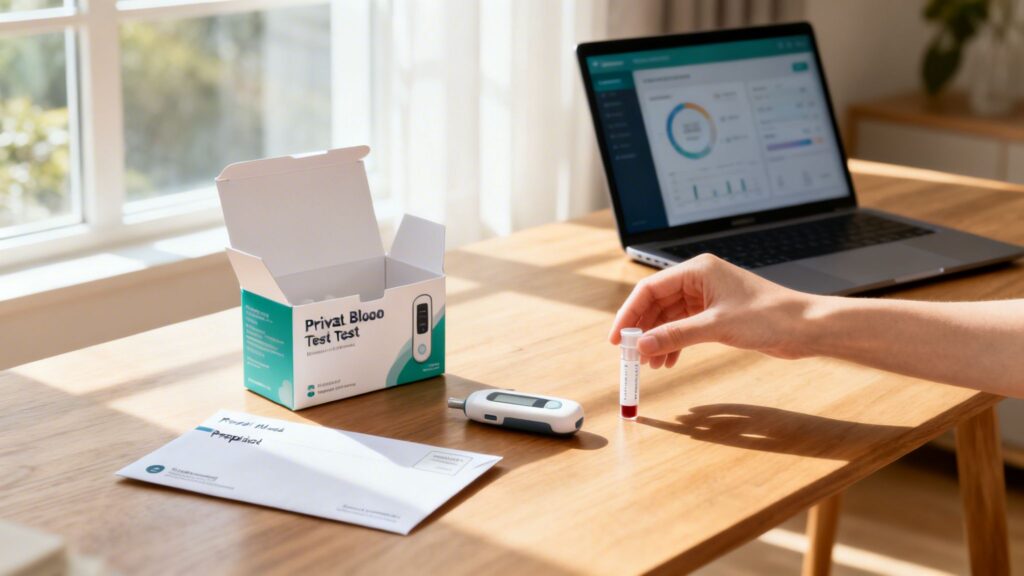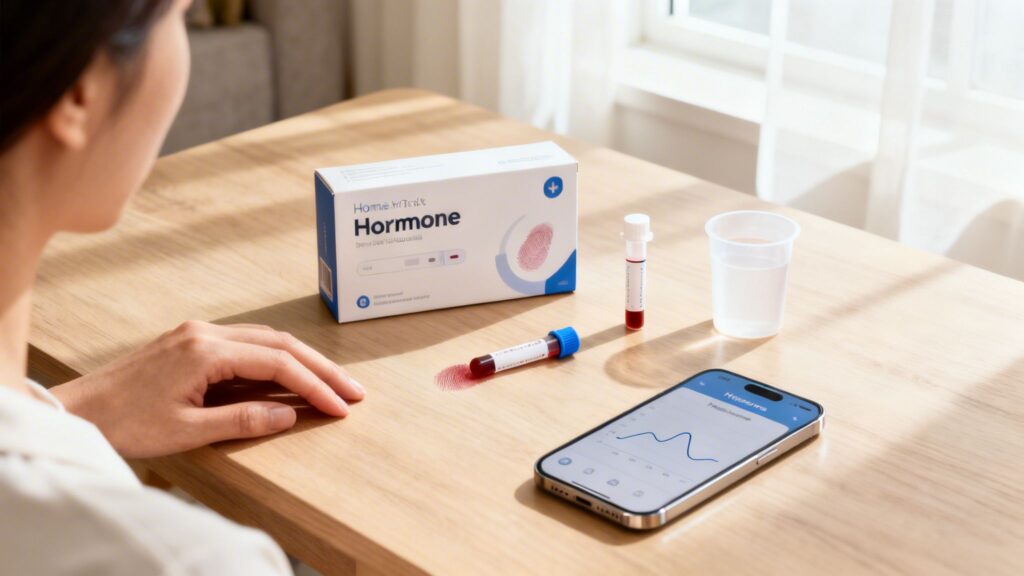
When you hear the term harmony testing in pregnancy, it's referring to a specific, highly accurate type of non-invasive prenatal test, or NIPT. It’s a screening test that involves a simple blood draw from the mother’s arm, usually from 10 weeks of pregnancy, to look at the baby's DNA. This offers expectant parents early insights into their baby's health and provides a great deal of reassurance with practically no risk.
Pregnancy is a time filled with excitement, anticipation, and a lot of new information. As you prepare for your baby, you’ll come across different screening options, all designed to give you a clearer picture of your baby's health. One of the most common and reliable of these is the Harmony test, a form of Non-Invasive Prenatal Testing (NIPT).
But what exactly is it, and how does it work? Let's walk through the science in a straightforward way.
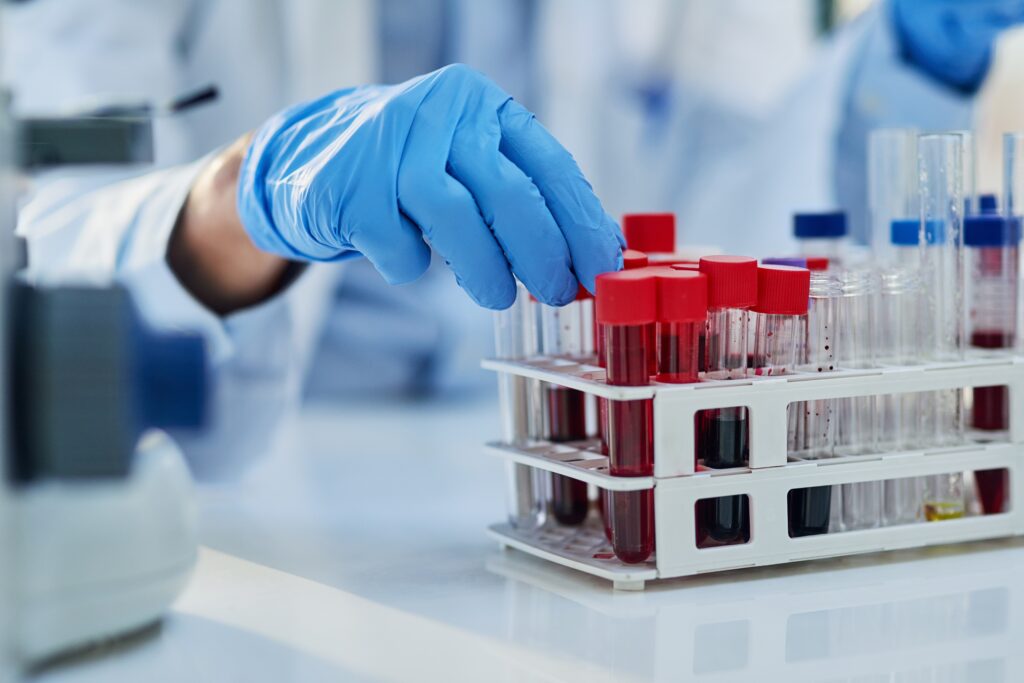
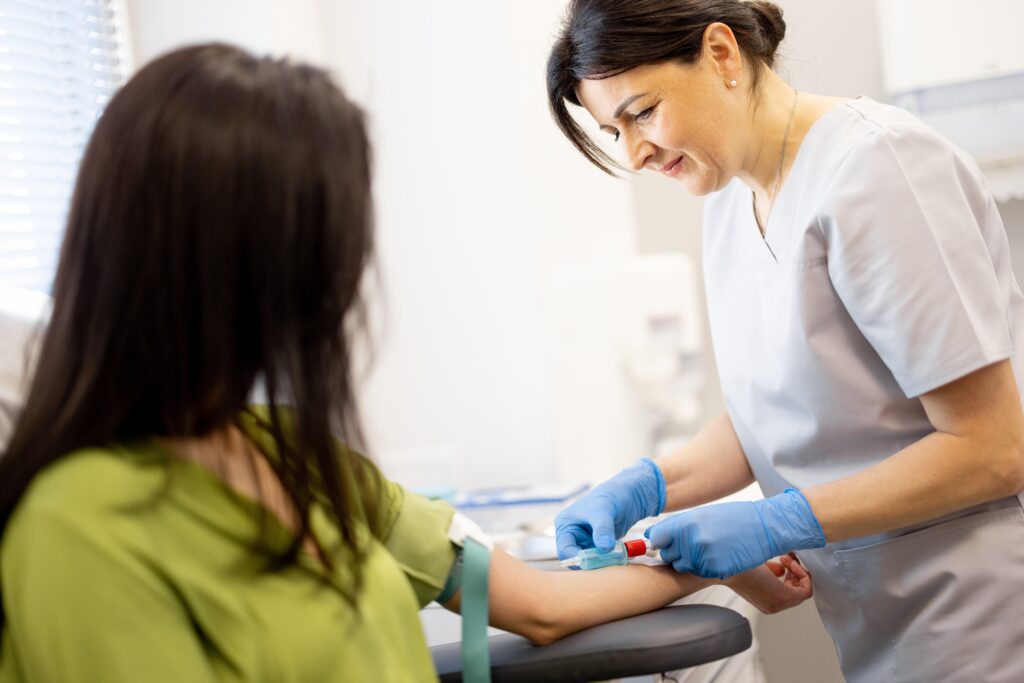
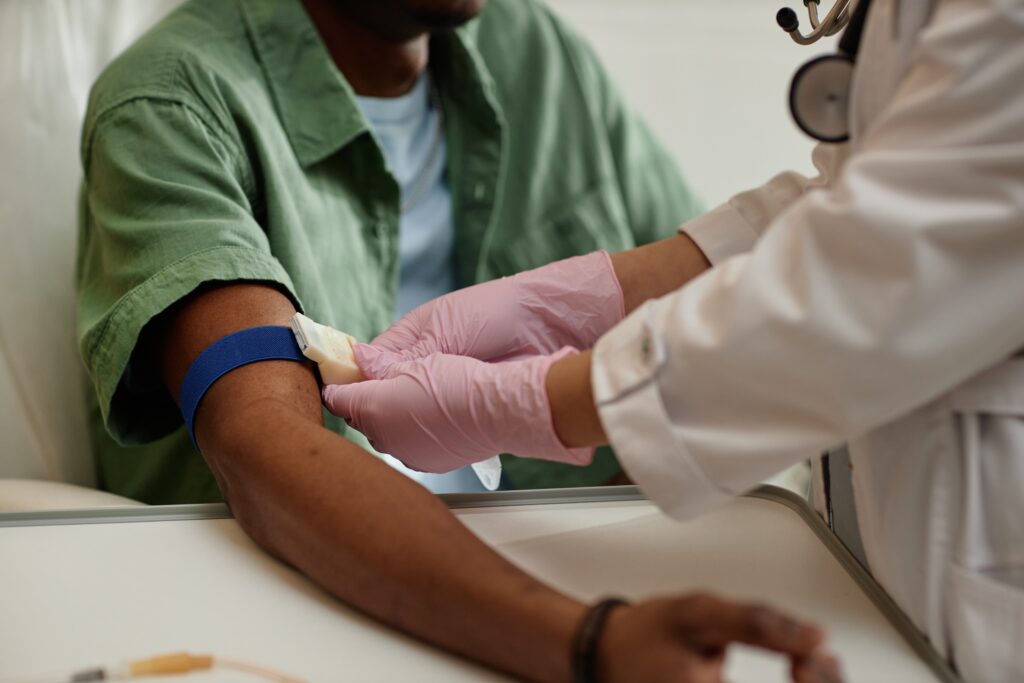
During pregnancy, small fragments of your baby's DNA, known as cell-free DNA (cfDNA), naturally cross the placenta and enter your bloodstream. NIPT works by taking a small blood sample from your arm—just like a routine blood test—and analysing these tiny DNA fragments.
Because it’s just a blood test for the mother, the process is completely non-invasive. This means it poses no risk to either you or your baby. It's an incredible bit of science that gives a highly accurate snapshot of your baby’s chromosomes without needing a more invasive procedure.
Actionable Insight: The core idea behind NIPT is simple yet powerful: it analyses a baby's genetic information through the mother's blood, offering a safe and early window into their potential health. This empowers you to make informed decisions with greater peace of mind.
The Harmony test, like other NIPTs, primarily screens for the most common chromosomal conditions, known as trisomies. A trisomy simply means there is an extra copy of a chromosome where there should only be two.
The main conditions the Harmony test screens for are:
The Harmony test has been a leading choice for expectant parents since it first became available in the UK, setting a new benchmark for non-invasive screening. It’s known for its high accuracy, detecting over 99% of pregnancies with Down's syndrome, around 98% for Edwards' syndrome, and up to 93.8% for Patau's syndrome. Crucially, it has a very low false-positive rate of less than 0.1%. You can learn more about these early findings on prenatal screening in London.
To help put this in perspective, here's a quick summary of what the test looks for.
This table breaks down the key information about the conditions screened by NIPT, their detection rates, and when you can have the test.
| Condition Screened | Also Known As | Typical Detection Rate | Performed From |
|---|---|---|---|
| Down's syndrome | Trisomy 21 | >99% | 10 weeks |
| Edwards' syndrome | Trisomy 18 | ~98% | 10 weeks |
| Patau's syndrome | Trisomy 13 | ~94% | 10 weeks |
As you can see, the test is highly effective at screening for these specific conditions right from the end of the first trimester.
One of the most significant benefits of NIPT is how early it can be done. You can have the test from just 10 weeks of pregnancy. By this point, there is usually enough of the baby’s cfDNA in your bloodstream to ensure an accurate result.
Practical Example: Imagine finding out you're pregnant and wanting the most reliable information as soon as possible. Instead of waiting for the 12-week scan and combined test, you can use an at-home NIPT kit at 10 weeks and get a highly accurate result within days. This gives you two extra weeks of reassurance and more time to plan, which can make a huge difference to your peace of mind.
Waiting for the results of your Harmony test can be an anxious time for any expectant parent. When the report finally arrives, it can feel a little clinical and hard to decipher. Knowing what to expect and how to interpret the results beforehand can make the whole experience feel much more manageable.
Thankfully, the report itself is usually quite direct, giving one of two main outcomes.
The most common result is ‘low probability’ or ‘low risk’. This is fantastic news. It means the analysis found no evidence of the specific chromosomal conditions being screened for, like Down's, Edwards', or Patau's syndrome. For the vast majority of parents, this result provides powerful reassurance, allowing them to continue their pregnancy journey with greater peace of mind.
This flowchart gives a simple overview of the typical NIPT journey, from the initial test right through to your results.

As you can see, the process is designed to be clear and straightforward, starting with a simple blood draw after 10 weeks and leading directly to your results.
The other possible outcome is a ‘high probability’ or ‘high risk’ result. It’s absolutely crucial to understand what this means—and what it doesn’t. A high-probability result is not a diagnosis. NIPT is a screening test, which means it identifies who might need further investigation.
Practical Example: Think of it like a very sophisticated smoke detector. If the alarm goes off, it doesn't mean the house is on fire—but it's a very clear signal to check for one immediately. In the same way, a high-probability NIPT result signals that the chance of a specific condition is increased, and definitive follow-up tests are now recommended.
Actionable Insight: A ‘high probability’ result is a critical signpost, not the final destination. Your immediate next step should be to contact your midwife or obstetrician. They will guide you towards definitive diagnostic tests, such as amniocentesis or CVS, to get a conclusive answer.
These diagnostic tests are the ones that can provide a definitive "yes" or "no." Your midwife or obstetrician will be there to guide you through this next stage, offering counselling and support so you can make informed decisions that feel right for you and your family. If you'd like to look closer at the statistics, you can learn more about NIPT test accuracy and what the numbers really mean in our detailed guide.
On rare occasions, the laboratory might not be able to get a result from the first blood sample. This is known as a ‘no-call’ or inconclusive result, and it happens in a small number of cases, around 1-4%. It is not a cause for immediate alarm and does not mean there's a problem with your baby.
The most common reason for a no-call is a low fetal fraction. This just means there wasn't a high enough concentration of the baby's DNA in your blood sample for the lab to perform an accurate analysis.
A few things can contribute to a low fetal fraction:
Actionable Insight: If you get a no-call result, the solution is usually very simple: a retest. A second blood draw is typically offered at no extra cost a week or two later. By then, the fetal fraction has often increased enough for the lab to get a clear result and give you the answers you need.
When you’re pregnant, you’re suddenly faced with a flood of information and decisions, and navigating the different screening tests on offer can feel pretty overwhelming. It's crucial to understand what each test does, its accuracy, and what the results really mean for you.

In the UK and Ireland, your prenatal care pathway will generally involve three types of tests: the standard NHS combined screening, advanced Non-Invasive Prenatal Testing (NIPT) like Harmony, and definitive diagnostic tests.
Making sense of these can be confusing, but it really comes down to a few key differences in how they work and what they can tell you. Let's break them down so you can see where harmony testing during pregnancy fits in and why it has become such a valuable option for so many expectant parents.
For most parents in the UK, the first step is the NHS combined test, offered between weeks 10 and 14 of your pregnancy. This involves a blood test from you and a nuchal translucency (NT) scan, which is an ultrasound that measures the small pocket of fluid at the back of your baby's neck.
It’s important to realise this test doesn't look at your baby’s DNA. Instead, it combines your age, the blood markers, and the NT measurement to calculate a probability—a risk score—for Down’s, Edwards’, and Patau’s syndromes.
While it's a cornerstone of NHS care, its detection rate for Down's syndrome is around 85%. It also has a false-positive rate of about 2-5%, which means a significant number of parents carrying perfectly healthy babies are told they have a ‘higher-risk’ result. This can cause a huge amount of anxiety and leads to referrals for more invasive tests that may not have been needed.
This is where NIPT, including the Harmony test, marks a massive improvement in prenatal screening. It's a simple blood test taken from your arm from 10 weeks onwards, but it directly analyses fragments of your baby’s DNA (known as cell-free DNA) that are naturally circulating in your blood.
The leap in accuracy is profound. NIPT has a detection rate of over 99% for Down's syndrome, and just as importantly, its false-positive rate is incredibly low, at less than 0.1%.
Actionable Insight: This is a crucial difference in practice. A much lower false-positive rate means far fewer parents are unnecessarily alarmed by a high-risk screening result and faced with the difficult decision of whether to have an invasive diagnostic test. This is why many choose NIPT for immediate peace of mind.
Because of this remarkable accuracy, getting a low-probability result from an NIPT provides a level of reassurance that standard screening simply can't match. It gives you a much clearer, more reliable picture, much earlier in your pregnancy.
If any screening test (either NHS or NIPT) comes back with a high-probability result, the next step offered is a diagnostic test. The two main options are Chorionic Villus Sampling (CVS), done between 11-14 weeks, or amniocentesis, performed after 15 weeks.
These tests are different because they aren't just screening—they provide a definitive "yes" or "no" answer about chromosomal conditions. They do this by analysing cells taken directly from the placenta (CVS) or the amniotic fluid (amniocentesis).
However, this certainty comes with a drawback. Both procedures are invasive, requiring a fine needle to be passed into the womb to collect the sample. This carries a small but very real risk of miscarriage, estimated at around 1 in 200 for amniocentesis and a little higher for CVS.
This is exactly why NIPT has become so important. It acts as a highly effective and safe middle step, helping parents avoid the risk and anxiety of an invasive procedure unless it is absolutely necessary.
To help you see how they all stack up, this table offers a clear, side-by-side comparison of the prenatal tests available.
| Test Type | Method | Accuracy for Down's Syndrome | Miscarriage Risk | When It's Performed |
|---|---|---|---|---|
| NHS Combined Test | Blood test & NT scan | ~85% | None | 10-14 weeks |
| NIPT (e.g., Harmony) | Maternal blood test | >99% | None | From 10 weeks |
| CVS / Amniocentesis | Invasive sample | ~100% (Diagnostic) | ~0.5-1% | 11-14 weeks / From 15 weeks |
Laying the options out like this really highlights the unique role NIPT plays. It perfectly bridges the gap between the standard probability-based screening and the high-risk diagnostic tests, giving you near-diagnostic accuracy from a simple, safe blood test.
For parents who want the most reliable information without any risk to the pregnancy, NIPT is the clear choice. This is where a private service can offer a convenient, fast, and reassuring alternative. With an at-home kit from Repose Healthcare, you can access this advanced screening technology from the comfort of your own home, giving you control and peace of mind when you need it most.
Figuring out how Non-Invasive Prenatal Testing (NIPT) fits into UK healthcare can feel a bit confusing. You've got the NHS pathway and private options, but the relationship between them is actually quite simple. They play different but complementary roles, both aiming to give expectant parents reassurance and clear information.
Think of it as two different routes to the same destination. One is provided as a standard, and the other is a more direct path you can choose to take yourself.
Since June 2021, NIPT has been part of the NHS Fetal Anomaly Screening Programme (FASP) in England, which was a fantastic step forward for prenatal care. Under this programme, you'll be offered NIPT if your first combined or quadruple screening test comes back with a 'higher-risk' result. This is usually defined as a chance greater than 1 in 150.
This has been a welcome change. Data shows that about three-quarters of women who are offered the test choose to have it, which has massively cut down on the number of people needing invasive tests like amniocentesis. You can read more about the NHS's evaluative findings on their NIPT integration if you want to dive into the details.
But here’s the crucial part: if your initial NHS screening comes back as 'lower-risk' (a chance less than 1 in 150), you won't be offered NIPT on the NHS. And while that lower-risk result is good news, it comes from a test with around 85% accuracy. This is where private testing comes in.
For many parents-to-be, the standard screening pathway just doesn't offer the level of certainty they're looking for. An 85% detection rate might feel like it leaves too much room for doubt, or they may simply want to use the most accurate screening test right from the start.
This is exactly why so many people decide to arrange a private NIPT. The practical reasons usually boil down to a few key things:
Actionable Insight: Choosing a private NIPT isn't about rejecting the NHS pathway; it's about proactively selecting a different route to gain information and reassurance earlier and with greater precision. It puts you in control of your prenatal screening journey from the start.
Ultimately, the decision is a very personal one. The NHS provides an excellent and essential screening service for the population. Private testing, like the harmony testing in pregnancy you may have heard of, offers an alternative or an extra layer for those who want direct access to the most advanced screening technology.
Practical Example: A couple might get a 'lower-risk' NHS result of 1 in 300. While this is well below the threshold for an NHS NIPT, they might still feel anxious about that number. Opting for a private NIPT, such as the one available from Repose Healthcare, can give them a much more definitive 'low probability' result, putting their minds at ease.
Another couple might choose to skip the combined test entirely and book a private NIPT at 10 weeks to get the clearest possible picture as early as they can. This proactive approach can save weeks of waiting and wondering. These decisions are deeply personal, and understanding the costs is a big part of making your choice. To help with this, you can learn more about the Harmony test cost and private options in our detailed guide.
If you’ve started looking into prenatal screening, you've probably seen the "Harmony test" mentioned. For a long time, it was one of the biggest names in NIPT, so much so that the brand became shorthand for the test itself. But the world of prenatal genetics moves incredibly fast, and the technology that was standard yesterday has often been overtaken by today's advancements.
While the Harmony brand played a huge role in making NIPT widely available, many major UK labs have since adopted newer, more advanced platforms. This isn't to say the original test was flawed; it's simply a story of scientific progress. The science behind NIPT is constantly being refined, leading to tests that offer even better performance and reliability for expectant parents.
This constant improvement is fantastic news for you. Newer NIPT technologies have been developed specifically to overcome some of the limitations of earlier versions.
Here are the key areas where things have advanced:
Actionable Insight: The move away from a single brand name like Harmony shows the NIPT market has come of age. It means the technology is now so robust and well-established that you can choose from a range of excellent, highly regulated tests, ensuring you get the best science available today, not just a familiar name.
This evolution reflects the rapid growth happening across the entire prenatal screening sector. The demand for early, accurate insights during pregnancy is surging. In fact, the UK non-invasive prenatal testing market was valued at USD 245 million in 2023 and is projected to grow substantially. This boom is driven by both increasing NHS availability and the accessibility of private options for families in the UK and Ireland. You can dive deeper into these trends with this market analysis of NIPT growth in the UK.
This shift in the market is exactly why at Repose Healthcare, we don’t tie ourselves to a single brand name from the past. Our commitment is to the best available technology. We partner exclusively with top-tier, UK-accredited laboratories that use the most current and validated NIPT platforms on the market today.
This approach ensures that when you choose a private NIPT test from Repose Healthcare, you’re not just getting a name; you’re getting the most reliable and advanced screening science can offer. It’s our way of making sure you receive the highest standard of care, backed by the latest evidence, giving you the reassurance you deserve on your pregnancy journey.
Deciding to have a private NIPT is a big step, and you’ll naturally want the process to be as simple and stress-free as possible. Fortunately, arranging a test is much more straightforward than many people think.
At Repose Healthcare, we’ve made it possible to arrange everything from the comfort and privacy of your own home, without the hassle of clinic appointments or long waiting lists.

Our at-home NIPT kits give you direct access to the same advanced screening technology used in top private obstetric clinics, delivered discreetly to your doorstep. Here’s how it works.
We've refined the process into three easy steps. This ensures you feel confident and clear about what to do at every stage of your harmony testing pregnancy journey.
Order Your Kit Online: The first step is to visit our website. Find and select the private NIPT test from Repose Healthcare, add it to your basket, and check out securely. We’ll dispatch your kit right away in plain, discreet packaging.
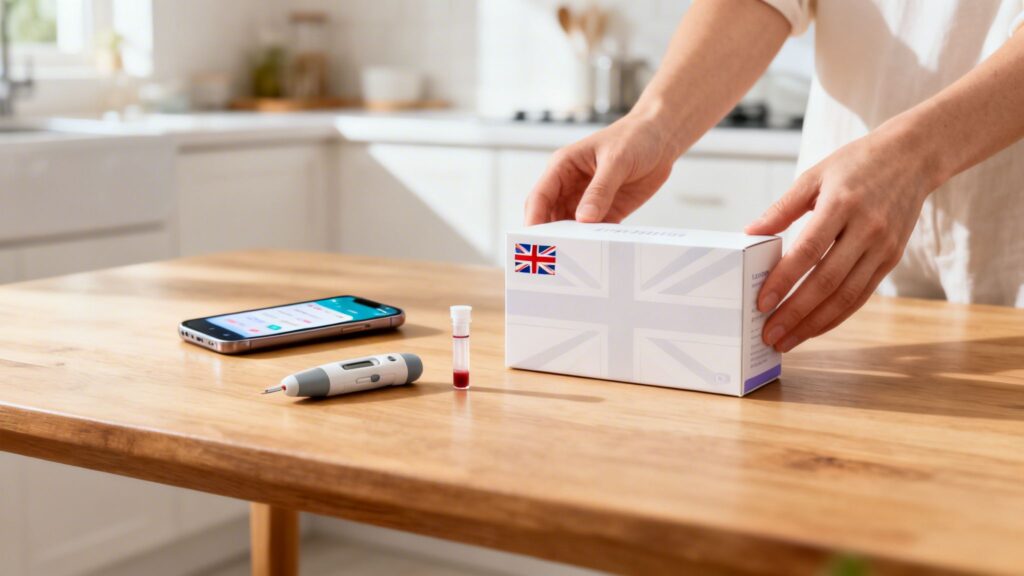
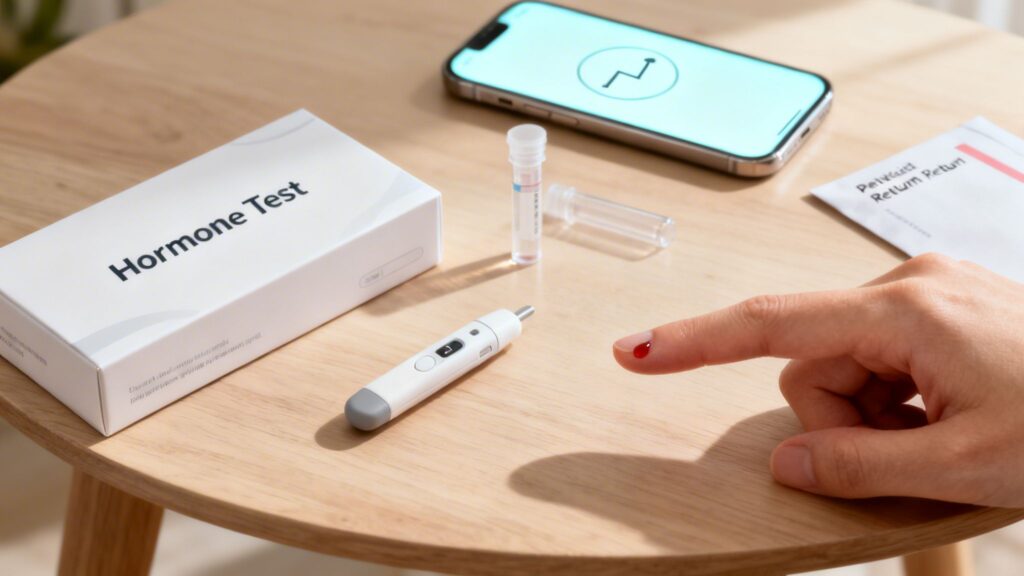
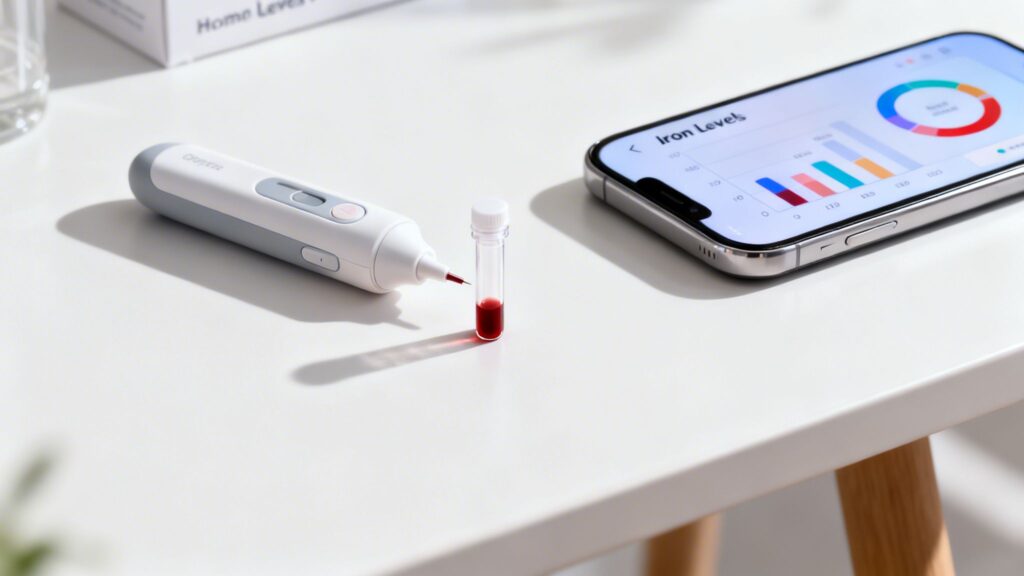
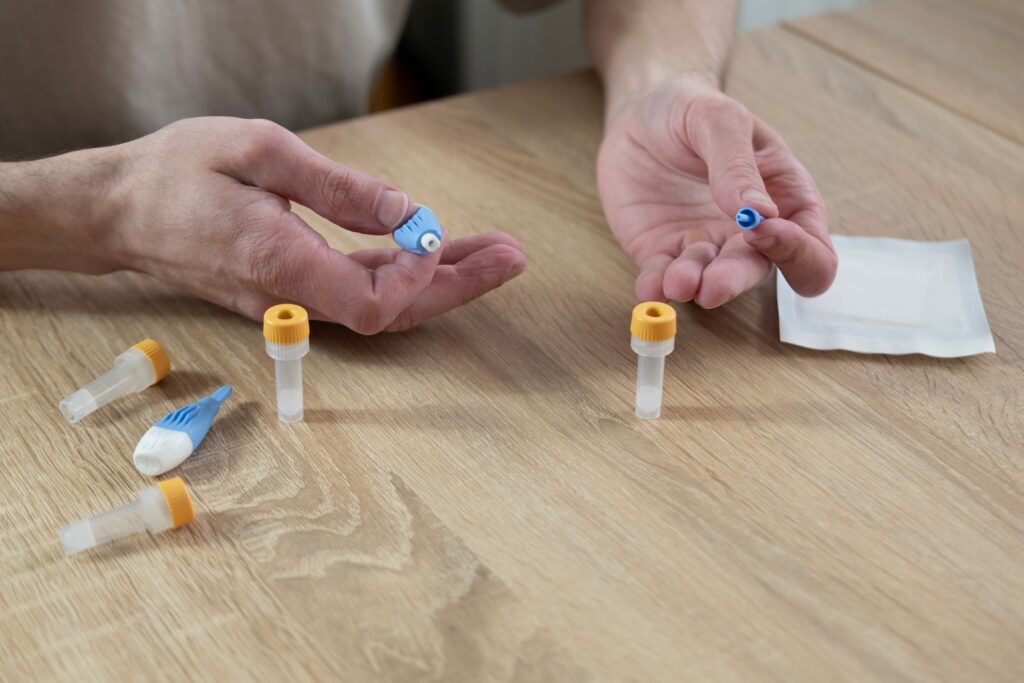
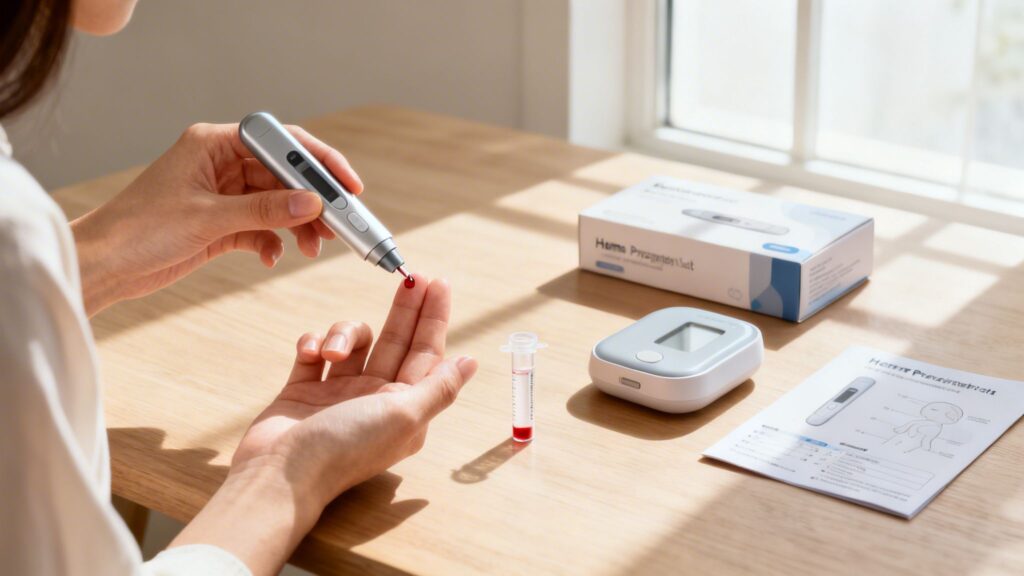
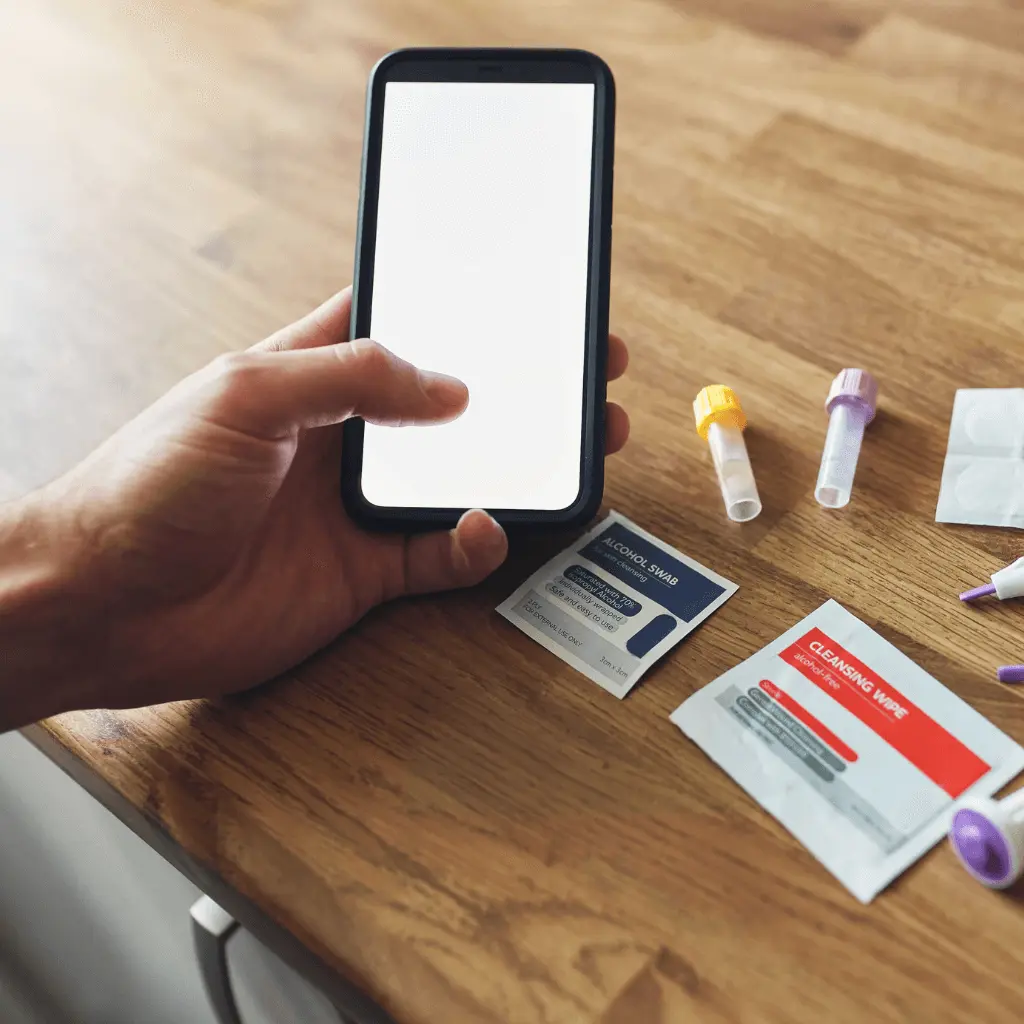
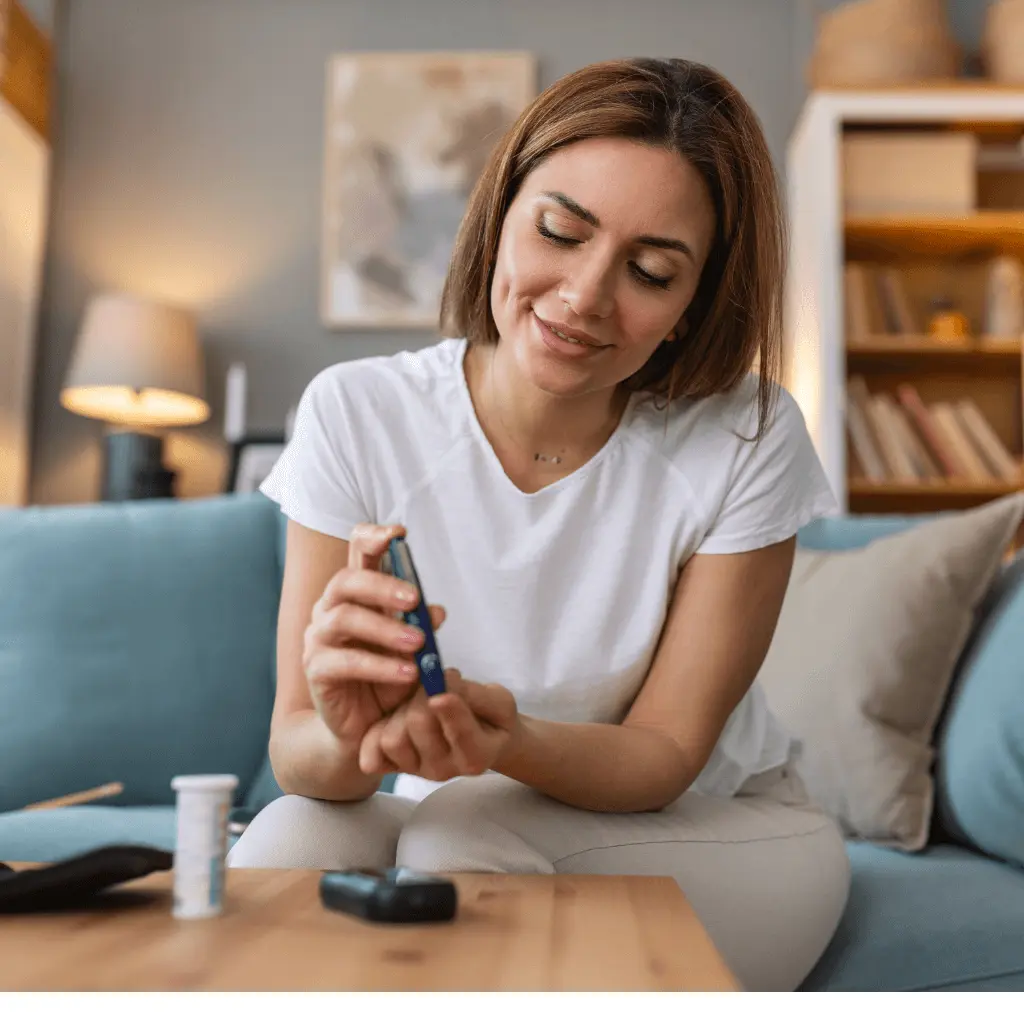
Collect Your Sample at Home: Your kit contains everything you need, including clear, step-by-step instructions. You’ll collect a small blood sample using a simple and quick finger-prick device. It’s designed to be minimally invasive and easy to do on your own.
Post Your Sample and Get Results: After collecting your sample, pop it into the secure, prepaid return mailer included in the kit. Drop it in any postbox, and it will go straight to our accredited UK laboratory for analysis.
You’ll get a notification in just a few working days telling you that your results are ready. You can then view your expert-reviewed report through our secure online dashboard.
Actionable Insight: Getting important health information during pregnancy should be straightforward and private. Our process is built around your convenience, giving you trusted answers without the stress of clinic visits.
Choosing a private, at-home NIPT offers some key advantages that make a real difference during pregnancy. It’s about more than just a test; it’s about making this journey feel more informed and manageable for you.
Putting advanced screening directly in your hands gives you the power to move forward with confidence. You can explore and order your private NIPT test from Repose Healthcare today and get the clear, reliable reassurance you deserve.
It's completely normal to have questions as you learn about NIPT and the Harmony test. This is a big step, and you want to be sure you have all the information. Let's walk through some of the most common queries we hear from expectant parents, giving you clear, straightforward answers.
No, but it is exceptionally accurate for a screening test. It's crucial to understand that NIPT is not a diagnostic test.
Practical Example: A 'low probability' result offers powerful reassurance (over 99% accuracy for Down's syndrome) that the baby is very unlikely to have the conditions screened for. However, it can’t completely rule them out in every single case, just as a weather forecast for "no rain" doesn't mean a surprise shower is impossible.
On the other hand, a 'high probability' result means there is a much greater chance of a condition being present. It’s a signal that further, definitive diagnostic tests like amniocentesis are needed to get a clear "yes" or "no" answer.
Yes, if you choose. The test can determine the baby's sex with over 99% accuracy by looking for X and Y sex chromosomes in the blood sample.
Actionable Insight: This is an entirely optional part of the test. When you order your private NIPT test from Repose Healthcare, you can simply select whether or not you’d like to find out the baby's sex. That information will only be shared if you've requested it, giving you full control over the process.
If you receive a high-probability result from a private NIPT, the first and most important step is to contact your NHS midwife or obstetrician straight away. They are your partners in care and will guide you on what to do next.
Actionable Insight: Your private NIPT report is a valuable piece of clinical information. Share it with your NHS care team immediately. They will arrange for you to speak with a professional genetic counsellor who can help you fully understand what the result means and talk you through the options for definitive diagnostic testing, supporting you every step of the way.
At Repose Healthcare, we believe in empowering you with clear, reliable health information from the comfort of your home. Take the next step with confidence by exploring our private at-home NIPT service today.