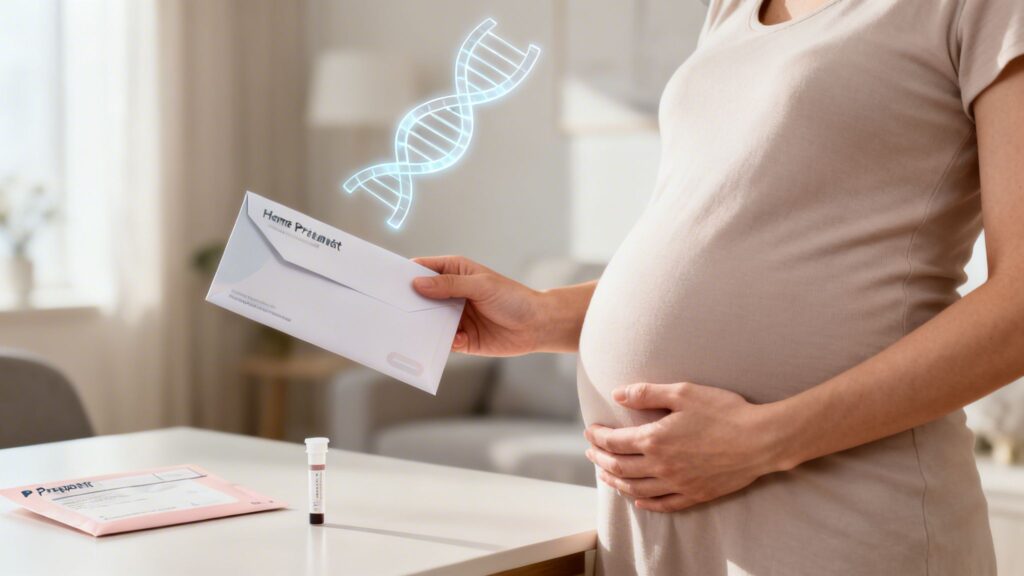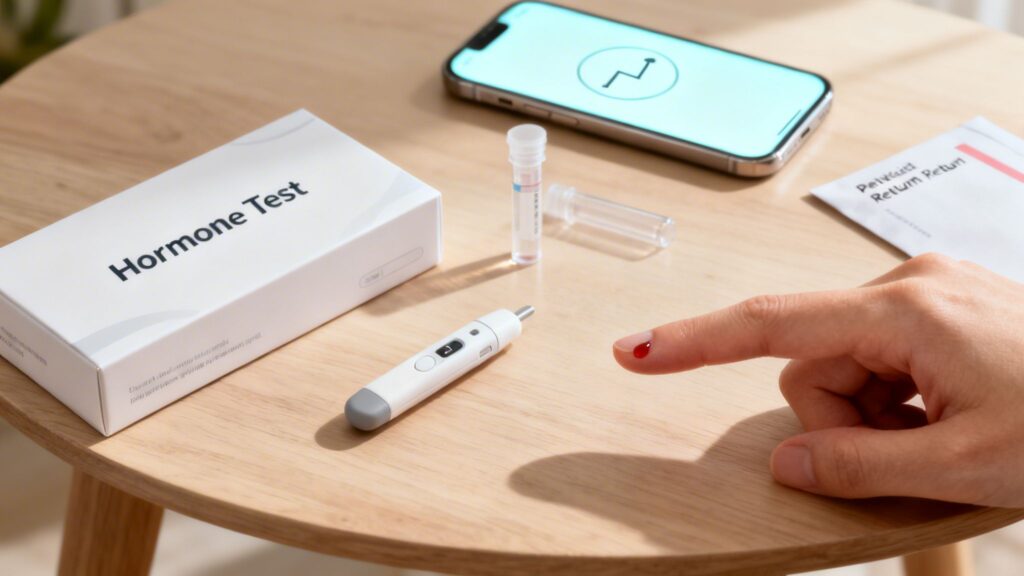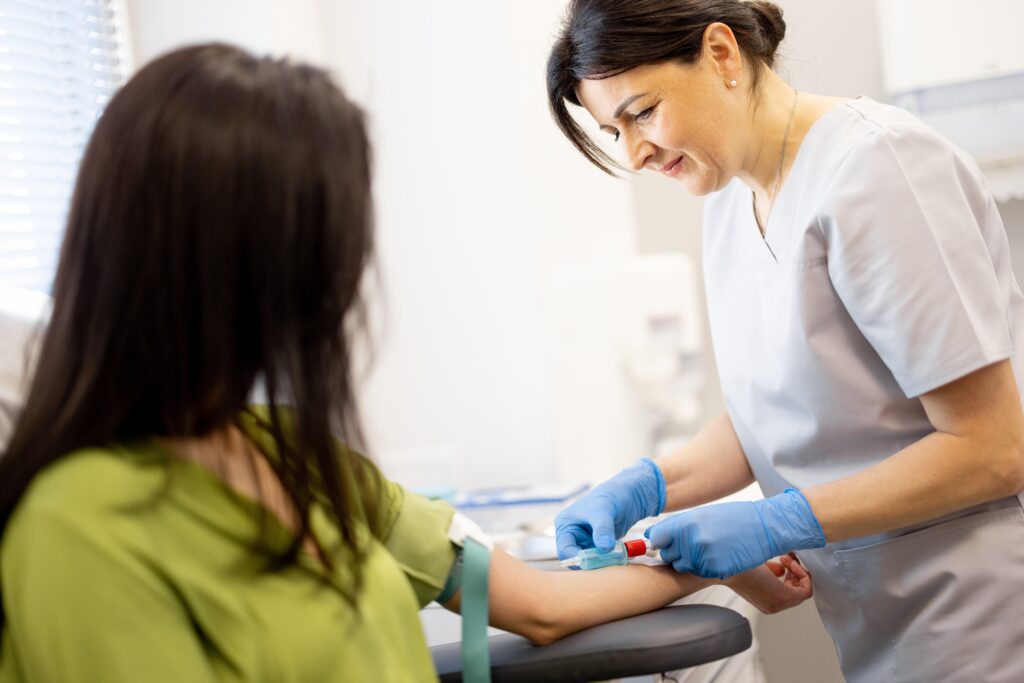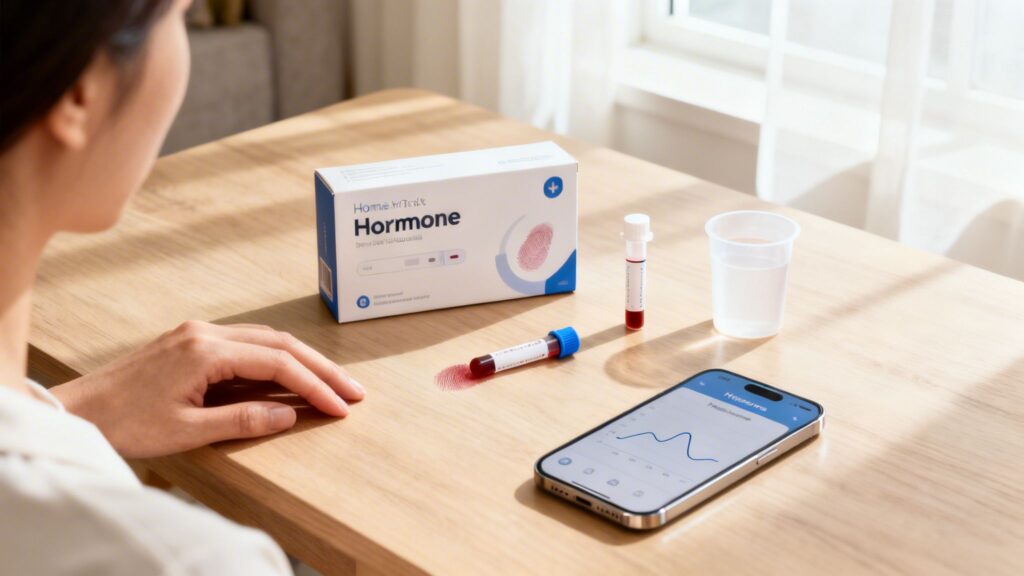
Expecting a baby is a time filled with excitement, anticipation, and of course, a lot of questions. One of the biggest questions for many parents-to-be is how to get early, reliable insights into their baby's health. The Harmony blood work offers a modern answer: it’s a highly accurate prenatal screening test that analyses tiny fragments of your baby's DNA, all from a simple blood sample taken from your arm.

The Harmony test is a leading brand of Non-Invasive Prenatal Test (NIPT), designed to give you peace of mind from as early as 10 weeks into your pregnancy. Unlike some traditional screening methods that can have higher false-positive rates, NIPT gives a much clearer picture of the likelihood of specific chromosomal conditions.
Think of it as a sophisticated genetic preview. During pregnancy, tiny pieces of your baby’s DNA (known as cell-free DNA or cfDNA) cross the placenta and start circulating in your bloodstream. The Harmony test simply isolates these DNA fragments from your blood and analyses them to screen for common chromosomal abnormalities with remarkable accuracy.
To give you a quick overview, here are the key features of the Harmony test.
| Feature | Description |
|---|---|
| Test Type | Non-Invasive Prenatal Test (NIPT) |
| What It Screens For | Trisomy 21 (Down's syndrome), Trisomy 18 (Edwards' syndrome), Trisomy 13 (Patau's syndrome), and optional sex chromosome conditions. |
| When It Can Be Done | From 10 weeks of pregnancy. |
| How It Works | A simple blood draw from the mother's arm. |
| Safety | Completely safe for both mother and baby. |
| Accuracy | Over 99% detection rate for Trisomy 21. |
| Optional Extra | Can determine the baby's sex. |
This table summarises why so many expectant parents find the Harmony test to be a reassuring and straightforward option.
The biggest advantage is getting valuable information without any risk to your pregnancy. It’s done with a standard blood draw, making it completely safe for you and your baby. This non-invasive approach is a major reason why many parents in the UK choose it over more invasive procedures, which carry a small but real risk of miscarriage.
Getting this insight early on helps you and your healthcare provider be better prepared. For most, a low-risk result brings immense reassurance, letting them enjoy the rest of their pregnancy with one less thing to worry about.
Here are the actionable benefits of choosing the Harmony test:
For many expectant parents, the Harmony test isn't just about data; it's about empowerment. It provides clear, actionable information early on, transforming uncertainty into confidence and allowing you to plan ahead with your healthcare team.
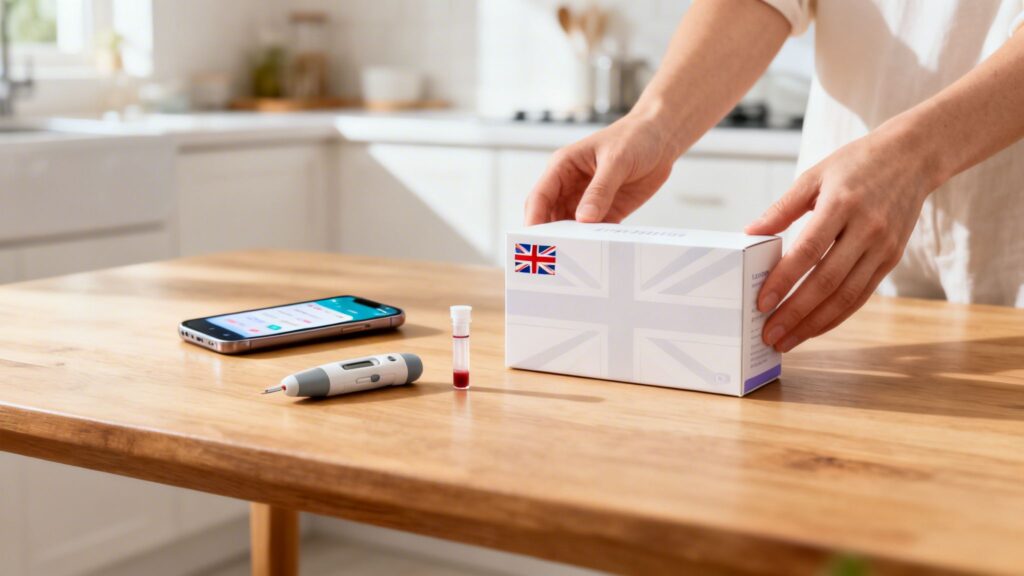
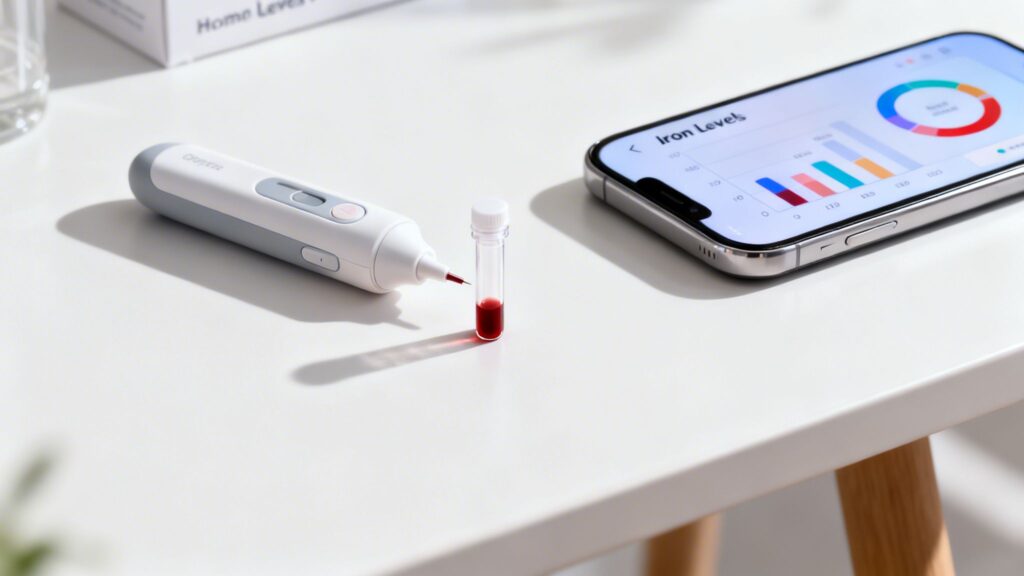
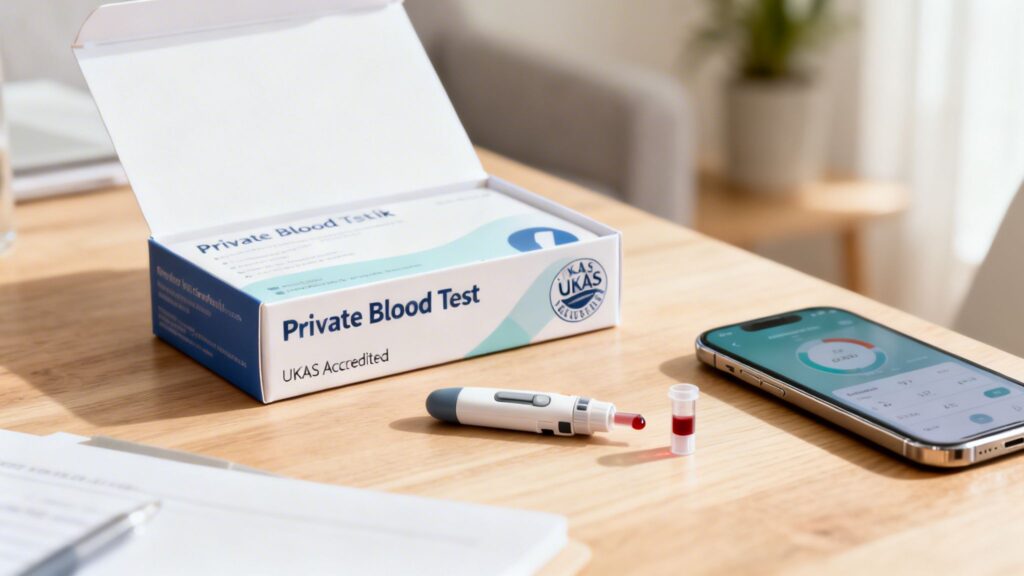
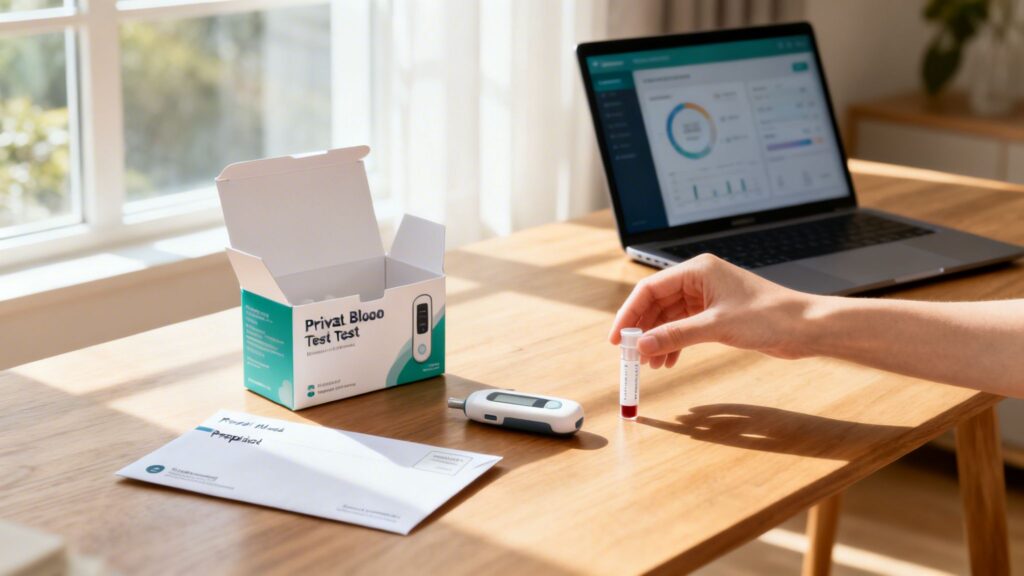
We believe this advanced screening should be accessible and convenient. That's why Repose Healthcare offers a simple, private way to get your Harmony blood work done from the comfort of your own home with our Non-Invasive Prenatal Test (NIPT). Our at-home kit comes with everything you need for a straightforward and stress-free experience.
The idea behind the Harmony blood test might seem futuristic, but it’s based on a remarkable biological process that happens in every pregnancy. It all comes down to something called cell-free DNA (cfDNA). Understanding this simple science is the first step to seeing why this screening is so reliable.
Think of your placenta as the life-support system for your growing baby. As part of its normal, healthy cycle, placental cells break down and release tiny bits of their genetic material into your bloodstream. These fragments carry your baby's unique DNA blueprint.
Practical Example: Imagine your bloodstream is a river. The tiny DNA fragments from the placenta are like 'messages in a bottle' floating alongside your own DNA, carrying vital information about your baby's genetic health. The Harmony test is designed to 'catch' these specific messages.
This happens naturally throughout your pregnancy. The test simply requires a blood sample drawn from your arm to analyse these fragments.
A common question is, "How does the test know which DNA is the baby's and which is mine?" This is where clever lab technology comes in.
The Harmony test uses a targeted method. Instead of analysing every piece of DNA, it zooms in on the specific chromosomes of interest—like chromosome 21 (linked to Down's syndrome), chromosome 18, and chromosome 13. By looking at millions of these DNA fragments, powerful software can do a very precise headcount.
It looks for a small but significant increase in fragments from those key chromosomes. For instance, if the test finds a higher-than-expected number of chromosome 21 fragments, it points to a higher chance of Trisomy 21. This clever counting method lets the lab distinguish the baby's DNA contribution from the mother's with incredible accuracy.
This process is what makes the Harmony test such a leap forward. To dive a bit deeper, you can learn more about how genetic testing works in our detailed guide.
For the test to be accurate, there needs to be enough of the baby's DNA in the blood sample. This is called the fetal fraction—the percentage of cfDNA in your bloodstream that comes from the placenta.
The Harmony test requires a fetal fraction of at least 4% to give a reliable result. This is usually met by the 10th week of pregnancy, which is why the test is offered from this point onwards.
In a small number of cases (around 3%), the fetal fraction might be too low. This isn't usually a cause for alarm and can happen if:
Actionable Insight: If you get a "no-call" result because of a low fetal fraction, you will almost always be offered a free re-draw a week or two later. By then, the fetal fraction has typically risen enough for a successful analysis.
You’ve decided a Harmony test is the right choice for you, which is a big step. The good news is, the process is incredibly straightforward, especially with private, at-home options like our Non-Invasive Prenatal Test (NIPT).
Let's walk through the journey, from the best time to take the test right through to getting your results.
The ideal window to have your Harmony blood test is from 10 weeks of pregnancy onwards. This timing is key to ensure there's enough of your baby’s DNA (fetal fraction) for an accurate reading.
Taking control of your prenatal screening is empowering. We’ve broken the process down into five clear, manageable steps.
Here’s what you can expect:
Decide If It’s Right for You: First, think about your personal situation. The Harmony test is a fantastic option if you’re looking for early, highly accurate screening with zero risk. To ensure you’re prepared, it's also worth looking at a guide that covers all the necessary steps, like this Ultimate Pregnancy Preparation Checklist.
Order Your At-Home Test: Gone are the days of needing to schedule multiple clinic visits. With Repose Healthcare, you can easily arrange for your test from the comfort of your own home. Just order the Non-Invasive Prenatal Test (NIPT) online, and we’ll coordinate a convenient time for a healthcare professional to visit.
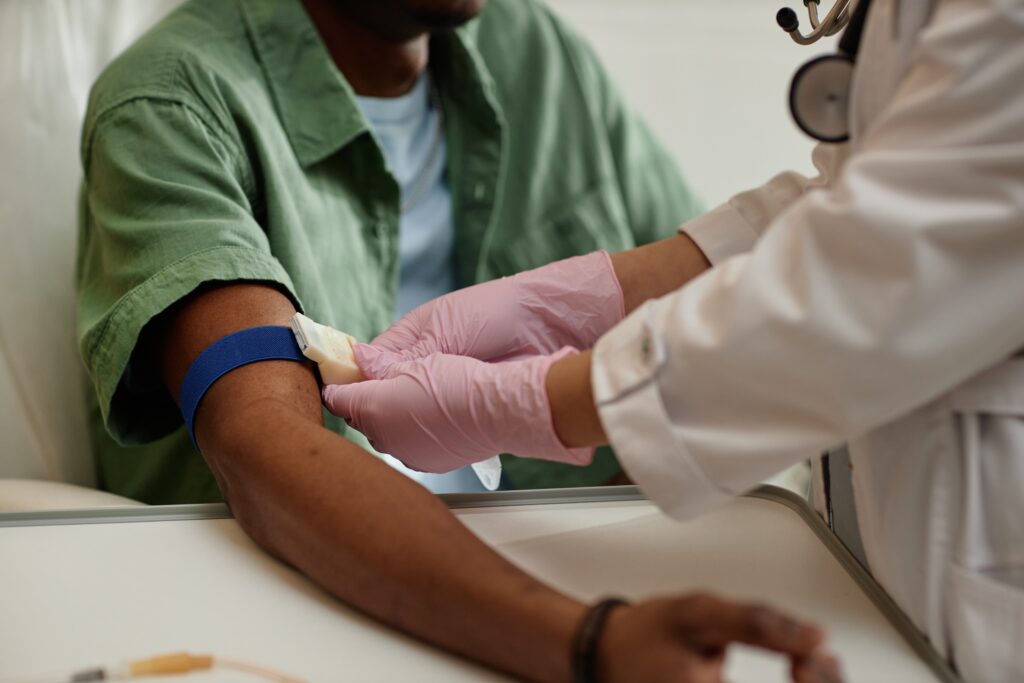
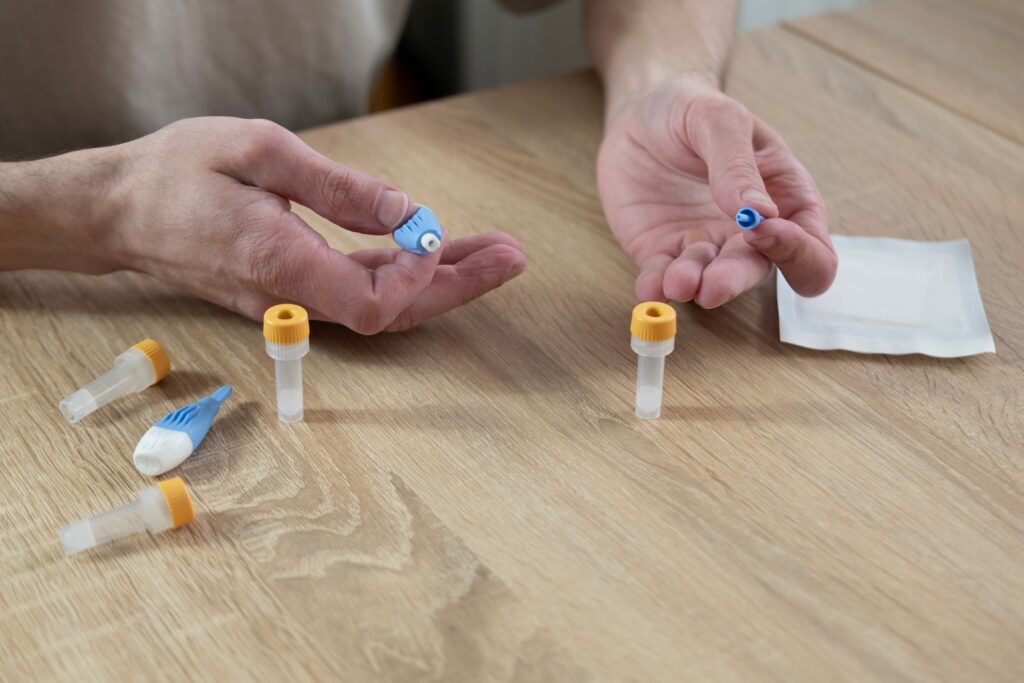
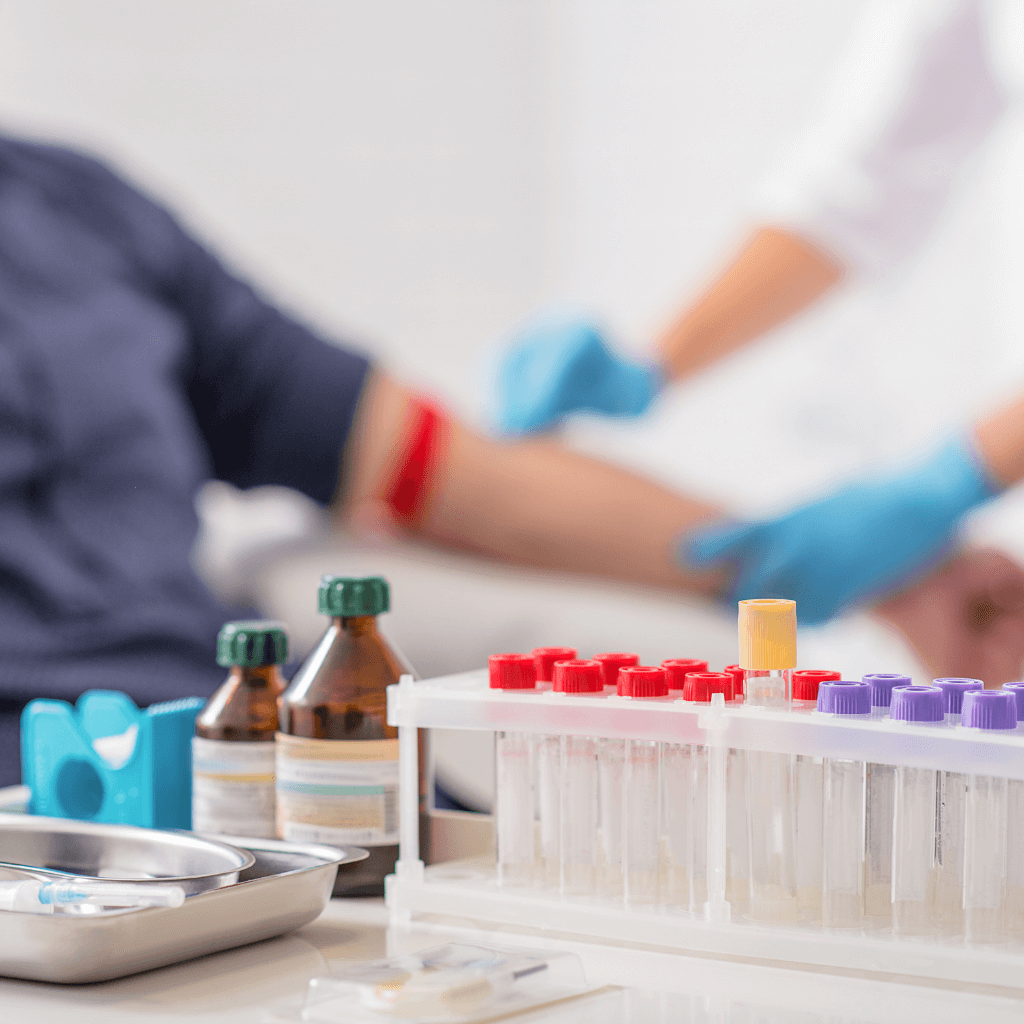
The Simple Blood Collection: A trained phlebotomist will come to your home for the blood draw. It’s a quick process, just like any other standard blood test.
Actionable Tip: To help make the blood draw go smoothly, drink plenty of water in the 24 hours before your appointment. Being well-hydrated makes your veins easier to find.
This diagram shows the simple journey your blood sample takes, from collection right through to lab analysis.

As you can see, it all starts with the natural release of DNA from the placenta into your bloodstream. Our lab then carefully analyses this to screen for specific conditions.
Once your blood sample has been collected, it’s carefully packaged and sent via a tracked service straight to our UK-accredited laboratory.
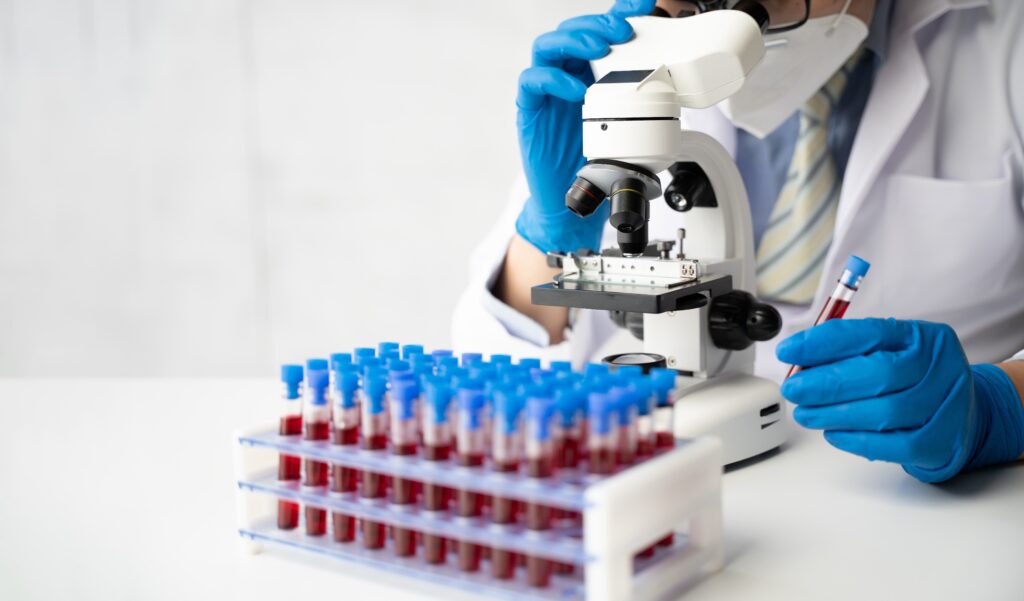
Processing in Our UK Labs: Your sample is processed with the highest standards of quality. The targeted analysis focuses on counting the chromosomes to screen for conditions like Down's syndrome with exceptional accuracy.
Accessing Your Results: Within 5-7 working days, your results will be ready. We’ll email you to let you know your report is available on our secure online dashboard, presented in a clear, easy-to-understand format.
We are committed to a transparent and supportive experience. If you're considering your options, you might be interested in our guide on the NIPT test cost and what it includes.
Waiting for the results of your harmony blood work can be a nerve-wracking time. When that notification finally arrives, you want to know exactly what it means, without deciphering complex medical jargon.

First, remember that the Harmony test is a screening test, not a diagnostic one. It doesn’t give a 'yes' or 'no' answer. Instead, it provides a highly accurate assessment of probability—the statistical chance of your baby having one of the specific chromosomal conditions.
Your Harmony test report will classify the findings as either low-risk or high-risk.
A low-risk result is wonderful news. It means the laboratory found no evidence to suggest a higher chance of the screened conditions. The vast majority of parents receive this result, offering powerful reassurance.
On the other hand, a high-risk result can feel daunting, but it's crucial not to panic. This result does not mean your baby has a condition. It simply signals an increased statistical probability, which warrants a conversation about what comes next.
Actionable Insight: A Harmony test is a sophisticated risk calculation tool. A high-risk result isn't a diagnosis; it's a prompt to speak with your healthcare provider about definitive diagnostic options like amniocentesis.
Your report will present the risk as a probability or ratio.
Low-Risk Example: A report might show a risk for Trisomy 21 (Down's syndrome) as <1 in 10,000. This means that for every 10,000 pregnancies with this exact result, less than one would be affected. This is considered a very low probability.
High-Risk Example: The report might state a risk of 1 in 100. This does not mean your baby has the condition. It means there is a 1% chance the condition is present, which is considered high enough to recommend discussing diagnostic testing.
To help clarify what each type of result means and the next steps, here is a simple table.
| Result Type | What It Means | Recommended Action |
|---|---|---|
| Low-Risk | The probability of the screened conditions is very low. | No further chromosomal testing is usually needed. Provides strong reassurance. |
| High-Risk | There's an increased probability of a specific chromosomal condition. This is not a diagnosis. | Discuss diagnostic testing (like amniocentesis or CVS) with your midwife or specialist. |
| No-Call / Test Failure | The lab couldn't get a clear result from the sample, often due to a low fetal fraction. | A repeat blood test (re-draw) is usually offered a week or two later at no extra cost. |
This table helps you quickly understand where your result fits. Remember, our team is always here to talk you through your report.
In a small number of cases (around 3%), you might receive a "no-call" result. This isn't a bad result; it just means the lab couldn't perform the analysis successfully.
The most common reason is a low fetal fraction, meaning the amount of the baby's DNA was below the 4% threshold.
If this happens, there's no need for alarm. At Repose Healthcare, we'll inform you and, in most cases, arrange a complimentary re-draw one to two weeks later. By that time, the fetal fraction has usually increased enough for a successful analysis.
The time it takes to get results is often a source of anxiety. For a better idea of what to expect, you might find our guide on how long you can expect to wait for pregnancy blood test results helpful.
Ultimately, a high-risk result from your harmony blood work simply opens the door to a conversation about diagnostic tests like amniocentesis or Chorionic Villus Sampling (CVS). Your midwife or a fetal medicine specialist will walk you through all the options, helping you make a fully informed choice.
When you’re considering prenatal screening, the big question is always about accuracy. The great news is that the Harmony blood work has exceptionally high accuracy rates.
For Trisomy 21 (Down's syndrome), the test has a detection rate of over 99%. That means it correctly flags more than 99 out of every 100 pregnancies affected by the condition. Its performance for Trisomy 18 (Edwards' syndrome) and Trisomy 13 (Patau's syndrome) is also impressive, at over 97% and 94% respectively.
To really get a feel for the accuracy, it helps to know about two key ideas:
Practical Example: The low false-positive rate is a huge advantage. For every 1,000 people who take the test, fewer than one will get a high-risk result unnecessarily. This means far fewer parents go through the stress of a high-risk result and the need for invasive follow-up tests.
Many expectant parents are first offered the combined test as part of their standard maternity care. It’s useful to see how it stacks up against an NIPT like Harmony.
| Feature | NHS Combined Test | Harmony NIPT |
|---|---|---|
| Method | Ultrasound scan + blood test (hormone levels) | Simple blood test (analyses fetal cfDNA) |
| Detection Rate (Trisomy 21) | Around 85% | Over 99% |
| False Positive Rate | Around 5% | Less than 0.1% |
| When It's Done | Between 11 and 14 weeks | From 10 weeks |
This comparison makes the benefits of the Harmony test clear. With a higher detection rate and a much lower false positive rate, it gives a clearer picture, reducing uncertainty and the number of parents who need to consider invasive follow-up tests.
While the Harmony test is incredibly accurate, a few things can sometimes affect the outcome:
Low Fetal Fraction: If the baby's DNA is less than 4% of the free-floating DNA in your blood, the lab might issue a "no-call" result. Actionable Insight: If this happens, don't worry. A re-draw is typically offered for free a week or two later, which is usually successful.
Twin Pregnancies: The Harmony test works for twin pregnancies and can reliably detect Trisomy 21. However, it may not be able to identify which specific twin is affected.
Placental Mosaicism: This is a very rare situation where the genetic makeup of the placenta is different from the baby's. Because the test analyses placental DNA, this can sometimes lead to a false positive result.
Ultimately, choosing a prenatal test is a personal decision. The Harmony test offers one of the most accurate, non-invasive ways to get early insights. Our Non-Invasive Prenatal Test (NIPT) provides a convenient at-home option to bring you confidence during your pregnancy journey.
As you move through your pregnancy, it’s natural to have questions about screening options. To help you feel confident, we’ve answered the practical questions we hear most often.
The price of a private Harmony test in the UK can differ. It’s important to check what’s included to avoid hidden extras.
At Repose Healthcare, we focus on all-inclusive pricing. Our fee for the Non-Invasive Prenatal Test (NIPT) covers the entire service:
You can find the latest cost and order your test on our product page. This means no surprises—just a simple, straightforward service.
Yes, the Harmony test can tell you your baby's sex with very high accuracy. It does this by checking for the presence of a Y chromosome in the blood sample.
Practical Example: If a Y chromosome is found, you're expecting a boy. If it isn't, you're expecting a girl. This part of the test is completely optional. You can choose whether or not you'd like to receive this information when you book your test.
You might see other NIPT brands like Panorama or IONA. While they all screen for chromosomal conditions using cfDNA, they use slightly different lab technologies.
The Harmony test uses a 'targeted analysis' method, focusing directly on chromosomes 21, 18, and 13.
The Harmony test is one of the most widely researched NIPTs. It’s known for its high accuracy for Trisomy 21 (Down's syndrome) and has one of the lowest test failure rates in the industry, at around 3%. This strong track record is why so many parents trust it.
A high-chance result is not a diagnosis. It indicates a higher statistical probability that a condition may be present, and that further tests are needed for a definite answer.
Actionable Insight: If you get a high-chance result with Repose Healthcare, we don't just send a report. Our service includes follow-up support. We recommend you book an appointment with your NHS midwife or a fetal medicine specialist to discuss diagnostic tests like Chorionic Villus Sampling (CVS) or amniocentesis.
NIPT is slowly being introduced into the NHS, but it's usually only offered if the first-line combined screening comes back with a high-chance result (typically >1 in 150).
This is why many parents choose to take the Harmony test privately with a provider like Repose Healthcare. Their reasons often include:
This demand for convenient diagnostics is a major force in the UK's blood testing market, which was valued at USD 1,645.6 million in 2026 and is projected to hit USD 3,944.9 million by 2035. This shows a clear shift towards more accessible health solutions.
This move towards streamlined, automated testing is exactly where our service fits in—delivering at-home testing processed in accredited UK labs, with results in days on a secure online platform.
At Repose Healthcare, we're committed to making advanced health screening accessible, understandable, and stress-free. If you're ready to take the next step in your prenatal journey with confidence, you can learn more about our services and order your test at https://reposehealthcare.co.uk.