Knowing your ferritin level is a crucial first step in understanding your body's iron stores, which are fundamental for energy and overall health. In the UK, a normal ferritin level is generally considered to be 24–340 µg/L for adult men and 11–310 µg/L for adult women. But these numbers are just the start of the story, and what's optimal for you might be different.
Think of ferritin as your body's iron "power bank." It's a protein that safely stores iron and releases it when your body needs it to make healthy red blood cells, transport oxygen, or produce energy. A ferritin test doesn't measure the free-floating iron in your bloodstream; it measures how much you have saved up in reserve. This makes it one of the most reliable ways to assess your long-term iron status.
While having a level within the "normal" range is a good start, it’s important to know what these ranges actually represent. They are guidelines used by UK laboratories and the NHS to help clinicians interpret blood test results. However, different labs may use slightly different reference ranges, so always pay close attention to the specific range provided with your own results.
In the UK, the standard unit for measuring ferritin is micrograms per litre (µg/L). The ranges are different for men and women, largely due to biological factors like menstruation, which can lower a woman's iron stores over time.
This infographic provides a clear, at-a-glance comparison of the typical ferritin reference ranges for adults in the UK.

As you can see, men tend to have a higher baseline for iron stores, whereas the wider range for women reflects the natural fluctuations they often experience.
Below is a simple table outlining the typical ferritin reference ranges you’ll see from UK labs.
| Group | Typical Normal Range (µg/L) | What This Means for You |
|---|---|---|
| Adult Men | 24–340 | A result within this range suggests you have adequate iron stores for your body's needs. Levels below 24 µg/L may indicate iron deficiency. |
| Adult Women | 11–310 | This wider range accounts for iron loss from menstruation. Levels below 11 µg/L are a strong indicator of iron deficiency. |
It's important to remember that these are just general guides. Iron deficiency is a common issue, affecting an estimated 8-10% of the UK population, according to 2020 data from Public Health England.
It’s crucial to realise that "normal" doesn't always mean "optimal." Many functional health practitioners argue that for true wellness—feeling energetic, focused, and strong—ferritin levels should ideally be above 50 µg/L.
For example, a result at the low end of the normal range, like 15 µg/L for a woman, might not be flagged as clinically deficient by a GP. However, it could absolutely be the reason behind persistent fatigue, brain fog, or hair thinning. Aiming for an optimal level, not just a normal one, is a proactive step towards better daily performance and long-term health.
Your ferritin level is more than just a number; it’s a direct reflection of your body's ability to produce energy. Aiming for an optimal level is an actionable step towards feeling your best.
Getting a clear picture of what constitutes healthy iron stores and how they are measured can help you make sense of your own health data. For a deeper dive, you can explore guides on Normal Ferritin Levels UK to better contextualise your results.
Ultimately, monitoring your levels gives you the power to make informed decisions before your "iron power bank" runs critically low. The most practical way to get this information is with a simple finger-prick test you can do at home.
Feeling tired all the time can feel like a non-negotiable part of modern life. But what if that persistent exhaustion isn't just from a busy schedule? It could be a key sign that your body’s iron stores—your ferritin levels—are running low.

When we talk about low ferritin, we’re talking about having low iron reserves. It’s like running a car with the fuel light flashing; the engine is still going, but you're at risk of grinding to a halt. This is an important distinction from having full-blown iron deficiency anaemia.
Low ferritin is the precursor. It's the stage where your stored iron is depleted, but your body might still have enough circulating iron to make a normal amount of haemoglobin (the protein in red blood cells). If left unaddressed, this state of low iron stores can progress to iron deficiency anaemia, a more serious condition where you lack enough healthy red blood cells to carry adequate oxygen to your body's tissues.
The signs of low ferritin can be subtle and often creep up slowly, making them easy to dismiss. You might not feel unwell, but you certainly don't feel your best. Recognising these symptoms is the first step towards identifying a potential issue.
The most common signs include:
Other symptoms, like shortness of breath during light exercise, headaches, dizziness, or even restless leg syndrome, can also point towards depleted iron stores.
Several factors can cause ferritin levels to fall, particularly for people in the UK. Understanding the root cause is crucial for finding the right solution.
Many people with low ferritin don't realise their symptoms are linked to iron stores. They often assume it's just stress or a lack of sleep. A simple test can provide the clarity needed to connect the dots and take meaningful action.
Common causes include:
If you're experiencing any of these symptoms, getting clarity is key. Instead of waiting for a GP appointment, you can take a proactive step. Our Ferritin Blood Test is a simple, private way to check your iron stores and understand if low ferritin could be behind how you're feeling. This empowers you to take control and have a more informed conversation with your doctor. If you suspect your symptoms might be part of a bigger picture, you might also be interested in our guide on at-home tests for anaemia.
Getting a blood test result showing high ferritin can be worrying, but it’s crucial to understand that it doesn't automatically point to too much iron. While low ferritin almost always means your iron stores are running on empty, a high result is a more complex signal that needs a closer look.
Think of ferritin as more than just an iron storage unit; it's also an acute-phase reactant. This means its levels can shoot up in response to inflammation or cell damage anywhere in your body, acting like a temporary warning flag. This is a normal part of your immune system’s defence mechanism.
A temporary spike in ferritin is often completely unrelated to your long-term iron status. Your body might just be reacting to a number of common situations, which is why context is so important when looking at your results.
Possible inflammatory triggers for high ferritin include:
This inflammatory response can make interpreting your ferritin normal levels UK results tricky. For instance, someone could have functionally low iron stores but still show a "normal" or even high ferritin reading if they are also experiencing inflammation. This is why a single ferritin test is just one piece of the puzzle.
While inflammation is a frequent cause, consistently high ferritin can also indicate a genuine problem with iron overload, known as hyperferritinaemia. This is where your body holds onto too much iron, which can become toxic to your organs over time if it isn't managed.
In the UK, the most common cause of this kind of iron overload is an inherited condition called hereditary haemochromatosis. It’s a genetic disorder that causes your body to absorb too much iron from your diet.
Hereditary haemochromatosis is surprisingly common, affecting approximately one in every 200 people of Caucasian descent in the UK. Many people with the condition have no idea they have it until symptoms appear or it's flagged on a routine blood test.
Because of this, if your ferritin levels come back high without an obvious inflammatory cause, your GP will likely want to investigate further. This is a critical insight you can gain from testing.
If a test shows high ferritin, the next logical step for a GP is to order a transferrin saturation test. This additional test gives a much clearer picture of what’s really going on with your iron.
While ferritin shows your stored iron, transferrin saturation measures the amount of iron that is actively circulating in your blood, ready for your body to use. A high ferritin level combined with high transferrin saturation strongly suggests true iron overload, prompting further investigation for conditions like haemochromatosis. On the other hand, high ferritin with normal or low transferrin saturation usually points towards inflammation as the cause.
Data from NHS trusts in Manchester and Sussex show that while hyperferritinaemia (ferritin >400 µg/L in males, >200 µg/L in females) triggers a transferrin saturation test, a significant portion of cases—between 6.3% and 32.6%—are linked to inflammation. You can find out more by reviewing the guidelines on high ferritin investigations.
Understanding these nuances shows just how important it is to discuss your results with a healthcare professional. For a more complete view of your health, consider one of Repose Healthcare's broader wellness panels, which can assess inflammatory markers alongside your iron status, providing a fuller context for you and your doctor.
There’s no single ‘normal’ ferritin number that fits everyone. Think of it less as a fixed point and more as a range that naturally shifts throughout your life. Your age, sex, and major life events all change your body's demand for iron, and the ferritin normal levels UK guidelines reflect this. Knowing what’s normal for you, at your specific stage of life, is the key to understanding your own results.
Your body’s iron needs are always in flux. They rise and fall with everything from childhood growth spurts to the hormonal shifts of menopause. Let’s break down how these different life stages affect what a healthy ferritin level looks like.
The clearest difference in ferritin ranges is between adult men and women. As we've seen, men tend to have higher iron stores, with a normal range often starting around 24-30 µg/L. This is simply because men don’t lose iron through a monthly cycle.
For pre-menopausal women, it's a completely different picture. The regular blood loss from menstruation means there's a constant need to top up iron stores. It’s why the lower end of the normal range for women can be as low as 11-15 µg/L. Even an average menstrual cycle results in a daily iron loss of around 0.45mg, making it much tougher to keep ferritin at an optimal level over the years.
Pregnancy is one of the most demanding times for a woman’s iron stores. The body’s need for iron skyrockets for a few crucial reasons:
Because of this intense demand, ferritin is watched closely during pregnancy. A practical, actionable step is to check your iron status before you even conceive. Our Female Fertility Test includes a ferritin check to give you a clear baseline, helping you prepare your body for a healthy pregnancy.
Iron needs also change significantly at the very beginning and later on in life.
Throughout childhood and the teenage years, rapid growth spurts create a high demand for iron to build new muscle and support an expanding blood volume. For example, a teenager experiencing rapid growth might suddenly feel fatigued, which could be linked to their iron stores being used up faster than they are being replaced. Children have their own specific reference ranges, with deficiency often defined as <12 µg/L for children under 5 and <15 µg/L for those aged 5 and over.
Later, when a woman enters menopause and her periods stop, so does the chronic monthly iron loss. Her ferritin levels will naturally start to climb, and her normal range will look more like a man’s. It's still important to keep an eye on them, though. A useful insight is that some clinicians suggest a ferritin level below 50 µg/L should be treated in post-menopausal women, with the aim of getting stores comfortably above this mark. You can get a sense of how different NHS trusts view these levels by looking at the pathology testing guidelines from South Tees Hospitals.
Understanding your ferritin level in the context of your life stage is crucial. A result of 40 µg/L might be perfectly adequate for a young, menstruating woman, but it could be a sign of declining stores in a post-menopausal woman or an adult man.
This personalised view is what proactive health management is all about. Whether you're tracking your wellness over the long term or getting ready for a new chapter in life, checking your ferritin with Repose Healthcare gives you the specific insights needed to stay in control of your health.
If you're battling symptoms that suggest low or high iron and want to check your ferritin levels, you have a couple of main paths. The traditional route is through your GP, but this can sometimes mean long waits for an appointment and you might need to meet specific symptom criteria before a test is even ordered.
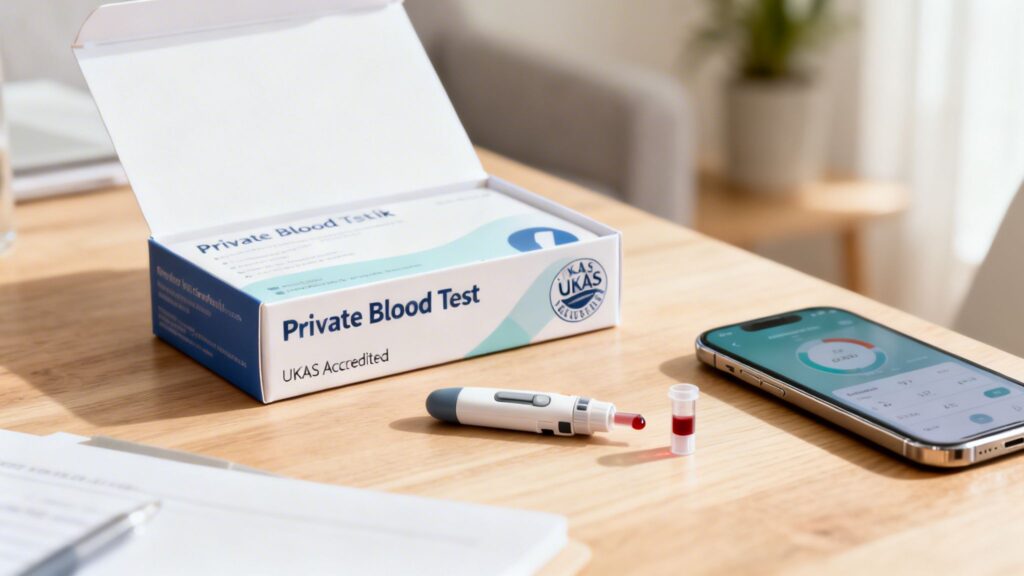
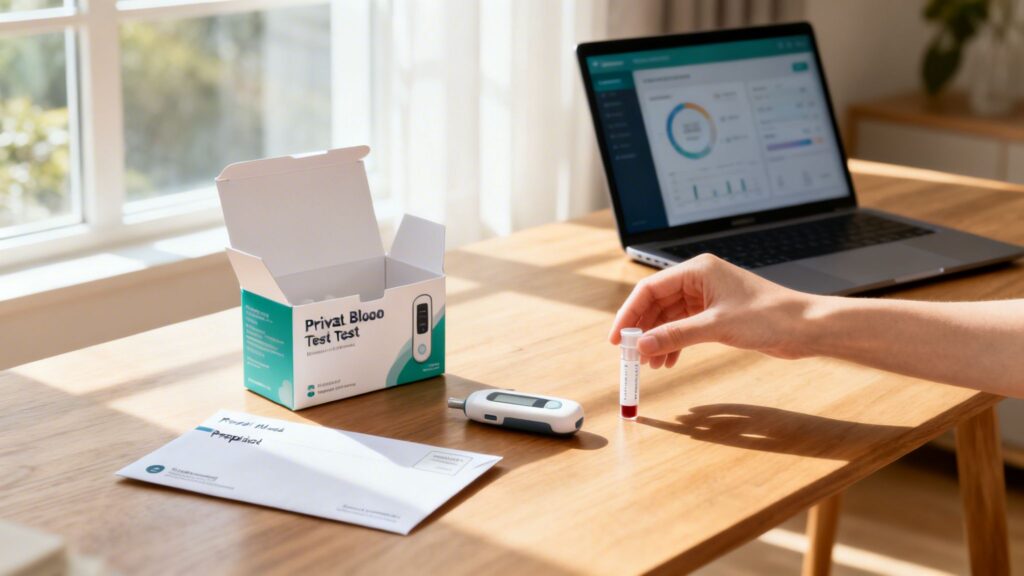
A more direct and private alternative is now available, putting you firmly in control of your health timeline. At-home testing offers a fast, simple way to check on your iron stores without ever leaving the house. It gives you the information you need to either put your mind at ease or to have a much more focused conversation with your doctor.

Deciding how to get your ferritin checked often boils down to convenience, speed, and privacy. While your GP is an essential partner in your healthcare, at-home testing provides a modern, actionable solution for anyone who wants to take a proactive approach to their health.
Let’s compare the two approaches:
| Feature | Traditional GP Visit | Repose Healthcare At-Home Test |
|---|---|---|
| Appointment Needed | Yes, often with a waiting period. | No, order online whenever you're ready. |
| Testing Criteria | You may need clear, persistent symptoms to be eligible for a test. | No criteria needed; test whenever you feel it's necessary. |
| Speed | Can take weeks from booking an appointment to getting results. | Results are typically ready 1–3 working days after our lab receives your sample. |
| Convenience | Requires travel to a clinic and potentially a separate blood draw appointment. | The kit is delivered to your door for you to collect the sample in minutes at home. |
| Privacy | Discussions take place in a clinical setting. | Completely private, with results sent to your secure online dashboard. |
The at-home option is really designed for people who want answers quickly, are tracking their levels over time, or simply prefer a more discreet way to manage their health information.
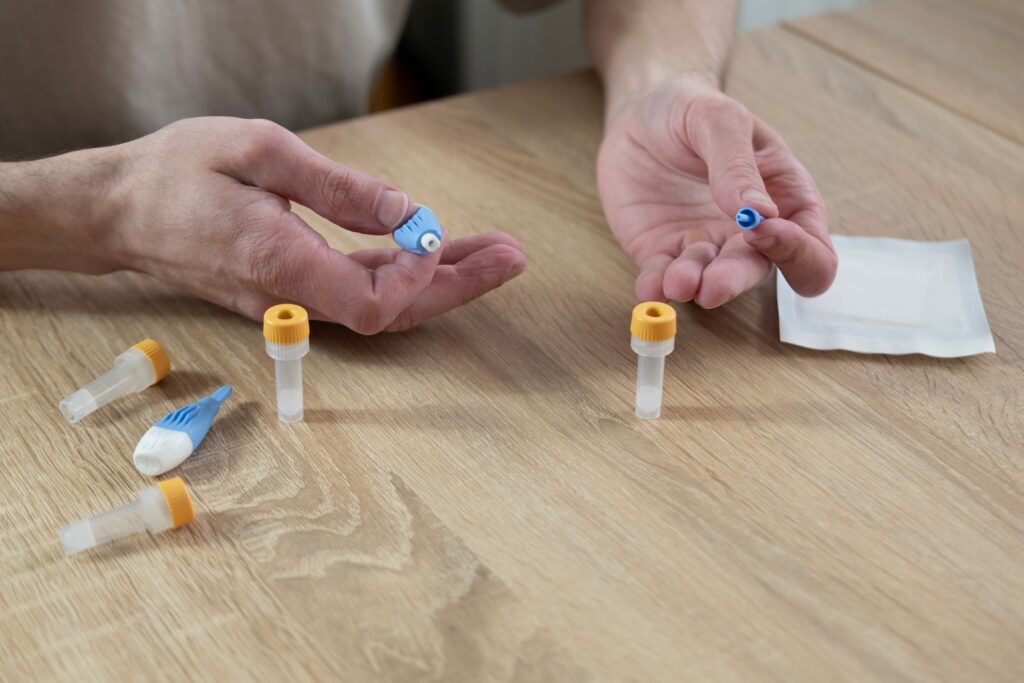
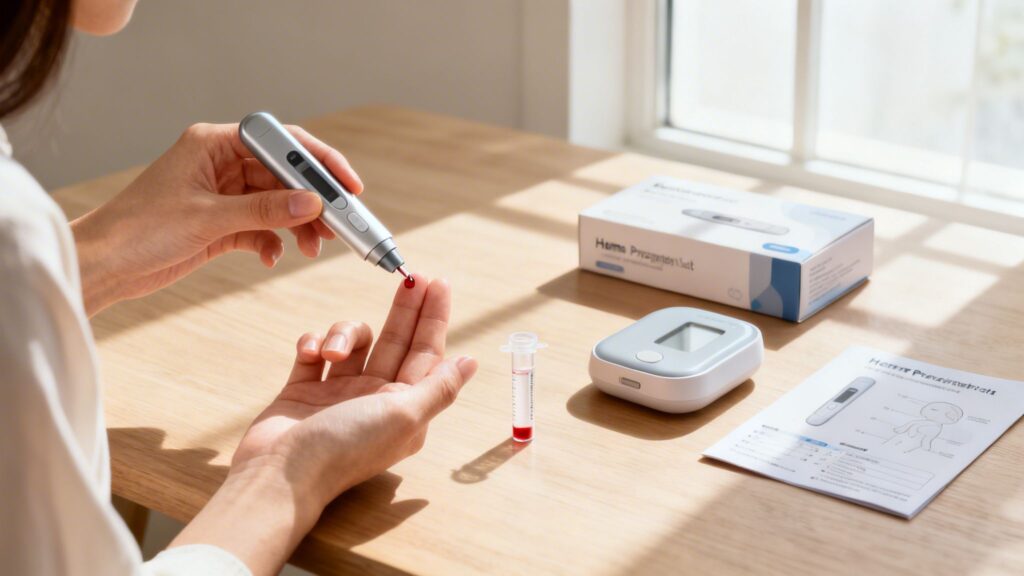
We’ve made our testing process as straightforward as possible. You don't need any medical background to collect your sample; just follow the simple, clear instructions included in your kit.
Here’s a practical, step-by-step guide:
Taking control of your health data is incredibly empowering. It transforms you from a passive patient into an active participant in your own wellness journey, armed with the knowledge to make informed decisions.
This process removes the hurdles that often stop people from getting the insights they need. If you're ready to check your iron stores, you can learn more about our specific Ferritin Blood Test and get started today. It’s the easiest way to find out where your ferritin normal levels UK truly stand.
So, you've got your ferritin test results. A number on a page is one thing, but knowing what to do with it is what really matters. Whether your result is low, high, or somewhere in the middle, this is the moment you can turn that information into confident, decisive action for your health.
Understanding your result is the first step. At Repose Healthcare, we believe in supporting you beyond the test itself, giving you the tools you need to act on your results and have a really productive conversation with your GP.
A low ferritin result is a clear sign that your body’s iron reserves are running on empty. It’s a very common issue, but one that’s important to tackle before it leads to more persistent symptoms. The main goal here is to build your iron stores back up, safely and effectively.
A great place to start is with your diet. Here are practical examples of how to boost your iron intake:
While dietary changes are a fantastic first step, they might not be enough on their own if your levels are significantly low. Crucially, do not start taking iron supplements without medical advice. It's essential to speak with your GP or a pharmacist first. They can recommend the right type and dose to suit your needs, helping you avoid side effects and making sure it's the correct approach for you.
A high ferritin result needs a different strategy and should always be followed up with a doctor. As we've covered, high ferritin can be a flag for inflammation, infection, or underlying conditions like hereditary haemochromatosis.
Your immediate, actionable next step should be to book an appointment with your GP. They'll look at your result in the wider context of your health, lifestyle, and any symptoms you might have. They may also suggest further tests, like a transferrin saturation test, to build a more complete picture of what's going on with your iron.
Don’t panic if you see a high number. Your result is a crucial piece of information that helps your doctor investigate the root cause. Treat it as the starting point for a valuable health conversation.
Getting a result in the normal range is great news! It suggests your iron stores are currently in a good place. You can use this result as a valuable health baseline – a snapshot of where you are right now that can be used for future comparisons. An actionable insight here is to schedule a follow-up test in 6-12 months to monitor your levels and catch any downward trends early.
If you've been feeling tired, a normal ferritin result is still useful. It allows you and your doctor to explore other potential causes of your symptoms with more confidence. For a deeper dive into what all the numbers on your report mean, you can learn more by reading our guide to explaining blood iron test results.
Whether your result is high, low, or normal, a good chat with your GP is key to making sense of it all. Here are a few smart questions to have ready:
We get a lot of questions about ferritin, so let's tackle some of the most common ones we hear. This should help clear up any final uncertainties and help you decide on your next steps with confidence.
Not always, but it’s definitely a signal worth paying attention to. For example, if your ferritin is 15 µg/L and the normal range starts at 11 µg/L, you are technically 'normal'. However, if you’re also dealing with symptoms like constant tiredness or hair thinning, this level is a strong hint that your iron stores are running low.
Think of it like the fuel light on your car's dashboard starting to flicker. You’re not running on empty just yet, but it’s a clear prompt to refuel. Catching a downward trend early gives you the chance to act before it turns into a full-blown deficiency.
Yes, absolutely. This is a classic situation where looking at the bigger health picture is vital. For example, if you have a condition like rheumatoid arthritis or even just a bad cold, your ferritin levels can be misleadingly high.
This is because ferritin is something called an 'acute-phase reactant', which means its levels rise in response to inflammation. This can effectively mask a true iron deficiency. This is a key insight: you can't rely on a single ferritin number if inflammation is present. It’s crucial to discuss all your symptoms with a doctor, as they may need to check other iron markers, like transferrin saturation, to get an accurate diagnosis.
This really depends on the root cause and just how low your levels were to begin with. If your GP has recommended supplements or you’ve made consistent dietary changes, you can often start to see an improvement in your levels within a few months.
However, fully replenishing your body’s iron stores is more of a long-term project. It typically takes anywhere from 3 to 6 months. An actionable step is to re-test with our Ferritin Blood Test after your treatment period to confirm your levels are back in a healthy, optimal range and ensure the changes you made were effective.
Ready to get clear answers about your iron stores? At Repose Healthcare, we provide simple, private, and fast at-home testing to give you the insights you need. Order your test today and start taking control of your health. https://reposehealthcare.co.uk