Have you had your male hormone blood test results, but don’t know how to interpret them? Perhaps you are thinking about getting your hormones tested and want the male hormone blood test results explained, particularly when it comes to what “normal”, “high”, and “low” mean. It’s your health, after all, and the more information you have, the better decisions you can make to live the best you can.
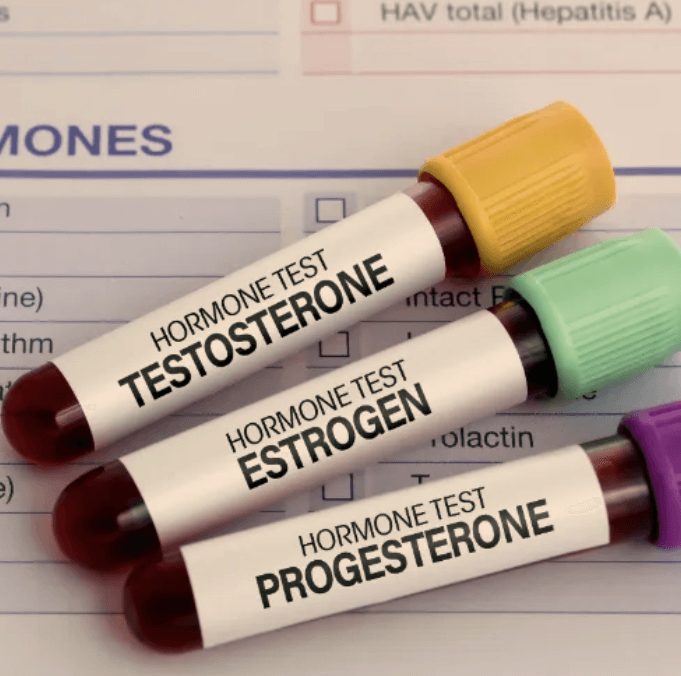
The most common hormone that male hormone blood tests look at is testosterone, but they can also look into other hormones like LH, FSH, SHBG, prolactin, and others to create a bigger picture.
Ready to learn more about your hormones? Repose Healthcare is a UK provider of lab-processed, at-home hormone and fertility tests, including a testosterone blood test that can be done in your own home. From there, you can discuss the results with your GP if you think it’s necessary.
Of course, it also helps to know how to interpret your results so you feel more in control of your health, and that’s what this guide will do – here, you’ll find explanations of key male hormones and their typical patterns. Be aware, however, that this guide does not aim to diagnose – if you want a true men’s hormone test interpretation, always speak to a clinician.

A male hormone profile test is a simple test that takes blood and looks specifically at male hormones, usually measuring:
Sometimes (albeit less regularly), they will test oestradiol, thyroid hormones, cortisol, and DHEA-S.
Different panels are used to investigate specific problems (although a complete panel is best for getting to the root cause of issues). For example, a man experiencing fertility problems, libido changes, and/or erectile dysfunction will want to get their testosterone levels tested. It can also be helpful for men on testosterone replacement therapy.
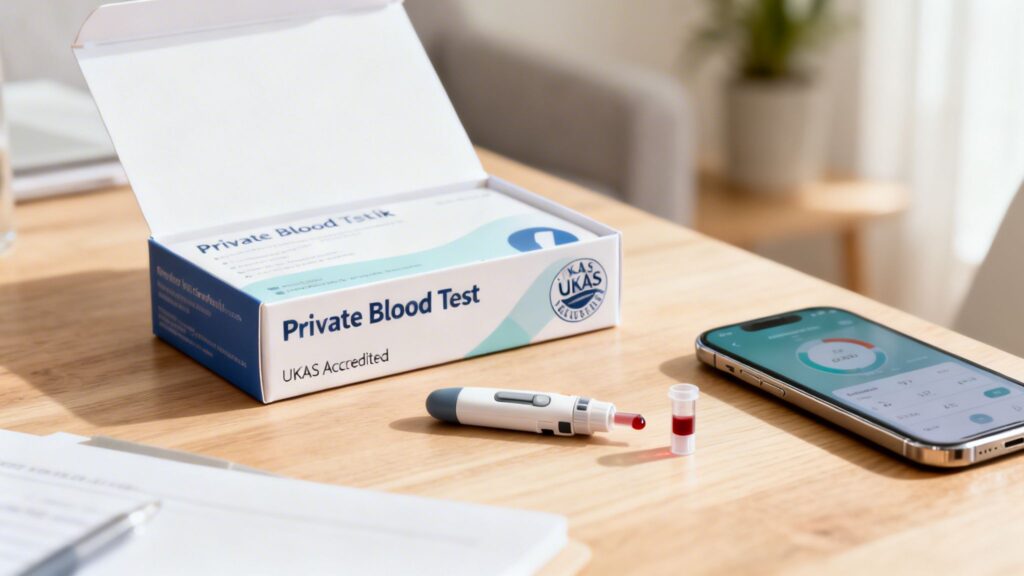
If you want to get accurate results quickly without having to wait for an appointment, Repose offers hormone and fertility home testing kits that you can later discuss with your GP.
So, when should men have hormone blood tests? You may wonder: Do I need a male hormone blood test right now? Here are some of the most common circumstances in which a hormone blood test is a sensible step.
It is important to seek professional medical advice from your GP if you are experiencing any persistent symptoms, as, in this situation, you need a clinician who can accurately interpret results and help put you on the most appropriate treatment plan. Home testing alone is not a replacement for a proper assessment!
Hormones do not always stay the same. In men, they fluctuate throughout the day, which means your results may differ depending on the male hormone blood test timing. That’s why it is recommended to take tests in the morning between 7 am and 11 am. If you experience any borderline results, it’s best to retake.
Regarding how to prepare for a testosterone blood test, it sometimes requires fasting or avoiding heavy exercise beforehand to get a more accurate result. When seeking a blood test, the instructions or clinician will tell you exactly what you need to do. If choosing a home test kit, it is crucial to read the instructions very carefully and follow them to a tee, as only then can you know that the results are the most accurate they can be.
You should also be aware that medication and lifestyle factors can significantly impact the results – for example, using steroids, using opioids, being obese, or drinking alcohol. If you want more advice or understanding about how your lifestyle may impact your male hormone levels, it’s best to talk to your GP. They can take into account your lifestyle factors when coming to a diagnosis.
You have several hormones in your body, each with its own function. These travel through the bloodstream every day and regulate your bodily functions. If you want to test your male hormones – perhaps because you are experiencing symptoms like a low libido – then it helps to get to grips with each male hormone tested and what the results could mean.
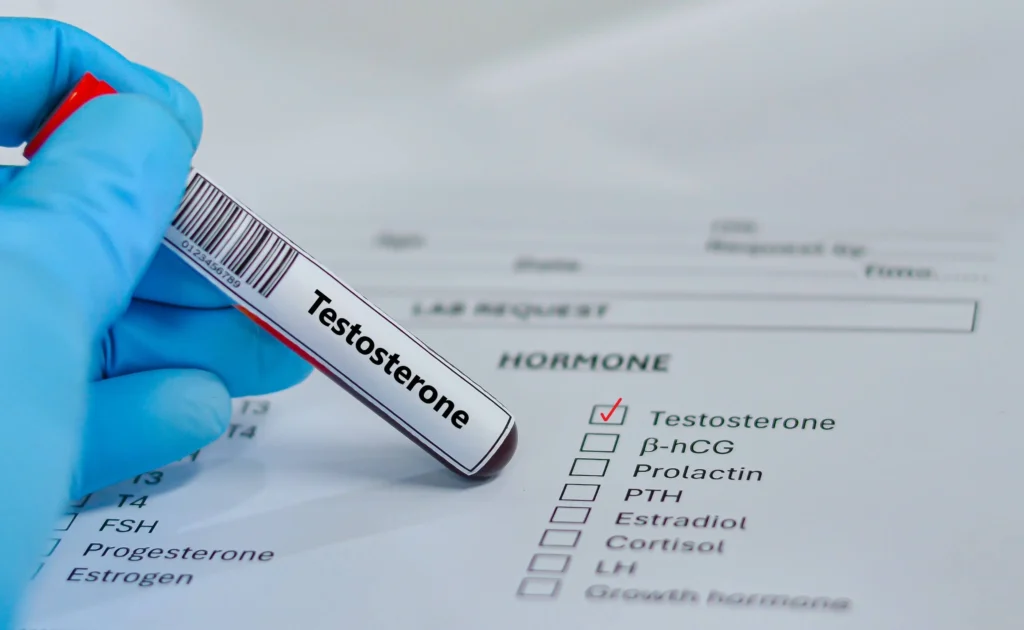
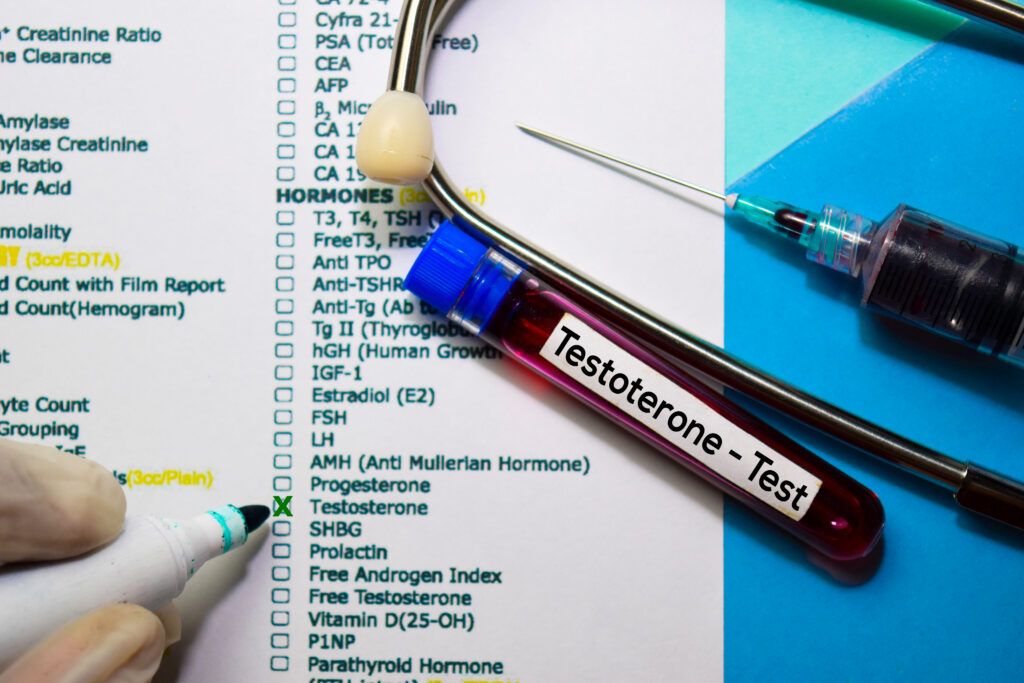
If you ask anyone what the main male sex hormone is, most people would naturally say testosterone. Testosterone is a main male sex hormone that supports libido, healthy erections, muscle mass, bone density, energy, mood, and red blood cell production. So, it’s clearly incredibly important for a man’s overall health – not just regarding fertility, but in almost every aspect of his life.
It’s important to recognise the difference between total testosterone and free or bioavailable testosterone. On the one hand, total testosterone measures all of the testosterone present in your blood at the time; on the other, free and bioavailable testosterone only measures the usable forms of testosterone.
When looking at testosterone blood test results, you may come across “high” or “low” and wonder what that means. Typically, a low testosterone blood test meaning is that the patient may have hypogonadism, chronic illness, testicular problems, and/or pituitary issues. The symptoms of low testosterone include:
High testosterone may indicate steroid use and, in some cases, certain types of tumours. The symptoms of high testosterone include:
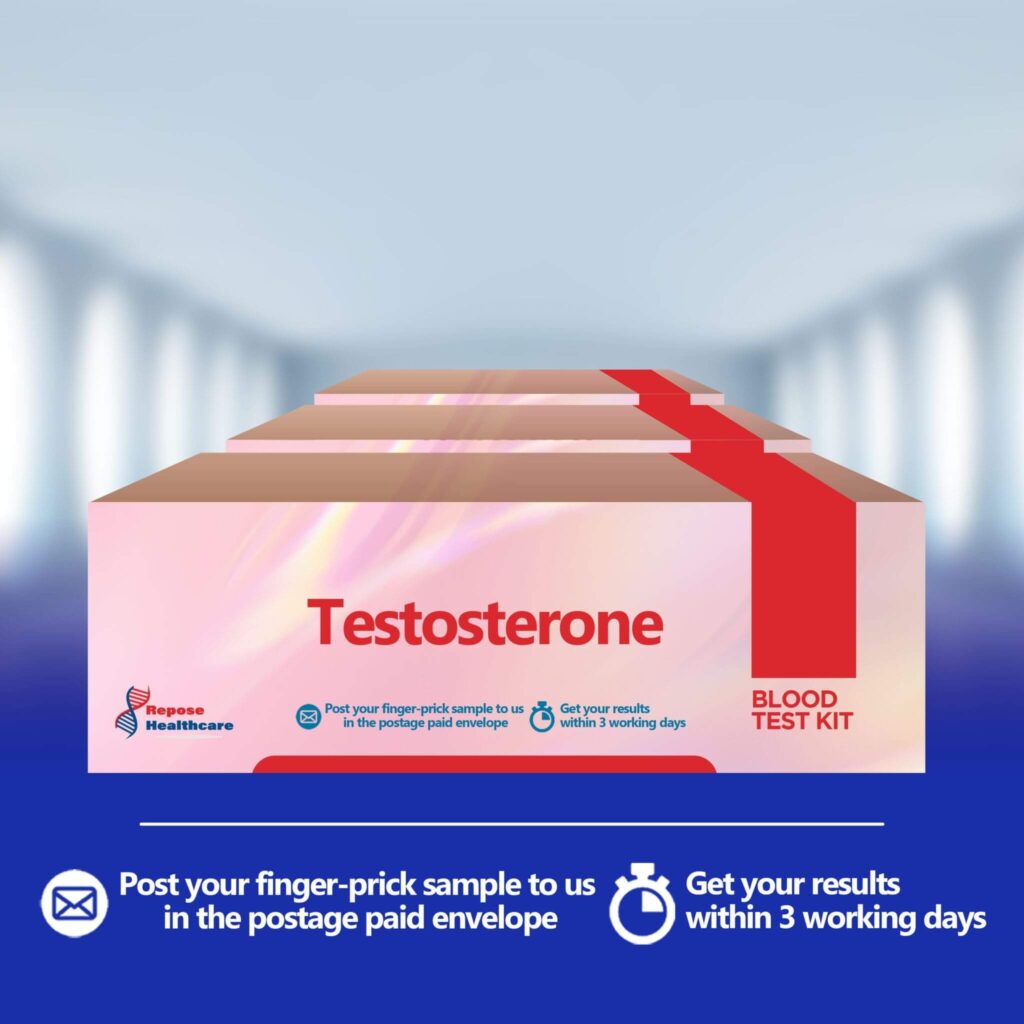
Are you showing any of these symptoms and are worried about your testosterone levels? A Testosterone home blood testing kit can give you a clear lab-measured testosterone level from home, which you can then review with your GP. The results arrive in just two to three days.
LH (luteinising hormone) and FSH (follicle-stimulating hormone) are both produced by the pituitary gland. These hormones are responsible for the brain telling the testes to make enough testosterone and sperm. As such, low amounts of these hormones can get in the way of normal testosterone levels and fertility.
Sometimes, having low LH or FSH from LH FSH blood test results can be a clear explanation for low testosterone. However, if a man has both high LH and FSH but low testosterone, that indicates a problem with the testes, also known as primary hypogonadism.
If a man has low or normal LH/DSH with low testosterone, the problem may be higher up, such as hypothalamus.
Be aware that the LH and FSH hormones aren’t always part of blood test results; they are typically part of more advanced male hormone panels. Often, they are included in panels used specifically for fertility or TRT monitoring.
As briefly explained earlier, free testosterone is the total testosterone available in the blood. SHBG (or sex hormone-binding globulin) is a protein that binds testosterone and oestrogen in the blood, which in turn controls how much of the testosterone is free and how much is active.
Looking for SHBG blood tests explained? Essentially, high SHBG typically means lower free testosterone, whereas low SHBG can increase the free testosterone and may be linked to obesity and insulin resistance.
SHBG blood tests are very useful when combined with testosterone blood tests, as they can measure free testosterone. At Repose, we offer both an SHBG blood test as well as a Testosterone Blood Test, and these can be combined for a more thorough overview.
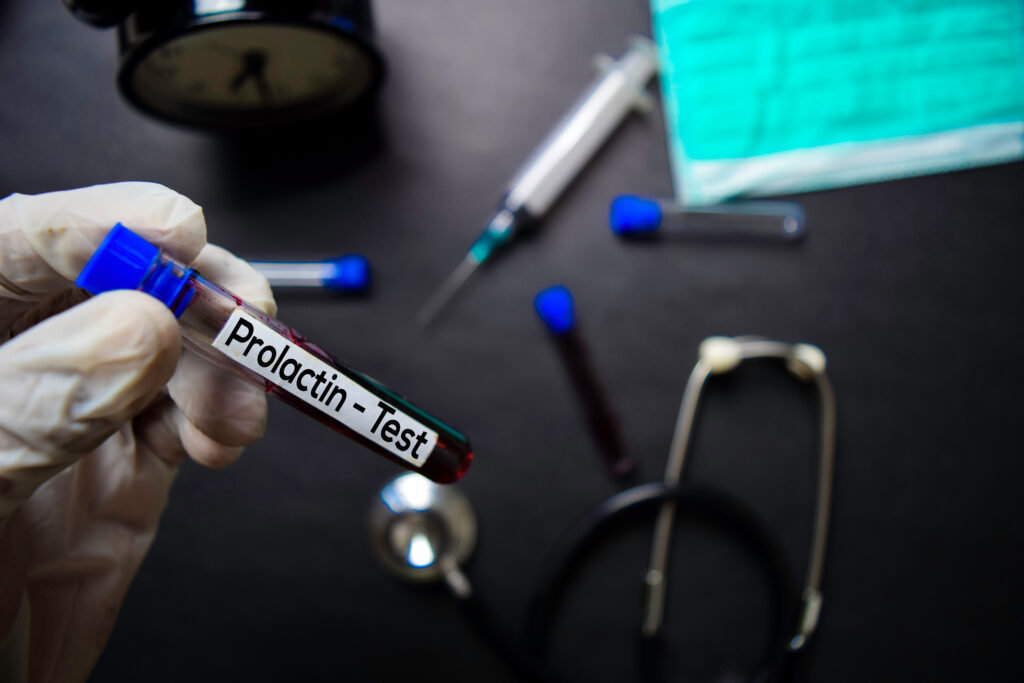
You already know how important testosterone is to a man’s health, and another hormone that can influence its production is prolactin, a hormone made by the pituitary gland. Specifically, high prolactin can reduce testosterone, causing symptoms such as erectile problems, low libido, and fertility issues.
When you get your prolactin blood test results, the good news is that low prolactin is easily treated with medications. However, extremely high prolactin is more complicated and requires specialist assessment – sometimes even an MRI. Measuring prolactin is always important when trying to understand male hormone levels, so at Repose, prolactin is measured as part of the hormone range.
The hormones listed above are the most commonly measured, but some male hormone profile results may also include the following.
Oestradiol in men: The female hormone oestrogen is important in men for bone health, mood stability, and libido. Either very high or low symptoms can cause issues.
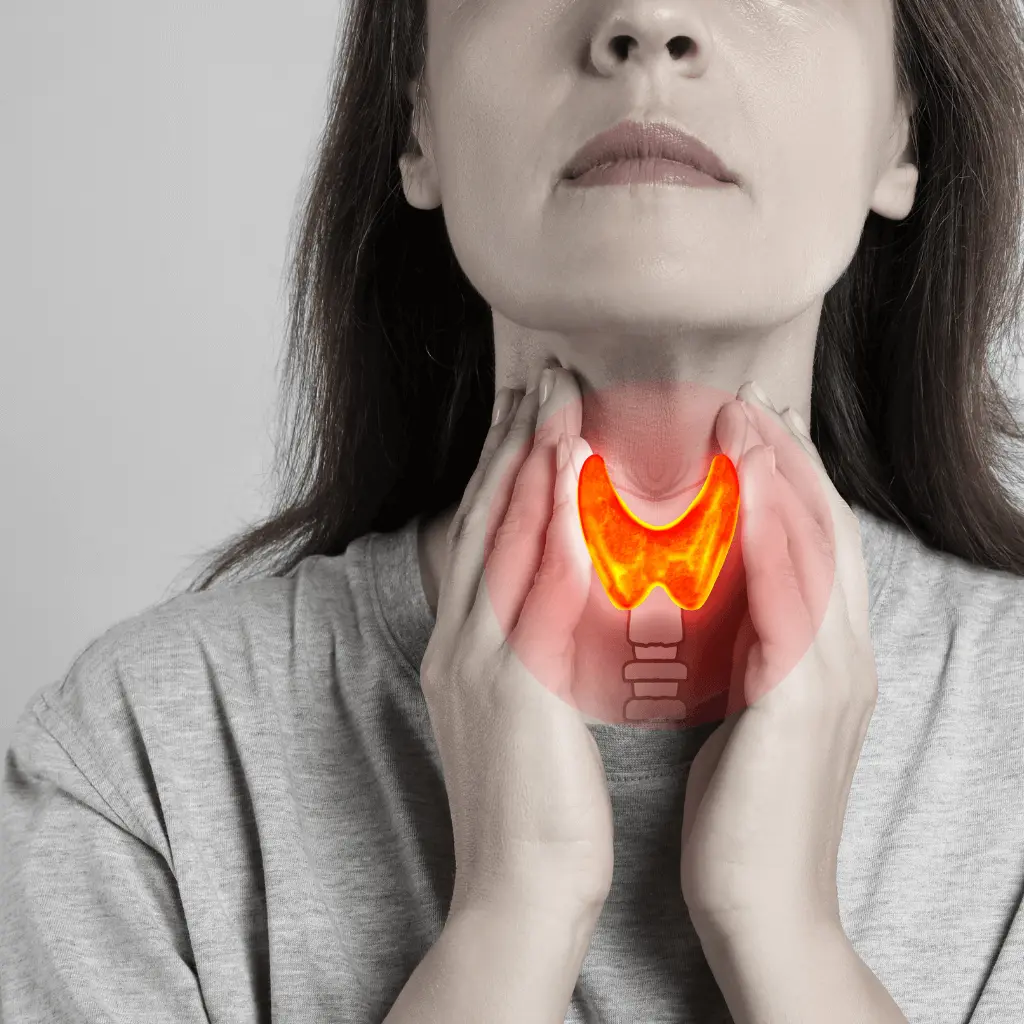
Thyroid and low testosterone symptoms: Thyroid hormones include TSH, T3, and T4. Having an underactive or overactive thyroid can mimic the symptoms of low testosterone (such as erectile problems and libido changes), so it is important to rule this out when experiencing these symptoms. If you have these symptoms and find out your testosterone levels are normal, thyroid issues may be to blame.
Cortisol & DHEA-S: These are called adrenal hormones, and they play a crucial role in the body, including influencing energy, managing stress responses, and balancing the hormones. As such, checking these can be worth it.
When investigating symptoms, these other hormones checked in a male hormone test can shed some light on the root cause of the problem. Repose offers many of these blood tests, including blood tests that measure TSH, Free T4, Free T3, DHEA-S, SHBG, Vitamin D and other single tests that can sit alongside testosterone for a broader view of men’s health.
Do you want to understand your male hormone results? Taking a male hormone blood test is one thing – understanding exactly what it means is another entirely. Here, we will go into the patterns associated with male hormone blood test results. Be aware, though, that this is only guidance; if you want a diagnosis, you will need to speak to a clinician.
Low testosterone with high LH/FSH: If results show low testosterone with higher LH/FSH, that could indicate a primary testicular issue.
Low testosterone with low/normal LH/FSH: Low T pattern blood results that go alongside low or normal LH/FSH hormone levels could fit a hypothalamus or pituitary issue.
Normal testosterone but low SHBG: This could be linked to metabolic or obesity problems.
High prolactin but low testosterone: Having high prolactin levels but with low testosterone could contribute to a low libido, erectile dysfunction, and problems with fertility.
Remember – this is not meant as a diagnosis. Similar patterns can occur in different conditions, and only a professional clinician can interpret your results and come up with an accurate diagnosis. So, if you have results you are unsure about, schedule an appointment with your GP so you can discuss them. A clinician will be able to interpret the results properly, taking on board other factors such as any medications you are taking, lifestyle influences, and medications.
Repose’s at-home male hormone tests in the UK are lab-processed, quality-controlled, and offer genuinely accurate results. We offer the highest standard of men’s health home blood testing kits, so you can understand your hormones and overall health on a deeper level, and you can discuss these results with your GP to figure out what’s going on. Are you interested in getting started? Here’s how it works.
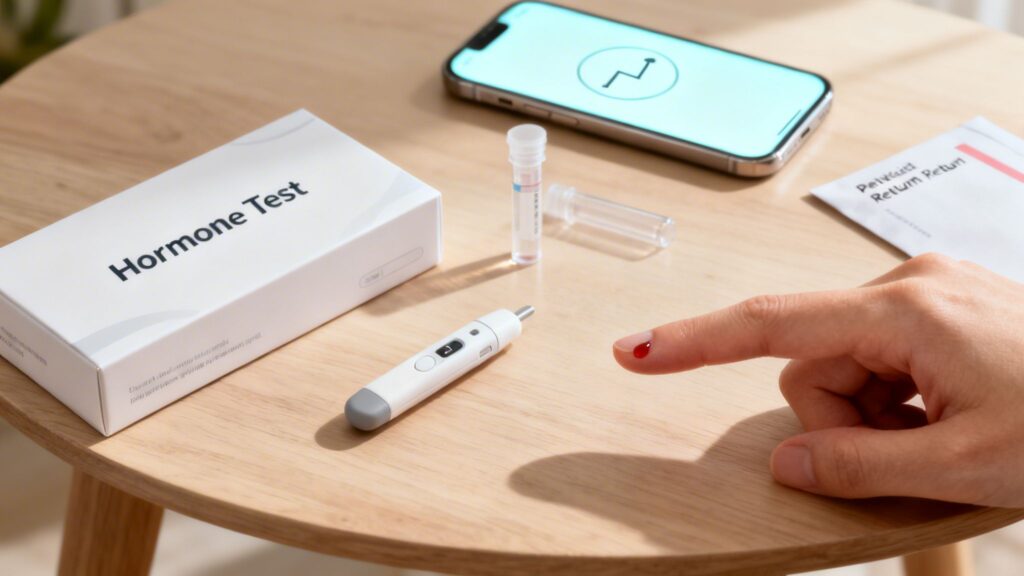
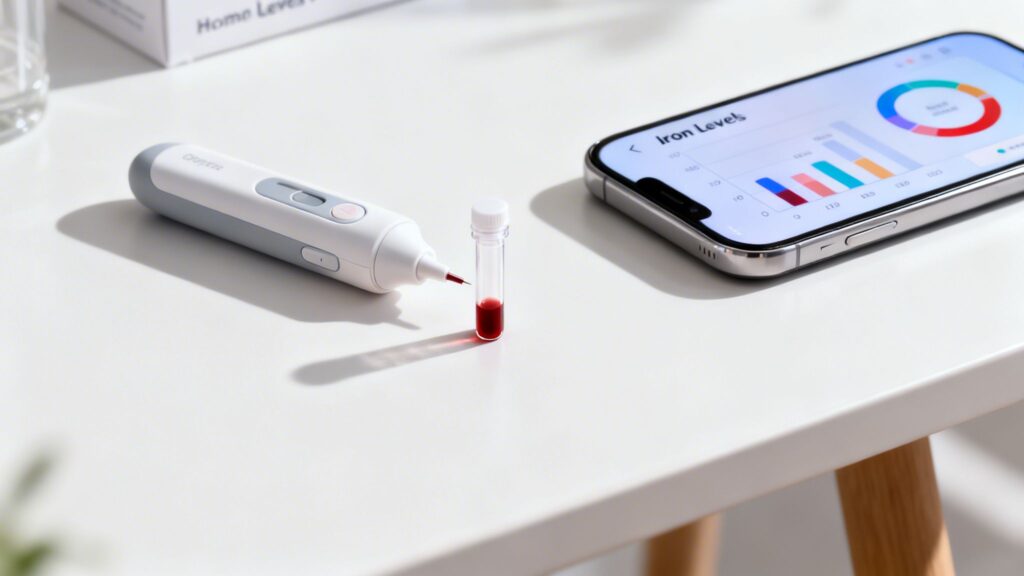
You don’t even need to leave your house to order a test. Instead, find the test you want, whether it’s a finger-prick testosterone test or a thyroid test, and then make your order.
After placing your order, Repose will send it tracked. They can be delivered anywhere within the UK and should arrive within just a few working days.
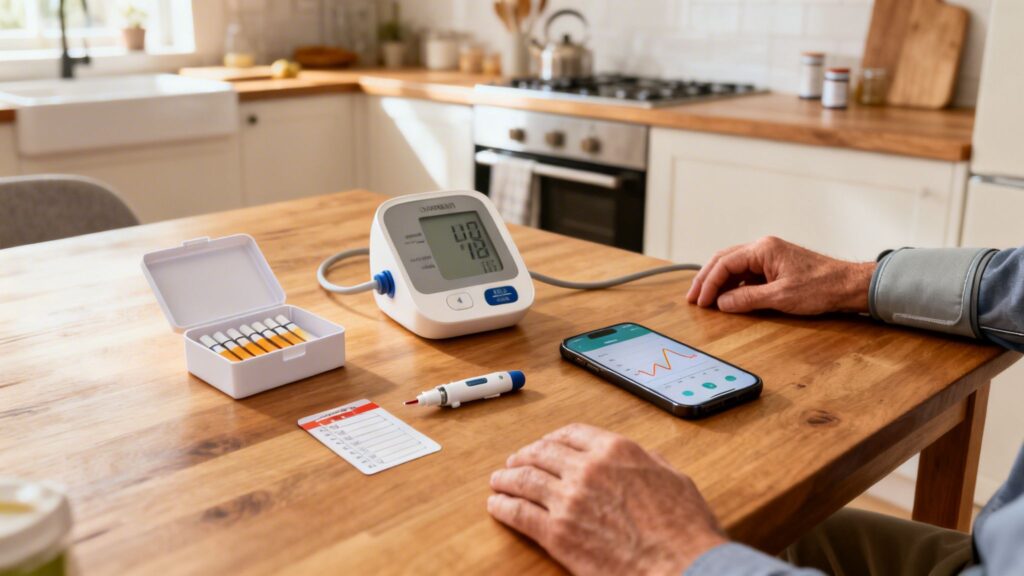
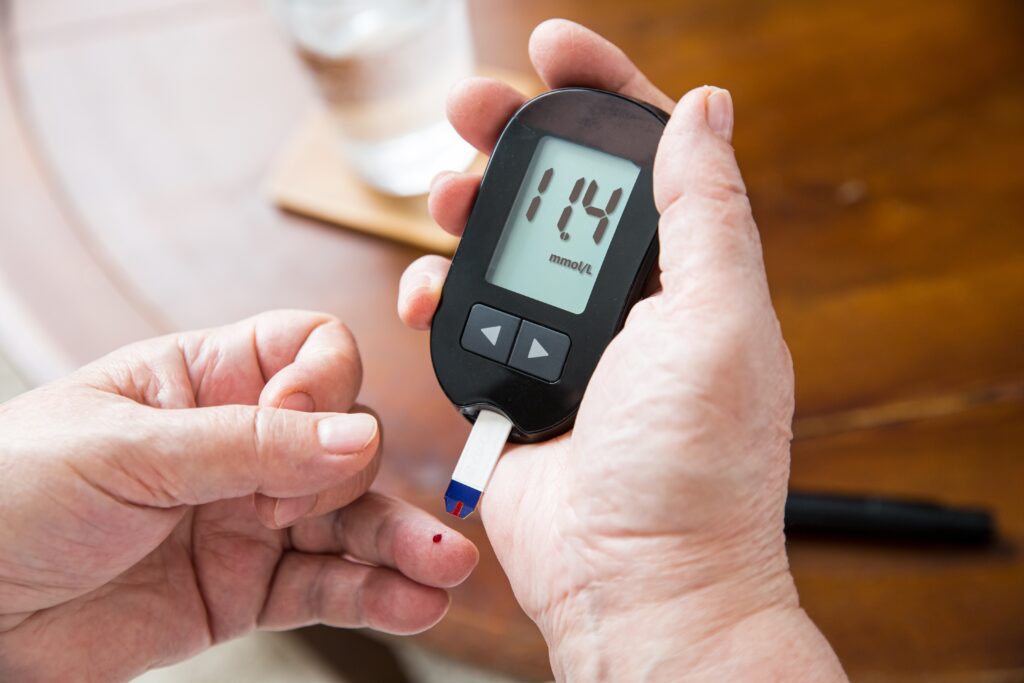
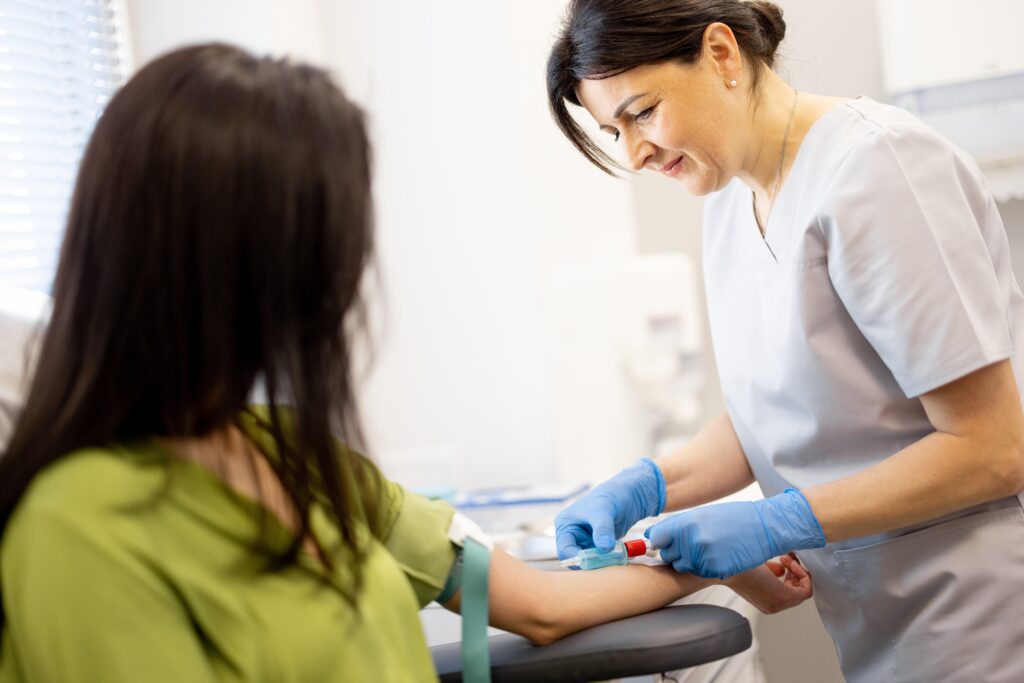
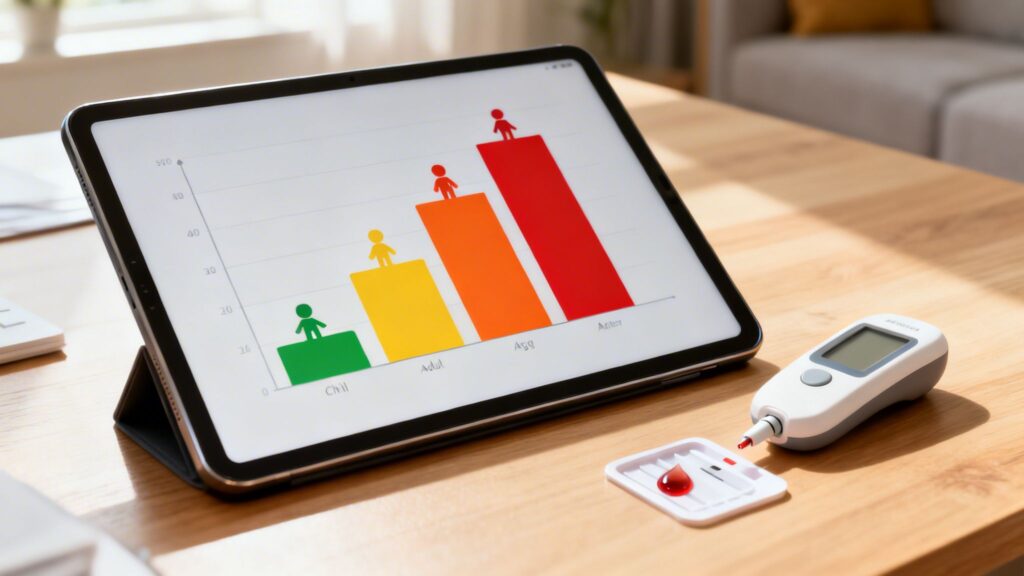
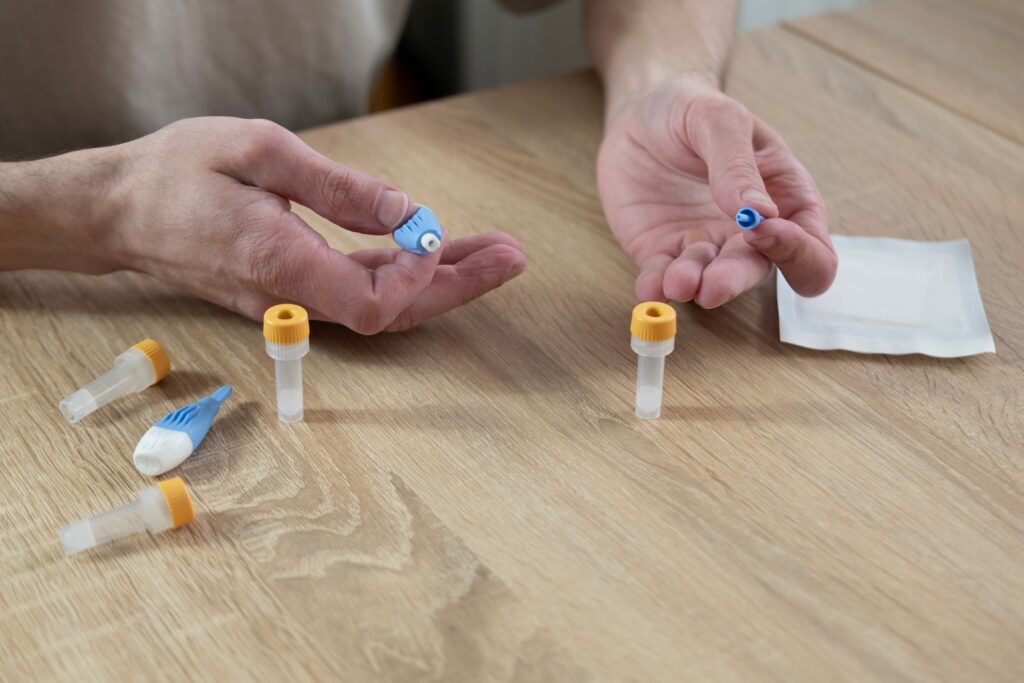
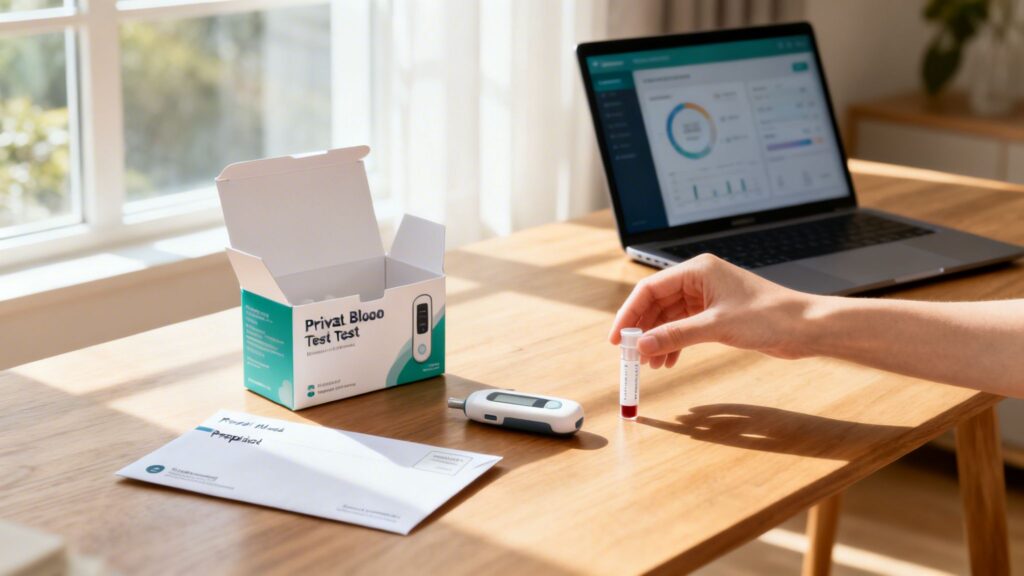
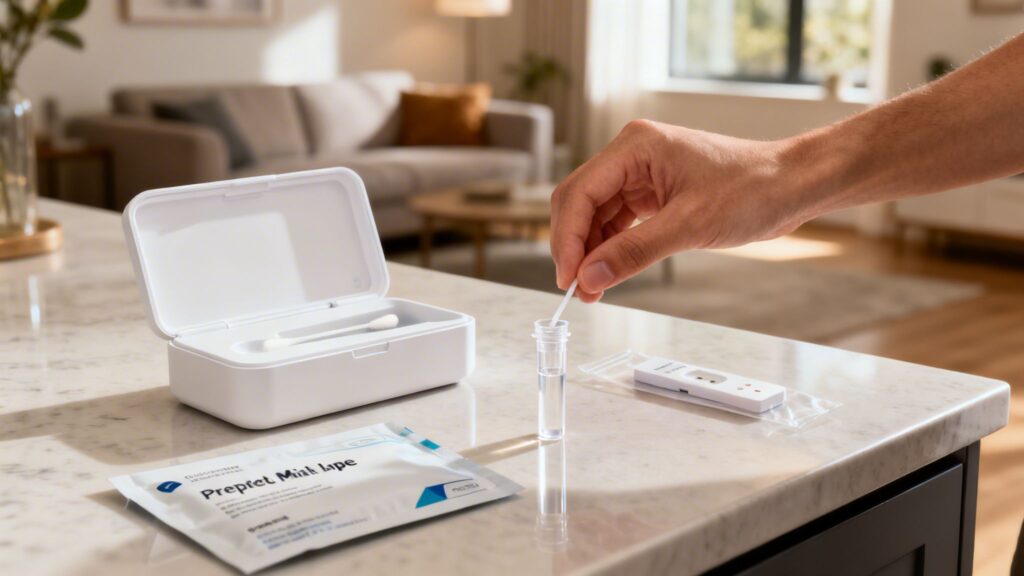
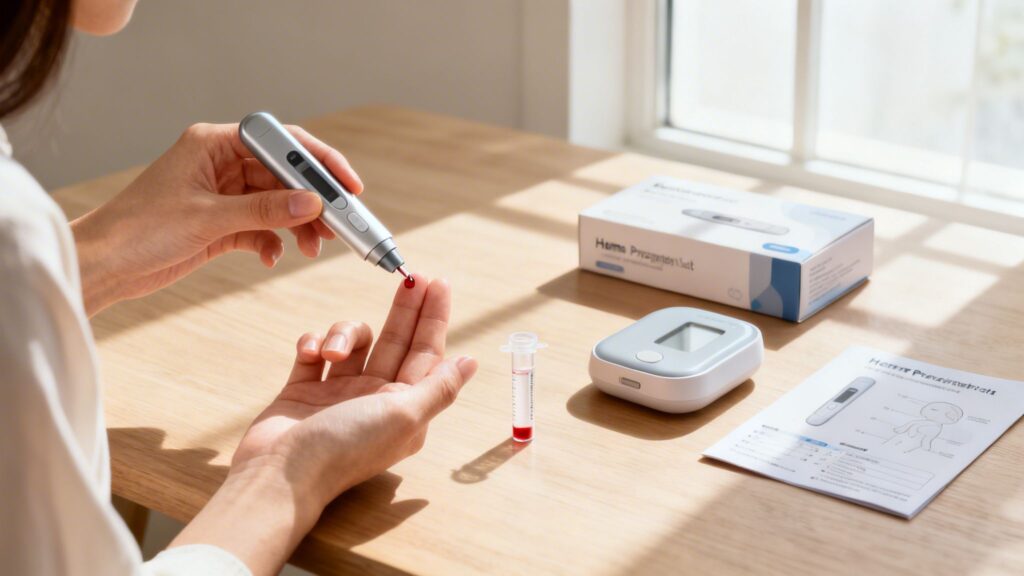
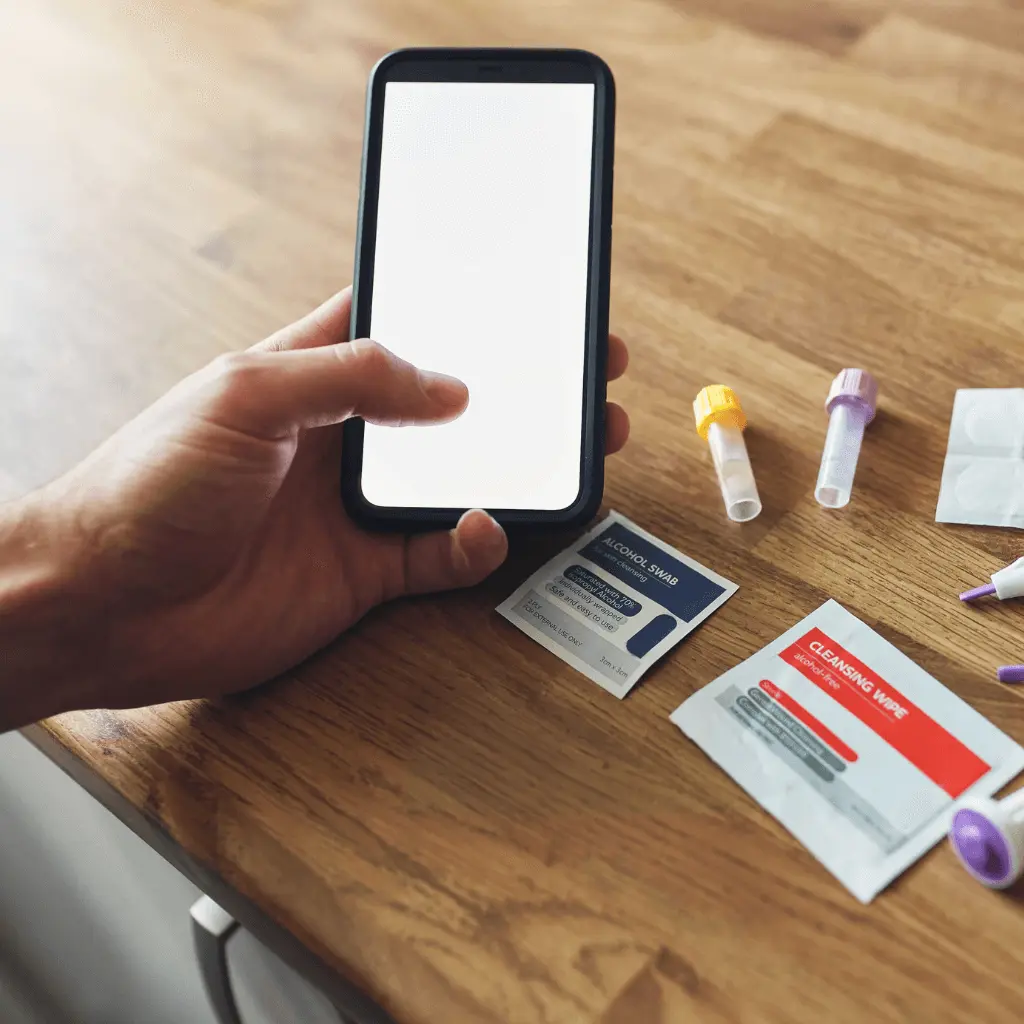
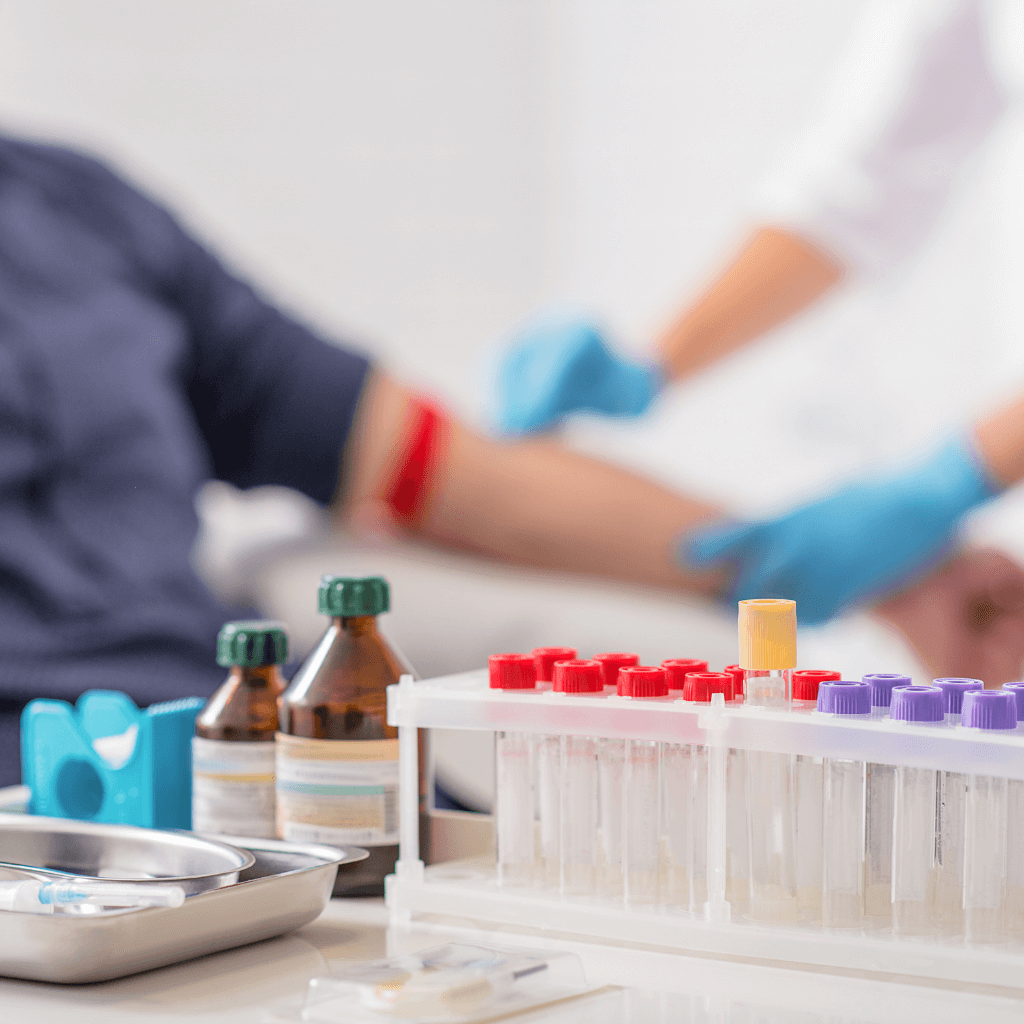
Next, you will need to collect a sample, which is refreshingly easy. There’s little discomfort or pain, as you just need to take a finger-prick blood sample. Remember to read the instructions carefully to ensure you get it right the first time.
After taking the sample, it’s time to send it to one of the UK-accredited laboratories. Repose always sends prepaid packaging and postage, so you just need to place it in a post box.
You will receive your secure, confidential results in around one to three working days. Your results will offer clear reference ranges, and you can access them digitally from the comfort of your home.
With Repose, rest assured you will receive UK-accredited lab results that you can trust. Once you have these results, you may want to schedule an appointment with your GP – especially if you notice any irregularities, such as low testosterone. That way, you can be put on a path to optimal male health.