While there's no single "endometriosis diet" that's a magic bullet for everyone, the evidence overwhelmingly points to an anti-inflammatory diet as the most powerful place to start. This approach isn't about harsh restrictions; it’s about strategically using nutrient-dense foods to tackle the inflammation that drives so much of the pain, bloating, and fatigue associated with endo.

If you're grappling with the daily disruption of endometriosis, you’re looking for practical things you can actually do to feel better. While there's no cure, the food choices you make every day are one of the most effective tools you have for managing your symptoms.
This guide is designed to cut through the noise. We're focusing on straightforward, evidence-based dietary changes that can make a real difference to inflammation levels, helping to calm pain and bloating from the inside out.
Think of your plate not as a source of stress, but as your first line of defence in getting some control back. For example, a pro-inflammatory meal like a beef burger in a white bun can increase the compounds that worsen period pain. In contrast, an anti-inflammatory meal like baked salmon with sweet potato wedges can actively work to calm those same pain pathways.
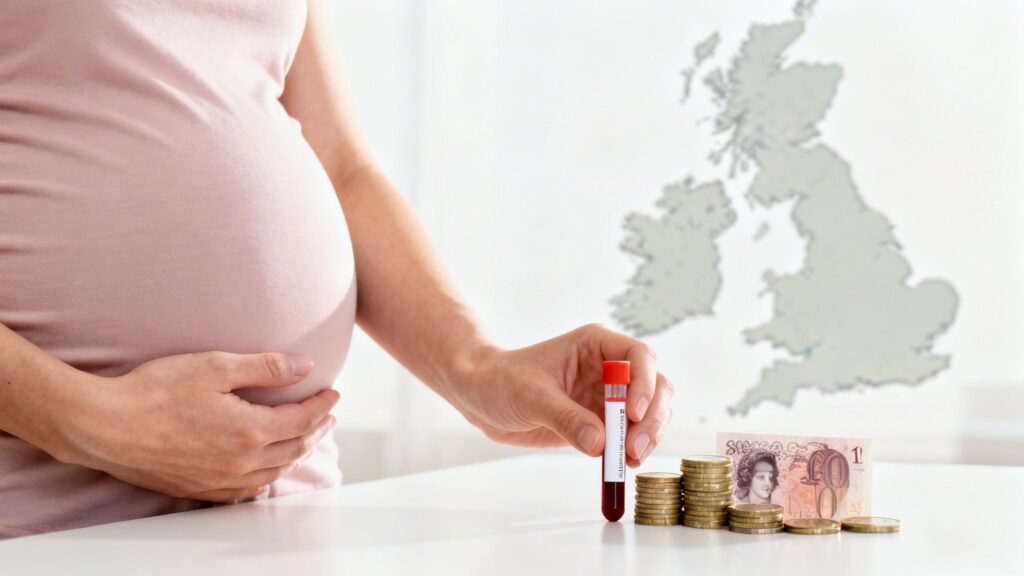
Endometriosis is an incredibly common, yet often misunderstood, condition. In the UK, it affects a staggering 1 in 10 women of reproductive age. That's around 1.5 million women—a number on par with those living with diabetes. You can find more of these endometriosis insights from Endometriosis UK.
Despite these numbers, diet is still a hugely underused tool for managing symptoms. The connection is quite simple: endometriosis is, at its core, an inflammatory disease. What you eat can either dial that inflammation up or help to turn it down.
Actionable Insight: Think of your body as a garden. Pro-inflammatory foods (like sugar and processed fats) are like weeds that can choke the system and cause chaos. Anti-inflammatory foods (like colourful vegetables and oily fish) are like a nourishing compost, helping everything to thrive peacefully. Making these conscious dietary shifts is a practical and effective step you can take today to start taking back control.
Getting started doesn't have to be overwhelming. You can begin calming inflammation just by making a few simple food swaps in your daily routine. Here are some actionable examples.
| Swap This (Pro-Inflammatory) | For This (Anti-Inflammatory) |
|---|---|
| White bread or pasta | Wholegrain bread, brown rice, or quinoa |
| Sugary cereals or pastries | Porridge with berries and seeds |
| Red meat like beef or lamb | Oily fish like salmon or mackerel |
| Processed snacks (crisps, biscuits) | A handful of walnuts or almonds |
| Coffee or fizzy drinks | Green tea or infused water |
Making these small adjustments consistently can have a powerful cumulative effect. For instance, swapping your mid-afternoon biscuit for an apple and a handful of walnuts not only reduces sugar intake but also adds fibre and anti-inflammatory omega-3s. The aim isn't perfection, but progress.

It might seem strange that what’s on your plate can directly influence endometriosis pain, but the connection is powerful. To get your head around it, it helps to understand what’s happening inside your body.
Think of the endometriosis lesions as creating a constant, low-grade ‘fire’ of inflammation. This is a major reason for the chronic pain, cramping, and exhaustion that comes with the condition. The food you eat can either add fuel to this fire or act like a fire extinguisher, helping to calm it down.
Certain foods are known to ramp up inflammation. We’re talking about things high in processed sugars, unhealthy trans fats, and large amounts of red meat. They can increase pro-inflammatory compounds in your body called prostaglandins. While some prostaglandins are normal, too many of the inflammatory kind can trigger more intense uterine contractions and, you guessed it, more severe pelvic pain.
On top of that, some of these same foods can mess with your hormones, particularly oestrogen. Since endometriosis is an oestrogen-dependent condition, anything that raises oestrogen levels can potentially encourage the growth of endometrial-like tissue, making your symptoms worse.
Actionable Insight: Your body has a "pain and inflammation" dial. A takeaway pizza and sugary drink turn the dial up. A homemade lentil soup and a piece of fruit help turn it down. By being mindful of what you eat, you get a say in where that dial is set. This is what makes diet such an empowering tool.
To start getting control over your symptoms, it’s helpful to know which foods are most likely to increase inflammation. The main culprits usually include:
Simply being aware of these foods is a huge first step. It’s not about banning them forever, but about reducing the overall inflammatory load to give your body a real chance to heal.
It's also impossible to ignore the link between your gut health and endometriosis. A lot of women with endo also have symptoms that look and feel just like Irritable Bowel Syndrome (IBS)—think bloating, gas, and bowel pain.
An unhappy, imbalanced gut microbiome can fuel inflammation throughout the body. This creates a vicious cycle that worsens both gut issues and endo symptoms at the same time.
Focusing on a diet that supports a healthy gut can bring huge relief. This means eating plenty of fibre from whole foods and bringing in more gut-friendly nutrients. For a deeper look at this, you might find our guide on how to improve your gut health useful. By choosing foods that fight inflammation and support a happy gut, you create an internal environment where pain is less likely to thrive.
With so much conflicting advice online, figuring out the best diet for endometriosis can feel completely overwhelming. The key is to sidestep isolated food rules and instead focus on structured, evidence-based approaches that give you a framework for lowering inflammation and pinpointing your personal trigger foods.
The good news is that many women in the UK are already seeing real success this way. A study from the University of Edinburgh found just how powerfully dietary changes can improve quality of life. An impressive 83% of women with endometriosis surveyed had changed their diet to manage symptoms, and 67% of them reported genuine pain relief because of it. You can read more about these findings on how diet helps endometriosis.
So, let's break down the most effective dietary strategies you can start exploring today.
The anti-inflammatory diet isn't a strict set of rules but rather a style of eating centred on whole, nutrient-dense foods. Think of it as the foundational approach for managing endometriosis, as its main goal is to lower the systemic inflammation that drives so much endo pain.
This means prioritising foods like:
Actionable Insight: A great first step is to "crowd out" the pro-inflammatory foods by simply adding more of the good stuff. Instead of fixating on what to remove, focus on adding a colourful side salad to your lunch or swapping your usual snack for a handful of walnuts.
The Mediterranean diet is one of the most studied dietary patterns in the world and is basically a more specific version of an anti-inflammatory diet. It’s naturally rich in fish, olive oil, fresh vegetables, fruits, and legumes.
One of its key benefits is its emphasis on omega-3 fatty acids over the omega-6s commonly found in red meat and processed oils. This balance is crucial for managing the inflammation that comes with endometriosis.
Practical Example: A typical Western diet often has an inflammatory ratio of omega-6 to omega-3 that’s as high as 20:1. The Mediterranean diet helps shift this balance closer to a much healthier 4:1, helping to calm your body’s inflammatory response. Swapping one red meat meal per week for a piece of baked salmon with roasted courgettes, peppers, and aubergines drizzled with olive oil is a perfect example of this in action.
If you deal with significant bloating, gas, and bowel pain alongside your endometriosis, a low-FODMAP diet might be a game-changer. Many women with endo also have symptoms that look and feel a lot like Irritable Bowel Syndrome (IBS), and these FODMAPs are often the culprit.
FODMAPs are a group of short-chain carbohydrates that can be poorly absorbed in the small intestine. This leads to them being fermented by gut bacteria, a process that produces gas and causes painful bloating and discomfort.
It’s crucial to realise this is not a forever diet. It's a short-term diagnostic tool used in three distinct phases:
When exploring dietary strategies, incorporating specific ingredients, such as low FODMAP fruits, can be a useful part of this evidence-based approach. Working with a registered dietitian can provide invaluable guidance, but our Gut Health Test can also offer personalised insights into how your microbiome might be interacting with these foods.
Going gluten-free or dairy-free are two of the most talked-about dietary changes for endometriosis. For some women, they bring immense relief; for others, they make little difference.
A significant number of women with endometriosis report sensitivity to gluten, even if they don’t have coeliac disease. Similarly, a specific protein in dairy called A1 casein has been linked to increased inflammation in some people.
Actionable Insight: The only real way to find out if these are an issue for you is through a structured elimination diet. Try removing either dairy or gluten completely for at least four weeks, keeping a careful diary of your symptoms. To know for sure if you have coeliac disease, our Coeliac Disease Test provides a definitive answer. For broader sensitivities, our Allergy & Intolerance Test can help pinpoint specific triggers.
Knowing which diets might help is one thing, but actually putting that knowledge into practice is where you'll see real change. This is all about moving from theory to your dinner plate, creating a practical, sustainable way of eating that works for you. The goal isn't restriction; it's about building balanced, satisfying meals that help manage your symptoms and empower you to feel more in control.
The infographic below summarises the key dietary approaches that are often explored for managing endometriosis symptoms.

Think of this as a quick-glance guide to the core principles of an Anti-Inflammatory, Low-FODMAP, and Mediterranean diet, showing how each one targets different aspects of endometriosis.
Think of this section as your "endo-friendly" shopping list. These are the foods packed with the nutrients your body needs to fight inflammation and support better hormone balance.
Practical Example: The core principle is to add more colour to your plate. Every different colour in your fruit and veg represents a different set of anti-inflammatory compounds. By aiming for a "rainbow" salad, you’re building a broad defence against pain and bloating.
Just as important as adding helpful foods is being mindful of the ones that can make symptoms worse. This isn't about total deprivation, but about consciously reducing your body's overall inflammatory load.
Below is a table that breaks down which foods to focus on and which to consider limiting.
| Food Group | Foods to Emphasise | Foods to Limit or Avoid |
|---|---|---|
| Fats & Oils | Olive oil, avocado oil, nuts, seeds, oily fish | Trans fats (in processed snacks, fried foods), excessive refined vegetable oils |
| Protein | Oily fish (salmon, mackerel), lean poultry, beans, lentils, chickpeas | Red meat (beef, lamb), processed meats (sausages, bacon) |
| Carbohydrates | Wholegrains (oats, brown rice, quinoa), sweet potatoes, colourful vegetables | Refined sugars (sweets, fizzy drinks), white bread, pastries, processed snacks |
| Fruits & Veg | A wide variety of colourful fruits and vegetables, especially berries and leafy greens | Personal trigger fruits/vegetables (e.g., high-FODMAP items if sensitive) |
| Dairy | Fermented options like yoghurt or kefir (if tolerated) | May be a trigger for some; consider limiting or switching to fortified alternatives |
| Drinks | Water, herbal teas (ginger, peppermint) | Sugary drinks, excessive alcohol, excessive caffeine |
Identifying your personal trigger foods is key here. Some women find that dairy or gluten are significant culprits behind their bloating and pain. If you suspect this might be you, our guide on how to test for food allergies and intolerances provides more insight, and our Allergy & Intolerance Test offers a direct way to investigate.
Putting all this together doesn’t have to be complicated. To show you just how delicious and satisfying an endometriosis-friendly diet can be, here is a simple, actionable one-day meal plan.
Breakfast: Porridge with Berries and Seeds
Lunch: Large Chickpea and Avocado Salad
Dinner: Baked Salmon with Roasted Vegetables

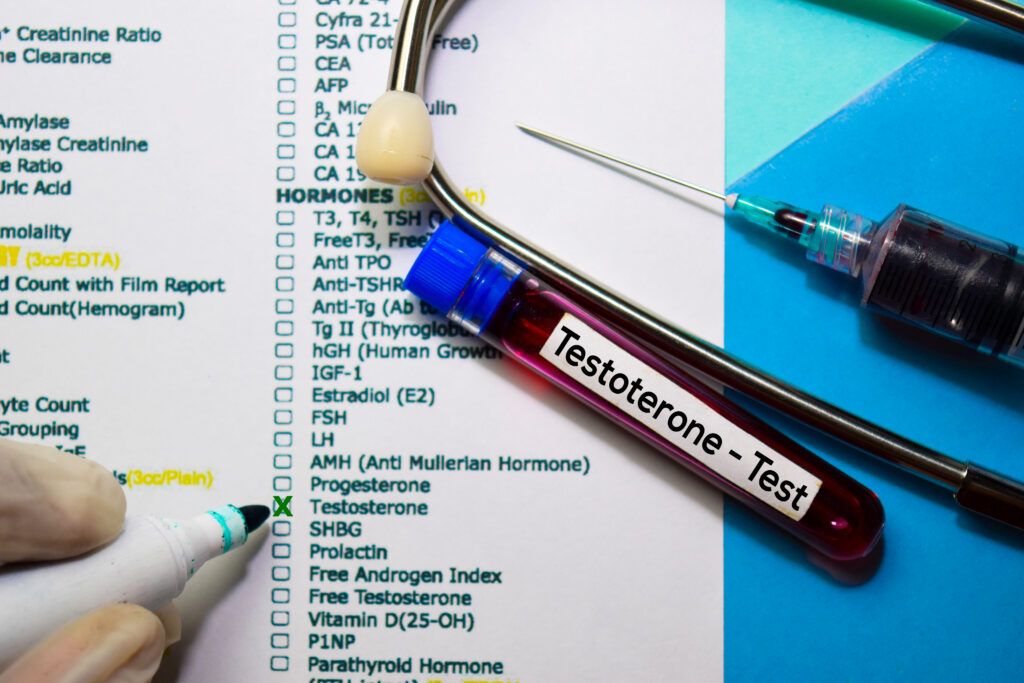
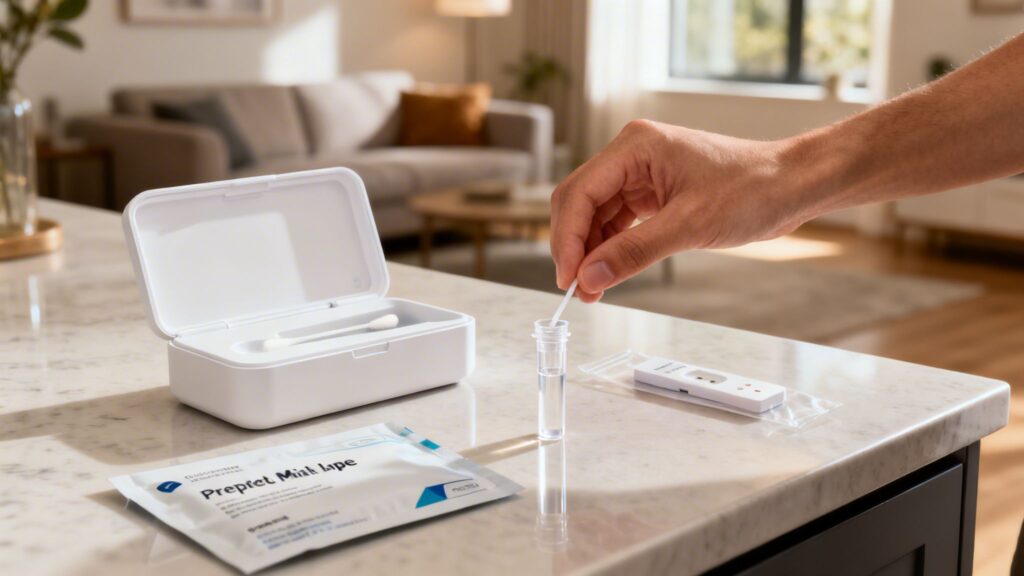
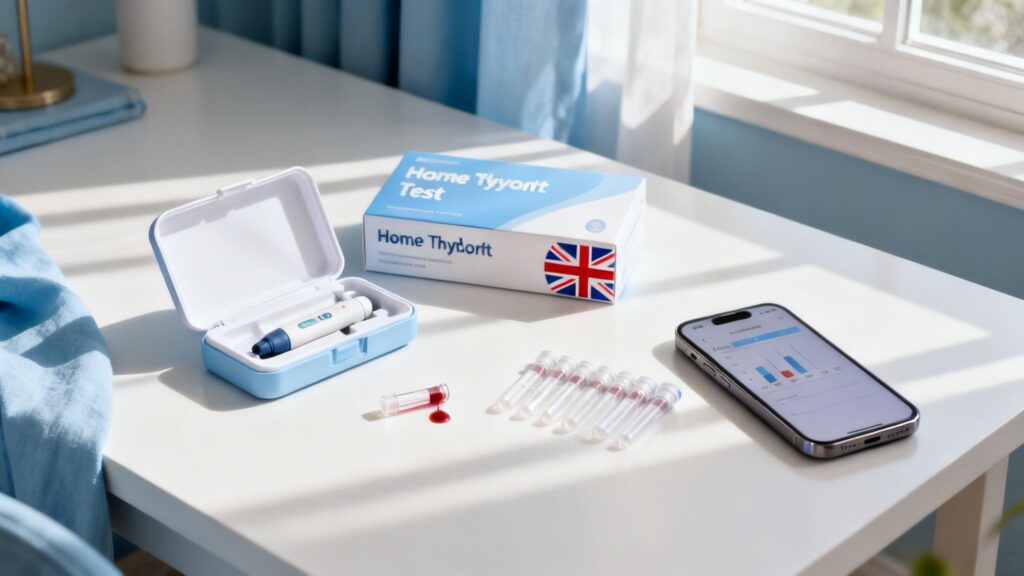
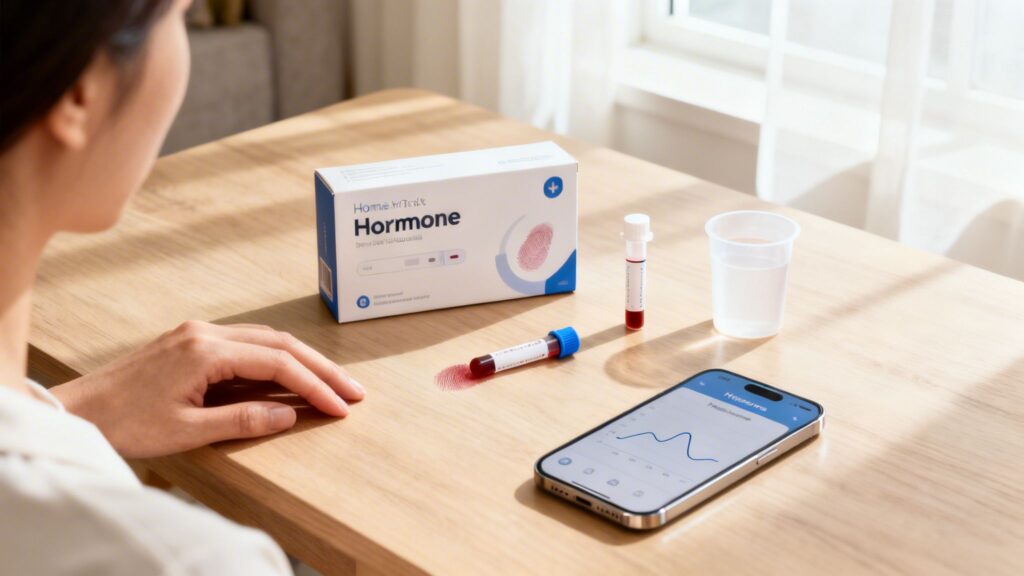
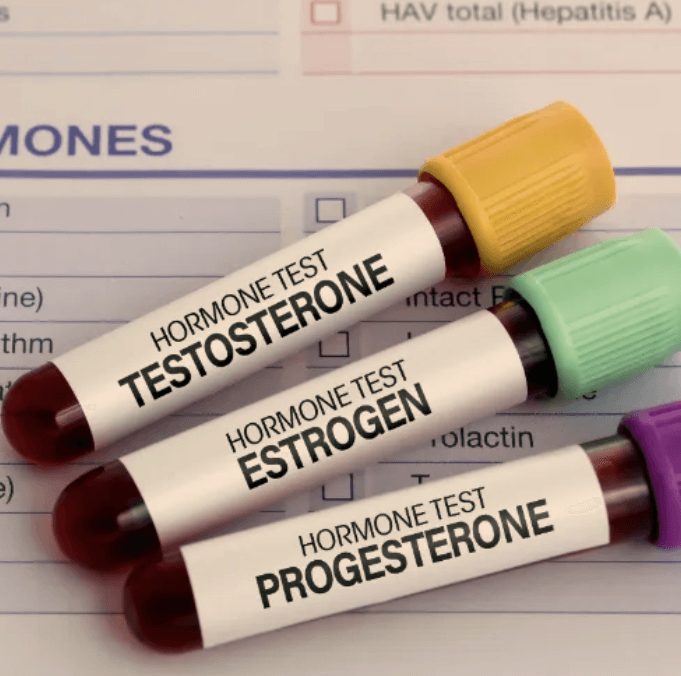
While the diet ideas we've covered are fantastic starting points, the best approach is always one that’s built around your individual biology. This is where at-home testing provides the clarity you need. Instead of guessing, testing gives you objective facts to confirm or rule out underlying issues that could be worsening your symptoms.
At-home testing lets you investigate key areas linked to endometriosis symptoms, all without leaving your house. This data is your personal roadmap, guiding your diet with precision.
Here’s how our tests provide actionable insights:
Practical Example: Finding out you have a Vitamin D deficiency gives you a clear next step—supplementing and adjusting your diet—that could directly tackle persistent fatigue.
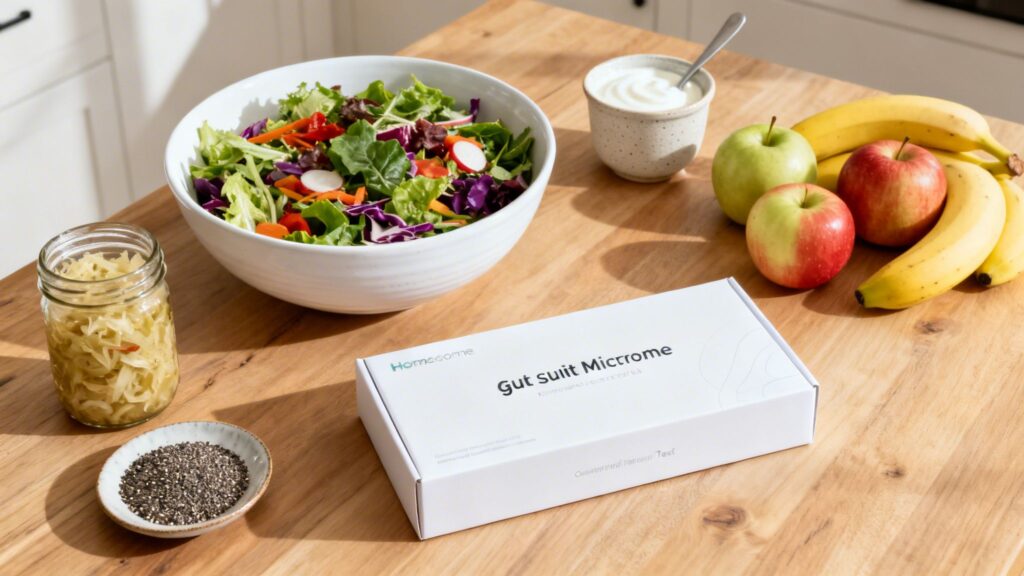
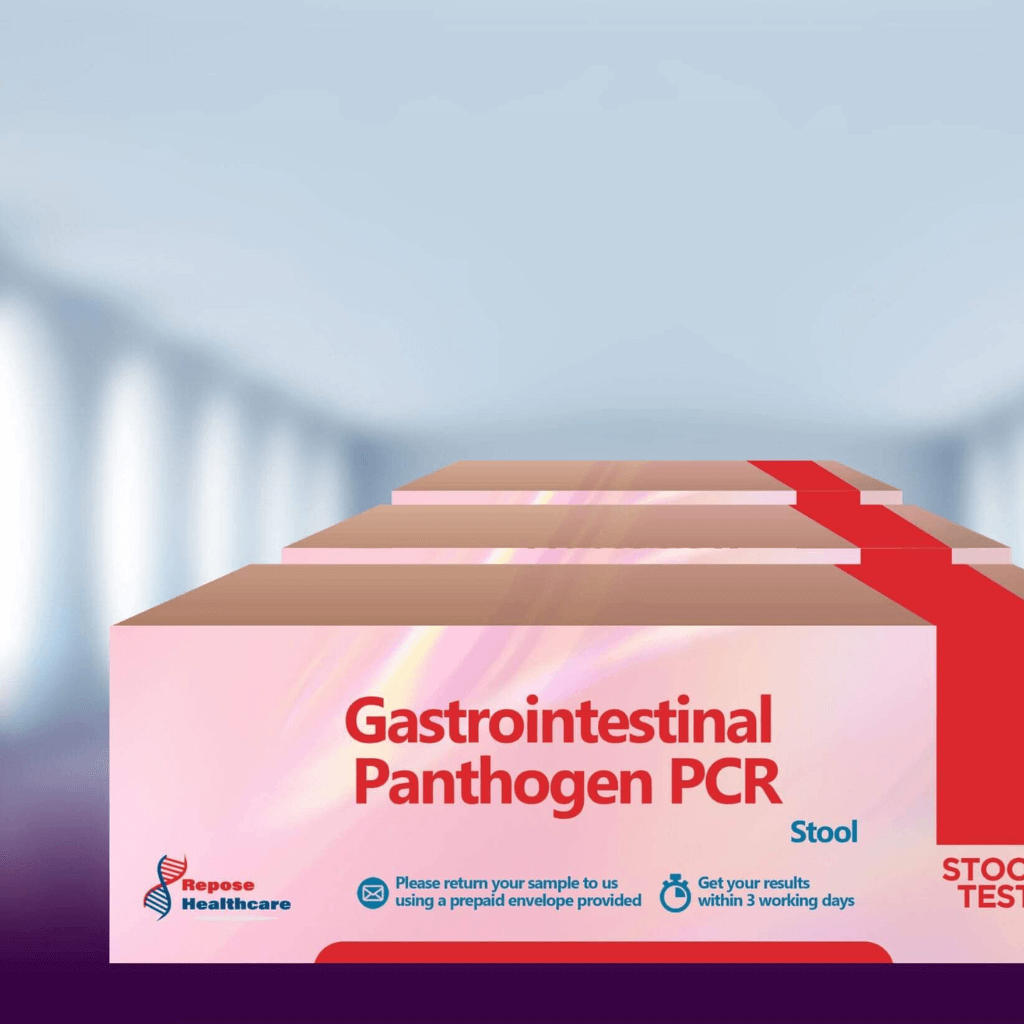
There’s a strong link between gut health and endometriosis, so understanding your unique microbiome can make a real difference—especially if you’re thinking about trying a low-FODMAP diet. Our Gut Health Test provides a deep dive into your gut bacteria, which complements this dietary approach perfectly.
Actionable Insight: With long NHS waiting lists to see a dietitian, self-testing can help bridge a critical gap. Our Gut Health Test allows you to identify potential FODMAP triggers so you can begin personalising your diet sooner.
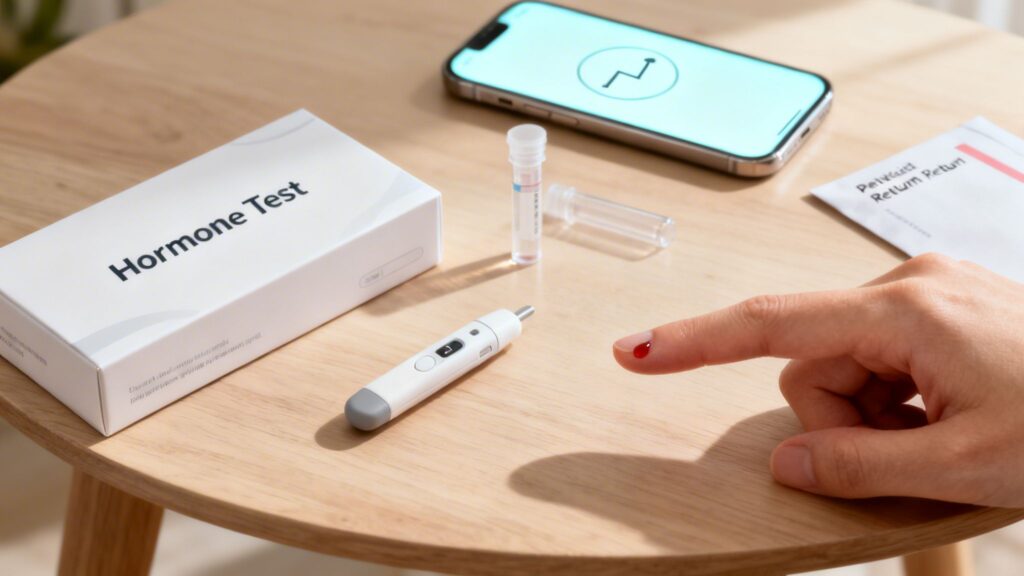
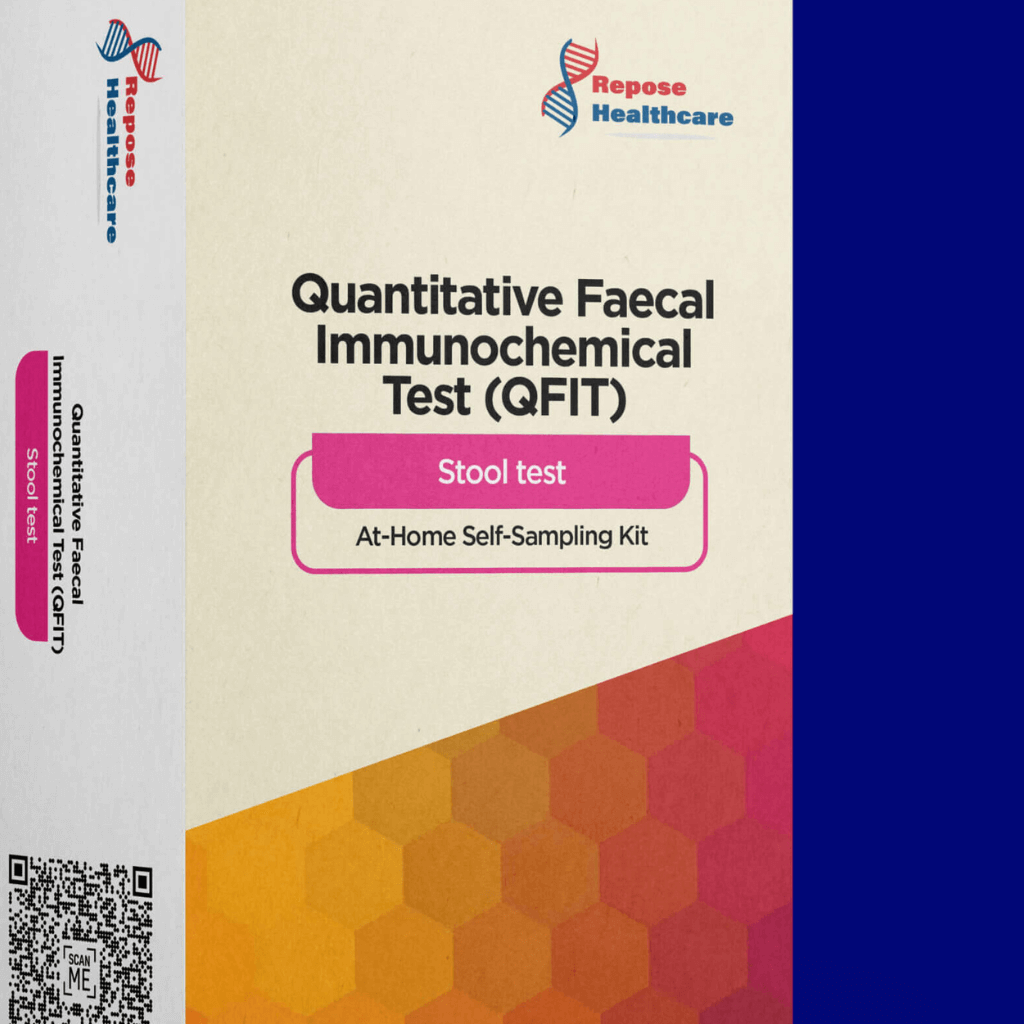
Ordering a Repose Healthcare kit is straightforward. It arrives at your door with clear instructions, you collect your sample, and send it back in the prepaid packaging. Your confidential, expert-reviewed results are delivered securely to your online dashboard.
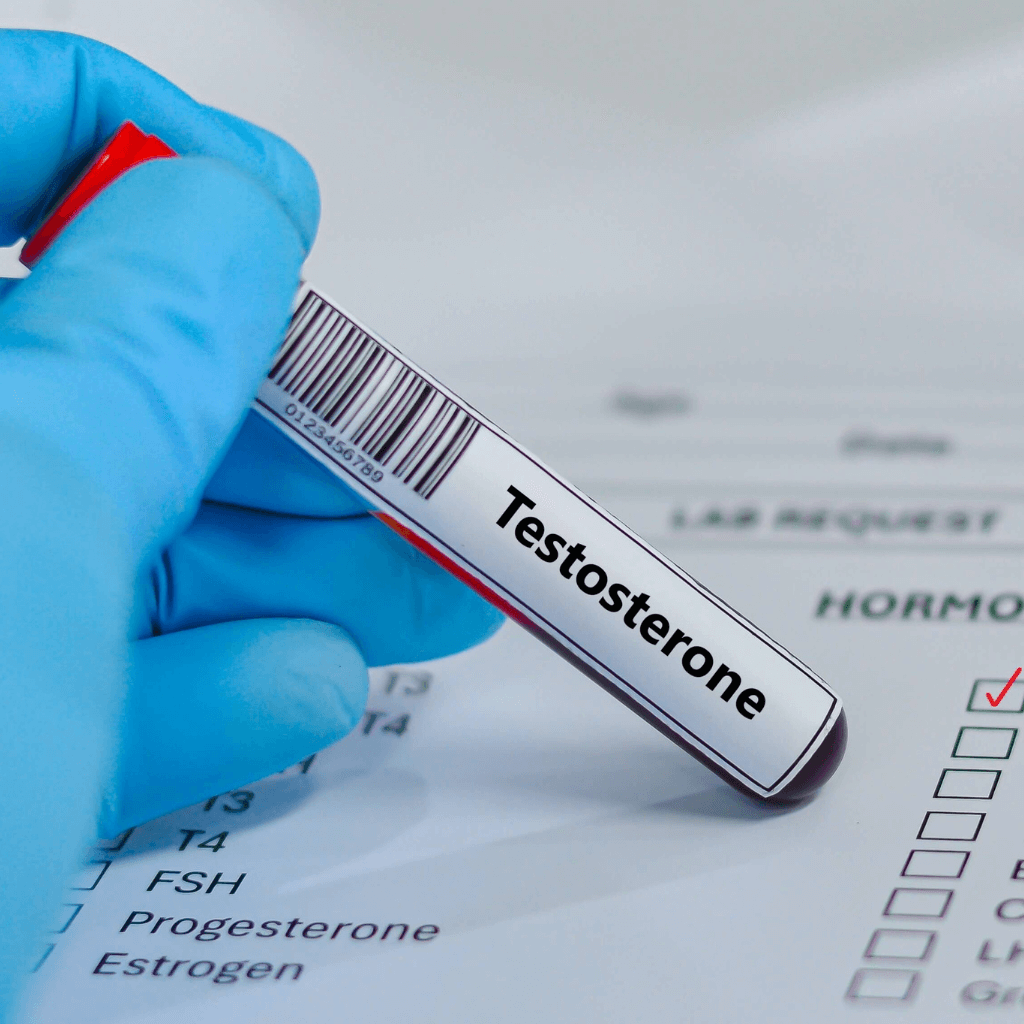
Having this data allows you to make more informed decisions. To get an even clearer picture, you could also use one of the best nutrition tracking apps to monitor your daily habits and how they affect your symptoms. For a broader view of your body's internal environment, you can also learn more about our at-home hormone testing options.
Changing your diet to manage endometriosis can feel like a big step, and it’s natural to have questions. Let’s tackle some of the most common queries with clear, practical advice.
Patience is key, but you may see improvements faster than you think. A drop in bloating can happen within a few weeks, especially when cutting processed foods. For deeper-seated inflammation and hormonal pain, commit to a dietary shift for at least three full months. This allows you to track patterns across a few menstrual cycles.
Actionable Tip: Keep a simple food and symptom journal.
For objective proof, you could take a Repose Healthcare Nutrition Blood Test before you start and again after three months to see measurable changes in biomarkers like inflammation and nutrient levels.
Absolutely not. It's so important to reframe how you look at these strategies. Highly restrictive plans, like the low-FODMAP diet, are a short-term investigation, not a life sentence. The most critical part is the structured reintroduction phase that comes after, where you carefully bring back individual foods to find your personal triggers.
Actionable Insight: Think of yourself as a detective for your own body. You're gathering clues to identify the real culprits behind your symptoms. A food might be a problem for someone else but perfectly fine for you.
The goal is to build the most varied, enjoyable, and least restrictive diet that keeps your symptoms under control.
Let's be crystal clear: diet is not a cure for endometriosis. Endo is a complex medical condition that needs a comprehensive management plan from your healthcare team, which might include hormone therapy or surgery.
What diet is, however, is an incredibly powerful tool to help you manage your symptoms and drastically improve your quality of life. It puts you back in the driver's seat, giving you a tangible way to participate in your own wellbeing. Think of food as a vital part of your self-care toolkit, working hand-in-hand with medical advice.
There isn’t one "magic bullet" food. The real power comes from your overall dietary pattern. But, if you were to prioritise one food group, it should be oily fish like salmon, mackerel, and sardines. They are packed with anti-inflammatory omega-3 fatty acids.
Actionable Tip: Aiming for two portions a week is a fantastic, evidence-backed target. A practical way to do this is to have a salmon fillet for one dinner and a smoked mackerel salad for one lunch each week. If you don't eat fish, a high-quality algae-based omega-3 supplement is a great alternative.
This is a huge question, and the answer is completely individual. For some, removing them brings dramatic improvement; for others, it makes no difference. The only way to know for sure is to run your own experiment.
This methodical approach will give you a clear, personal answer. To get a head start, our Allergy & Intolerance Test can help flag specific sensitivities, giving you data to guide your elimination trial, while our Coeliac Disease Test can definitively rule out coeliac disease as a cause.
At Repose Healthcare, we believe in giving you the data you need to take control of your health. Our at-home testing kits provide the clarity to move beyond guesswork and build a personalised diet plan that truly works for you. Explore our full range of health tests today at https://reposehealthcare.co.uk.